

Ordering materials is one of those jobs that looks simple until the first missing bag of cement stops the whole project. The calmer approach is to work from the job backwards: define the task, measure what it needs, check the specification, then organise delivery. Building Materials is a natural place to do that because its UK range is arranged for trade and DIY customers, with product categories, sourcing support and delivery information in one place.
This guide will help you build a shopping list for a small wall, room refurbishment or general repair. Prices and stock can change, so use the linked product pages to check the current details before ordering. The aim is a reliable plan, not a dramatic last-minute dash to the nearest merchant.
This article contains affiliate links. If you buy through them, we may earn a commission at no extra cost to you.
What building materials does your job actually require?
Start with a one-sentence description of the work. “Patch a garden wall” needs a different list from “line an internal partition” or “repair a floor”. That sentence tells you whether you are mainly buying aggregates and cement, plasterboard, blocks, insulation or finishing supplies. Purpose comes before brand, because the right-looking product can still be wrong for a wall, room or exposure level.
- Write down the location: internal, external, ground level or elevated.
- Record whether the material is structural, decorative or a surface finish.
- Note moisture, fire, sound and thermal requirements.
- Confirm whether access allows a pallet, long boards or a delivery vehicle.
For a room lining project, the plasterboard and plastering supplies section is a sensible starting point. For a small masonry job, compare the bricks and blocks range first. This keeps your research tied to the actual task instead of a vague search for “building stuff”.
How much building material will the job need?
Measure length, width and depth in the units used on the product page. For boards, calculate wall area and check board dimensions. For blocks, calculate the wall volume or surface area and confirm how many units cover a square metre. For cement, think in mixes and batch sizes rather than only the total weight. Do not guess from the room size when openings, corners or changes in level will affect the final amount.
- Measure the full area.
- Subtract doors, windows and sections that do not need material.
- Check the coverage, thickness or unit count stated on the listing.
- Add a modest allowance for cuts, breakages and future repairs.
- Write the final quantity beside the exact product name.
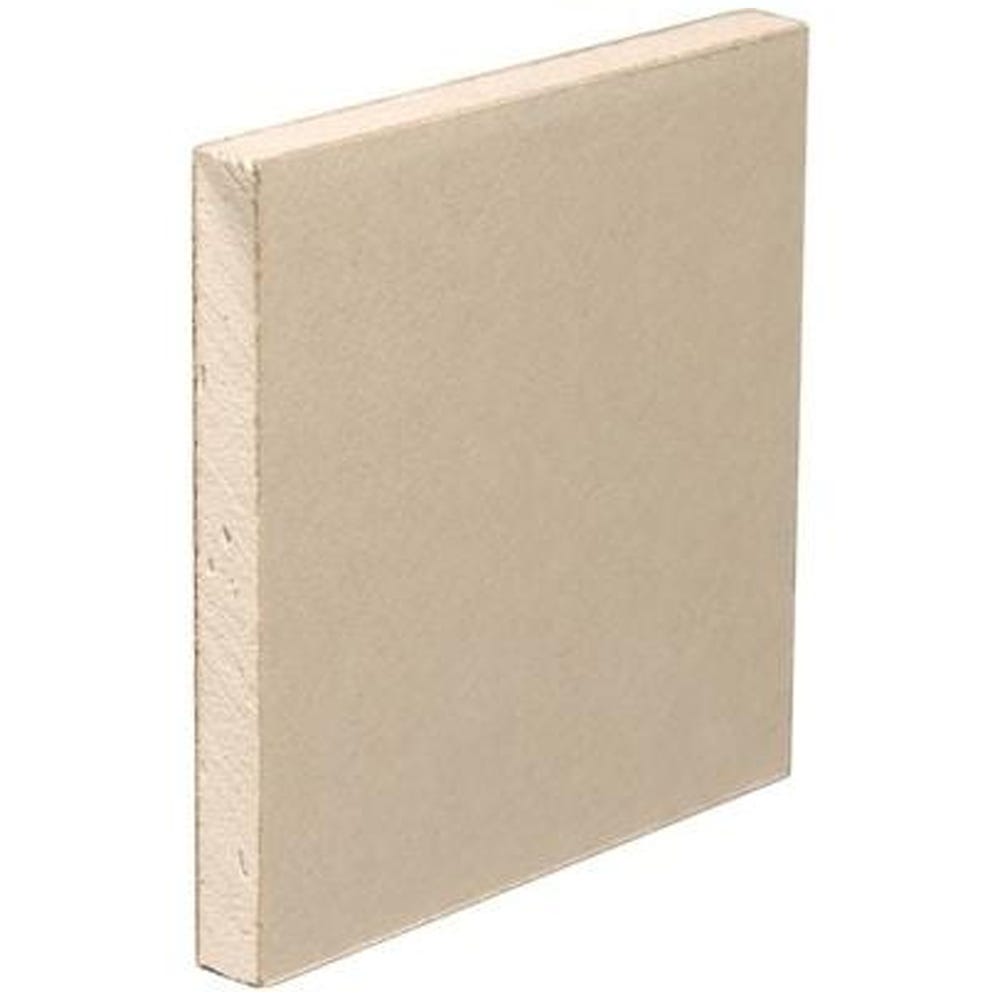
For example, British Gypsum Gyproc Wallboard Square Edge 9.5mm is a specific board with a defined thickness, not a generic “sheet”, so you can calculate around its stated format. Check the current wallboard price and availability before you commit to the quantities.
Which building material matches the required performance?
This is the decision point where Building Materials earns its place in the process. Product pages let you compare familiar manufacturers, dimensions and intended uses, while the broader cement collection and concrete block collection give you useful alternatives when a first choice is unavailable.
- Choose general-purpose cement for routine concrete, mortar and repair work where the specification allows it.
- Choose a block by strength, dimensions, density and location, not just its lowest price.
- Choose plasterboard by thickness and by any fire, moisture, acoustic or impact requirement.
- Choose insulation by the required thermal performance and installation depth.
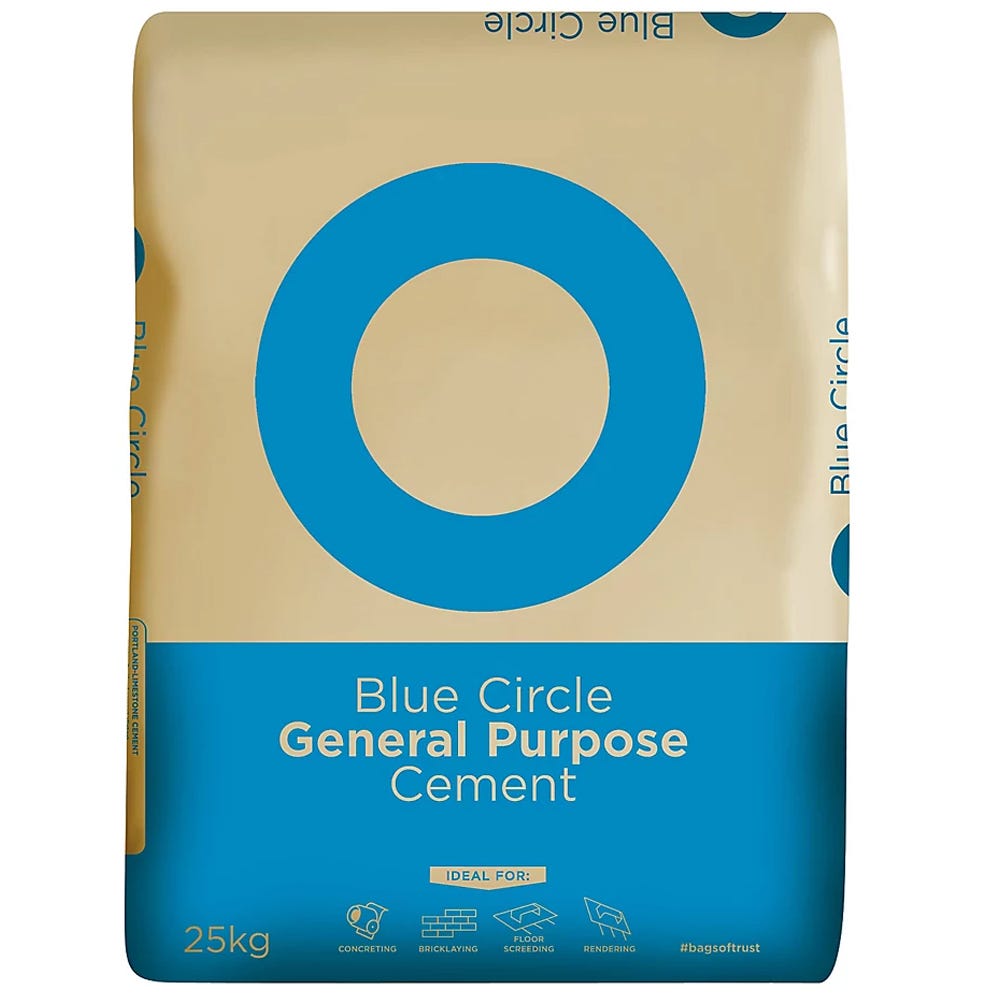
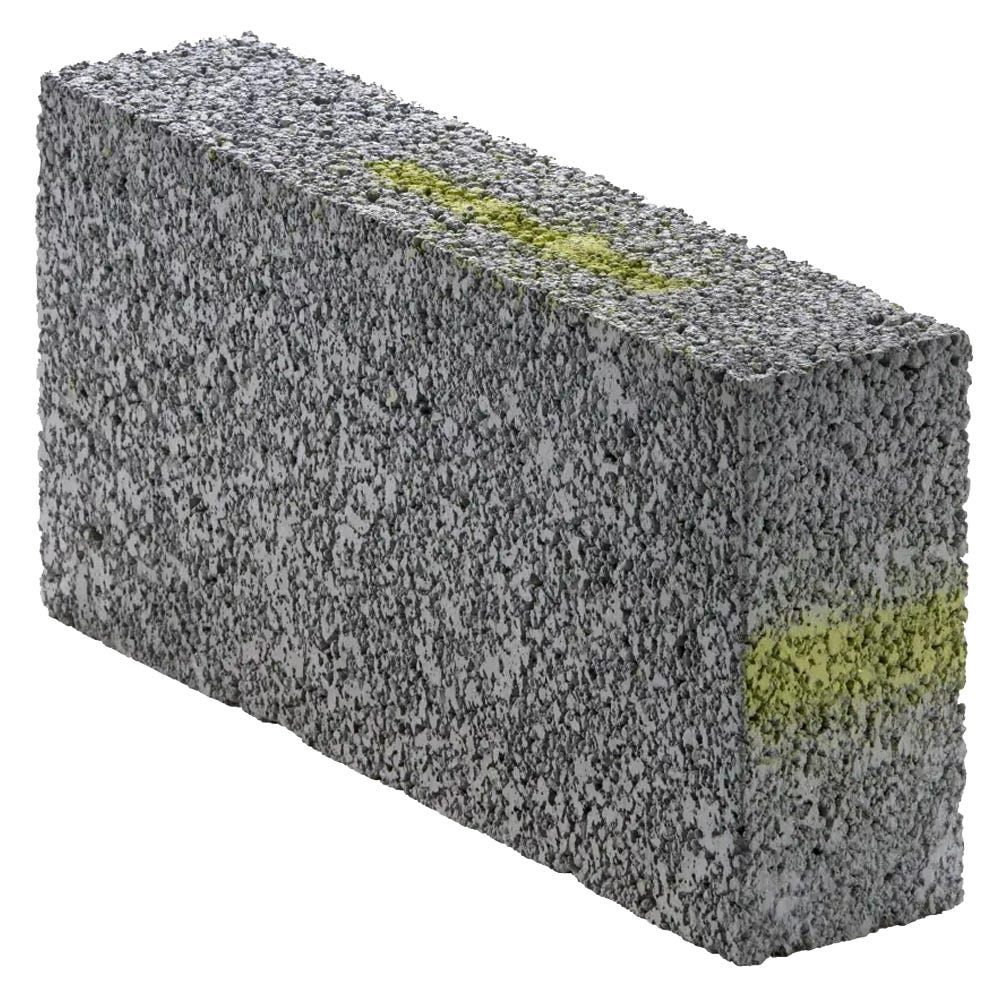
The Blue Circle General Purpose Cement – 25kg is a useful reference point for a standard cement list. For masonry, the Plasmor Fibolite Solid Block 3.6N 100mm is another standard option. Use the Blue Circle listing and Plasmor listing to review live details.
What else belongs in a complete building materials order?
A wallboard order may also need screws, joint tape, beads and finishing compound. Blocks may need mortar, ties, lintels or damp protection. A cement order may need sand, aggregate, mixing equipment and curing protection. The building materials categories make it easier to scan these companion items while the main project is still fresh in your mind.
It is also worth separating the materials you need immediately from those you can buy later. Order structural or weather-sensitive items first, then arrange finishing products once the measurements are confirmed on site. Keep a note of the product code and board thickness you selected. That small habit prevents a substitute from being added to the basket without you noticing, and it makes a repeat order much faster if the job expands.
- Main material and calculated quantity.
- Fixings, adhesives, mortar or jointing products.
- Protection for floors, surfaces and stored materials.
- Tools or consumables that cannot be borrowed.
- Waste handling and a safe place to keep the delivery dry.
Before checkout, compare the plaster and plasterboard accessories, brick accessories and insulation supplies relevant to your task. A slightly more complete order is usually cheaper than a second delivery caused by one forgotten roll of tape.

Can your site receive the building materials as planned?
Delivery is part of the material plan. Check the address, postcode, access width, unloading surface and whether someone can receive the order. The delivery information should be read alongside the product page, especially for bulky boards, palletised blocks or heavy bags. Measure the access route before paying for a delivery that cannot reach the intended storage point.

- Recheck the product name, size, strength and quantity.
- Compare the basket with your written project list.
- Confirm delivery charges, timing and unloading conditions.
- Inspect bags, boards and blocks on arrival before moving them.
- Keep invoices, product guidance and batch information for the job file.
If a specification is structural, regulated or outside your experience, ask a qualified professional to confirm the material choice. Online convenience does not replace technical advice. What it does provide is a clearer way to compare the options, prices and supporting supplies before you place an order with Building Materials.
What should you check before ordering building materials?
Use this short check before you move from research to checkout:
- Job defined: the material has a clear use.
- Quantity measured: coverage and allowance are recorded.
- Specification checked: thickness, strength and performance fit.
- Complete basket: fixings, protection and accessories are included.
- Delivery ready: access and storage are sorted.
Can I order materials for a small DIY project?
Yes. Start with the smallest practical quantity, check the product dimensions and add only a sensible allowance. Building Materials serves trade-focused projects while still offering useful product information for careful DIY planning.
How do I compare similar building products?
Compare intended use, dimensions, strength, coverage, manufacturer guidance, price and delivery conditions together. The cheapest unit is not necessarily the lowest project cost if it needs different fixings or creates extra waste.
What should I check when the order arrives?
Check quantities, visible damage, product labels and sizes before storing or installing anything. Photograph problems promptly and keep the order information available while you contact the supplier.
Good material buying is mostly good preparation. Define the work, measure carefully, match the performance, complete the basket and make delivery workable. When you are ready to turn that checklist into a real order, browse the current Building Materials range and check the latest product prices before choosing.