
Choosing a West End show can mean weighing a familiar story against the practical details of a particular performance. With Matilda, The Musical, the official UK material offers a useful picture of the production, but does it give visitors enough to make a confident choice?
We reviewed the official show and access information as published, rather than treating promotional copy as a substitute for a night at the theatre. The strongest case is its clear creative identity and a range of performance formats. The main reservation is that some visit-specific details still need checking against the selected date.
This is a review of the production and information available from the official UK site. It is not a report of a visit or a performance we attended.
This article contains affiliate links. If you buy through them, we may earn a commission at no extra cost to you.
Before you read on
- The Royal Shakespeare Company production adapts Roald Dahl’s story, with a book by Dennis Kelly and original songs by Tim Minchin.
- The Cambridge Theatre setting and official production pages make the show’s creative background easy to understand.
- Chilled, captioned and audio described performances serve different access needs, so check the dates and arrangements for each.
- The official site is a strong starting point, but seat suitability and current performance details require a date-specific check.
What gives this production a clear identity?
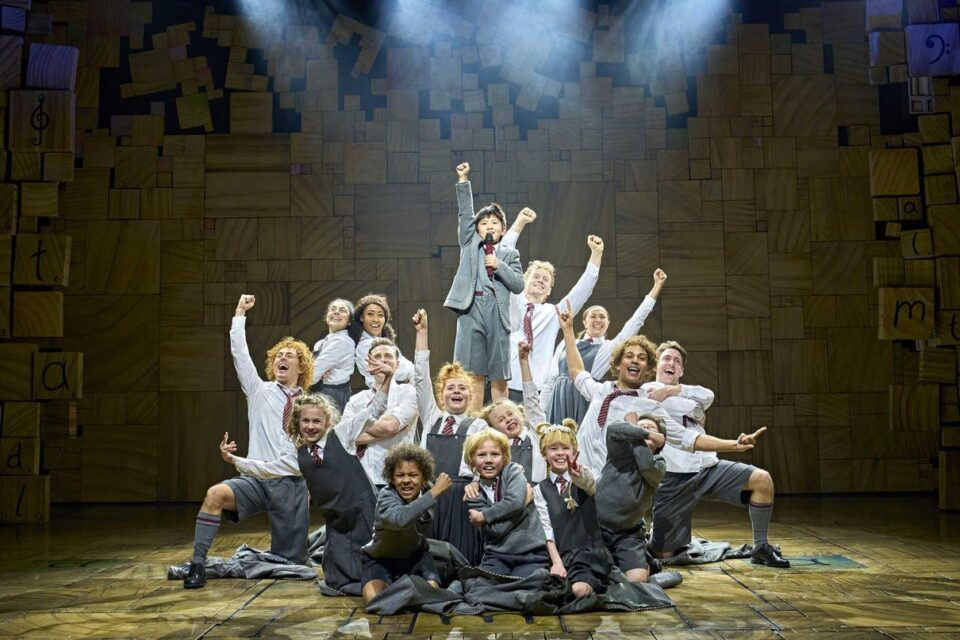
The show’s premise is immediately legible: a bright child confronts unfair adults through wit, nerve and imagination. The official site’s performance information also makes it easier to connect that overview with practical choices. Its official account connects the musical to Roald Dahl’s story and names a creative pairing that helps explain its tone: Dennis Kelly’s book and Tim Minchin’s original songs. The Royal Shakespeare Company production places this material within a theatrical framework rather than presenting it as a simple page-to-stage retelling.
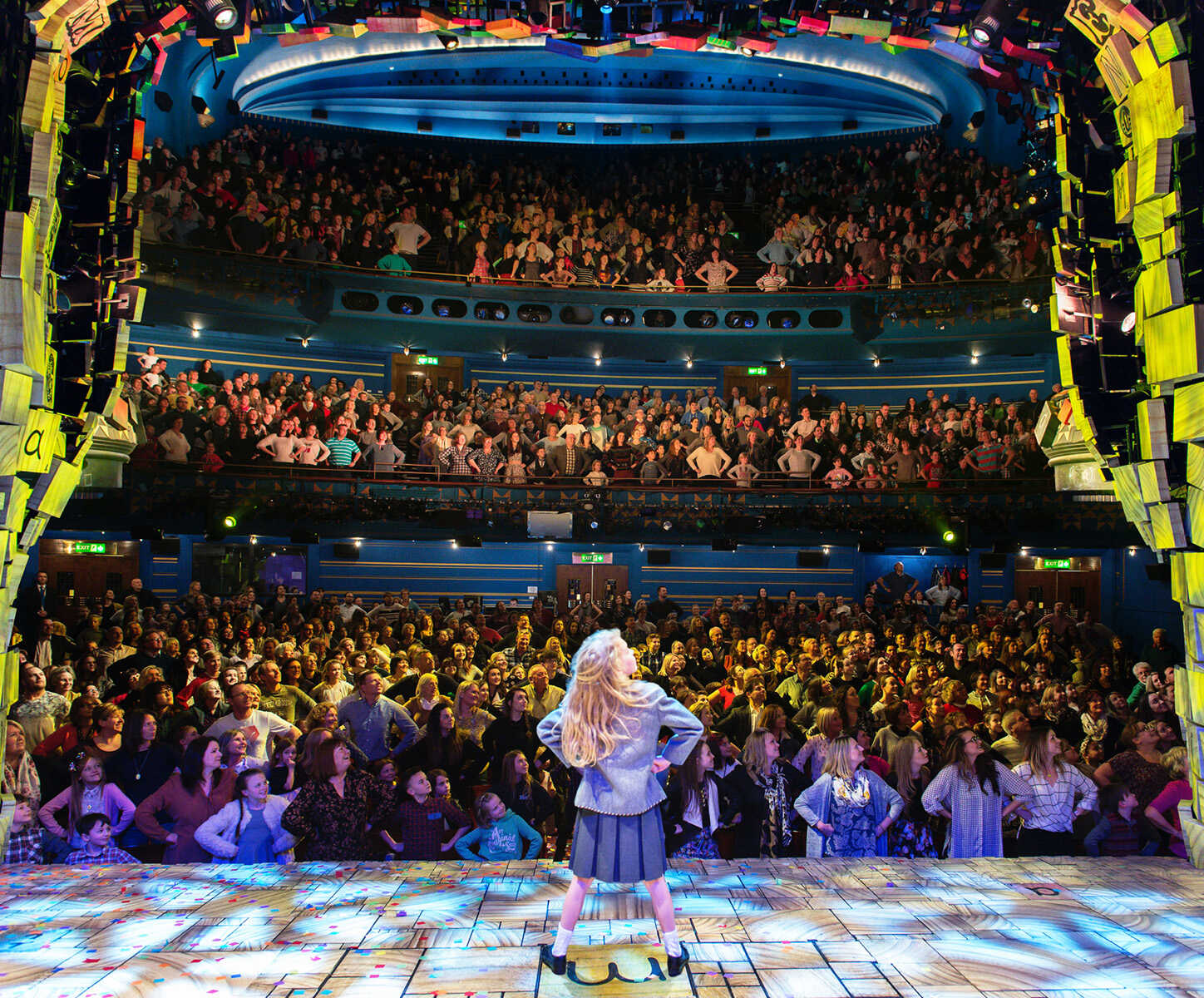
That provenance is a real strength for readers deciding whether the show has enough substance for a shared theatre trip. The official site gives visitors a route into the show’s history, cast information and production gallery. The archived cast image adds context to the production’s history, although archive material should not be mistaken for a promise about the current company. Readers interested in how the show has developed can start with the Chilled Performance information and its performance context, then check the selected date independently.
The production is likely to appeal to families familiar with Dahl, musical-theatre audiences and adults who enjoy a story built around a child’s point of view. See the official Chilled Performance overview when that format is relevant. Its emotional engine is not only rebellion: the story also depends on warmth, comic contrast and the pleasure of seeing an underestimated character gain agency. That combination gives the musical more to offer than a recognisable title alone.
- Story source: Roald Dahl’s novel.
- Book: Dennis Kelly.
- Original songs: Tim Minchin.
- London venue: Cambridge Theatre.
How useful is the official production information?
For a first assessment, the official pages do a good job of establishing where the show is, what creative work it adapts and which performance formats exist. That is valuable because a theatre listing can otherwise reduce a production to a title, date and booking button. Readers can open the audio described performance page directly when reviewing access details. Here, visitors can explore the work behind the show and move from general production context to access-specific information.
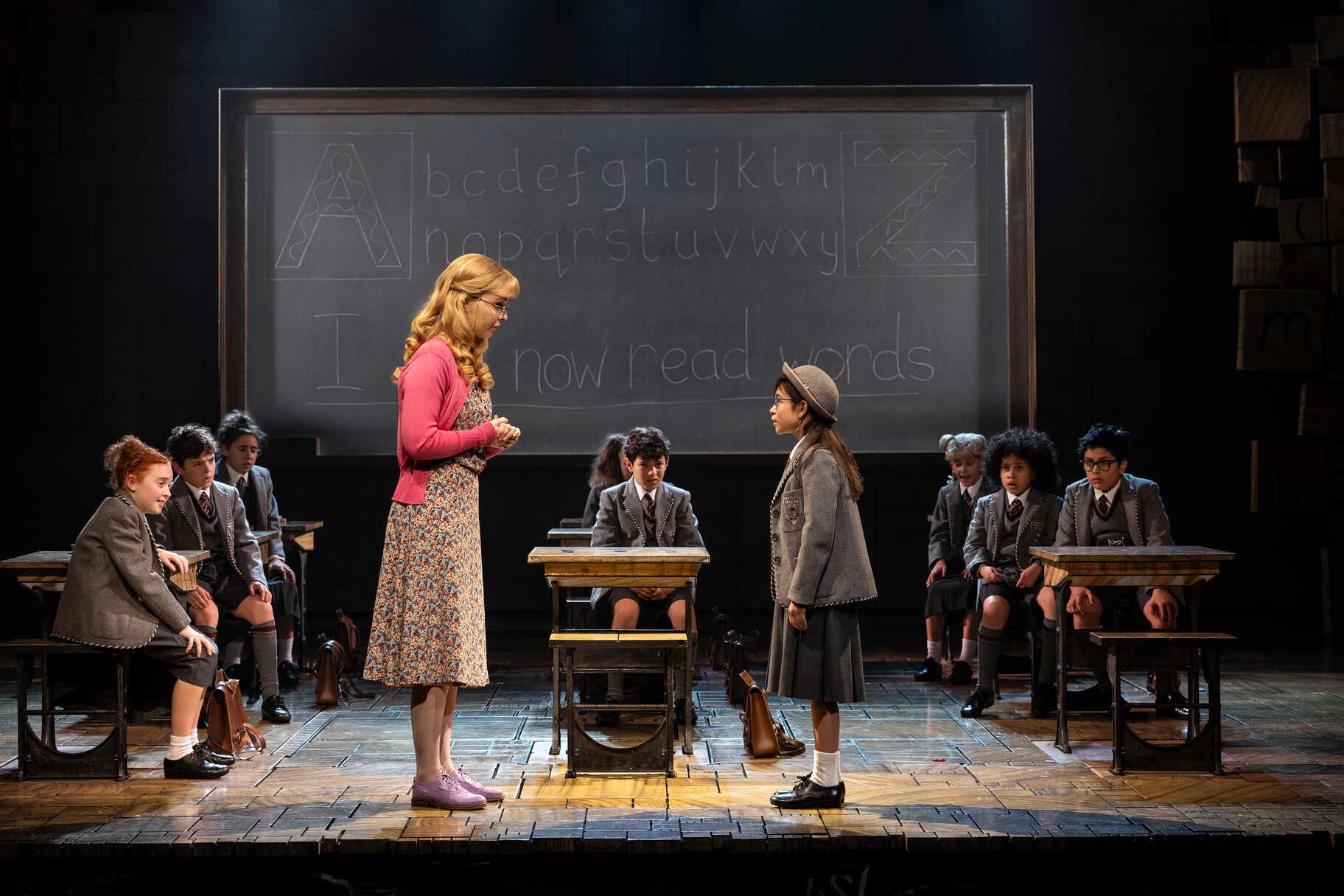
The Captioned Performance details are especially relevant to visitors who want spoken dialogue displayed during the performance. This is a distinct format, not a general captioning guarantee for every date. The official page can help identify what the label means, but the date’s listing should be treated as decisive. If captions are essential, confirm that the specific performance is captioned before arranging travel or coordinating a group.
Likewise, the Audio Described Performance information describes a different access approach: spoken description is intended to communicate visual elements of the staging. The usefulness of that option depends on the individual visitor’s preferences and the arrangement for the chosen date. We recommend reading the page alongside the listing, rather than assuming every performance includes the same service.
There is a practical limit to any central information page: it cannot tell every visitor which seat, date or sensory environment will suit them best. Those decisions depend on personal access needs, companions and the live schedule. The site works as a guide to available formats; it should not be the final word on a particular seat or performance.
Which performance options answer different needs?
The named formats are useful because they make access choices visible before a visit. Their value comes from matching a format to a requirement, not from assuming one option is broadly better than another.

- Chilled Performances are the relevant page to consult when a visitor wants information about a performance designed with a more relaxed environment in mind. Confirm the details and date directly.
- Captioned Performances are aimed at visitors who benefit from captions for spoken dialogue. Check which scheduled performance carries the format.
- Audio Described Performances are intended for visitors who benefit from spoken description of visual action. Review the event-specific arrangements before choosing.
The distinctions are straightforward on paper, which is an advantage for families and groups coordinating different needs. The captioned format page is a useful next stop for dialogue access, while the audio description information explains another option. A limitation remains: these pages describe service categories, not a personalised access consultation. When a detail could affect whether someone can attend comfortably, contact the official venue or ticketing route and ask about the exact performance.

We would also avoid choosing on the basis of photographs alone. Production images can communicate scale, energy and visual style, but they cannot establish sightlines, sound levels, audience conditions or the experience of a specific seat. Treat the gallery as editorial context, then verify the practical points that matter to your group.
Where does the official route have limits?
The main limitation is not a lack of story or creative credentials; it is the gap between broad information and a visitor’s exact booking decision. Confirm event details through the official captioned performance listing when applicable. Performance schedules change, and an accessibility option only helps if it aligns with the chosen date. Seat suitability can also depend on a visitor’s own needs. Those details deserve confirmation at the point of booking.

Another point to keep in mind is that historical images may show earlier casts or productions beyond London. They are valuable for understanding the show’s wider life, but they should not be read as current-cast information. The official site’s mix of current and archive material rewards careful reading, especially when a reader is looking for who will appear on a particular date.
Before selecting a performance, we suggest checking these details in sequence:
- Confirm the date and performance time shown in the official booking route.
- Check whether the selected event is chilled, captioned or audio described if that format is needed.
- Review venue access and seating information for the visitor’s specific requirements.
- Recheck the cast and any event-specific notes close to the visit.
This is a modest amount of extra work, but it prevents a general production page from being mistaken for a guarantee about an individual event. For broad show research, the site is clear; for date-level logistics, the live listing and direct venue confirmation matter more.
Is Matilda suitable for younger theatre audiences?
The familiar story and child-centred perspective make it a natural candidate for families, but parents should review the official age guidance and their child’s comfort with the subject matter before booking. Suitability varies by child.
Are accessible formats available at every performance?
No. The official site lists specific chilled, captioned and audio described options. Check the schedule for the exact date and confirm any essential arrangements with the official route.
Does the official gallery show the current cast?
Not necessarily. The gallery includes production and historical material. Use the current cast information and date-specific listing for the latest details.
Our recommendation
We recommend Matilda, The Musical to readers drawn to a lively adaptation with a clear creative pedigree, a well-known story and visible access information. The official UK site gives a solid starting point for understanding the production and comparing its named performance formats.
Its limit is that general pages cannot settle date-specific questions about cast, seats or access arrangements. Read the relevant format page, then confirm the precise performance before making plans. If that extra check suits your planning style, the official route is a sensible place to review available options.