
New York has no shortage of ways to look at itself from above, so an observation deck has to earn its place in a busy itinerary. I approached One World Observatory – New York as a reviewer rather than a sightseeing loyalist: what do you actually get for each ticket, how much of the visit feels distinctive, and where do the upgrades genuinely help? The short answer is that this is more than a photo stop. The attraction combines a fast, cinematic ascent, layered storytelling and a broad Lower Manhattan panorama at 1,250 feet.
The experience is spread across Floors 100 through 102, with the biggest practical choice being whether you want a straightforward timed entry or a package that builds in credit, priority access or a guide. Dates and availability affect the live price, so I would check the current options through the official booking route before fixing your schedule.
What the visit does better than a basic skyline stop
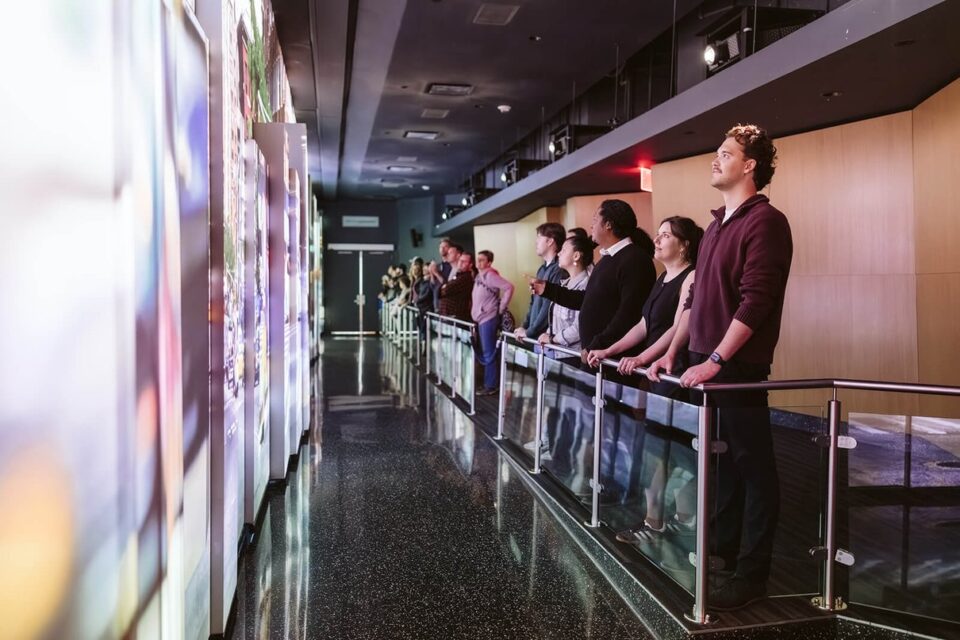
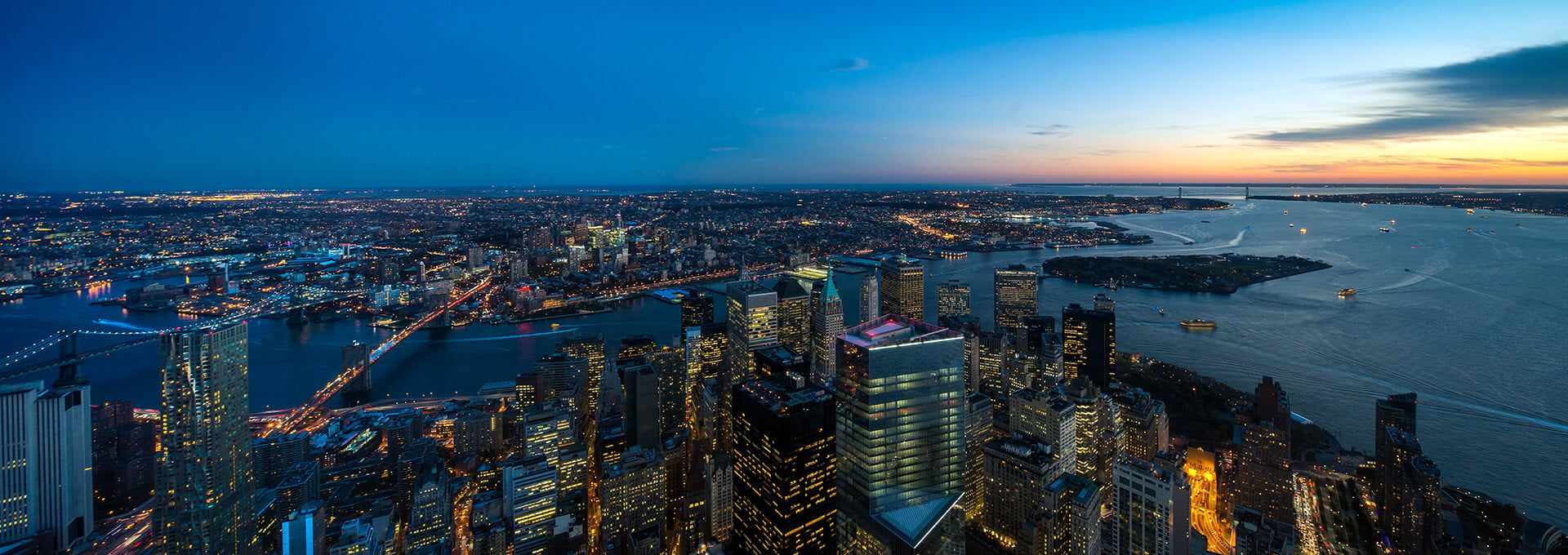
The first surprise is how much is packed into the transition from street level to the deck. The SkyPod elevator reaches the top in 47 seconds, using a time-lapse of New York’s changing streetscape as the cabin rises. It is a compact piece of theater, but it gives the visit a beginning instead of making the elevator feel like dead time. The arrival sequence continues through the See Forever Theater, then opens onto views that are especially strong for Lower Manhattan, the harbor and the bridges.
Three details made the attraction feel more considered during my review:
- 360-degree sightlines make the deck useful for both landmark spotting and simply watching the city move.
- The Horizon Grid and City Pulse elements add context without turning every window into a lecture.
- The enclosed setting is a real advantage when wind, heat or rain would make an outdoor deck uncomfortable.
- The floor plan gives families, photographers and first-time visitors room to find their own pace.
That last point matters. This is not an attraction where the view is the only content. Guests can use the full experience overview to see how the exhibits fit together, while the planning information covers timing, access and the practical details that are easy to miss.
My reservation: the attraction is deliberately polished and scripted. Travelers who want a raw, open-air rooftop feeling may prefer a different deck. For everyone else, the controlled sequence is part of the value.

The four ticket formats, tested as trip personalities
Rather than treating the tickets as a simple good, better, best ladder, I would match them to the kind of day you are building. Here is the useful shortlist:
- Standard Admission: the cleanest choice for a timed visit focused on the deck, exhibits and elevator experience. See the Standard Admission details when you already know your date.
- Combination Experience: includes admission plus $5 of credit to use at the cafe, bar, restaurant or gift shop, along with the One World Explorer guide and priority access. The Combination Experience page is the sensible middle ground for many visitors.
- All-Inclusive Experience: adds $15 of credit, the interactive One World Explorer and priority access throughout admission. Check the All-Inclusive Experience option if you dislike queues or want flexibility.
- VIP Tour: a guided 90-minute experience with priority access for admission, security, elevators and exit, plus a customized lanyard. The VIP Tour information makes most sense when interpretation is as important as the view.
The product names are concrete, but the prices are not fixed in the pages I reviewed. They vary with date and availability, and a booking fee may apply. That is why I would treat a displayed total as part of the research, not rely on an old screenshot or an assumed base rate. The ticket hub is the best place to compare the live choices side by side.

Where the upgrades earn their keep
The Combination Experience is the upgrade I would look at first. Five dollars is modest, but the package makes a snack, drink or small souvenir feel built into the visit, and the priority lane can matter on a crowded day. Link the phrase Combination Experience, then check whether its price gap is reasonable for your date.
The All-Inclusive Experience is more compelling for visitors who want fewer decisions once inside. The $15 credit can be used at the cafe, bar, restaurant or gift shop, and the One World Explorer interactive skyline guide turns distant buildings into named points of interest. It includes priority access, but it does not include a restaurant reservation. That distinction is easy to overlook, so reserve ONE Dine separately through the restaurant page or OpenTable if dinner is central to your plan.
The VIP Tour is the specialist pick. A guide can add useful context to the Global Welcome Center, Horizon Grid, SkyPod and City Pulse instead of leaving you to decode every exhibit yourself. In my value test, it is harder to justify for a quick first visit, but stronger for repeat guests, architecture fans or anyone celebrating a milestone. Read the VIP Tour inclusions before assuming it is simply a faster standard ticket.
- Choose Standard when your priority is the view and your calendar is settled.
- Choose Combination when a little built-in spending credit and faster movement are useful.
- Choose All-Inclusive when you want flexibility plus the interactive guide.
- Choose VIP when expert storytelling is the reason you are going.
Across all four, the best feature is not a perk but the structure: you can move from arrival story to elevator to theater to skyline without having to invent your own route.

ONE Dine is a useful second act, with one catch
ONE Dine sits on the 101st floor and adds a seasonal dining layer to the visit. The setting is persuasive: after the deck, a proper meal with the skyline still in view can turn an attraction into an evening plan. The menu leans toward New American cooking, with seafood, prime steaks, seasonal dishes and craft cocktails. See the current ONE Dine menu information if food is part of the decision.
The catch is that an observatory admission ticket is required, and a ticket package does not automatically equal a table reservation. I would plan the two pieces in this order:
- Pick the observation time with enough breathing room for exhibits and the deck.
- Book the ONE Dine seating separately, allowing a comfortable buffer after arrival.
- Use the dining package details to compare bundles rather than assuming every meal is included.
For a quick daytime visit, ONE Dine is optional. For a birthday, anniversary or visitor who values food as much as views, it is the most natural extension. I would not buy the All-Inclusive ticket solely for dinner credit, because that credit does not reserve a table.
The practical drawbacks I would plan around
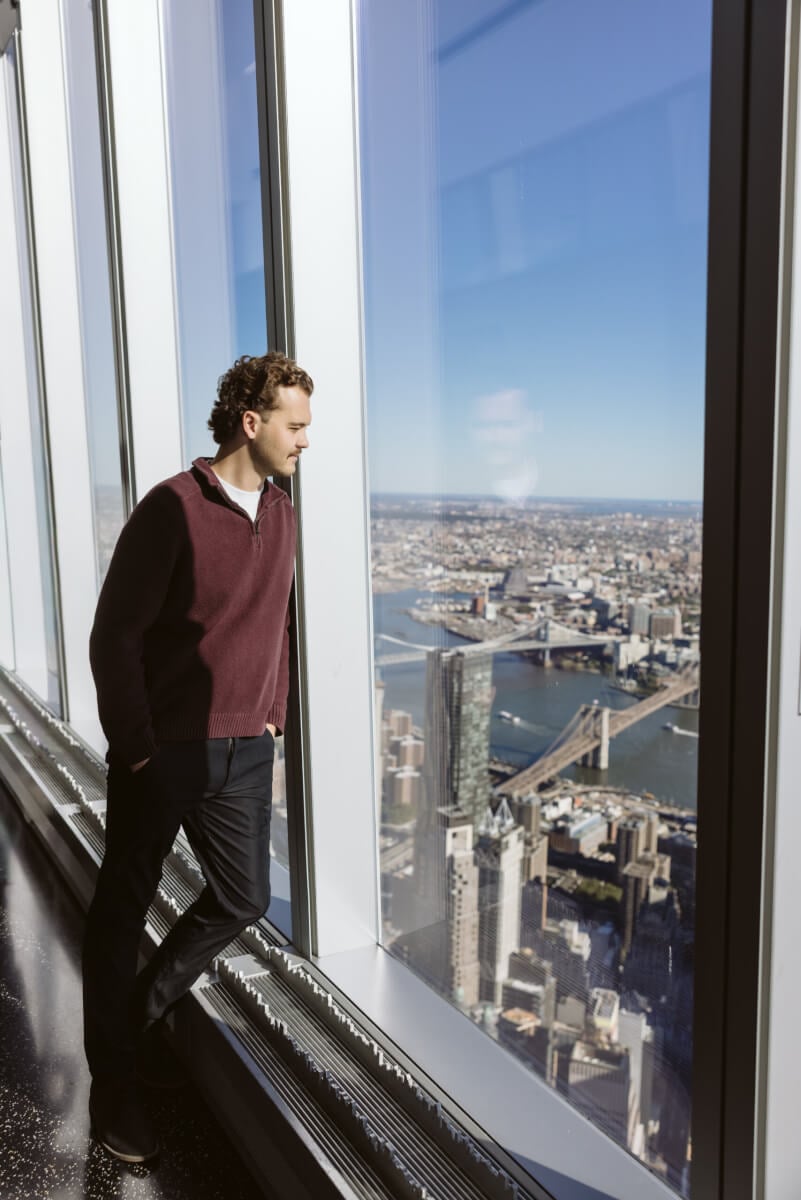
A fair review needs to say what can frustrate you. First, every current ticket package is for one-time admission; re-entry is not permitted. Second, the experience is timed or package-dependent, so a loose, spontaneous itinerary may not fit as neatly as a walk-in attraction. Third, the view is weather-sensitive even behind glass. Haze can flatten the distance, while a clear day can make the deck feel almost impossibly good.
Before booking, my checklist would be:
- Confirm the date, arrival window and total price at checkout.
- Allow roughly 45 minutes to one hour, longer if you add dining or linger over the exhibits.
- Bring a realistic plan for security screening and prohibited items.
- Reserve ONE Dine separately if you need a specific meal time.
- Use priority access as a convenience, not a promise that the attraction will be empty.
Families should also note that the experience is designed for guests of all ages, and the interactive content gives children something to do beyond looking through glass. The prohibited-items guidance and guest code of conduct are worth a quick read before leaving for Downtown Manhattan.
My verdict: strong attraction, smarter when the ticket matches the day
One World Observatory – New York is worth planning around if you want a high, enclosed panorama with a real narrative arc. The SkyPod elevator, See Forever Theater and landmark tools give it more substance than a single scenic platform. The main weakness is cost uncertainty and the fact that the best upgrades are situational rather than universally essential.
My pick for most visitors is the Combination Experience if the live price difference is modest. It adds a practical credit and priority access without asking you to commit to a full guided tour. Choose Standard for a disciplined, view-first itinerary, All-Inclusive for flexibility and VIP for storytelling. That is a useful verdict because it leaves room for the attraction to be excellent without pretending one ticket fits everyone.
If you have decided that the view belongs on your itinerary, review the available booking dates here and compare the final totals before you pay. The attraction is at One World Trade Center, so it pairs especially well with a Lower Manhattan walking day.
Is One World Observatory good for families?
Yes. The indoor deck, exhibits and interactive skyline tools are suitable for guests of all ages. Allow extra time if children want to explore City Pulse or the One World Explorer guide.
Does the All-Inclusive ticket include ONE Dine?
No. It includes $15 of credit for eligible cafe, bar, restaurant or shop spending, but it does not include a restaurant reservation. Book ONE Dine separately if you need a table.
How long should I allow for the visit?
The brand recommends approximately 45 minutes to one hour for the core visit. Add more time for a meal, shopping, photography or a guided VIP experience.
Ready to compare the final date-specific price? Check today’s One World Observatory availability before your New York plans fill up.