
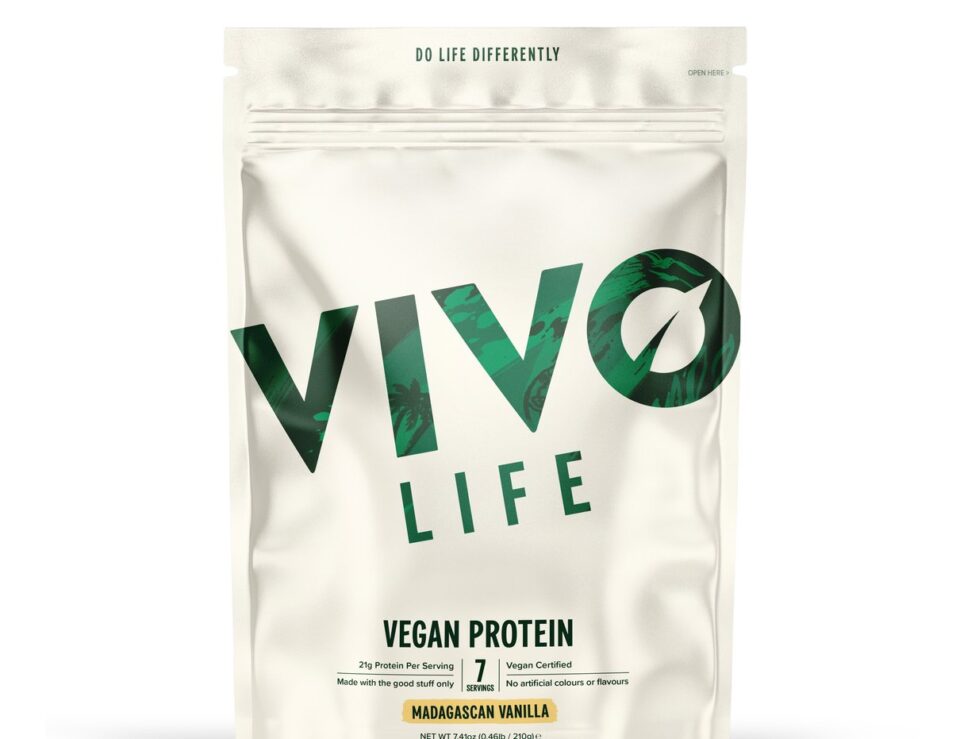
I have a fairly simple rule for supplement reviews: the label has to tell me what I am getting, the use case has to make sense, and the price has to survive comparison with ordinary food. Vivo Life makes a persuasive first impression because the range is plant-based, UK-made and unusually clear about its quality promises. But a good-looking pouch is not a substitute for a useful formula. I spent time comparing the range, its claims, formats and current prices to work out who should actually consider it.
The short answer is encouraging but not universal. The brand is strongest when convenience matters: a quick protein shake, a liquid vitamin or a mix for a long training day. It is less compelling when you already eat well and are tempted to stack several expensive powders at once. This is a review of the products, not a promise that supplements can fix fatigue, poor sleep or an unbalanced diet.
This article contains affiliate links. If you buy through them, we may earn a commission at no extra cost to you.
What does Vivo Life do well across its range?
There are several consistent ideas across the catalogue. Formulas are positioned as 100% plant-based, the company says it avoids artificial sweeteners and flavours, and products are made in the UK. It also highlights third-party lab testing and clinically backed formulas. Those are useful signals, although they are not the same as seeing a full certificate or a large human trial for every individual product. I would treat them as reasons to inspect the label, not as permission to skip that step.
- Clear everyday formats: powders, liquids, capsules and bundles cover different routines.
- Useful dietary fit: the range is built for people avoiding animal ingredients.
- Practical reassurance: UK production and third-party testing are meaningful quality considerations.
- Low-friction trial: the brand advertises a 30-day money-back guarantee.
The downside is that clean positioning can make a product sound more transformative than it is. A protein powder still needs enough protein per serving. A B12 product makes most sense for someone whose diet or clinician suggests supplementation. Adaptogens and mushroom powders are interesting ingredients, but their marketing language can run ahead of the evidence. That distinction is central to my Vivo Life review.
Which Vivo Life products belong on your shortlist?
Clean Protein (small) is the most straightforward starting point. The small pouch is a sensible test of flavour and texture before committing to a larger tub. It is aimed at adding plant protein to shakes or breakfast, so the value depends on the serving protein and how often you will use it. My pro is the simple use case. My con is that protein powder is easy to overbuy when beans, tofu and lentils already feature in your meals.
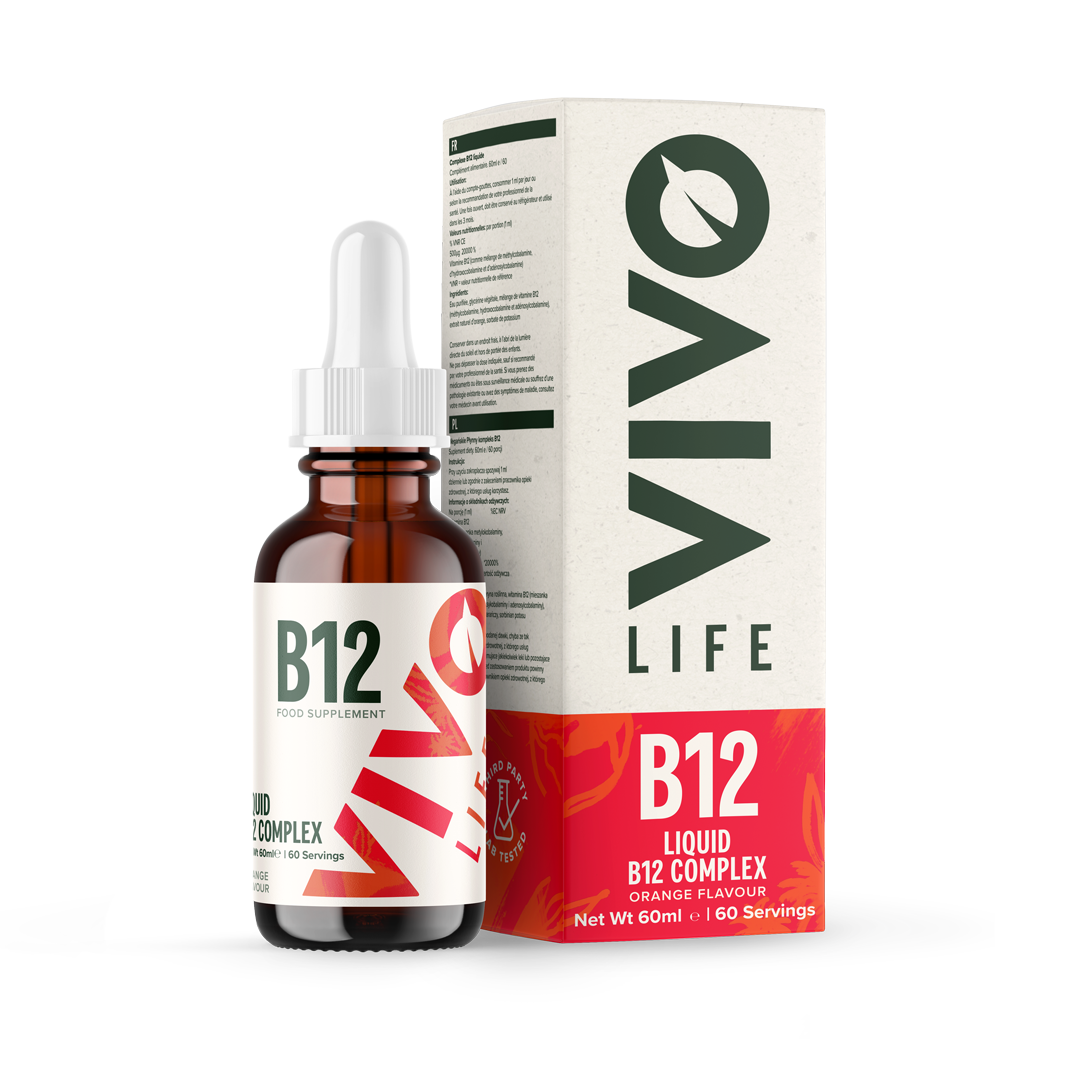
Liquid B12 Complex is the most convenient option here. A liquid format can be easier for people who dislike tablets, and the bottle makes it simple to build into a routine. It is not a general energy drink, however. B12 is relevant to nervous-system and red-blood-cell function, but feeling tired has many causes. Check the dose, follow the directions and speak to a pharmacist or clinician if fatigue is persistent. The strongest argument is convenience, not magic.
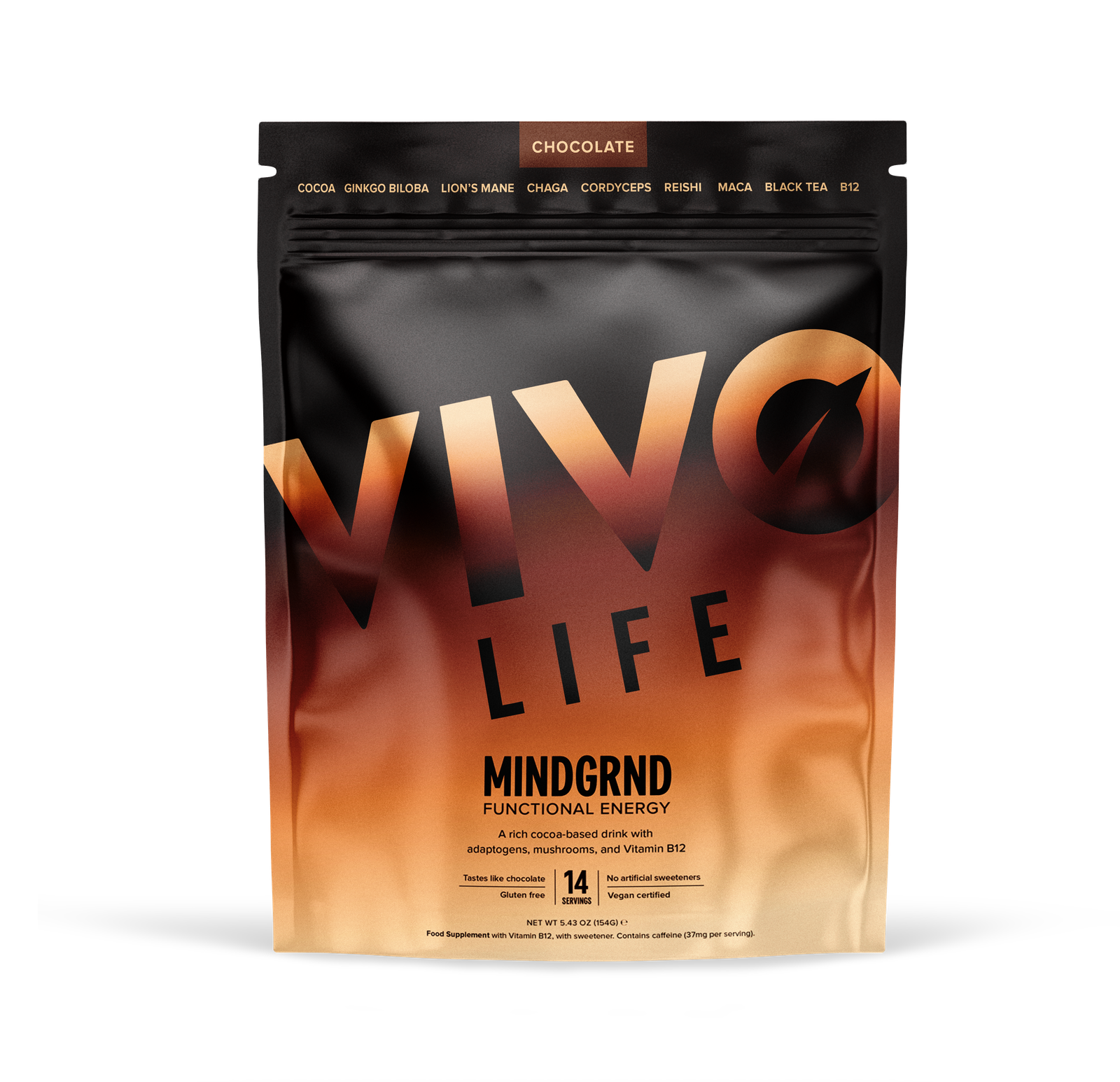
Mindgrnd is pitched as a mushroom and adaptogen blend for focus and clean energy. This is the product I would approach most cautiously. It may suit someone who enjoys a functional hot drink and likes experimenting, but “focus” is a broad promise. Look for the exact ingredient amounts rather than judging the blend by its 9-in-1 headline. If you want predictable caffeine, tea or coffee is easier to quantify. Mindgrnd is the more adventurous pick, not the evidence-led default.
- Choose Clean Protein for a clear nutrition gap.
- Choose Liquid B12 Complex for format convenience.
- Choose Mindgrnd only if you are comfortable with a less certain benefit.
The practical comparison is important. Buying one product for one reason lets you notice whether it earns its place. Buying a bundle because the discount looks dramatic can leave you with ingredients you never wanted. Vivo Life’s protein options and functional powders are easier to assess when kept separate.
There is also a welcome amount of choice for different routines. Someone training for a race may value a dependable protein and electrolyte combination, while someone working long office days may prefer a liquid micronutrient format. That flexibility is useful, but it makes a little self-editing essential. I would write down the actual gap first, then select the smallest pack that lets you test taste, digestion and consistency. A product that sits unopened in a cupboard is poor value at any price.
Can Vivo Life hydration products fit your daily routine?
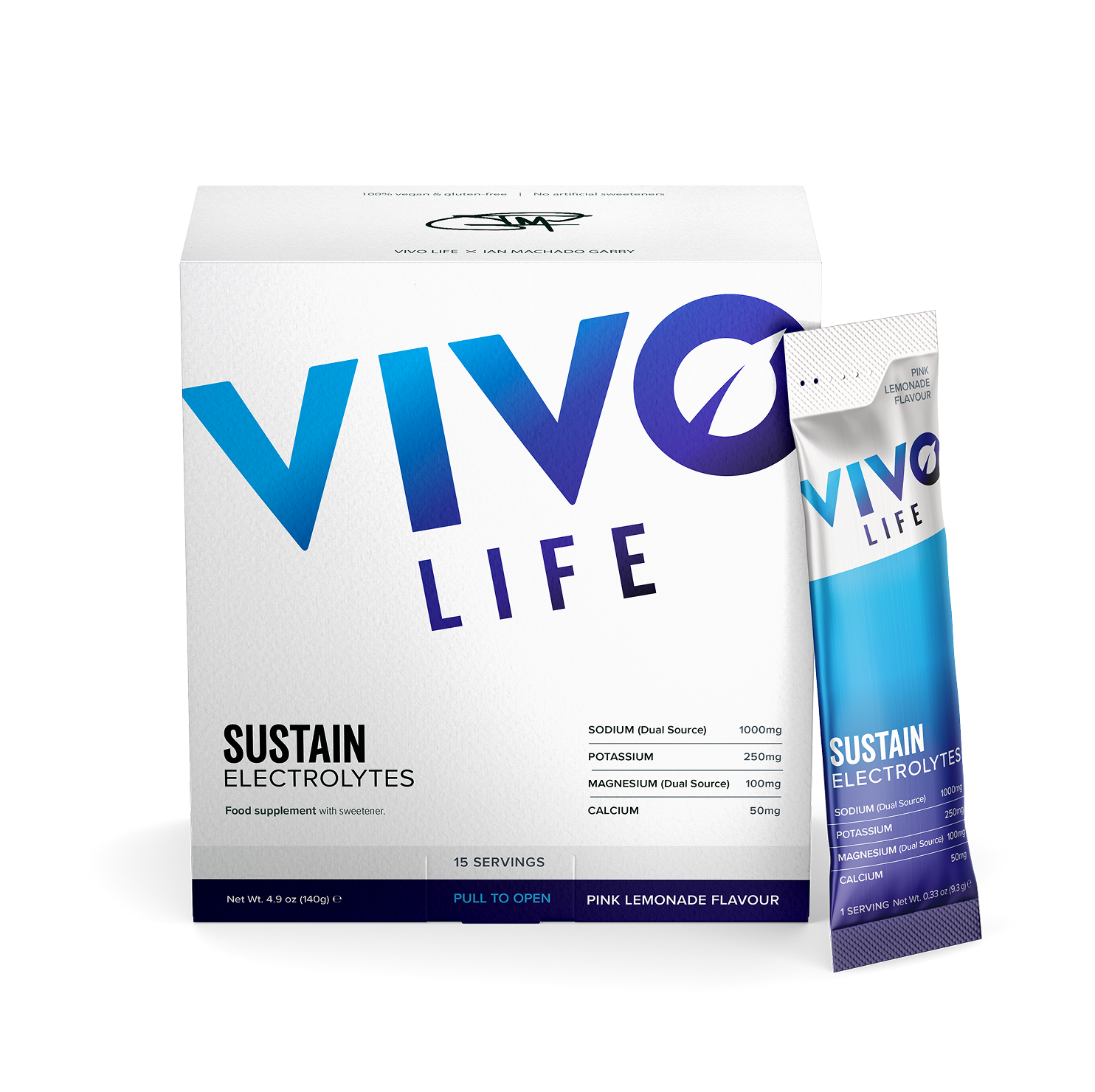
Sustain Electrolytes is aimed at replacing minerals lost through sweat. That makes sense for long runs, hot-weather work or sessions where you are sweating heavily. It is less convincing as an automatic desk-water upgrade. Sodium and other electrolytes have a job, but more is not always better. I like the targeted use case; I would not sip it all day simply because the packaging suggests performance.
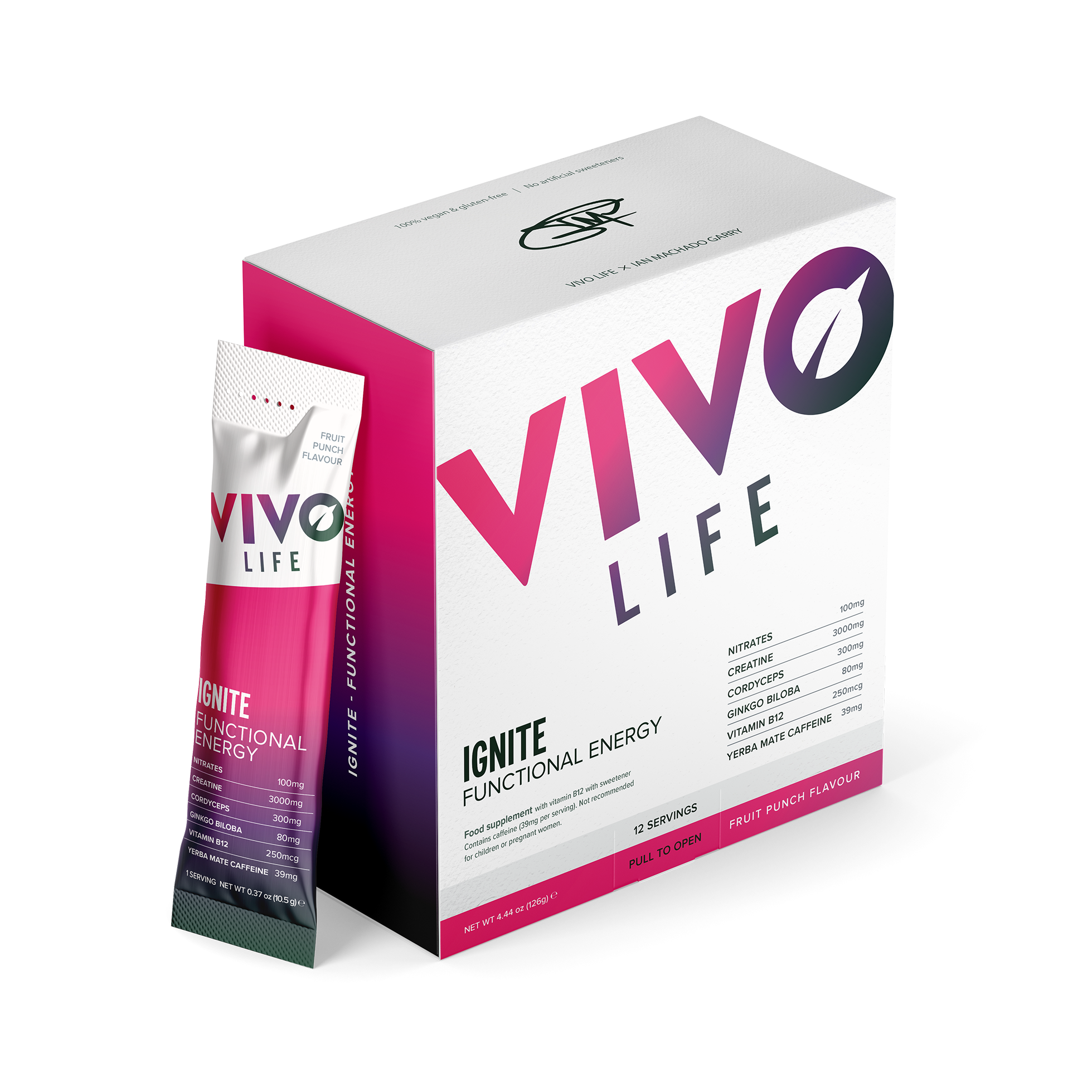
For energy, IGNITE: Functional energy is an option. This is where reading the panel matters most: check stimulant quantities, serving size and whether it fits your tolerance. A functional blend can be useful before a demanding afternoon, but it should not become a way to cover chronic sleep debt. The same principle applies to the broader energy range: targeted convenience is a plus, while vague promises are a reason to pause.
- Use electrolytes for heavy sweating, not as compulsory flavoured water.
- Use energy products early enough to judge your response.
- Do not combine several stimulant products without checking totals.
- Keep the rest of your hydration and sleep routine in view.
Our recommendation
- Pros: plant-based range, UK-made positioning, convenient formats, transparent starting prices and a useful guarantee.
- Cons: bundles can encourage overbuying, some benefit claims are broad, and value depends heavily on serving details.
- Best fit: people with a specific nutrition or convenience need who will read labels.
- Skip it if: you are hoping one powder will replace sleep, meals or medical advice.
My evidence-led verdict is that Vivo Life is worth investigating, especially for Clean Protein, a convenient B12 format or Sustain Electrolytes used for the right activity. I would start with one product, compare the serving economics and give it a fair routine-based trial. Buy the use case, not the hype. That is a more defensible recommendation than treating every mushroom, vitamin and powder as essential.
FAQ: Is Vivo Life suitable for vegans?
The range is presented as plant-based and made in a certified vegan facility. Check the individual product label if you have a specific allergy or dietary restriction.
FAQ: Which product should I try first?
Start with the product that matches a clear need. Clean Protein is the easiest nutrition test, while Liquid B12 Complex is the simplest format-led choice.
FAQ: Are the prices fixed?
Prices can change with promotions, subscriptions and pack size. Check the live product page before deciding, particularly when comparing a bundle with individual items.
If the range fits your routine, compare the full label and current price before adding anything to your basket.