

Some cooking brands sell a product. Milk Street Kitchen sells a way of looking at the kitchen: stay curious, borrow techniques from around the world, and choose equipment that earns its place in a busy home. The name grew from Christopher Kimball’s Milk Street cooking company in Boston, whose recipes, television, radio, magazine, school and store all point toward the same idea. Food should feel interesting but achievable.
That makes the brand worth knowing even if you are not ready to fill a drawer with new gear. The store brings together original tools, cookbooks, pantry ingredients, tabletop pieces, gifts and digital lessons. A first visit can be a little broad, so this guide explains what the brand stands for, what is actually in the range, and which kinds of shoppers are most likely to appreciate it.
The idea behind Milk Street Kitchen
Milk Street’s point of view is global flavor without unnecessary fuss. Its editorial work often takes a familiar home-cooking problem and solves it with a technique, ingredient or shortcut borrowed from another food culture. The store follows that editorial sensibility. It is less about collecting impressive objects and more about finding a useful answer to a real cooking task.
- Global perspective: recipes and products look beyond a single culinary tradition.
- Practical design: tools are selected for leverage, control, speed or versatility.
- Teaching built in: cookbooks and digital classes help explain how to use what you buy.
- Curated discovery: the pantry includes makers and ingredients that are not always easy to find locally.
That combination is the brand’s strongest differentiator. You can browse a knife, then read a guide about knife shapes; discover a pantry ingredient, then find a recipe that gives it a job. The Milk Street Pasta Pot is a good example of the approach: it is not just cookware on a shelf, but a response to the everyday annoyance of lifting hot pasta and managing a separate colander. The listed price is $99.95, so the value depends on whether that repeated convenience matters in your kitchen.
A range organized around how people cook
The store is broad, but its categories make more sense when you think in cooking habits rather than product types. Milk Street Kitchen covers the tools that sit between inspiration and dinner: the knife you reach for, the pan that handles a quick meal, the pantry item that changes a sauce, and the book that gives you a new method.
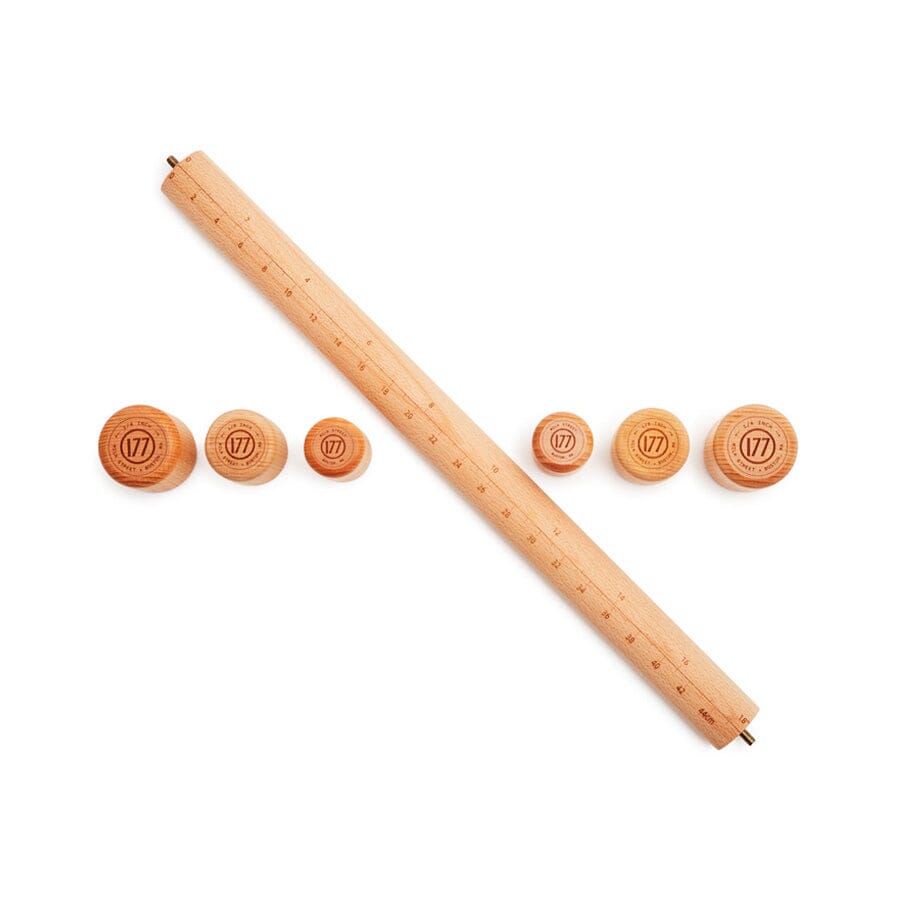
- Cookware and tools: pans, shears, peelers, rolling pins, scrapers and task-specific helpers.
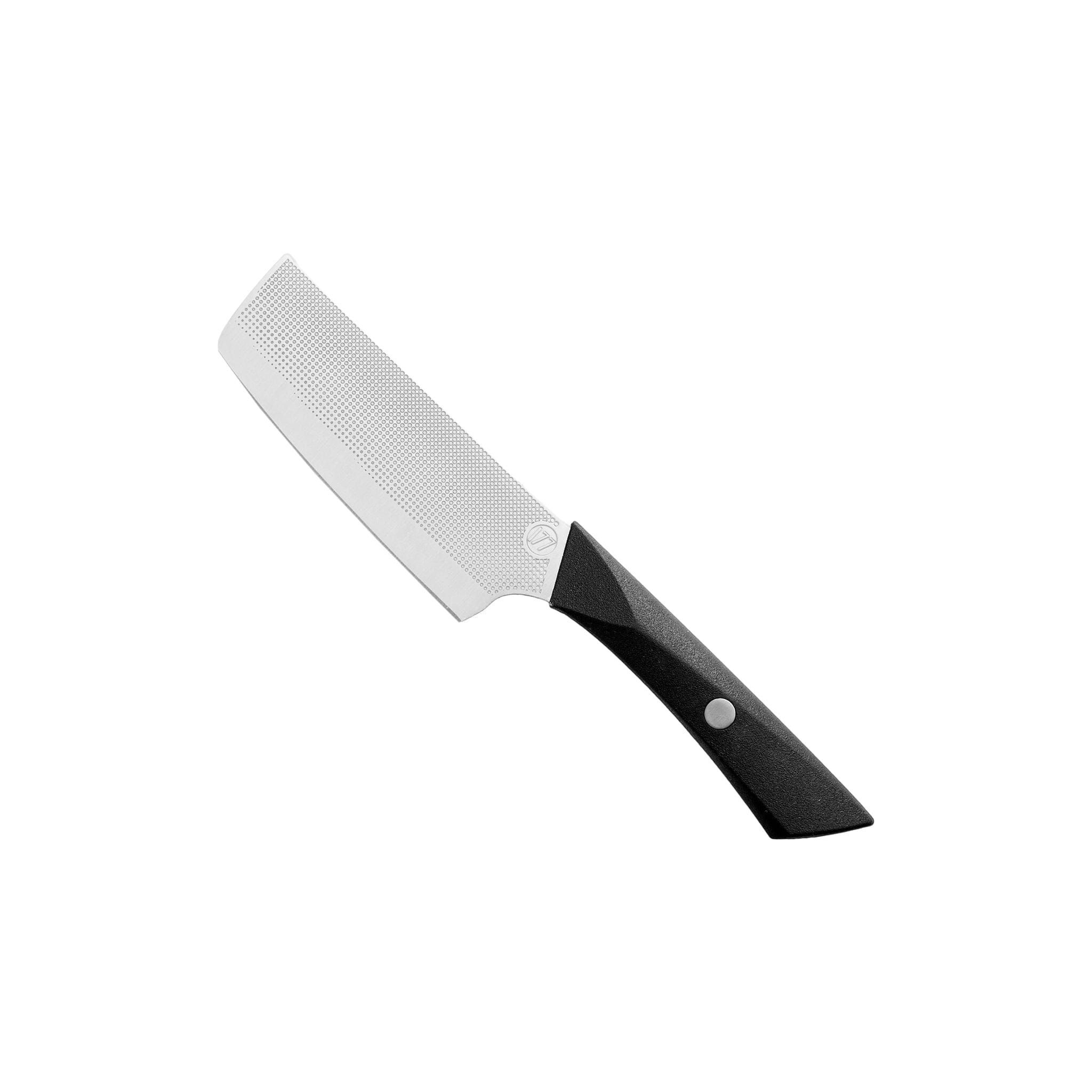
- Knives and sharpening: Japanese-style and Western-inspired shapes for different prep jobs.
- Pantry: sauces, spices, oils, vinegars, tinned fish, sweets and global ingredients.
- Cookbooks and classes: structured ways to build confidence beyond a single recipe.
- Tabletop and gifts: bowls, linens, serving pieces and considered presents for food lovers.
This is also why the brand can suit different budgets. A shopper can start with a $28.46 peeler, choose a $69.95 utility knife, or make a larger investment in cookware. The useful question is not whether every item is essential. It is which cooking friction you want to remove first.
Three products that explain the point of the range
For a first-time reader, a few concrete products make the brand’s philosophy easier to understand. They show the balance between distinctive design, everyday usefulness and a little extra curiosity.
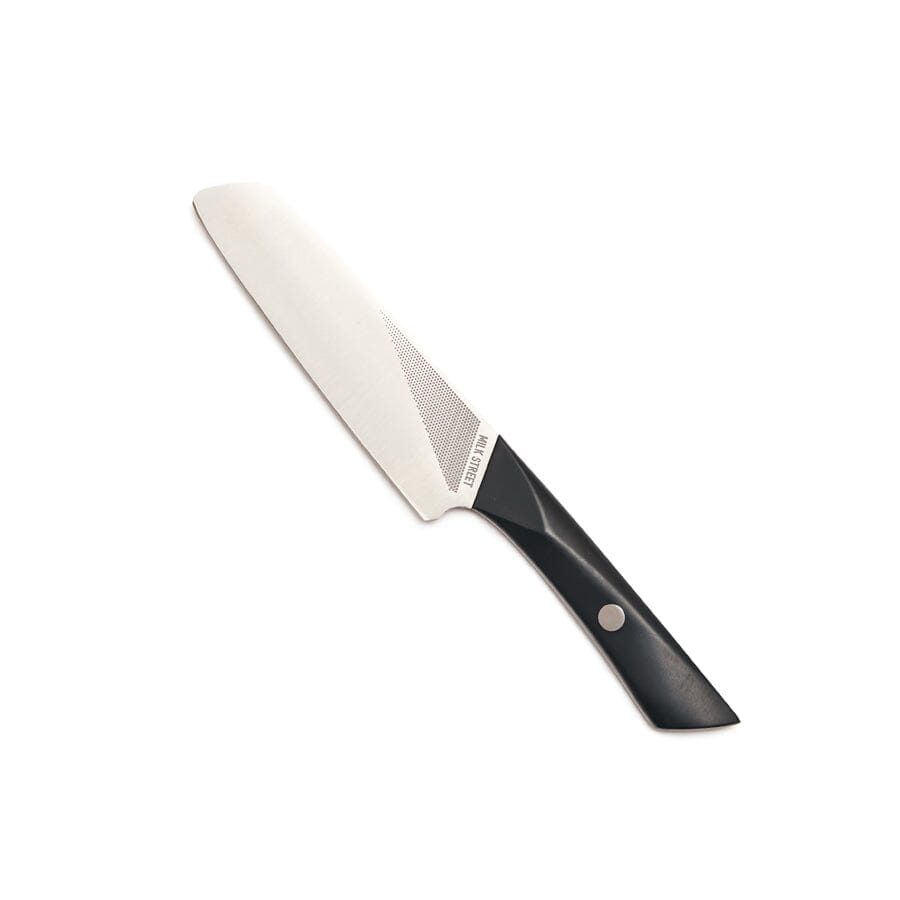
Start with compact prep. The Milk Street Kitchin-tan Japanese-Style Utility Knife is a 5.5-inch knife listed at $69.95. Its smaller profile sits between a paring knife and a chef’s knife, making it a sensible choice for herbs, fruit, shallots, sandwiches and other jobs where a large blade feels cumbersome. The page describes a lightweight 100-gram body and a 1.5-millimeter spine, details that explain its nimble character.
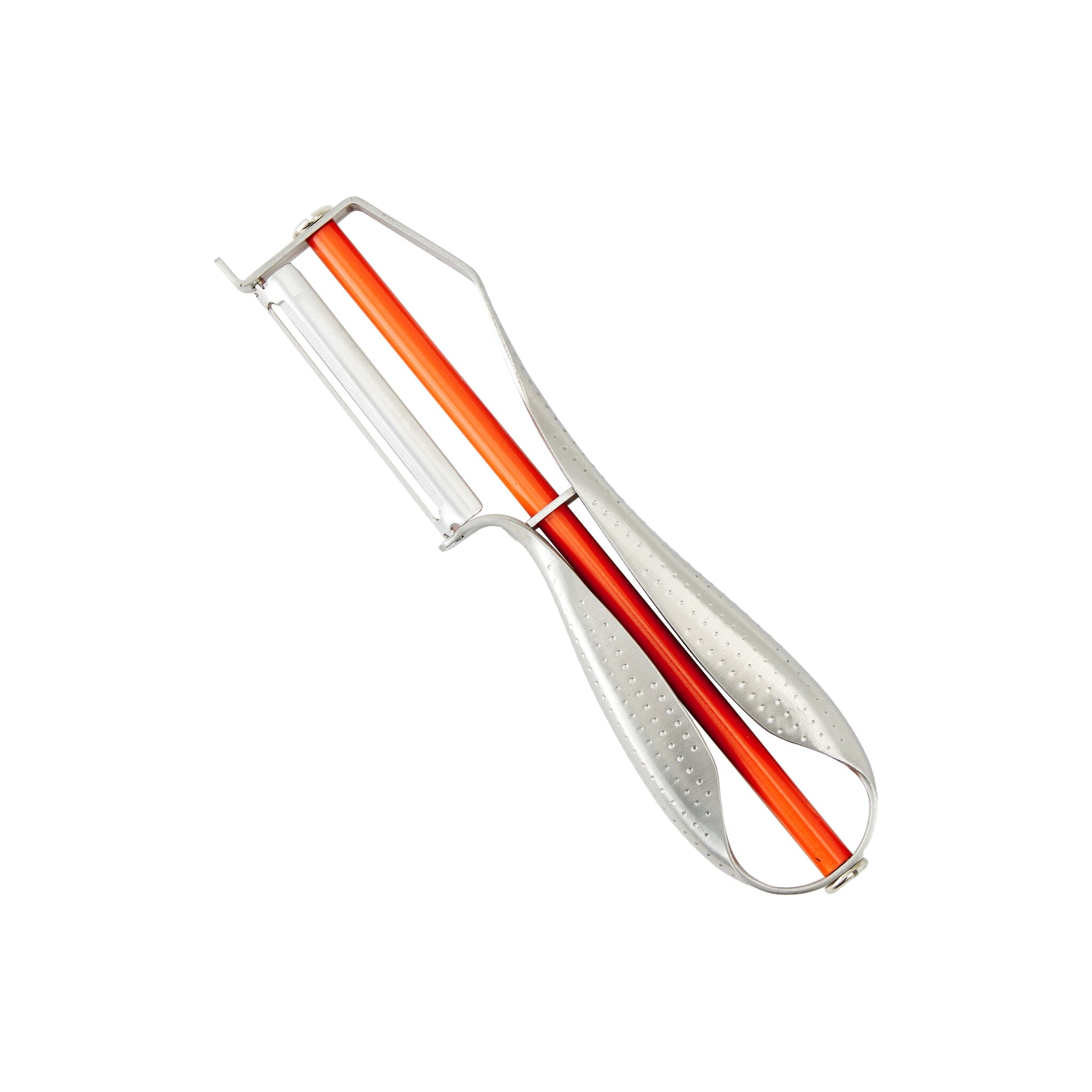
Add precision where it counts. The Milk Street Straight Precision Peeler is a focused tool rather than a drawer of gadgets. At $28.46 on the live listing, it is aimed at peeling vegetables cleanly and consistently. That may sound modest, but a comfortable, dependable peeler is one of those small upgrades that gets used several times a week.
Choose a tool for awkward cuts. The Milk Street Kitchen Shears are listed at $79.95 and built around more demanding prep. Their German steel blades, micro-serrated grip and stout pivot are intended for poultry, fish, herbs, parchment and other slippery or resistant materials. They show how function leads the design across the range.
- Choose the Kitchin-tan when you want nimble, small-board prep.
- Choose the Straight Precision Peeler when repetitive vegetable prep is the annoyance.
- Choose the Kitchen Shears when joints, fins, parchment or herbs are the problem.
- Choose the Pasta Pot when draining and transferring pasta is a weekly chore.
Those choices are deliberately different. A first purchase should match a habit you already have, because that is where a well-made tool feels most rewarding. You can also compare the Pasta Pot with the rest of the cookware range if your priority is one-pot meals rather than knife work.
The learning side is part of the product
It would be easy to describe Milk Street as an online kitchen store and miss half the story. The brand also offers recipes, a television presence, radio, a magazine, tours, a cooking school and digital classes. That matters because the range is designed to be used, not merely admired. A better knife is more valuable when you understand the cut it makes easier.
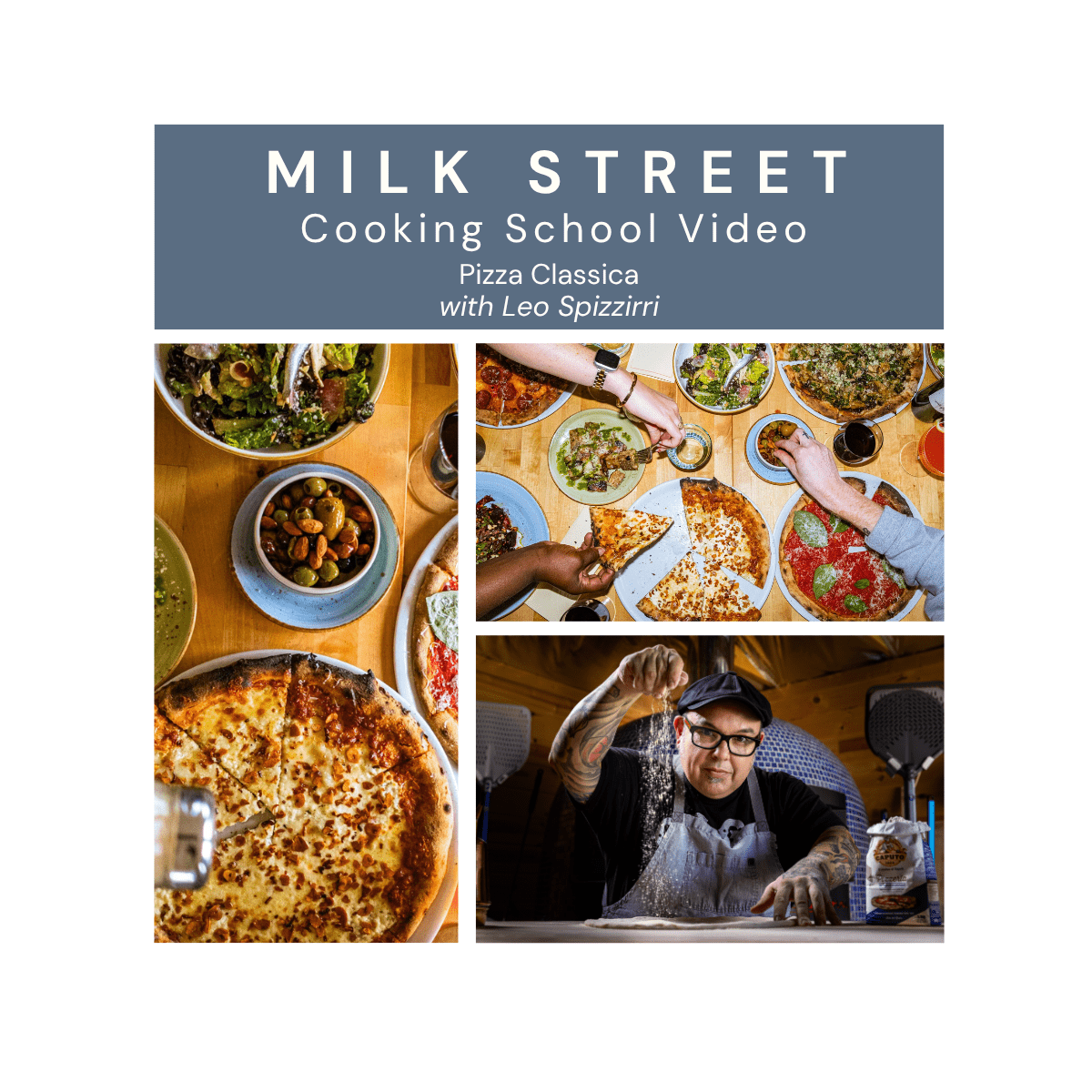
The educational approach is especially helpful for cooks who are moving beyond basic recipes. A digital class can give a technique some context; a cookbook can turn one unfamiliar ingredient into several meals. The store’s digital cooking classes include focused subjects such as pizza, spices, sourdough and ice cream. That range of topics reinforces a learn by doing attitude rather than a one-size-fits-all method.
- Pick a cooking problem you meet often.
- Find the tool, ingredient or class that addresses that problem.
- Use the related recipe or lesson before deciding whether you need more.
- Build your collection around repeat use, not novelty.
This is where the brand feels most approachable. You do not need to identify as a serious chef. You only need to be interested in making one part of dinner easier or more flavorful. The cookbook collection and pantry selection are useful starting points if equipment is not your immediate priority.
Who should pay attention to Milk Street Kitchen?
Curious home cooks are the obvious audience, especially people who want international ideas presented in a manageable way. The range also works for thoughtful gift shopping because it spans a small peeler, a striking knife, a useful pan, a specialty ingredient and a class. You can browse Milk Street gifts, tabletop pieces or cookbook sets without having to know exactly what a recipient already owns.
There are sensible reasons to pause, too. Specialty tools may cost more than supermarket basics, and some pantry products are seasonal or limited. Check the live price, stock status and care instructions on the individual Kitchen Shears page or Kitchin-tan page before ordering. The appeal is strongest when the design solves a problem you actually have.
- Best fit: cooks who value technique, discovery and tools with a clear purpose.
- Good first step: one small upgrade used several times each week.
- Best for gifting: cookbooks, pantry treats, tabletop pieces or a digital class.
- Check first: price, availability, dimensions and care requirements on the product page.
My overall verdict is that Milk Street Kitchen is more than a shop. It is an ecosystem for people who like the story behind an ingredient, the reason a tool is shaped a certain way, and the satisfaction of learning one better method. Start with a specific need, then let the wider range introduce you to something new.
Is Milk Street Kitchen only for experienced cooks?
No. The recipes, classes and focused tools are intended to make unfamiliar techniques more approachable. Beginners can start with one practical product or lesson and build confidence gradually.
What is a sensible first Milk Street purchase?
Choose the item that addresses a repeated task. The Straight Precision Peeler is a low-cost entry point, while the Kitchin-tan suits cooks who want a compact everyday knife. Always check the live listing before ordering.
Does the brand sell more than cookware?
Yes. Its range includes knives, tools, pantry ingredients, cookbooks, digital classes, tabletop items, gifts and cookware. That breadth is central to the brand’s mix of education, discovery and practical cooking.