

When a skincare range combines luxury positioning with claims about firmness, radiance and protection, the useful question is what the product information actually lets a shopper judge. We reviewed the EviDenS de Beauté US store pages, not the products themselves.
The range has a discernible structure: targeted face care, daily sun protection and a separate body-care ritual. That makes it easier to see where an item might fit, while leaving the usual gap between a brand’s description and independent evidence of results.
Its identity pairs Japanese skincare expertise with French elegance, and the store describes formulations with ingredients such as Triple Collagen and La Foux Spring Water. Those details make the positioning concrete; they do not, by themselves, establish how a formula performs across different skin types.
This article contains affiliate links. If you buy through them, we may earn a commission at no extra cost to you.
Before you read on
- The Ultimate Shield lists SPF50+ PA++++ UVA and UVB protection.
- The Extreme Cream is positioned as a nourishing, firming face cream.
- The Massage Oil occupies a distinct body-care role.
- The store’s benefit language is useful for understanding intent, but it is brand-provided information, not independent clinical proof.
Where is the range clearest?
The clearest strength is breadth with recognizable roles. A shopper can identify a cream for nourishment, a sunscreen for daytime protection and an oil for body massage without treating them as interchangeable. This is more useful than a shelf of products whose purposes are hard to distinguish.
The store’s Japanese-French positioning is a brand story, while its product architecture provides the practical case. Descriptions refer to hydration, revitalization, firmness and radiance across different steps. Shoppers who enjoy a multi-step routine may find that vocabulary helpful when narrowing down what they want to address.
There is a limit to that clarity: words such as “firming” and “revitalizing” are outcomes the brand says it aims to support. Without published study methods, comparisons or ingredient concentrations on the pages we reviewed, readers cannot use those phrases to estimate the size or likelihood of a result.
Our first read-through suggests three useful filters when comparing the range:
- Function first: choose between protection, facial moisture and body care.
- Claims second: distinguish a listed feature from a promised outcome.
- Routine last: add a step only when it has a clear place.
What do the standout products actually offer?
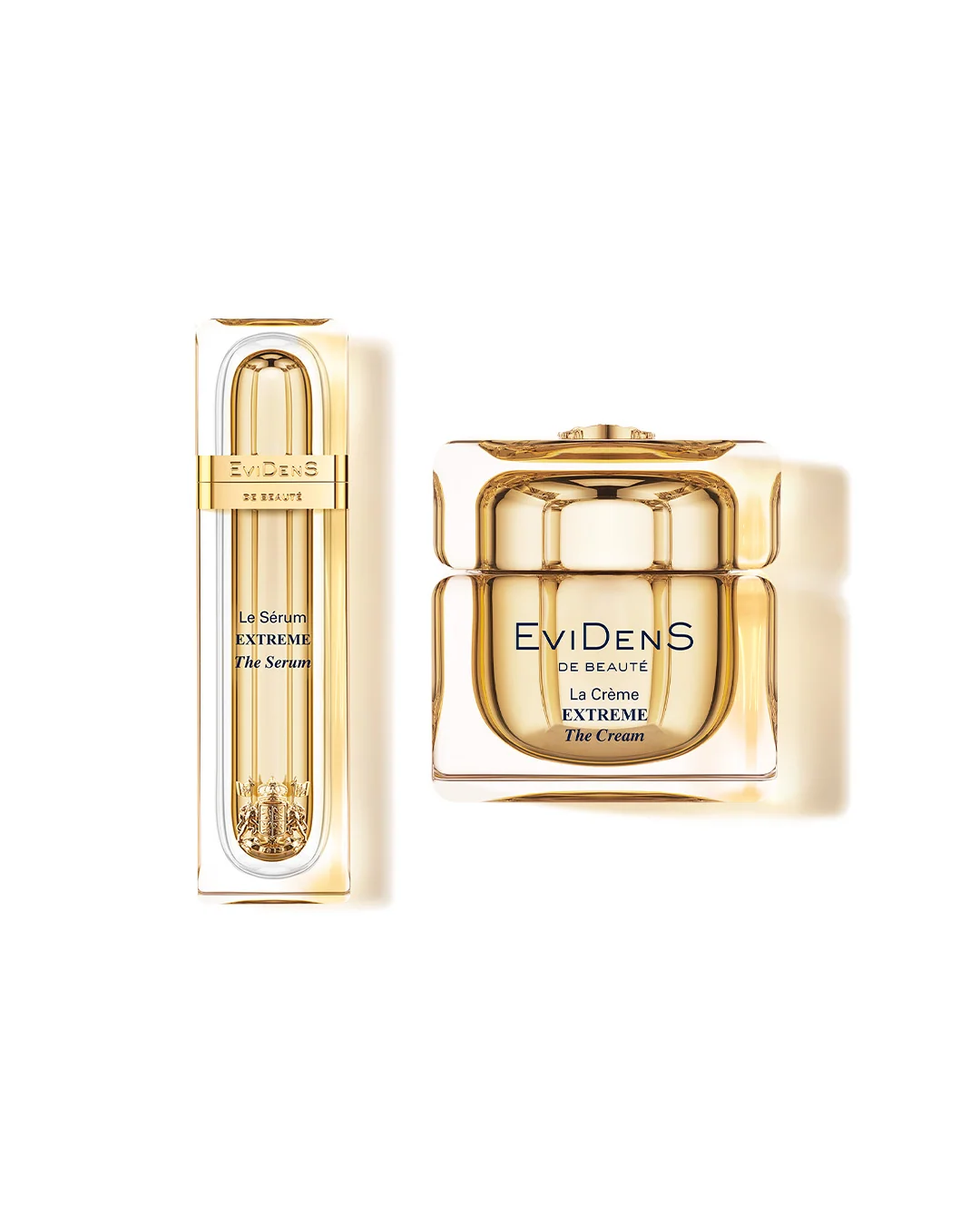
The Extreme Cream is described as a nourishing face cream intended to support firmness, density and radiance. That makes it the range’s most legible choice for someone seeking a richer-feeling care step. Its product information points toward comfort and moisturization, but does not tell a reader whether the texture will suit oily skin or how it compares with a simpler moisturizer. The The Extreme Cream page is the right place to inspect its current formula and format details.
For daytime care, The Ultimate Shield lists SPF50+ PA++++ and UVA/UVB protection. The page also mentions Triple Collagen and La Foux Spring Water, alongside hydrating and revitalizing benefits. The protection rating is a concrete point of comparison; the broader skincare benefits remain the brand’s stated claims. Check the product listing for its directions, availability and current details before deciding whether it fits your routine.
The Massage Oil broadens the range beyond facial skincare. Its name and placement make its role straightforward for shoppers who want a body massage product, but the information available here does not support claims about therapeutic effects or a particular massage technique. Readers comparing face-care formulas should treat it as a separate category, and can review the oil’s product page for current details.
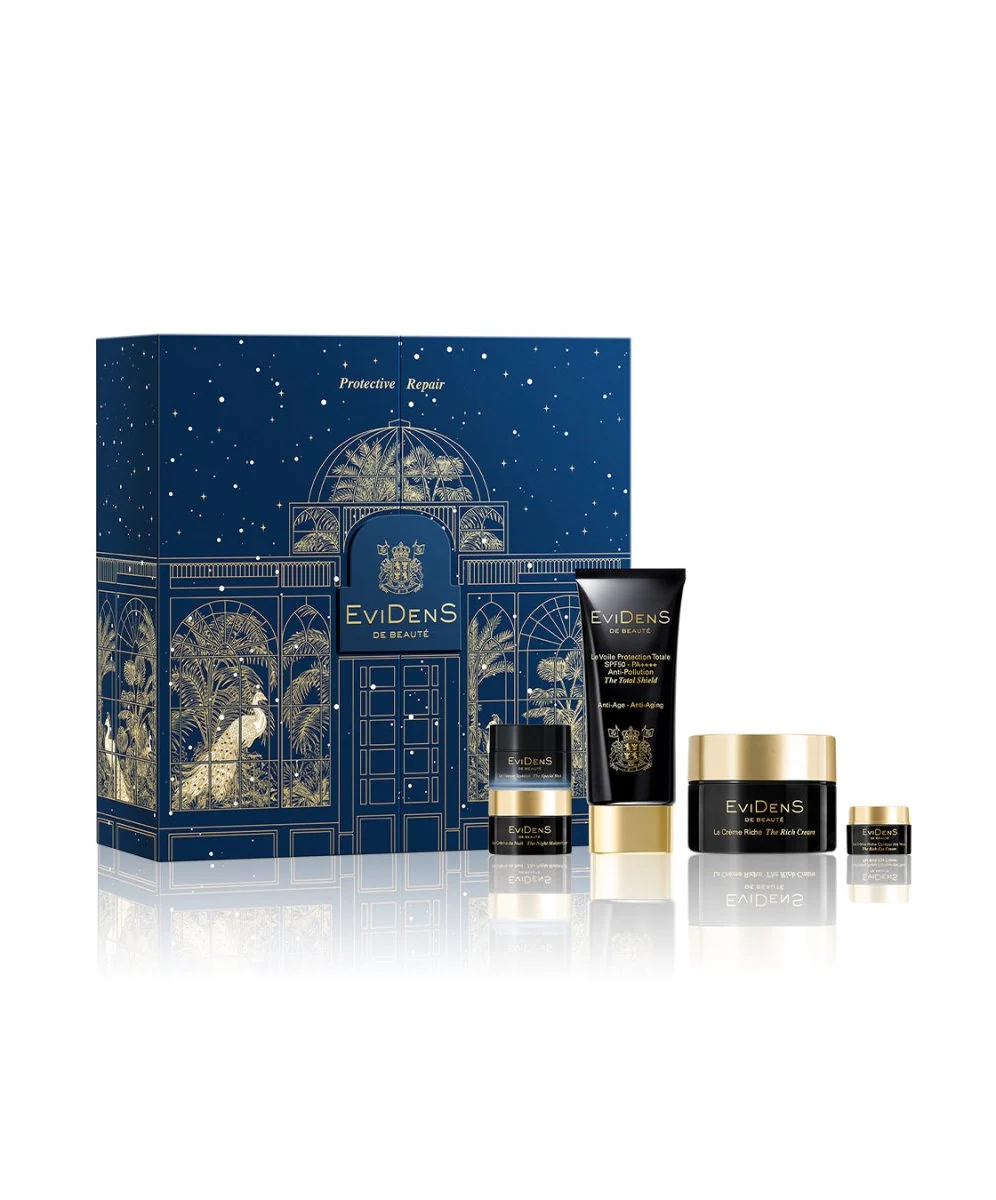
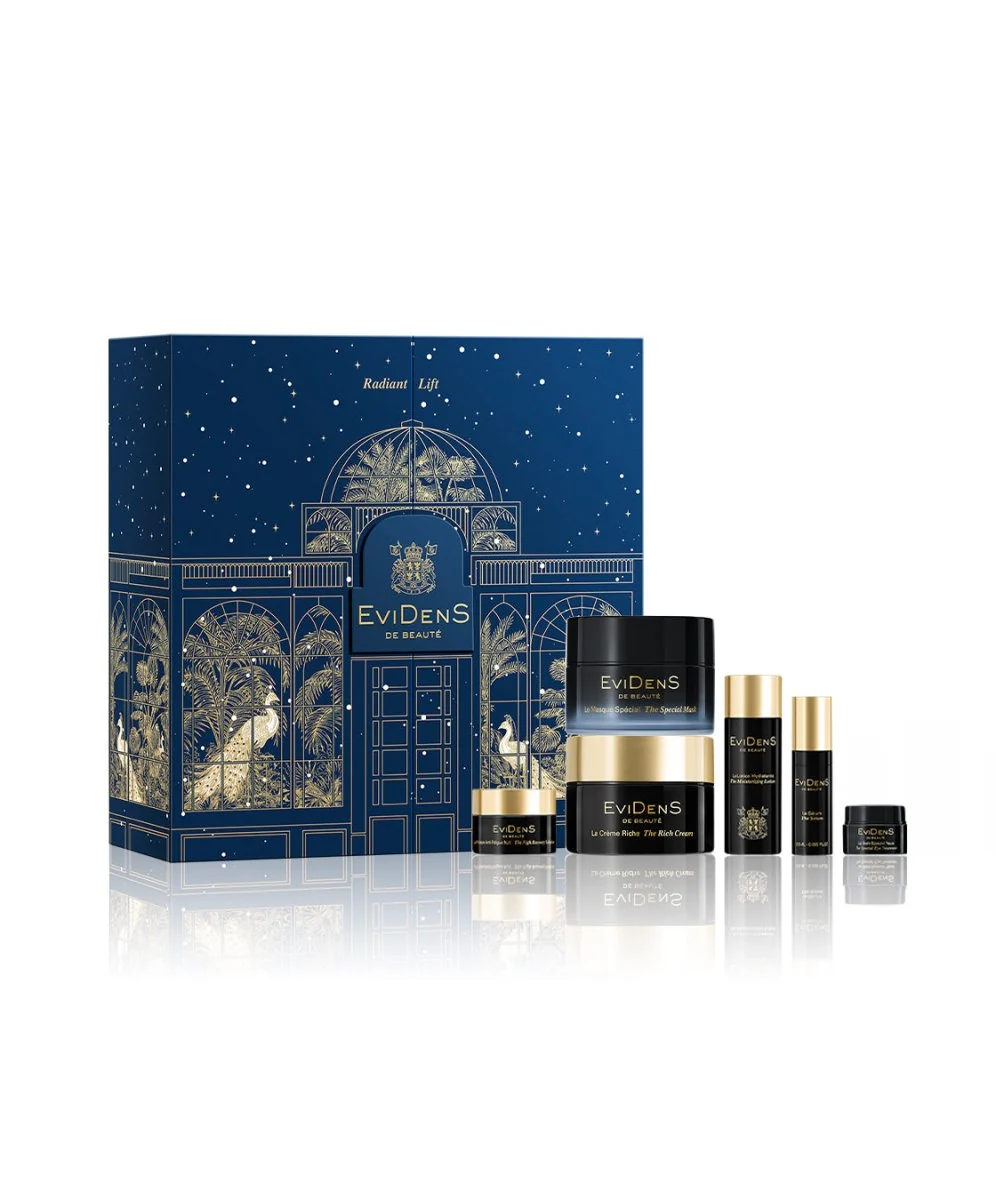
The broader assortment includes named routine bundles, including The Extreme Duo and The Supreme Trio. These can reduce the work of assembling several related steps, but a bundled routine is only useful when its products answer needs the buyer already has. The visual grouping on a store page does not establish that every component is necessary.
Before choosing a set or individual item, we would check:
- Whether the product’s stated role fills a real gap in the routine.
- Whether the current product page lists the ingredients and directions you need.
- Whether any protection claim matches your daily use and reapplication habits.
- Whether a multi-item set includes steps you would otherwise skip.

That checklist matters because the range spans different jobs rather than one universal routine. Someone focused on daily sunscreen has a more specific starting point in The Ultimate Shield than in a treatment cream. Someone whose priority is a richer moisturizing step can compare The Extreme Cream with the basics already in their cabinet. And if the goal is body massage, The Massage Oil is more relevant than either face product.
There are also three sensible questions to keep close while browsing:
- Can I explain why this product belongs in my routine?
- Does the ingredient list answer my own suitability questions?
- Am I comfortable treating the stated benefits as brand claims?
That single-product approach is especially practical with The Extreme Cream: the store describes a nourishing cream, which gives the shopper a clear role to evaluate. Compare that role with a moisturizer already in use before adding another layer.
For daily protection, The Ultimate Shield has the strongest easily identifiable specification in the range. Its store page should still be checked for directions and availability, and the listed rating does not remove the need to follow the product’s use instructions.
In short, the store pages make a stronger case on product roles than on proven outcomes:
- Strength: clear distinctions between face care, sun protection and body care.
- Strength: a specific SPF and PA rating for The Ultimate Shield.
- Strength: ingredient and routine language that helps explain brand positioning.
- Limit: no independent performance evidence in the pages reviewed.
- Limit: personal texture and ingredient suitability remain individual questions.
Where should a careful buyer pause?
The main reservation is evidential, not a claim that the products fail. The product pages we reviewed explain intended benefits and selected formula details, but they do not provide independent clinical results that would let us verify anti-aging, firming or radiance outcomes. The distinction matters especially when a premium range uses confident benefit language.
A second consideration is fit. Product descriptions cannot predict whether a rich cream feels comfortable on an individual’s skin, whether an ingredient is suitable for them, or how a product layers with other formulas. Readers with sensitivities or a specific skin concern should examine full ingredient information and, when appropriate, consult a qualified clinician.
Finally, luxury positioning often means a shopper should think about the cost per routine step, not just a product’s headline. We avoid quoting a fixed figure because store listings can change. Instead, compare the current listing for an individual item with the contents and sizes of a set, then decide whether the additional steps have a clear purpose for you.
Which readers are most likely to find a fit?
The range makes the most sense for shoppers who value a premium presentation, want clearly differentiated routine steps and are comfortable evaluating brand-authored claims without treating them as proof. Its best practical case is in specific needs: high-rated sun protection, a nourishing cream or a dedicated body oil.
It is a less obvious fit for someone who wants a minimal routine, expects independent comparative data before buying, or needs a product selected around a diagnosed skin condition. A plain moisturizer and a separate broad-spectrum sunscreen may be easier to assess against those priorities. EviDenS de Beauté offers a more curated experience, but that does not make every step essential.
For a first purchase, our editorial preference is to start with the single step that answers the clearest need. That keeps the decision tied to a product’s role rather than to the appeal of an entire matching routine. Review the exact store listing for ingredient details and current availability before committing.
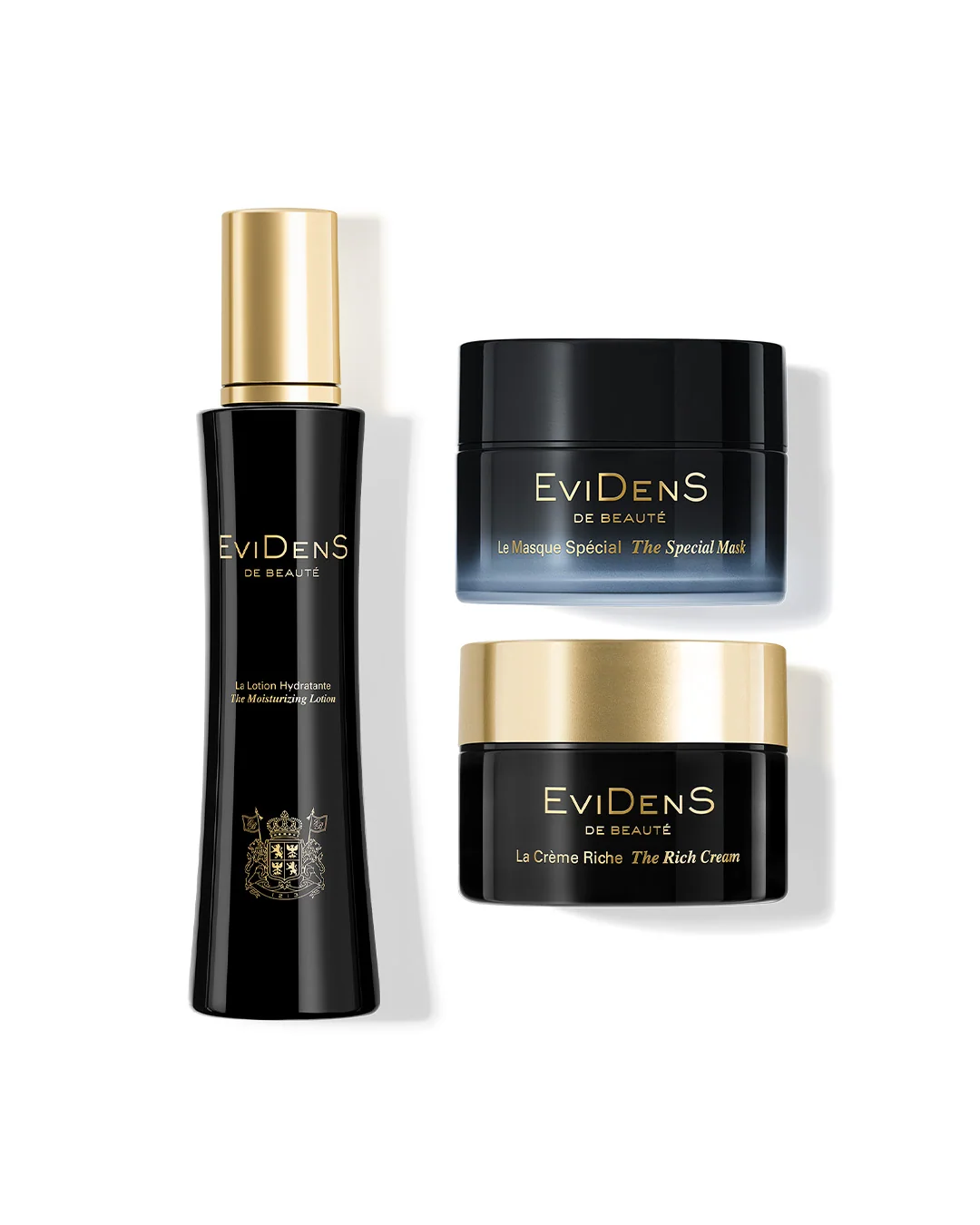
The store’s curated sets may suit a shopper who already knows they want several linked steps. Even then, check what each product contributes: hydration, targeted treatment, cream or protection are different jobs. A coordinated collection is most persuasive when it maps to an actual routine, not simply because the products are presented together.
Does the store prove the products’ anti-aging results?
No. The pages describe intended benefits and formula features, but the information reviewed does not provide independent clinical evidence establishing the size of those results.
Which product has the most concrete specification?
The Ultimate Shield lists SPF50+ PA++++ and UVA/UVB protection, giving shoppers a more specific protection detail to assess than general radiance or firmness language.
Should a new shopper start with a set?
Only if the included steps match needs they already have. A single clearly relevant product can be a more straightforward first choice than a routine bundle.
Body care follows a different decision: The Massage Oil is relevant when the shopper specifically wants an oil for massage. Its role is easy to understand, while claims beyond that basic purpose would need more detail than the page information we reviewed provides.
Our recommendation
We recommend considering EviDenS de Beauté selectively, by routine role. The range’s clearest strengths are its organized face and body care, a distinctive luxury identity and a concrete sun-protection specification in The Ultimate Shield. The Extreme Cream is a reasonable candidate for shoppers seeking a nourishing cream, while The Massage Oil serves a separate body-care purpose.
The honest limit is that polished product descriptions do not establish independent results or personal suitability. Start with the need you can name, review the ingredients and directions, and check the current store details before choosing. For readers who value curation and accept that evidence boundary, the range merits a closer look; readers seeking clinical comparisons or a minimal routine may prefer to keep their search narrower.