

Choosing swimwear online often comes down to a few practical questions: what is the fabric, how much coverage does the cut offer, and can you tell whether the design suits your plans?
We reviewed the information on Berlook‘s US store, looking at its swimwear and beachwear range rather than relying on claims about wearing or testing the pieces. The product pages make fabric composition visible and include a mix of one-pieces, separates and cover-ups, giving readers concrete details to compare.
The trade-off is familiar with online swimwear: a materials list and product image cannot settle personal questions of support, feel or fit. This review weighs what the listings establish, where choice is useful and what shoppers should verify for themselves.
This article contains affiliate links. If you buy through them, we may earn a commission at no extra cost to you.
Before you read on
- Berlook sells mix-and-match bikini separates, one-pieces and beach layers.
- The Navy Mesh Cross Back Tummy Control One-Piece Swimsuit lists recycled polyamide blends across its fabric and lining.
- The Green Gingham Textured Strappy Bikini Top provides a separate-top option with a textured pattern.
- The Wine Red Plunging Button Front Beach Dress adds a viscose-linen cover-up choice.
- Support, coverage and fit remain style-specific, so check each product page before deciding.
What can shoppers learn from the product pages?
The strongest part of this assortment is the amount of garment-level information available. Listings describe material blends and linings, which is more useful than a broad label such as “swimwear” when comparing how a garment is constructed. Selected styles use recycled fibers, a detail the brand identifies on its pages. That is a specific material attribute, not proof that every part of the supply chain or every item meets the same standard.
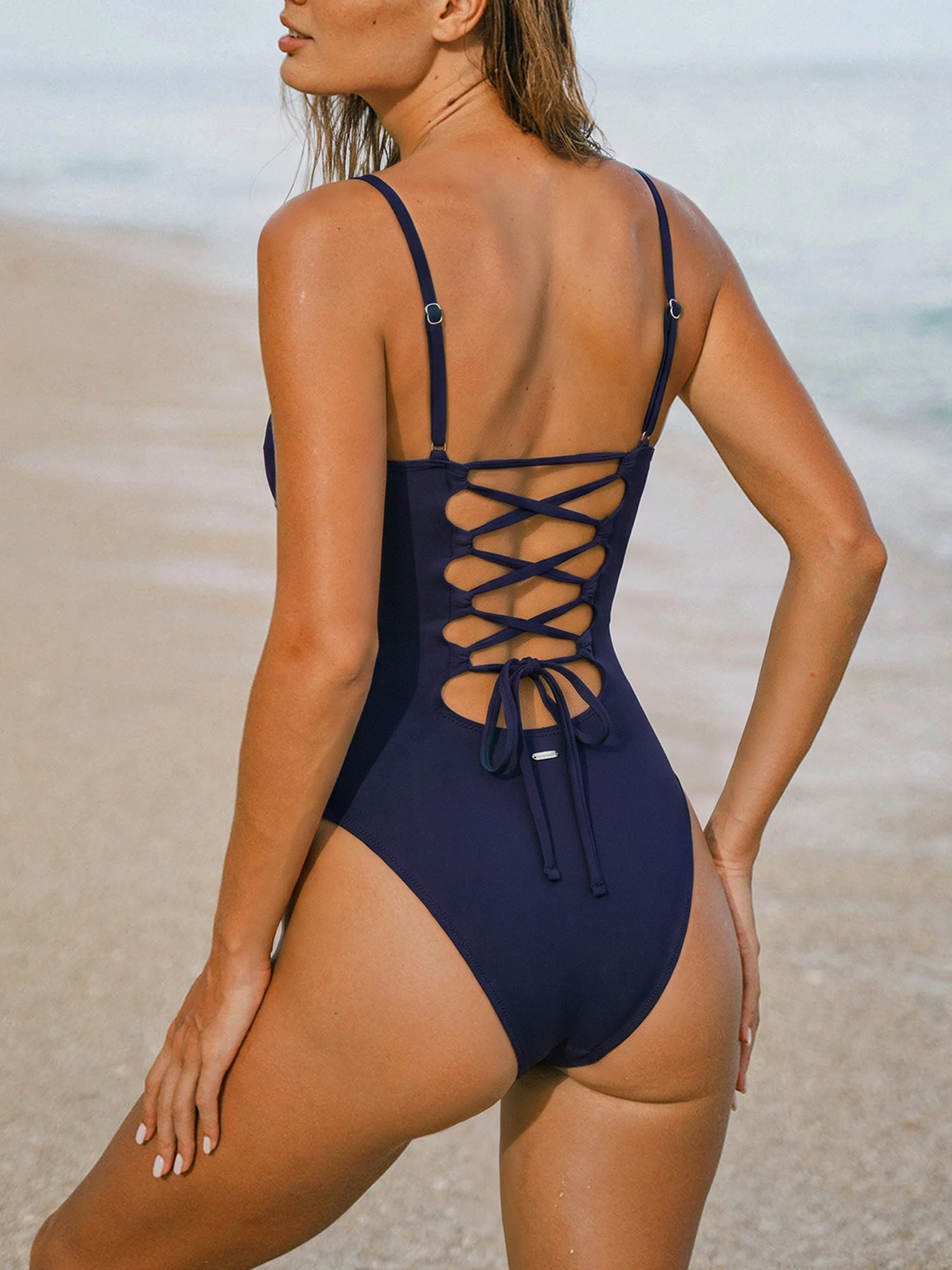
For example, the Navy Mesh Cross Back Tummy Control One-Piece Swimsuit lists recycled polyamide and spandex in its main fabric and lining, with additional fabric and lining components. The name signals a cross-back design and mesh detailing. Those clues help a shopper judge the style direction, but they do not quantify compression or tell every body how the straps will sit.
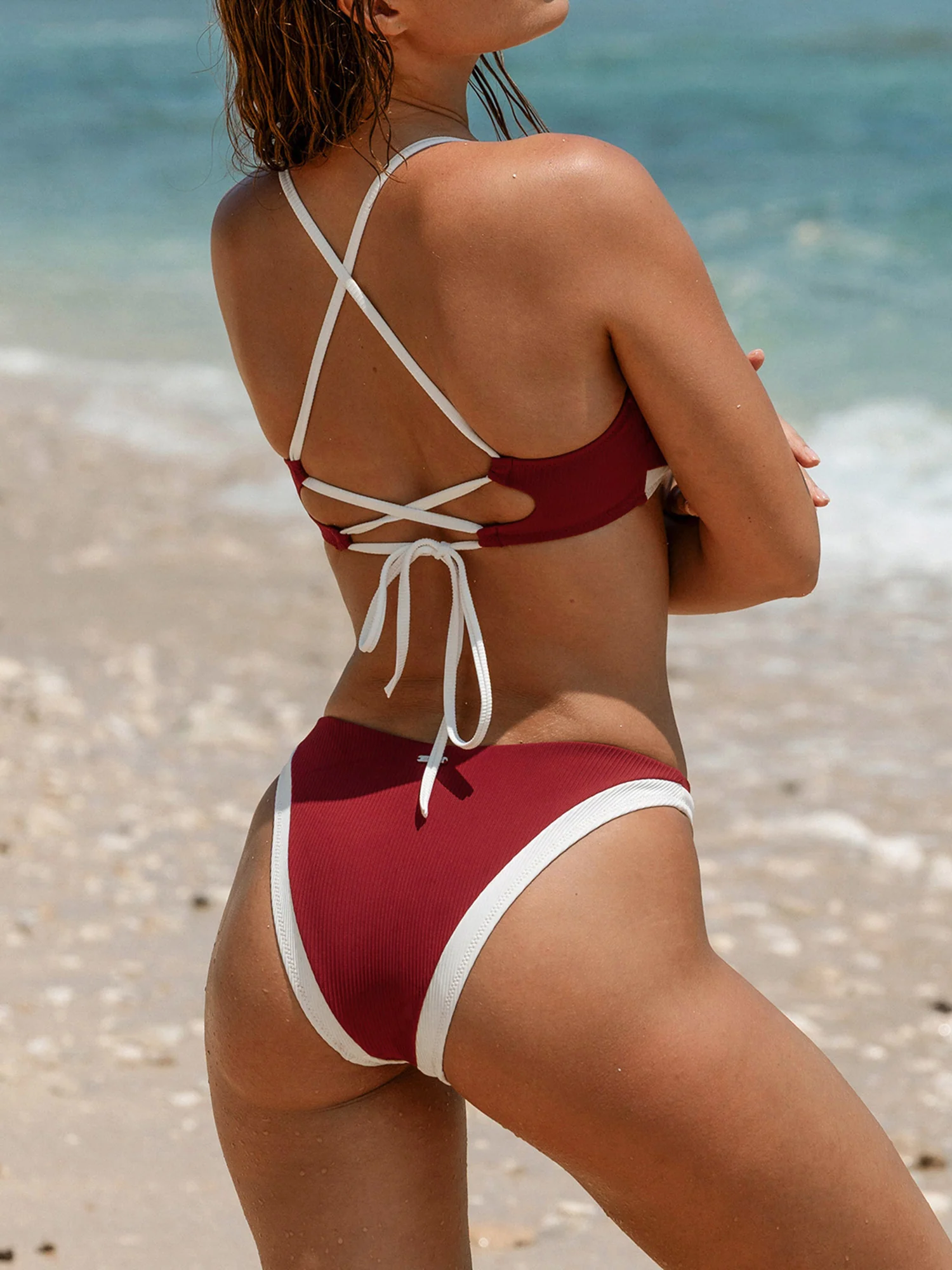
Separate listings let shoppers make a set around their preferred shape and coverage. The Green Gingham Textured Strappy Bikini Top pairs a polyester, polyamide and spandex outer blend with a polyamide-spandex lining. This is a textured, strappy option for someone who prefers a two-piece and wants to coordinate separates. The listing details are a useful starting point; check the matching bottom page independently because top and bottom sizing can differ. It is worth opening the bikini top’s product details alongside its image, and then comparing the cut with the one-piece listing if you are deciding between a two-piece and a connected suit.
Berlook also reaches beyond pieces intended for swimming. The Wine Red Plunging Button Front Beach Dress is described with a viscose and linen blend, placing it in the cover-up category rather than as a technical swim layer. That broader range can make one store useful for assembling a beach outfit, although it also means shoppers should be precise about whether a garment is designed for swimming or for wearing over swimwear. The dress listing offers a different use case from a swimsuit, while the gingham top page is the more relevant starting point for swimming separates.

Another helpful distinction is how a garment’s name guides the first comparison without ending the inquiry. A cross-back describes strap configuration, a plunging front describes neckline, and a button front points to a styling detail. None of those labels promises a particular level of support. Look for lining notes and construction specifics, then use the product photos as visual context rather than a substitute for measurements or written policies.
For shoppers building a small holiday capsule, the separation between swim item and layer is practical: start with the swimsuit or bikini that suits the planned activity, then add a cover-up for transitions. Berlook’s button-front beach dress makes that layering choice visible, while a separate bikini top gives flexibility to pair different pieces. Check each item’s intended use and composition before making a set.
Where does the range work well?
The assortment is most persuasive for shoppers who like choosing between silhouettes instead of defaulting to one standard cut. One-pieces and separate bikini pieces serve different preferences, while cover-ups extend the selection into time spent out of the water. Product titles often make the principal design feature legible, and fabric breakdowns add a second layer of comparison.
- Look at one-pieces if you prefer a connected suit and want to compare back designs.
- Choose separates when top and bottom silhouettes matter independently.
- Consider a beach dress for coverage between swimming and other activities.
- Open each garment’s details to confirm lining and fiber composition.
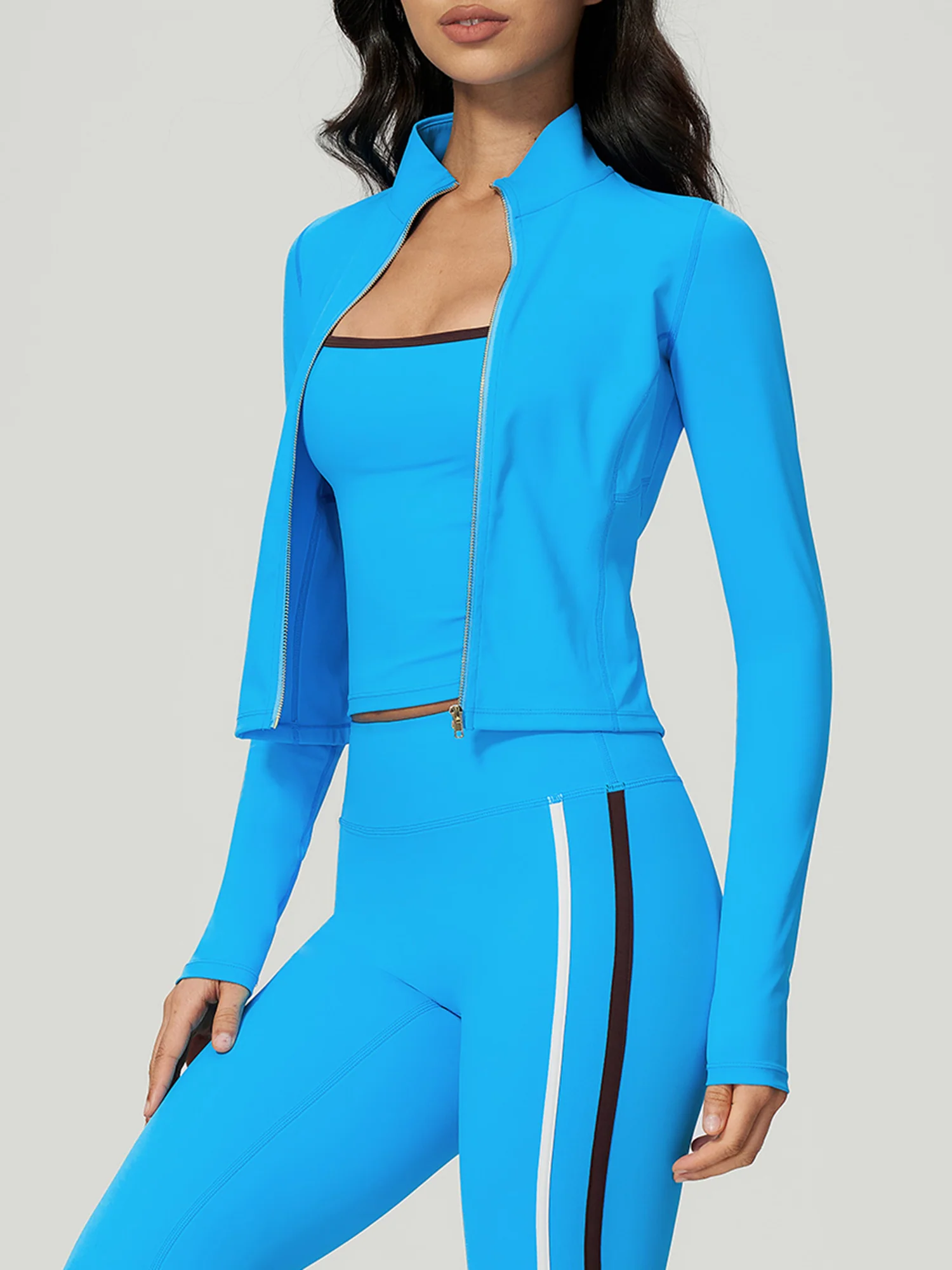
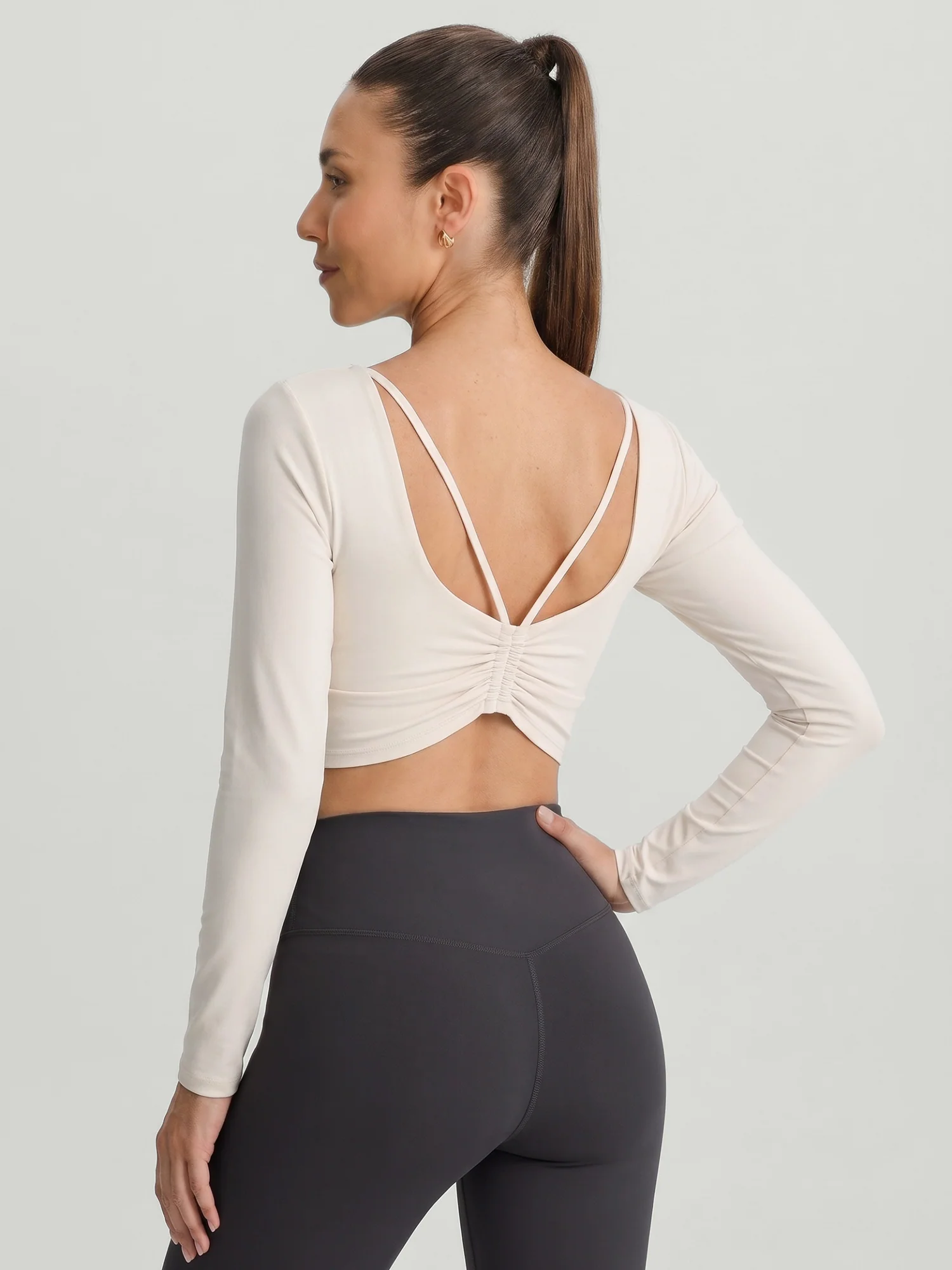
The visual range also gives shoppers a sense of different styling directions. The gingham option offers a pattern-led look, while contrast-trim styles bring a different finish. For a broader wardrobe, Berlook lists activewear too, including a blue zip-up yoga jacket and a white ruched long-sleeve top. That breadth is convenient for browsing, but the swimwear pages remain the more relevant place to assess a swimsuit purchase. Shoppers can compare the textured bikini option with the cross-back suit while keeping the activewear pages separate from their swimwear shortlist.
For a buyer who wants an outfit layer, the dress listing is more directly relevant than activewear. It describes a viscose-linen blend, which gives a concrete basis for comparing it with synthetic swim pieces. Fiber content alone does not tell you how opaque, airy or wrinkle-resistant it will feel, so treat that as useful context rather than a performance guarantee.
What should shoppers keep in mind?
The clearest limitation is that online product information cannot replace a reliable fit reference. A design name may mention tummy control or a cross-back, but shoppers still need to review the size chart, garment measurements where offered, model details and return terms. Those are especially important for swimwear because strap placement, torso length and preferred coverage vary substantially from person to person. A shopper comparing the mesh cross-back style with the strappy separate should consider how each design aligns with their own preferred coverage, rather than treating the product names as a fit promise.
There is also a difference between a materials claim and a complete sustainability assessment. Berlook identifies recycled fibers in selected items, which is relevant when comparing those products. The pages reviewed do not establish that every product uses recycled content, nor do fabric percentages alone explain sourcing, durability or end-of-life impact. Readers prioritizing those questions should look for item-specific documentation rather than generalizing from one listing.
Finally, keep the categories straight. A beach dress can be a helpful layer but is not a substitute for a lined swimsuit. Likewise, one bikini top does not tell you which bottom will provide your preferred coverage. Browse the linked item pages, check how a set is sold and confirm whether matching separates need to be selected individually. The top listing and the cover-up listing should be judged by their intended use, construction and specific care details, not simply by their place in the same range.
- Confirm the size guidance for the exact item and consult the store’s current return information.
- Check whether matching bikini bottoms are a separate product.
- Read the full fabric and lining details rather than relying on the product name.
- Review current price and availability on the US product page before checkout.
Frequently asked questions
Does Berlook sell both one-pieces and bikinis?
Yes. The US store lists one-pieces as well as separate bikini tops and bottoms. Availability and matching options can vary by style, so check the specific product listing.
Are recycled materials used across the whole range?
The product details identify recycled fibers for selected swimwear. Check each item’s fabric composition; the information on one product should not be assumed to apply to every style.
How should I choose a Berlook swimsuit size?
Use the size chart and any garment measurements on the exact product page, then compare them with your own fit preferences. Product names and photos cannot guarantee personal fit.
Our recommendation
Berlook is worth considering for shoppers who value a varied swim and beachwear assortment and want fabric information at the individual-product level. The mix of silhouettes, separate pieces and cover-ups makes it easier to narrow in on a style preference, and the named products give useful examples of how construction varies. The one-piece details, bikini listing and beach dress page provide a practical sample of that breadth.
Its limit is that the online listings cannot answer personal fit and support questions on their own, while recycled-fiber details apply to selected items rather than the entire range. We recommend comparing the size guidance, lining and return terms on the exact product page, then checking its current price before choosing.