
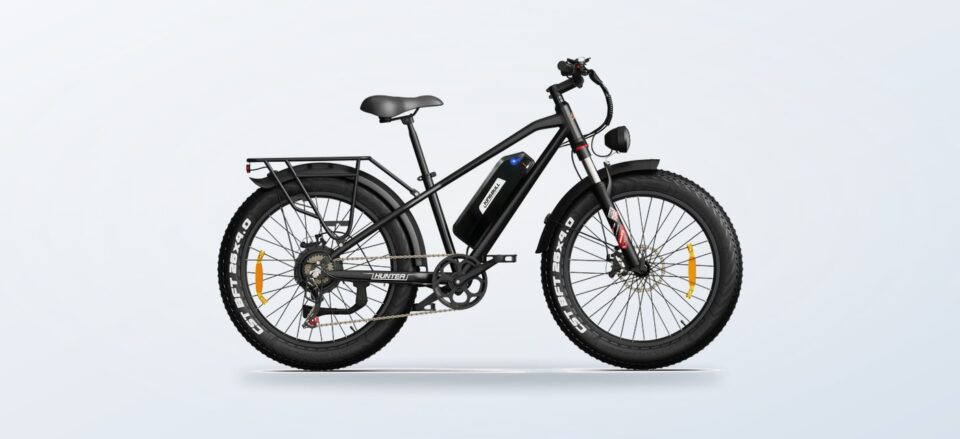
A fat-tire e-bike can look ready for everything in a product photo, but the right choice depends on a more ordinary question: where will you ride it, and where will it live when the ride is over?
We reviewed Kingbull Bike’s US product information to see how its range separates by use case. The strongest distinctions are practical: suspension and power figures on the Ranger, a moped-style format on the Expedition, and a folding frame on the Literider 2.0.
That makes the range easier to shortlist than a wall of similar-looking bikes, though published specifications do not tell the whole ownership story. We look at what the brand says, where the information is useful, and what a buyer should confirm directly before committing.
This article contains affiliate links. If you buy through them, we may earn a commission at no extra cost to you.
Before you read on
- Kingbull Ranger lists a 750W motor, 1300W peak output and 85 Nm torque, making it the most specification-forward trail option here.
- Kingbull Expedition is positioned as a full-suspension, moped-style all-terrain bike; check its dimensions and weight for your storage and transport setup.
- Kingbull Literider 2.0 combines a folding frame with a removable 48V/720Wh battery, a useful pairing for tighter storage situations.
- Advertised range is conditional. Route, rider load, terrain, assist level and temperature all shape real-world distance.
How does Kingbull Bike divide its range?
Kingbull Bike sells electric bikes across mountain, commuter, moped-style and folding formats. The distinction matters more than the shared fat tires: a bike designed around trail composure may be awkward to store in an apartment, while a folding frame does not automatically make a heavy e-bike easy to carry.
The brand’s US storefront gives each model a product page and separates support information into shipping, returns, warranty and owner resources. That is a useful start for a direct-to-consumer purchase, because the practical terms can matter as much as the headline hardware. The pages are still brand-published material, so buyers should treat performance claims as claims and confirm the details that affect their own use.
What does the Ranger offer for rougher routes?
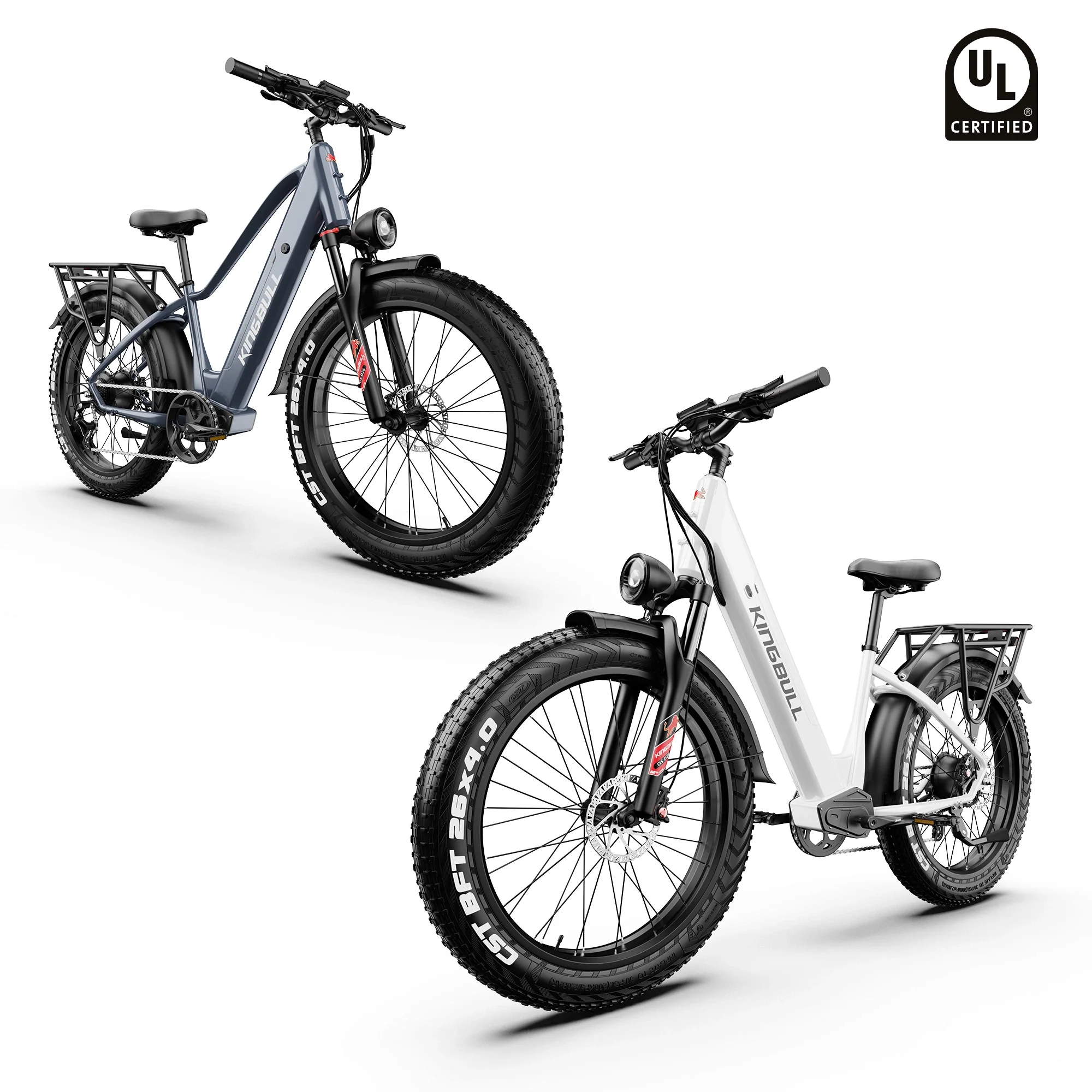
The Kingbull Ranger is the clearest match for riders prioritizing a more technical, all-terrain setup. Its product page lists a 750W motor, 1300W peak output and 85 Nm torque, alongside full-suspension positioning. These are useful comparison points, but output figures alone do not establish how a bike will feel on a particular climb or surface.
The Kingbull Ranger suspension emphasis suggests a stronger fit for uneven routes than for someone whose main requirement is compact storage. Its listed configuration deserves a closer look if the planned rides include dirt roads or mixed surfaces. Review the Ranger specifications for component details and sizing, then compare those against local riding conditions and any relevant class or access rules.
- Strength: the page provides concrete motor and torque figures.
- Strength: full-suspension positioning speaks to rougher terrain.
- Limit: a feature list cannot establish comfort, handling or actual range for an individual rider.
Does the Expedition suit a moped-style ride?
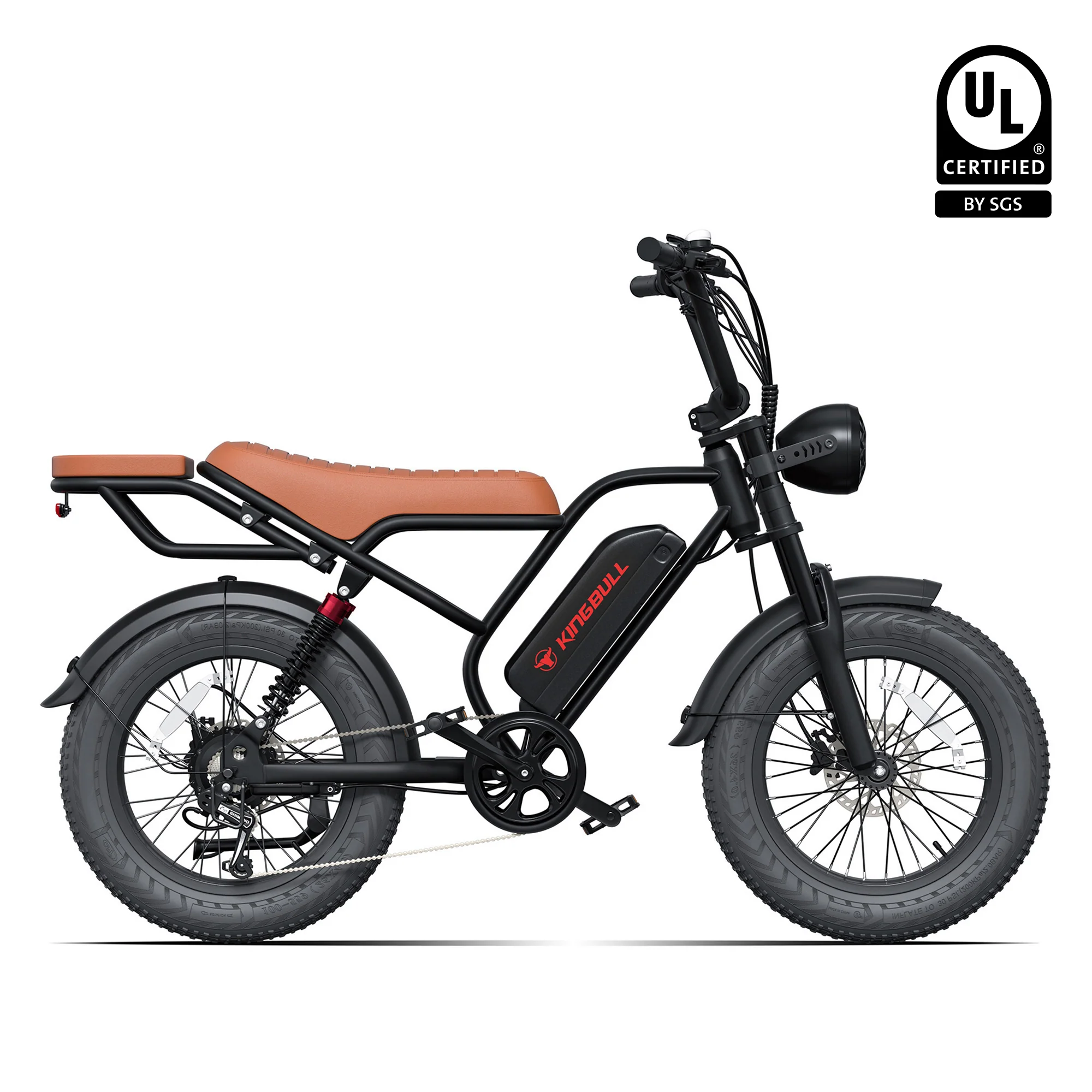
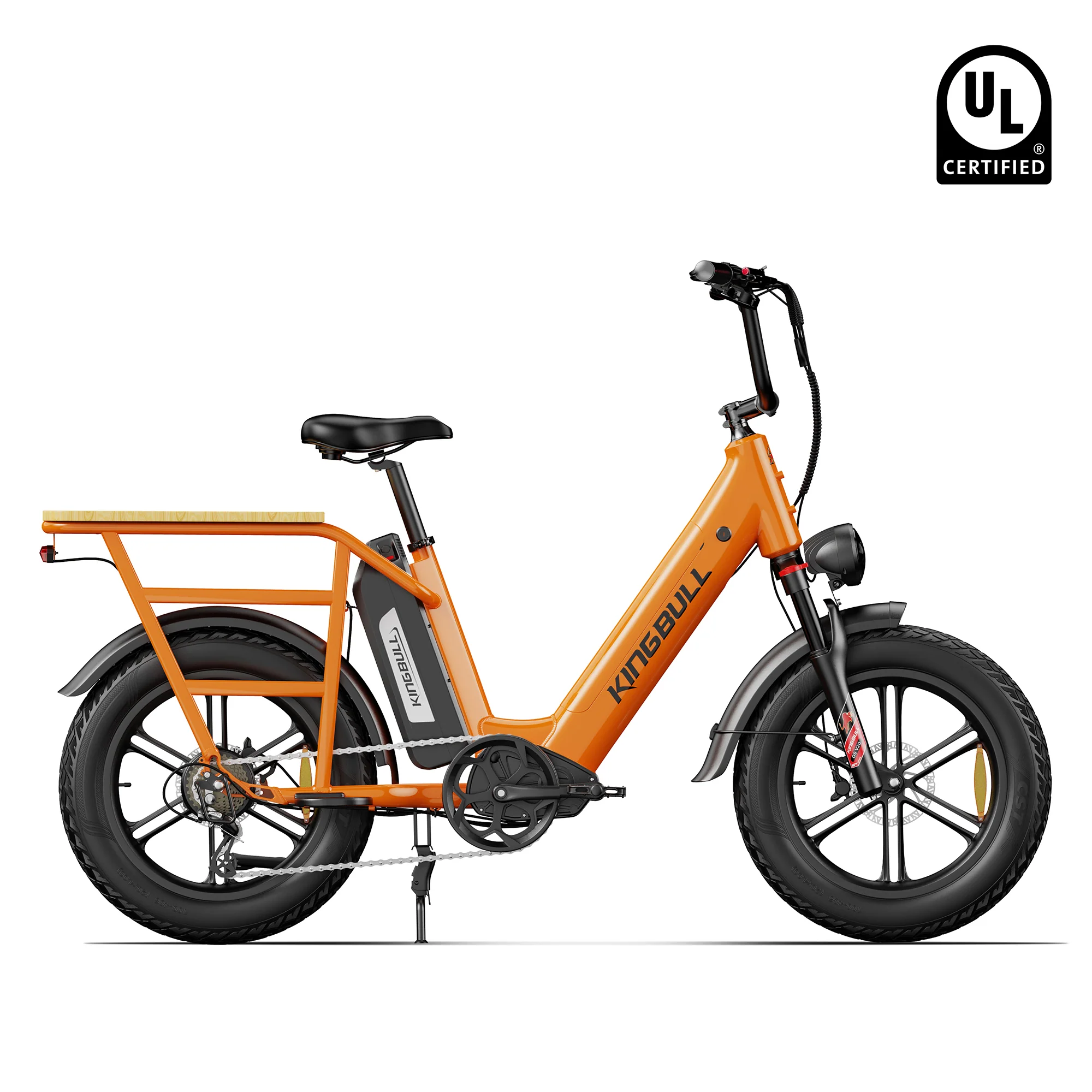
The Kingbull Expedition takes a different visual and functional direction. Kingbull describes it as an all-terrain, moped-style electric bike and promotes full suspension. That format may appeal to riders who prefer a more substantial frame and a relaxed, upright-looking setup for mixed surfaces, but the styling does not answer questions about fit or maneuverability. Compare the Kingbull Expedition configuration with the Ranger before deciding which frame better suits your routes.
This is the model where dimensions, total weight and carrying arrangements deserve particular attention. If you need to lift the bike onto a rack, up steps or into a vehicle, check the current product-page specifications rather than assuming the moped silhouette will be manageable. For longer rides, the brand’s range language should be treated as a best-case reference until you have accounted for terrain, load, assist settings and weather.
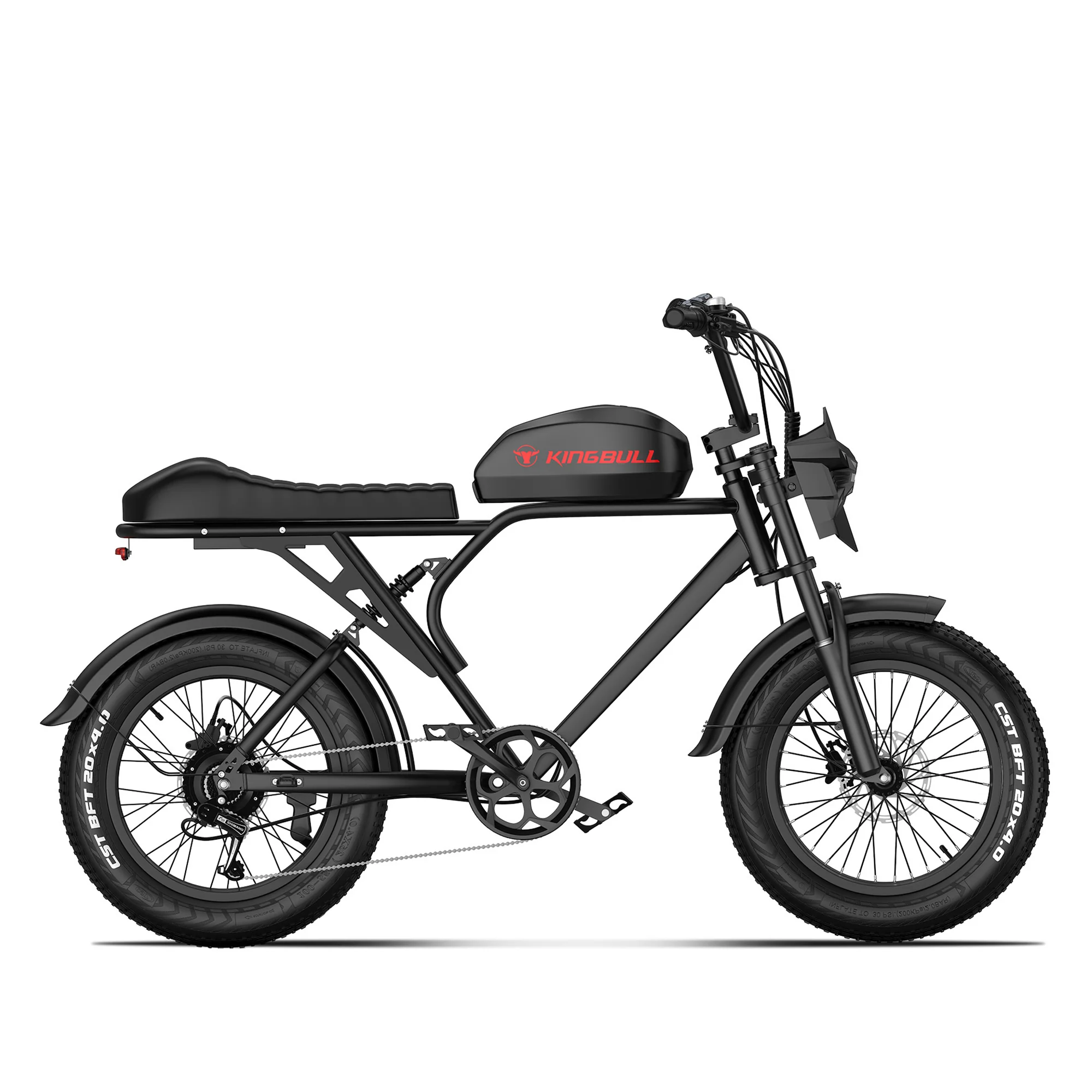
The Expedition product details are the right place to verify its current configuration, included equipment and warranty terms. This is also where shoppers can compare the model’s physical proportions with the available storage space. A bike that feels like the right road choice can still be the wrong household choice if it cannot be parked securely or transported when needed.
When does the folding Literider make more sense?
The Kingbull Literider 2.0 has the most straightforward storage distinction of the three. Its product page describes a folding frame, a 750W hub motor and a removable 48V/720Wh battery. The combination may suit a rider balancing rides with limited indoor space, or someone who values being able to remove the battery for charging.
Folding is a real advantage only if the folded dimensions work for your space and the folded bike is manageable for you. The Kingbull Literider 2.0 details are worth checking against your available storage measurements. It should not be confused with a lightweight travel bike. Before shortlisting it, check how the folding mechanism operates, what the bike weighs in its current configuration, and whether your storage spot allows enough room to fold and unfold it safely.
- Measure the intended storage area, including doorways and turns.
- Confirm the folded dimensions and the safe way to lift or roll it.
- Check battery removal and charging guidance in the owner resources.
- Compare tire and frame clearance with your usual terrain and storage constraints.
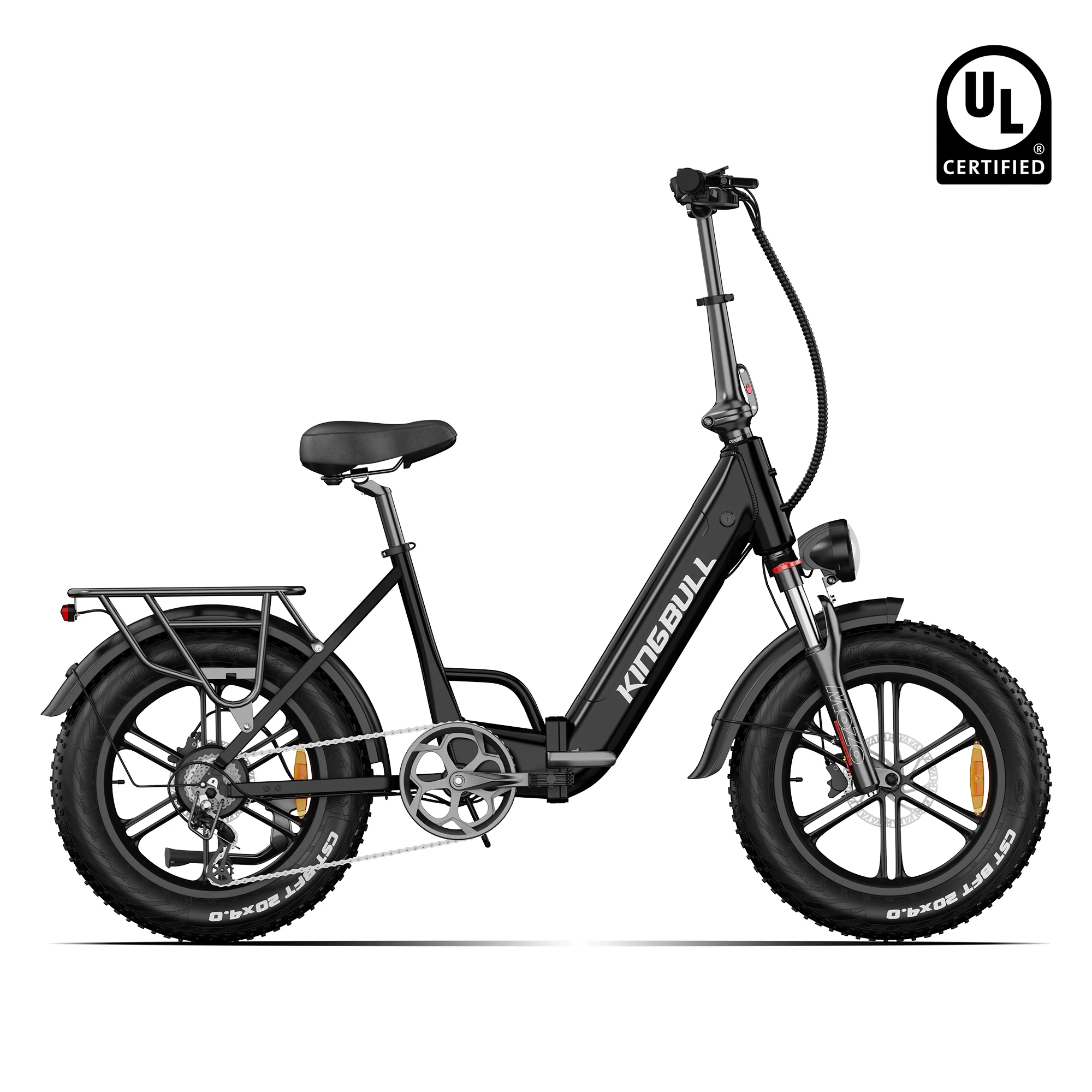
The Literider 2.0 specifications make a concrete case for convenience, but buyers should confirm whether the current model page matches the exact configuration they intend to order. Battery capacity is a useful specification, not a standalone promise of distance: assistance level, hills, temperature and rider load all matter.
What should buyers verify before choosing?
There is enough information to distinguish the models, but several ownership questions need checking before a decision. Those checks are especially important for an online purchase where fit and local service cannot be judged from a product image.
- Fit and geometry: compare the current size guidance with your measurements and preferred riding position.
- Weight and storage: verify the complete bike weight, folding dimensions where relevant, and your transport plan.
- Range assumptions: look for the conditions behind any claimed distance and plan around a conservative real-world range.
- After-sale terms: read the US warranty, shipping, return and service information before purchase.
- Local rules: confirm that the motor class and intended use comply with rules where you ride.
These are not reasons to dismiss the range. They are the difference between a promising specification sheet and a suitable purchase. It is also sensible to check what routine maintenance the brand expects, how replacement parts are handled, and which support channel applies if a component needs attention.
How do the strengths and limits balance out?
The range’s main strength is that its formats express different priorities. Revisit the Ranger for trail specifications, the Expedition for its moped-style form, and the Literider 2.0 for folding details. The Ranger puts its case through motor output, torque and suspension. The Expedition foregrounds a moped-style frame and all-terrain positioning. The Literider 2.0 makes folding and removable-battery details central. That gives shoppers a starting point based on the shape of everyday use, rather than one vague claim that every model does everything.
The limitation is that the store’s product pages cannot prove comfort, reliability or range in a reader’s own conditions. Some figures invite useful comparisons, but they are not substitutes for fit information, actual bike weight, clear warranty terms and a realistic route plan. The site’s support pages are a positive resource, though prospective buyers should read the fine print rather than infer service coverage from the presence of a policy page.
For trail-led riding, start with the Ranger page; for a moped-style format, inspect the Expedition page; and for space-conscious ownership, investigate the Literider 2.0 page. Each link points to the relevant Kingbull Bike product page, where configuration details can be checked before comparing current options.
Is Kingbull Bike a good fit for apartment storage?
The Literider 2.0 is the model to examine first because its page specifies a folding frame. Confirm the folded dimensions and complete bike weight; folding alone does not guarantee that it will be easy to carry through a building.
Can buyers rely on the advertised range?
Use range as a conditional estimate, not a guarantee. Terrain, rider and cargo weight, temperature, tire pressure and assist level can change the distance. Plan a buffer and review the exact conditions stated on the product page.
Which model is the best starting point for off-road use?
The Ranger is the clearest first comparison for rougher routes because Kingbull lists full-suspension positioning and specific output figures. The Expedition is another all-terrain candidate, but check both models’ geometry, weight and equipment against your route.
Our recommendation
Kingbull Bike is worth shortlisting if you want a fat-tire electric bike and can identify a clear use case before browsing. The Ranger has the strongest published case for trail-focused specification shoppers, the Expedition offers the distinct moped-style direction, and the Literider 2.0 stands out for folding storage and a removable battery.
Our recommendation is conditional: compare fit, real bike weight, support terms and realistic range before choosing. Use the Ranger page, Expedition page and Literider 2.0 page to confirm the product configuration that matches your needs. The product pages help narrow the field, but they cannot establish how each bike will feel or perform for you. Review the current US product details and support policies, then choose the format that genuinely fits your routes and storage situation.