
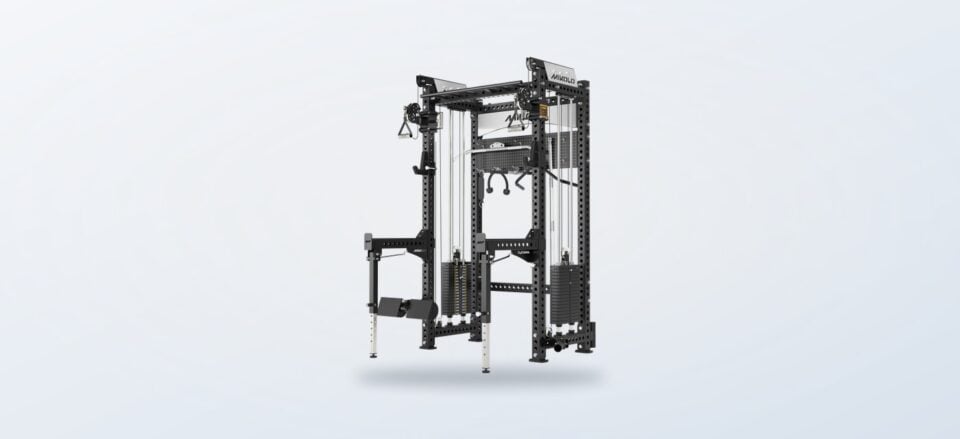
If you are planning a home gym, the difficult question is rarely whether you need equipment. It is deciding which level of rack, cable system, and supporting gear will earn its floor space.
WUXTIME sells across that decision, from wall-mounted folding racks to heavier all-in-one trainers, benches, bars, weights, storage, and recovery equipment. The range looks broad, but breadth can make a first order harder to judge.
We reviewed the store’s published product structure and specifications rather than treating every listing as interchangeable. The useful question is which design choices fit a real training pattern, and where the brand’s equipment asks more of the room, budget, or installation plan.
This article contains affiliate links. If you buy through them, we may earn a commission at no extra cost to you.
Before you read on
- ANUBIS 2.0 Elite is the heavy-duty all-in-one direction, with dual weight stacks and 3 x 3, 12-gauge construction.
- HR05 is the simpler half-rack route, using 2 x 2, 14-gauge construction and a 1:1 pulley ratio.
- CHEETAH 2.0 Elite is the space-saving option, built around wall mounting, folding storage, an aluminum pulley, and a weight stack.
- The current price depends on configuration and extras, so check the store page before ordering.
The WUXTIME equipment range is easiest to assess by matching the machine to the room first, then comparing its feature set.
Does WUXTIME build around one kind of home gym?
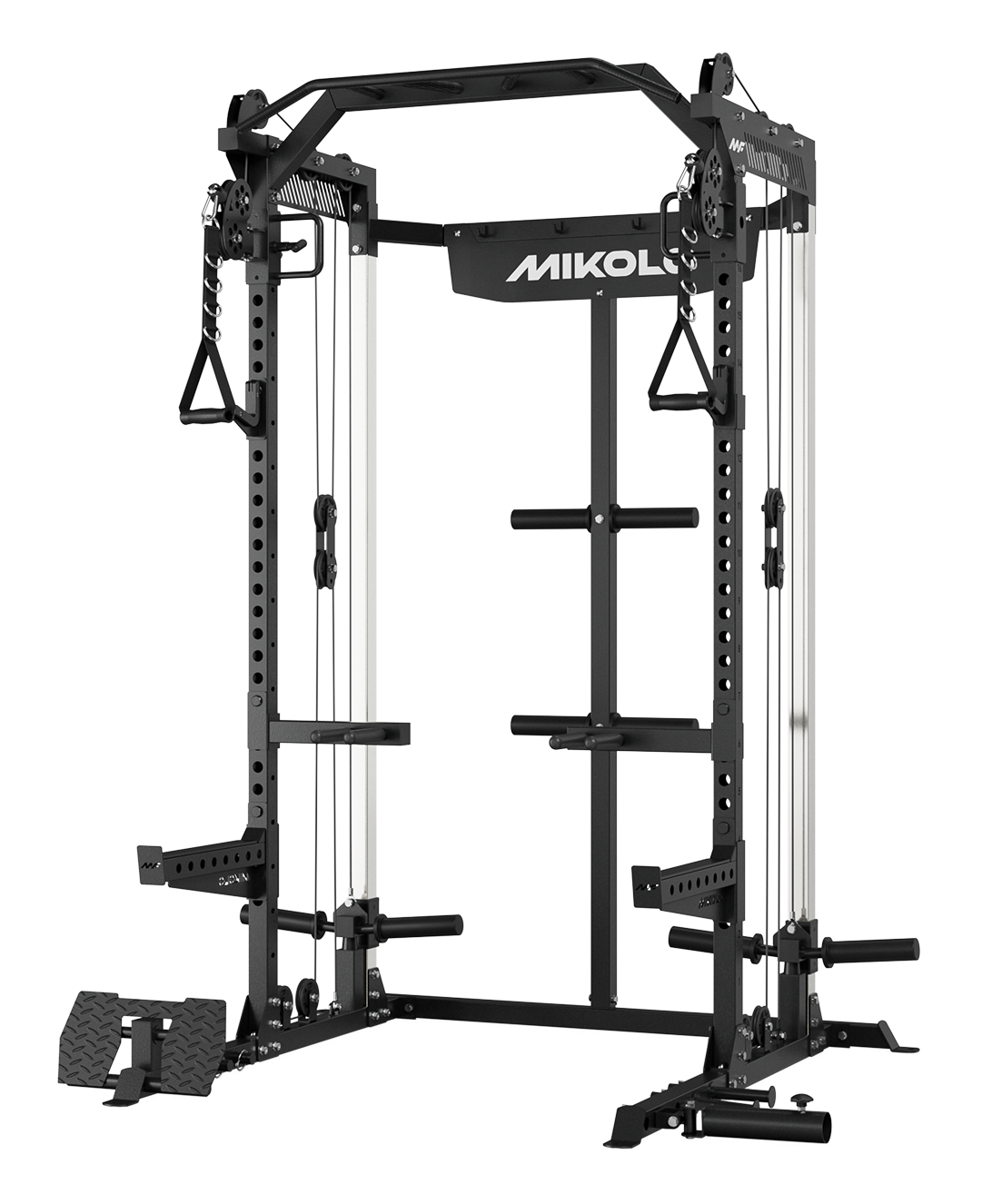
The store’s strongest pattern is modular strength training. Its racks combine barbell work with cable or pulley functions, while separate benches, bars, plates, attachments, and storage let a buyer complete the room over time. That is a practical advantage for people who want one training base rather than a collection of unrelated machines.
There is also a clear progression in the catalog. The ANUBIS 2.0 Elite moves toward a substantial all-in-one trainer with dual 175 lb weight stacks, 3 x 3, 12-gauge uprights, and a 2:1 pulley ratio. The published specification suggests capacity and versatility, but it also implies a room with enough clearance, a solid floor, and a realistic installation plan.
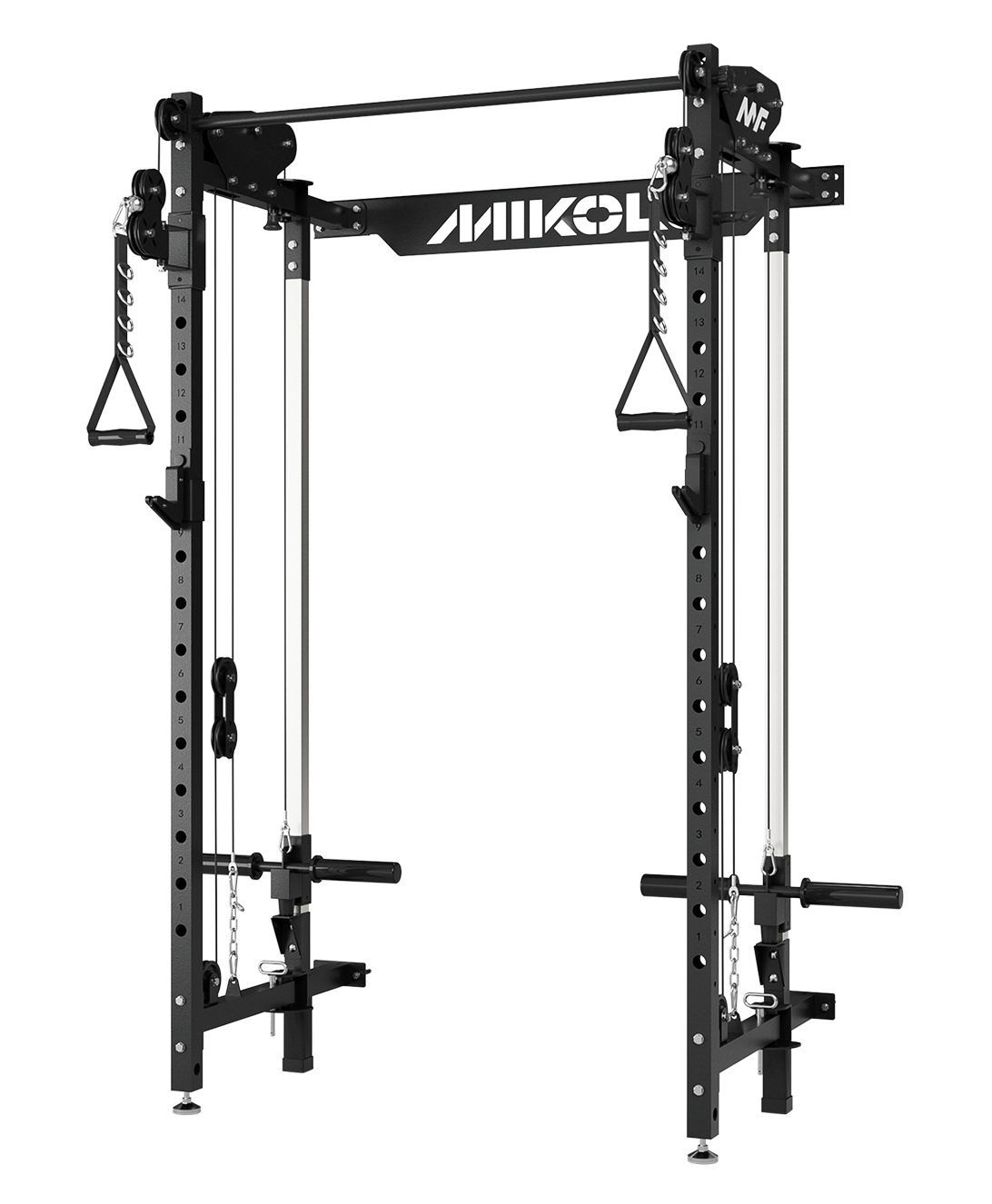
At the other end, the CHEETAH 2.0 Elite makes the space question part of the design. It is wall mounted and folding, with 2 x 2, 14-gauge construction, an aluminum pulley, a 2:1 ratio, and a weight stack. That does not make it universally better. It makes it more relevant where reclaiming floor space after training matters.
- Racks and trainers are the core purchase decision.
- Benches, bars, plates, and attachments expand the system rather than replacing it.
- Wall-mounted designs shift more attention to wall structure and installation.
- Large all-in-one units trade flexibility of placement for broader exercise coverage.
Which WUXTIME rack fits a smaller room?
For a garage or spare room where every walkway counts, the published case for CHEETAH 2.0 Elite is straightforward. Its folding format can reduce the permanent footprint, while the functional trainer layout keeps cable exercises available without adding a separate tower. We would still treat the wall as part of the equipment decision, not as an afterthought.
The HR05 offers a different compromise. Its 2 x 2, 14-gauge frame and 1:1 pulley ratio keep the specification more focused than the premium all-in-one models. That may suit someone who prioritizes a conventional rack and wants cable work without moving to the largest format. The limitation is that a simpler rack may require more separate purchases as training needs grow.
We would put the decision in this order: measure the usable training zone, confirm the mounting or anchoring requirements, then decide whether a folding system or freestanding rack better matches the room. The store’s rack collection is useful for checking those format differences, while the current support information should be read before a large delivery.
What does the heavier ANUBIS format add?
ANUBIS 2.0 Elite is aimed at readers who want a central station for strength work, cable movements, and progressive loading. Dual stacks reduce the need to keep changing plates for every cable exercise, while the larger frame and published 2:1 ratio point toward a more substantial training platform. The product page’s current ANUBIS details are the right place to confirm included attachments and configuration.
The trade-off is not hidden. A larger trainer needs more room around it, more attention during delivery, and a clearer view of what your household actually wants to train. If you mostly squat, press, row, and occasionally use cables, the extra system may be more machine than you need. If several people share the gym and want different movements, the all-in-one approach has a stronger case.
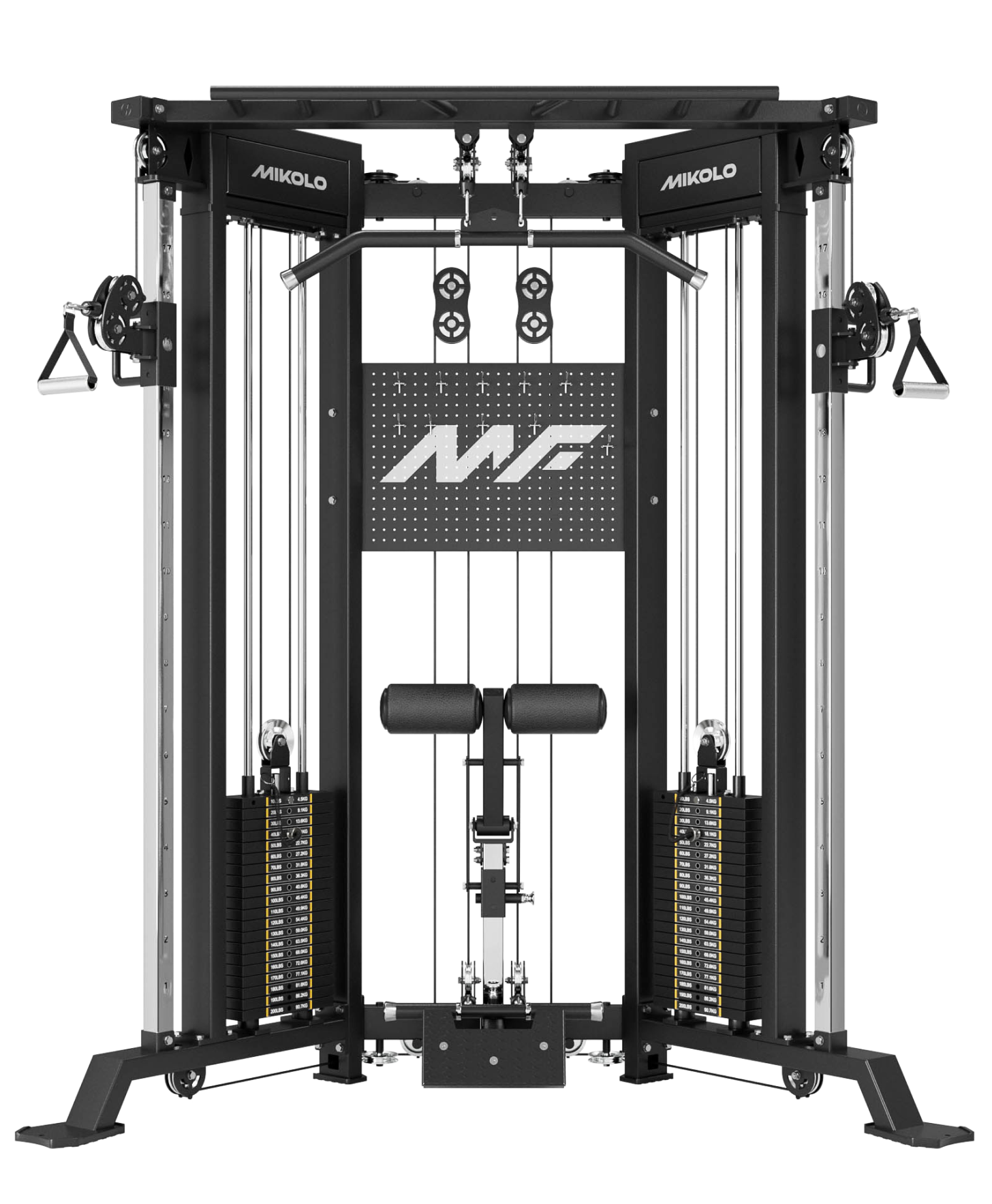
The wider functional-trainer selection reinforces that point. The FALCON 2.0 listing emphasizes centralized lat and row work, dual stacks, and both 2:1 and 1:1 ratios. That is useful for readers comparing exercise feel and cable coverage, but ratios alone do not tell you whether the machine will suit your height, ceiling, or preferred setup.
Which supporting pieces make the range more usable?
A rack is only useful if the surrounding pieces support the way you train. The store carries several categories that make a phased setup more practical:
- BASTET 2.0 is an adjustable FID bench listed for 3 x 3 machines.
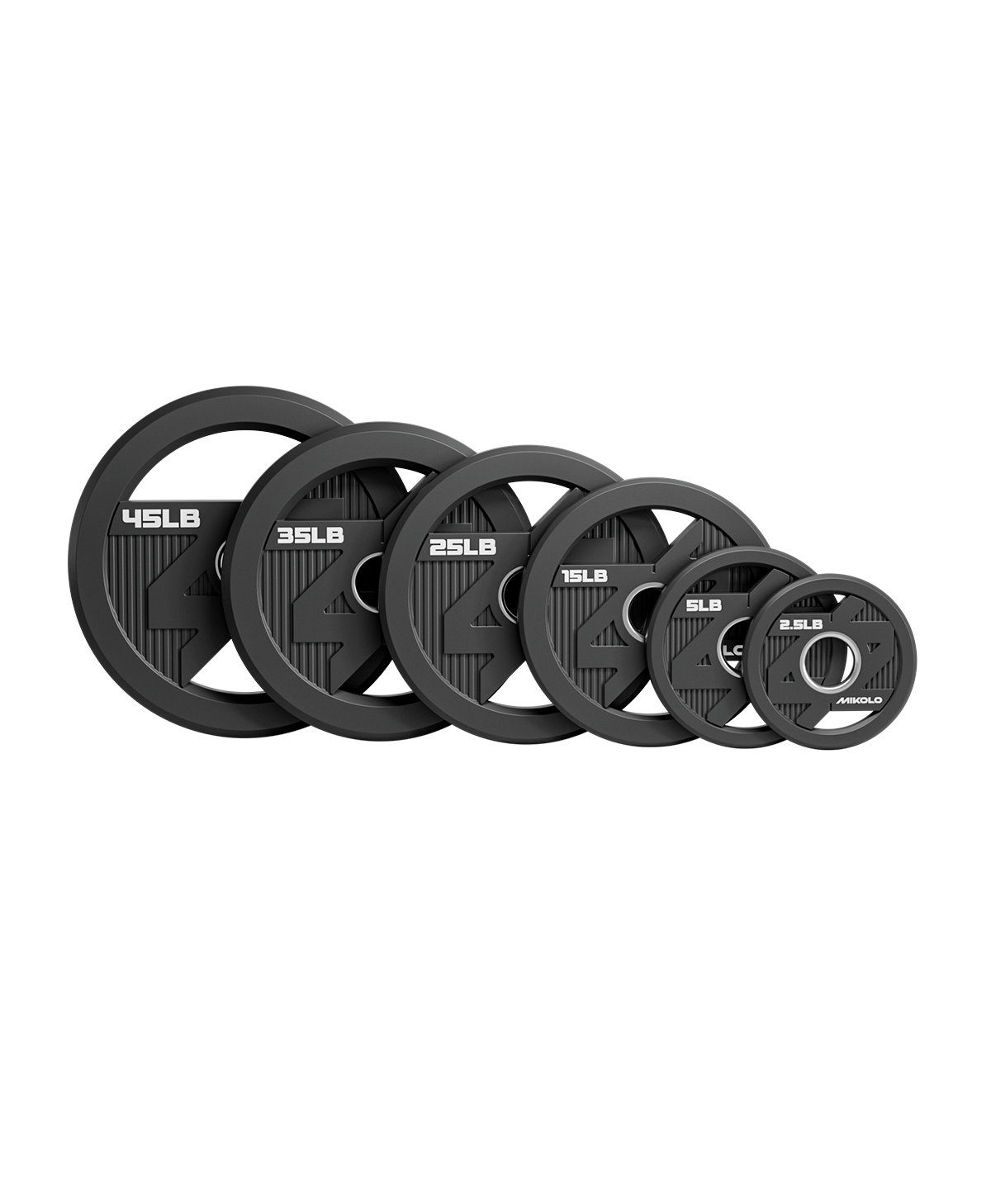
- SHIELD rubber-coated Olympic grip plates add dual-grip handling and protected surfaces.
- Wall-mounted and mobile storage options help keep plates and bars out of the training path.
- Barbells, attachments, and cable handles let a buyer tailor the system after the main purchase.
The BASTET 2.0 bench listing matters because compatibility is not a minor detail: a bench designed for one frame family may not be the best match for another. Similarly, the SHIELD grip plates make more sense for readers who value handling and rubber protection than for someone building a minimalist barbell corner.
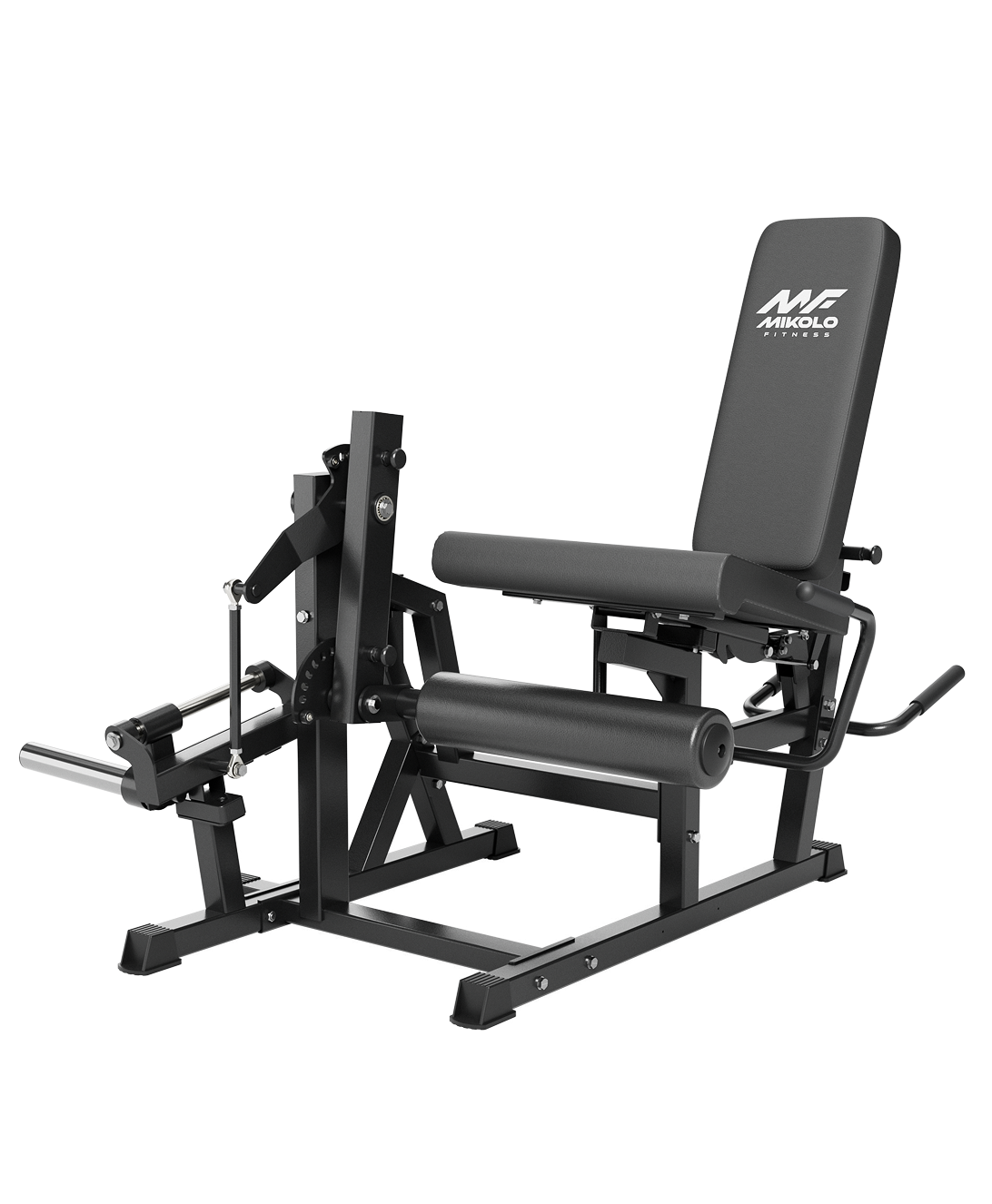
For specialized lower-body work, the NOVA leg extension and prone leg curl takes the range beyond racks and cable stations. It is a focused addition, not a universal starting point. That distinction is important: a broad catalog gives experienced buyers room to build, but it can tempt new buyers into solving a future training problem before the main routine exists.
What should you confirm before ordering?
WUXTIME’s published specifications are useful, but a serious equipment decision also depends on the room and the delivery process. Before opening the cart, we would check:
- Clearance: measure ceiling height, wall depth, swing space, and the path from delivery point to gym.
- Compatibility: confirm the bench, attachments, pulley parts, and weight choices belong with the frame you selected.
- Installation: treat wall mounting and anchoring as structural questions, not optional decoration.
- Cost drivers: compare frame tier, weight-stack configuration, included accessories, delivery terms, and any extras on the product page.
The store also highlights support, shipping, and warranty information. Those claims are useful context, but we would read the current policy pages for coverage and exclusions rather than relying on a short product-card summary. The official WUXTIME store remains the source for current availability, configuration, and price.
Is WUXTIME better for beginners or experienced lifters?
The range can work for either, but beginners should start with room, routine, and one core machine in mind. Experienced lifters are more likely to benefit from the configuration choices and supporting attachments.
Does a folding rack remove the need to plan the room?
No. A folding design can recover floor space, but the wall, clearance, anchoring, and cable travel still need to be checked before purchase.
How should I compare current WUXTIME prices?
Compare like with like: frame tier, pulley ratio, weight-stack inclusion, accessories, delivery terms, and warranty coverage. Then check the current product page because configurations and prices can change.
Our recommendation
We recommend WUXTIME most strongly to readers who want a modular strength room and are willing to match the machine to the space. Choose CHEETAH 2.0 Elite when folding storage and wall mounting solve a real constraint, HR05 when a focused rack is enough, and ANUBIS 2.0 Elite when multiple users will genuinely use its broader all-in-one format.
The honest limitation is that the range’s breadth makes compatibility, installation, and configuration checks essential. It is not a universal shortcut for every home gym. If the room and routine are clear, however, the store offers enough distinct formats to build a considered setup rather than settling for one fixed idea of training.