

Choosing a day at a country estate can be harder than choosing a destination: do you want rooms full of history, open space to wander, or something that keeps children busy? Blenheim Palace offers all three, but the best fit depends on how your group wants to spend its time.
We reviewed the UK visitor information and ticket pages to understand what the estate offers, where the options differ, and what a visitor should verify before booking. The range is broad, which is a strength when interests vary, but it also makes a little planning useful.
This article contains affiliate links. If you buy through them, we may earn a commission at no extra cost to you.
Before you read on
- Blenheim Palace combines palace interiors, formal gardens, parkland, food and seasonal events.
- The Adventure Play Day Ticket suits a single visit centred on the play area.
- The Palace and Play Pass is the longer-term option, with twelve months of Adventure Play access.
- Quiet Play offers a separate session for SEND children and families; check its schedule and access details.
- Visit length, seasonal availability and add-ons affect what you pay, so check the current ticket page before booking.
How much of Blenheim can fit into your day?
The core proposition is variety in one setting. The official visitor pages describe the State Rooms, landscaped gardens and parkland alongside family activities, food and a changing events programme. That lets a group build a day around one shared interest or mix a few shorter stops.
The State Rooms are the clearest choice for visitors drawn to architecture, collections and the palace story. The public information highlights the historic interiors and the Marlborough family context; visitors who want a focused heritage visit can start with the State Rooms visitor page and its current opening information. This is a more structured experience than simply walking the grounds.

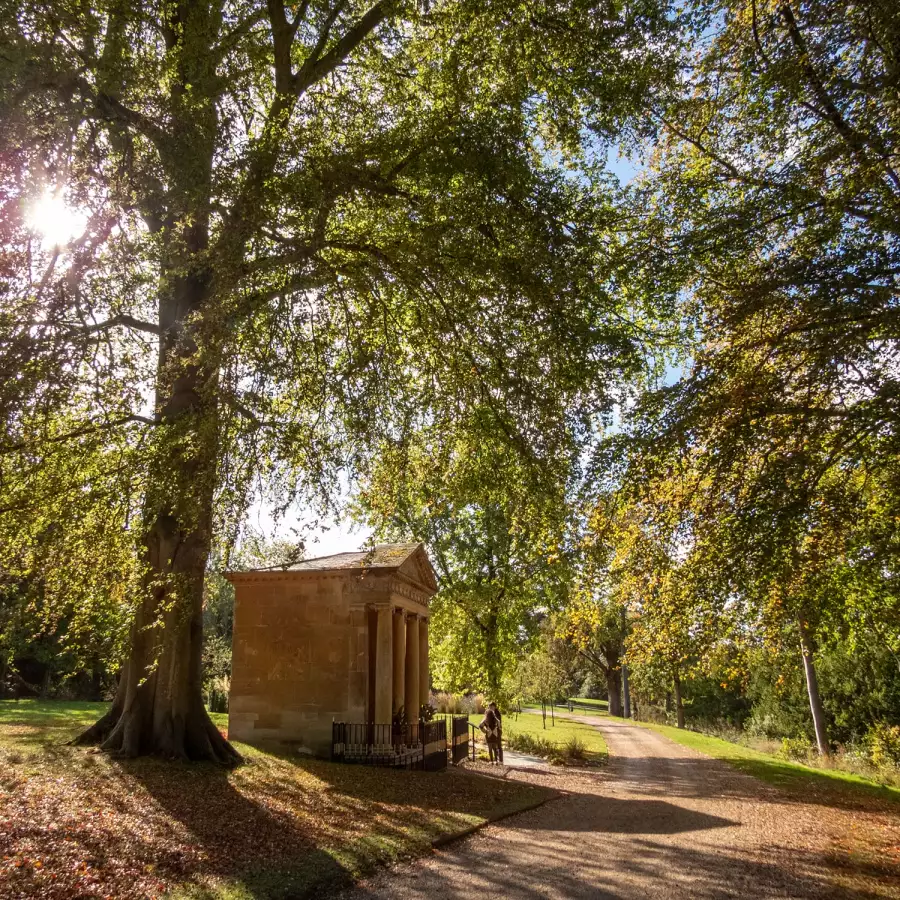
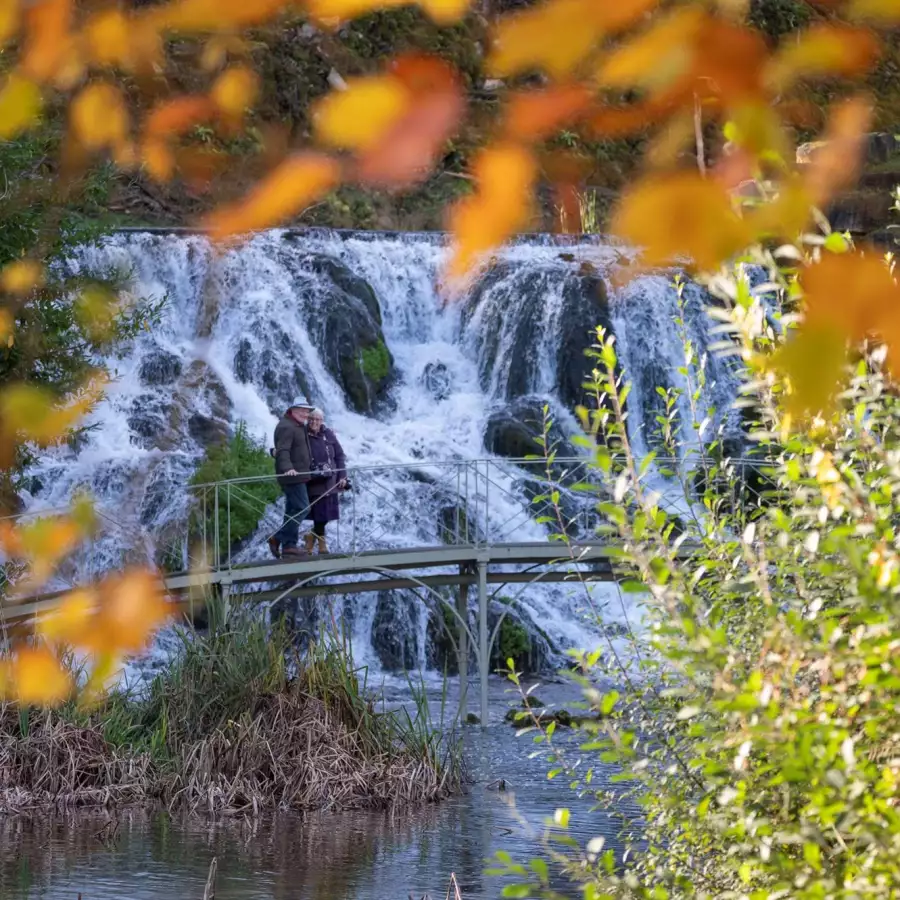
For a slower outdoor day, the gardens and parkland add scale and changing scenery. The estate presents distinct areas such as the Italian Garden, Secret Garden, Arboretum and Cascades. That breadth is a genuine advantage for visitors who enjoy walking and landscaping; it can be less appealing if your group prefers a compact attraction with little distance between activities.
- History-led day: prioritise the palace and State Rooms.
- Outdoor day: allow time for gardens and parkland rather than treating them as a quick add-on.
- Family-led day: build around Adventure Play and check what else is open.
- Mixed group: agree on one main focus before adding food or an event.
How should families choose an Adventure Play format?
Adventure Play is a substantial family attraction rather than a small playground stop. The official pages describe wooden towers, tunnels, bridges, cargo nets, a zip-line and water play. For a single outing centred on these activities, the Adventure Play Day Ticket is the clearest fit. Its ticket details should be checked for session times, entry conditions and what is included.
The Palace and Play Pass is described as providing twelve months of Adventure Play access. That makes it worth considering for families likely to return, but it is not automatically the best value: the decision depends on your likely visits, travel distance and whether you want access to other parts of the estate. See the Palace and Play Pass information for the current terms.
Quiet Play is a different format, described for SEND children and families, with a quieter session held on the last Sunday of the month from 9.00 to 11.00am according to the site information we reviewed. Its separate timing is a meaningful feature for families who need a calmer environment, while the fixed schedule means it takes more planning than a standard visit. Review the Quiet Play and accessibility guidance before choosing.

Access details deserve particular attention. The site provides a dedicated Adventure Play accessibility guide, including information for visitors with additional needs. A photo or broad description cannot tell every family whether a feature will work for their child, so check the guidance and contact the venue if your decision depends on a specific provision.
Which details can change the shape of a visit?
This is a large estate with several components, not a one-room attraction. The distance you want to cover, the amount of time available and the season can all change the shape of the day. Check the official opening times, the travel and arrival information and the pages for the areas you plan to visit.
The cost is shaped by the ticket category, who is included, the areas you want access to and whether you choose an annual option or additional event. Rather than relying on old third-party figures, use the current tickets and admission information and confirm what your selected ticket covers. Separate activities can have their own timing or booking requirements.
If Adventure Play is your main reason for visiting, compare the current Day Ticket details with the planned length of your visit before you commit.
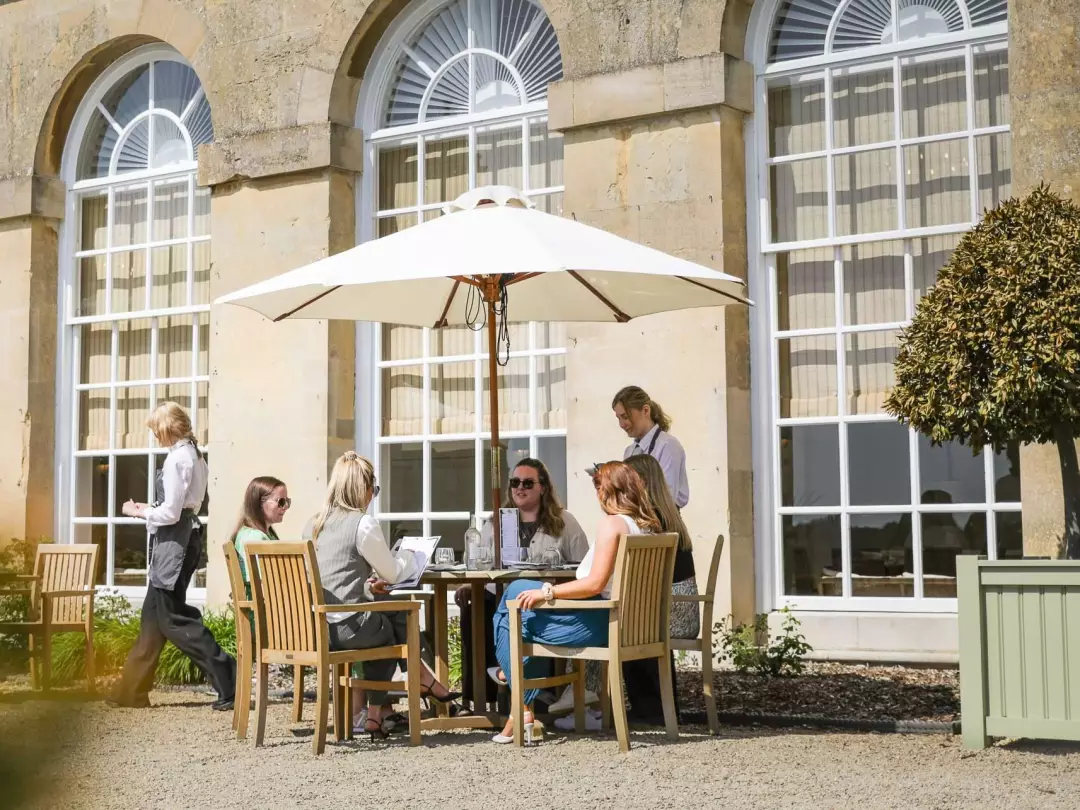
Food can make a longer day more manageable. The estate lists cafes and restaurants, including the Orangery Restaurant. Seasonal events may also alter the atmosphere or require separate planning, so look at What’s On rather than assuming a past event will be available on your chosen date.
- Decide which area is the priority and how much walking your group wants.
- Check dates, opening hours and any activity-specific session times.
- Compare single-entry access with the annual pass only if repeat visits are realistic.
- Review accessibility information for each area you plan to include.
- Confirm current ticket inclusions and any separate event requirements.
What trade-offs come with a large estate?
The range is appealing, but breadth creates choices and logistics. A visit that tries to combine the palace, gardens, Adventure Play, dining and an event can become ambitious, particularly for younger children or anyone who needs a slower pace. Choose a main focus and treat the rest as optional.
The estate is also not one uniform experience. Visitors who only want a brief indoor history stop may not use much of what the grounds offer, while those looking for a low-cost, short outing should compare the full ticket scope with their likely time on site. Quiet Play’s timetable is specific, and the annual pass only makes sense if repeat access is plausible.
For a repeat-visit plan, review the Palace and Play Pass terms alongside your likely return dates.
A few booking details to settle
Does one ticket cover every part of the estate?
Ticket inclusions vary by option and activity. Check the current admission page and the details for each area you plan to visit before booking.
Is the Palace and Play Pass suitable for a first visit?
It may suit a family expecting repeat Adventure Play visits, but a one-time visitor should compare it with the single-entry option and consider the actual access included.
Can visitors plan for accessibility needs?
Blenheim Palace publishes accessibility information for the estate and separate guidance for Adventure Play. Review the specific route and facilities relevant to your party, and contact the venue if you need an answer about an individual requirement.
Our recommendation
We recommend Blenheim Palace for groups who want a flexible day with more than one possible centre of interest: heritage rooms, outdoor landscapes or family activity. Its strongest feature is the range, especially when the group agrees on a priority and has enough time to enjoy it without rushing.
The limitation is practical: the estate’s breadth asks visitors to plan, and the best ticket depends on what they will genuinely use. Start with the Adventure Play Day Ticket for a single play-focused outing, compare the Palace and Play Pass only for likely repeat visits, and check Quiet Play details when a calmer scheduled session matters.