
A home gym can start with one rack attachment or grow into a room-defining strength station. The useful first question is not how many machines a brand sells, but how its range helps you train in the space you actually have.
WUXTIME is the name presented for a broad home fitness catalog spanning racks, functional trainers, attachments, bars, conditioning tools and focused strength machines. The United States store is organized around that range, giving newcomers several different entry points rather than one signature format.
We reviewed the store’s product information to understand the brand’s shape and the details that matter when comparing equipment. Here is a reader-first introduction to its design priorities, representative products and practical fit questions.
This article contains affiliate links. If you buy through them, we may earn a commission at no extra cost to you.
Before you read on
- WUXTIME spans single attachments through integrated home gym stations.
- The HR05 combines a half rack with cable-training features and pivot arms.
- FALCON 2.0 emphasizes centralized lat-pull and row work; LUNA serves focused leg training.
- Check rack dimensions, clearances, training priorities and package contents before choosing.
What kind of home gym is WUXTIME building toward?
The store presents a clear home and garage gym focus. Its catalog has products for distinct stages of a setup: an individual attachment can add a movement or improve positioning, while a rack or trainer consolidates several exercises around a single frame. Bars, plates, benches and storage help round out the space.
That range is useful because home training constraints are rarely identical. Some readers need a compact footprint, others want more movement variety, and some already own a rack and are filling gaps. Rather than treating every product as an all-in-one answer, it makes sense to read the catalog as a set of building blocks with different space and compatibility demands.
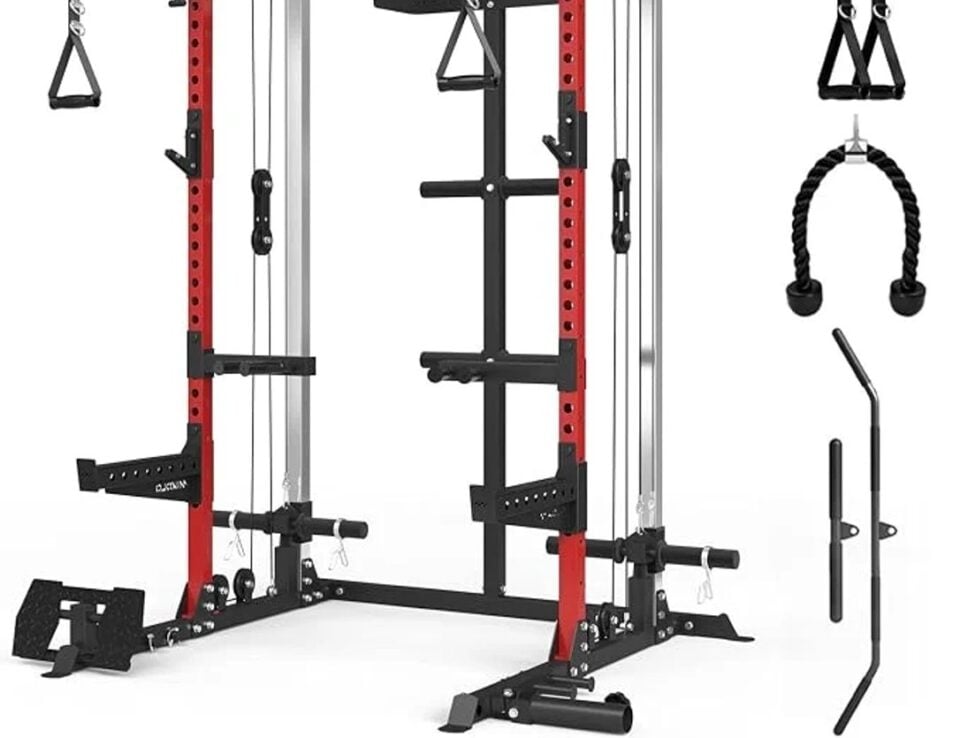
For another view of the same product, the store’s HR05 listing keeps its frame and pulley information alongside configuration details. A notable through-line in the listings is the amount of configuration detail provided. Rack tubing and hole dimensions, pulley ratios, weight-stack options and overall measurements can help readers compare on paper. They also make it clear that compatibility is a buying criterion: an accessory designed for a specific upright format may not fit a different rack.
- Start with the movements you want to keep accessible.
- Measure the equipment footprint and room needed to use it.
- Match attachments to the rack’s stated dimensions and hole pattern.
- Check whether the listing includes the accessories shown in product imagery.
How does the HR05 combine rack and cable work?
The HR05 Half Rack Functional Trainer with Pivot Arms is a useful example of the catalog’s middle ground between a basic rack and a larger integrated station. The store lists a 2-inch-by-2-inch frame, 14-gauge steel and a 1:1 pulley ratio. Pivot arms add another training path, while the half-rack structure keeps the concept centered on a strength setup rather than a standalone cardio machine.
Those specifications offer a starting point, not a complete room plan. The 1:1 ratio is relevant to cable feel and loading, but readers should still check the product page for the listed dimensions, included components and the clearance needed around moving arms. The HR05 specifications are especially worth comparing with the exact room plan. If your home space is shared or narrow, a footprint drawing and tape measure are more helpful than a product photo alone.
For a lifter who wants rack-based work and cable versatility in one structure, HR05 is one of the more representative products in the range. Its trade-off is also apparent: combining functions usually asks more from the room and from the buyer’s planning than a small add-on does. See the HR05 product details for fit and component information.
Where do the other equipment formats fit?
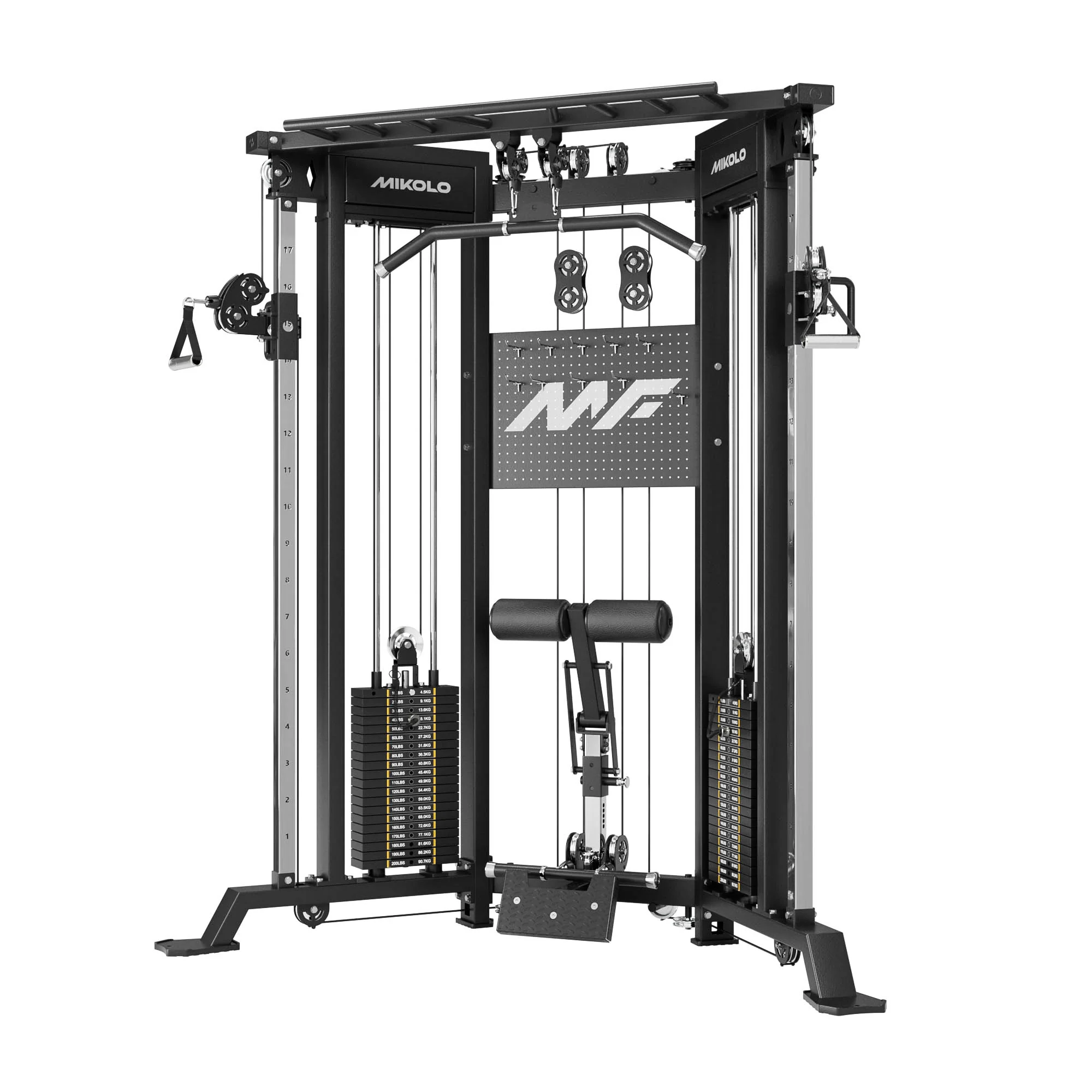
FALCON 2.0 gives the range a different emphasis. Its product name and store description foreground a centralized lat and row system within a functional trainer. That makes it relevant to readers who want cable-based upper-body pulling to sit at the center of a station. The FALCON trainer is the catalog’s dedicated example of that emphasis. Confirm its full setup dimensions and included attachments before treating the headline features as a complete training plan. The FALCON 2.0 page is the place to compare those specifics.
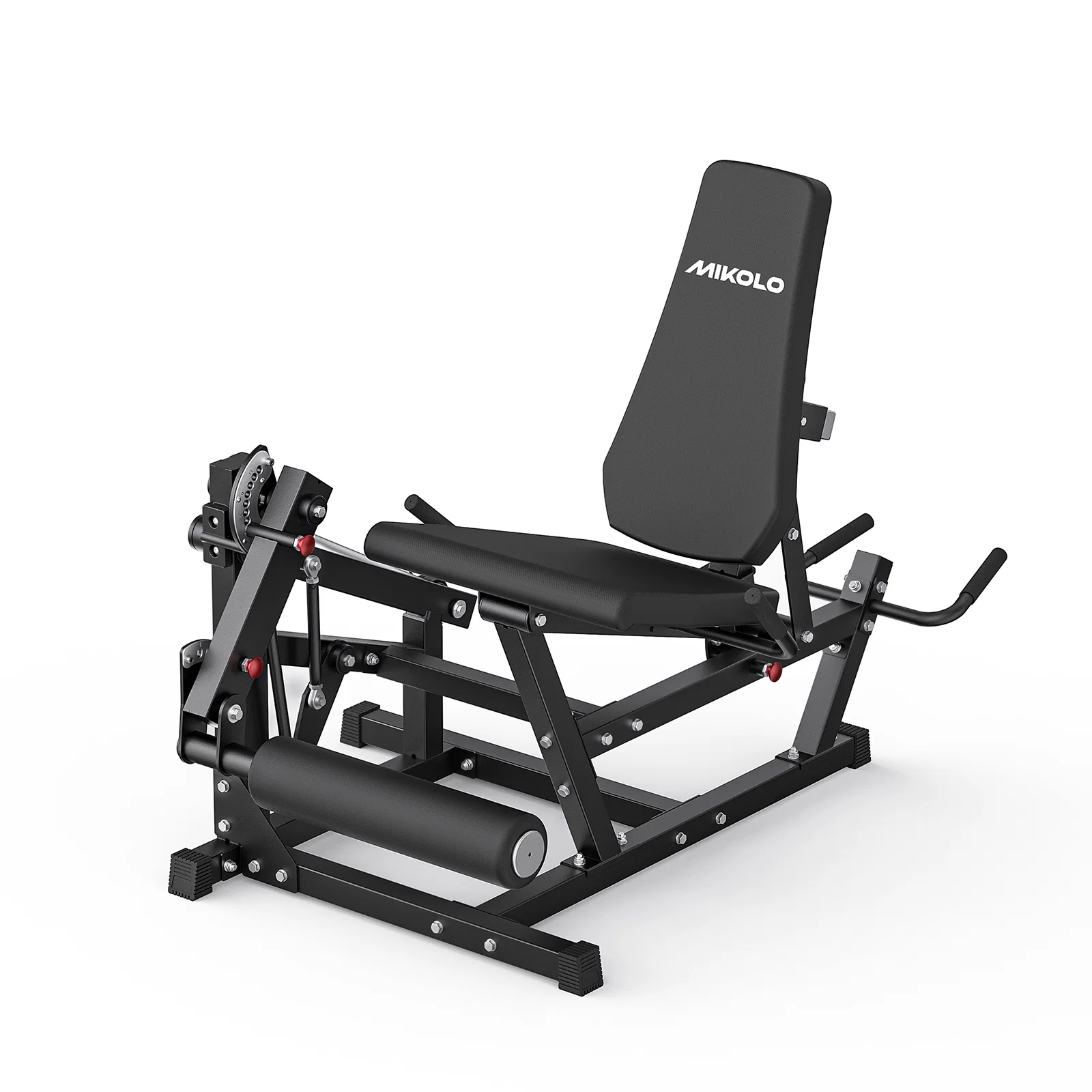
By contrast, LUNA Leg Extension & Prone Leg Curl Machine has a narrower purpose: its paired movement names tell you exactly which part of a program it is intended to support. A focused machine can make sense when those exercises are priorities and the surrounding gym already covers compound lifts. The LUNA station shows how the store separates a single-purpose machine from broader trainer formats. It is less compelling as a first purchase for someone still choosing a foundational rack or adjustable cable station. Check LUNA’s listing for adjustment, footprint and included details.
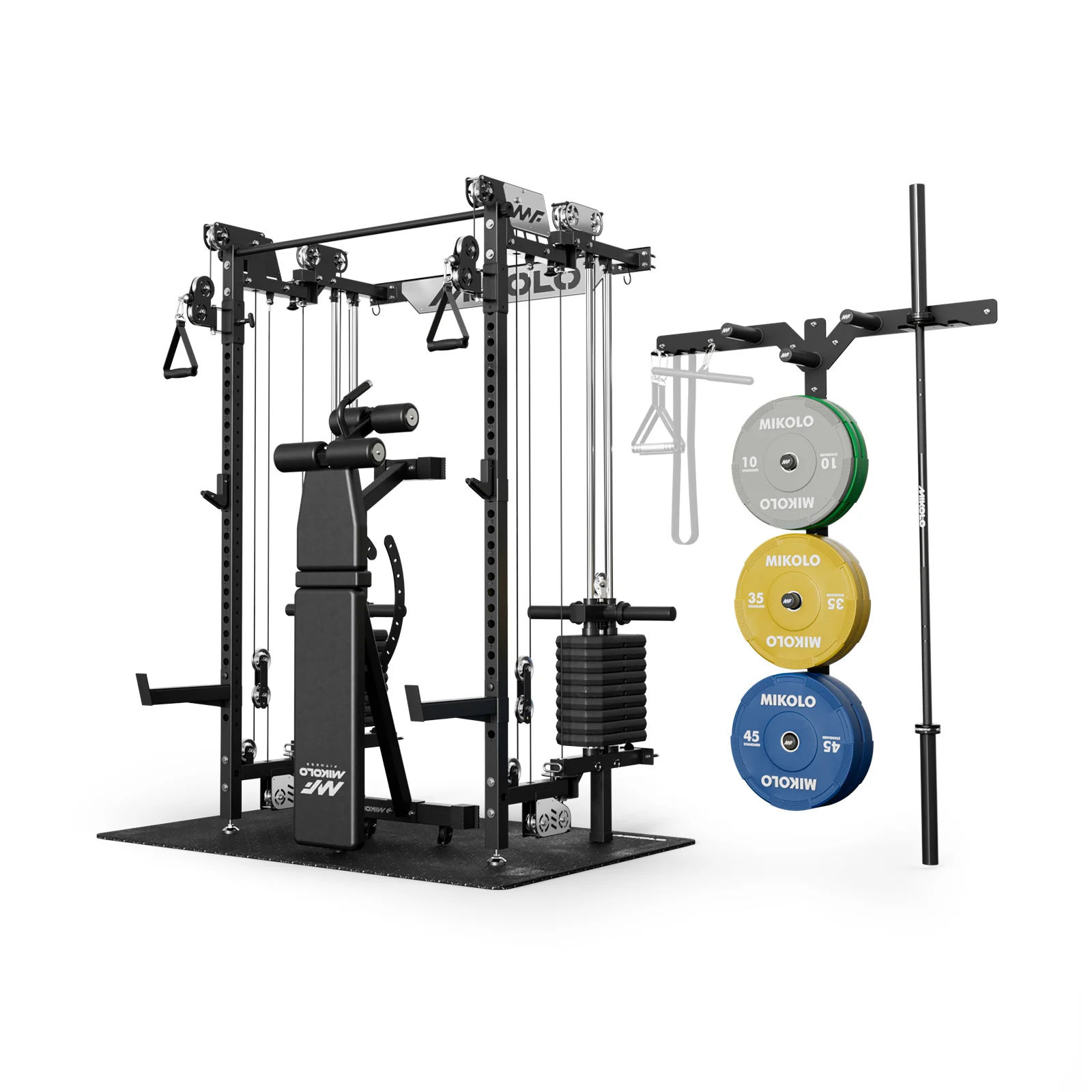
Complete packages occupy another corner of the store. The CHEETAH 2.0 Elite Complete Home Gym Package suggests a bundled approach for someone assembling a coordinated setup, while its wall-mounted format is aimed at space-conscious planning. Package names can make a system sound comprehensive, so inspect the included-parts list and installation requirements instead of assuming every pictured accessory is part of the box. Compare the CHEETAH package contents with what your plan still needs. The CHEETAH 2.0 Elite package page gives the relevant scope to review.
- For a compact addition: browse attachments that match an existing rack.
- For a multi-movement station: compare rack-integrated trainers such as HR05 and FALCON 2.0.
- For a specific accessory movement: consider dedicated equipment such as LUNA after covering the basics.
- For a coordinated starting point: check package contents and room requirements before committing.
What should a first-time reader verify?
Specifications are most useful when tied to the buyer’s room and routine. Frame dimensions matter for fit, but the usable footprint can extend beyond the frame when arms, cables or a bench move through space. Ceiling height, doorway access and flooring also affect whether a product can be installed and used comfortably.
Compatibility deserves equal attention for attachments. The store’s product pages often specify rack sizes and hole dimensions; these are not decorative details. Check the fit notes on HR05 and compare how FALCON 2.0 is configured before treating two racks as interchangeable. Compare them with your own equipment before ordering. If your rack model is not clearly covered, consult the store’s current product information or support rather than guessing from a similar-looking photo.
Finally, think about range as a sequence. A small accessory can answer a precise need with little change to the room. A cable station expands exercise choice but requires more setup space. A full package may simplify shopping while increasing the importance of checking delivery, assembly and included components. On the store, dimensions and package scope are better decision anchors than broad claims about versatility.
- Measure the full use area, not just the machine’s base.
- Write down your current rack’s tubing size and hole diameter.
- Compare the listed contents with the accessories you expect to receive.
- Check current availability, delivery details and product terms on the United States store.
What do readers often ask about WUXTIME?
Is WUXTIME mainly a rack brand?
Racks and functional trainers are a visible part of the store, but its catalog also includes attachments, bars, plates, benches and conditioning equipment. The right starting section depends on what your existing gym lacks.
Are WUXTIME attachments universal?
Do not assume so. Some listings state a specific rack size and hole configuration. Match those measurements against your equipment and use the product page to confirm compatibility.
How should I compare current costs?
Compare the current store listings for the exact model and configuration. Frame size, selected options, included components and whether a product is sold alone or as a package can all affect the final choice.
Our recommendation
WUXTIME is easiest to understand as a home-gym system builder: its range runs from small compatibility-dependent additions to more involved rack and cable stations. New readers should begin with training priorities and room measurements, then narrow the catalog by product format. HR05, FALCON 2.0 and LUNA illustrate three distinct roles without asking every buyer to want the same setup.
The limitation is breadth: a large catalog can make the first choice harder, and specifications still need to be checked against your own space and equipment. Use the United States store’s current listings to confirm dimensions, configuration and availability before deciding. The HR05 page, FALCON 2.0 page and LUNA page make a useful starting set for that comparison.