
When an online grocery offer catches your eye, the useful question is whether its conditions match the shop you were already planning.
Morrisons Grocery groups promotional listings on its UK grocery site, but the qualifying products and terms can differ from one offer to another. A little checking before you add items can prevent a tempting listing from changing the shape of your basket.
We reviewed the store’s public offer and product pages to explain how to assess them. The live listing is the source for current eligibility, availability and terms, so check it directly before placing an order.
This article contains affiliate links. If you buy through them, we may earn a commission at no extra cost to you.
Before you read on
- The Offers area collects promotions, while each listing sets its own eligible products and conditions.
- Check whether a deal applies to named items, a required combination or another stated condition before adding products.
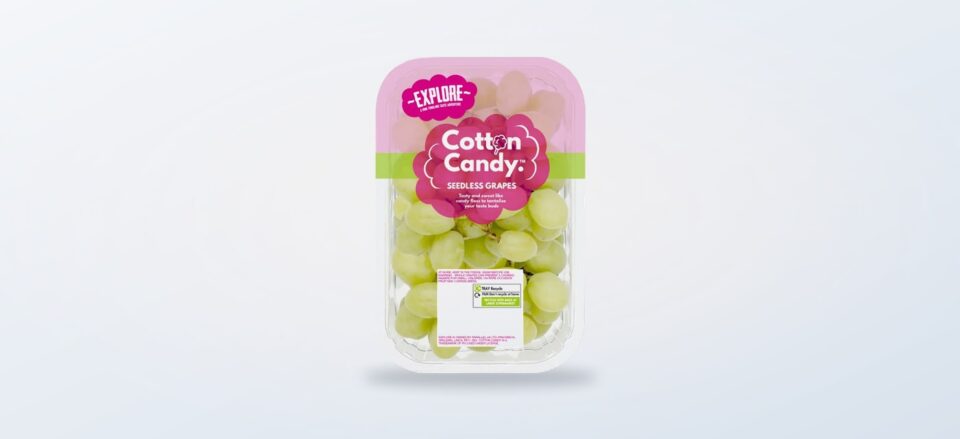
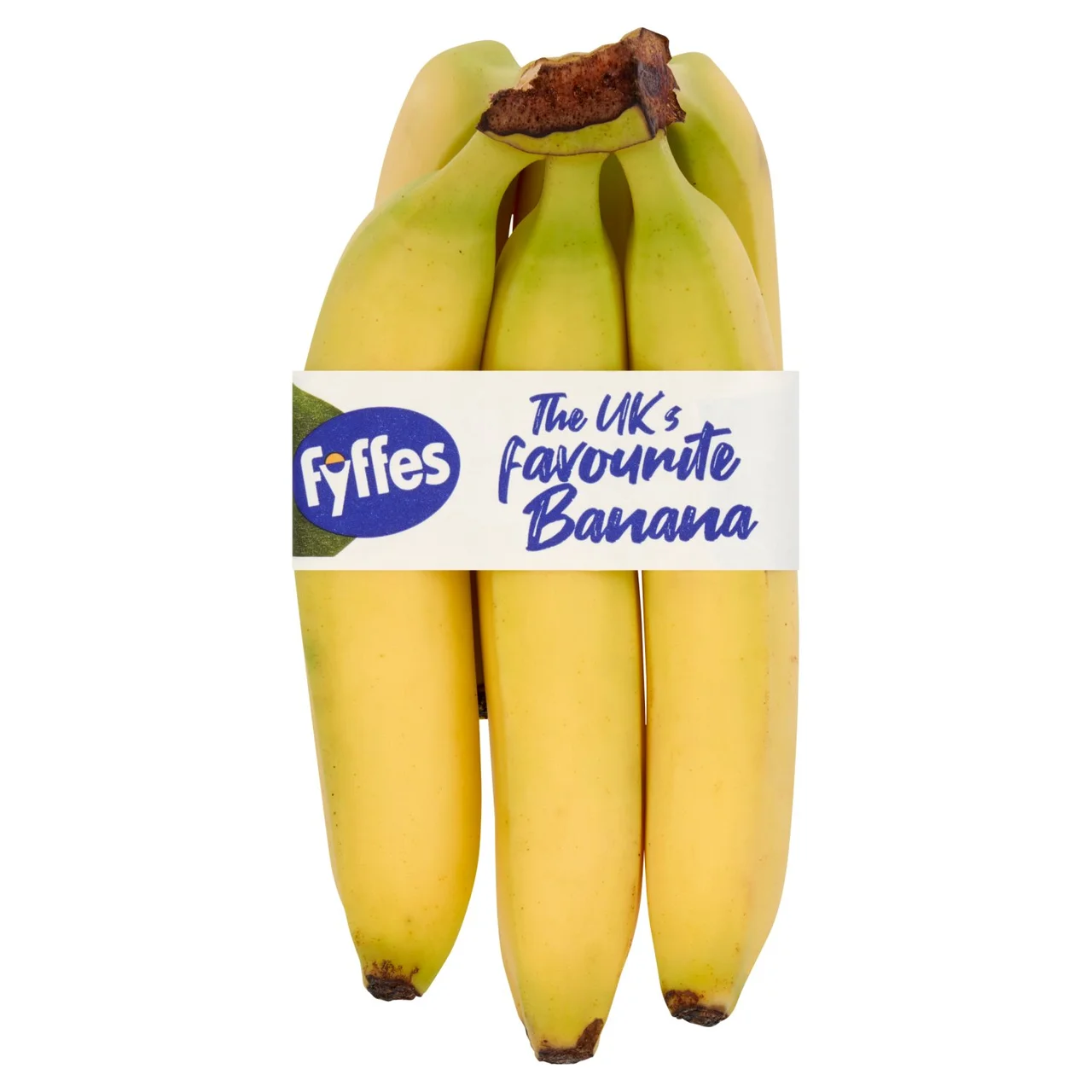
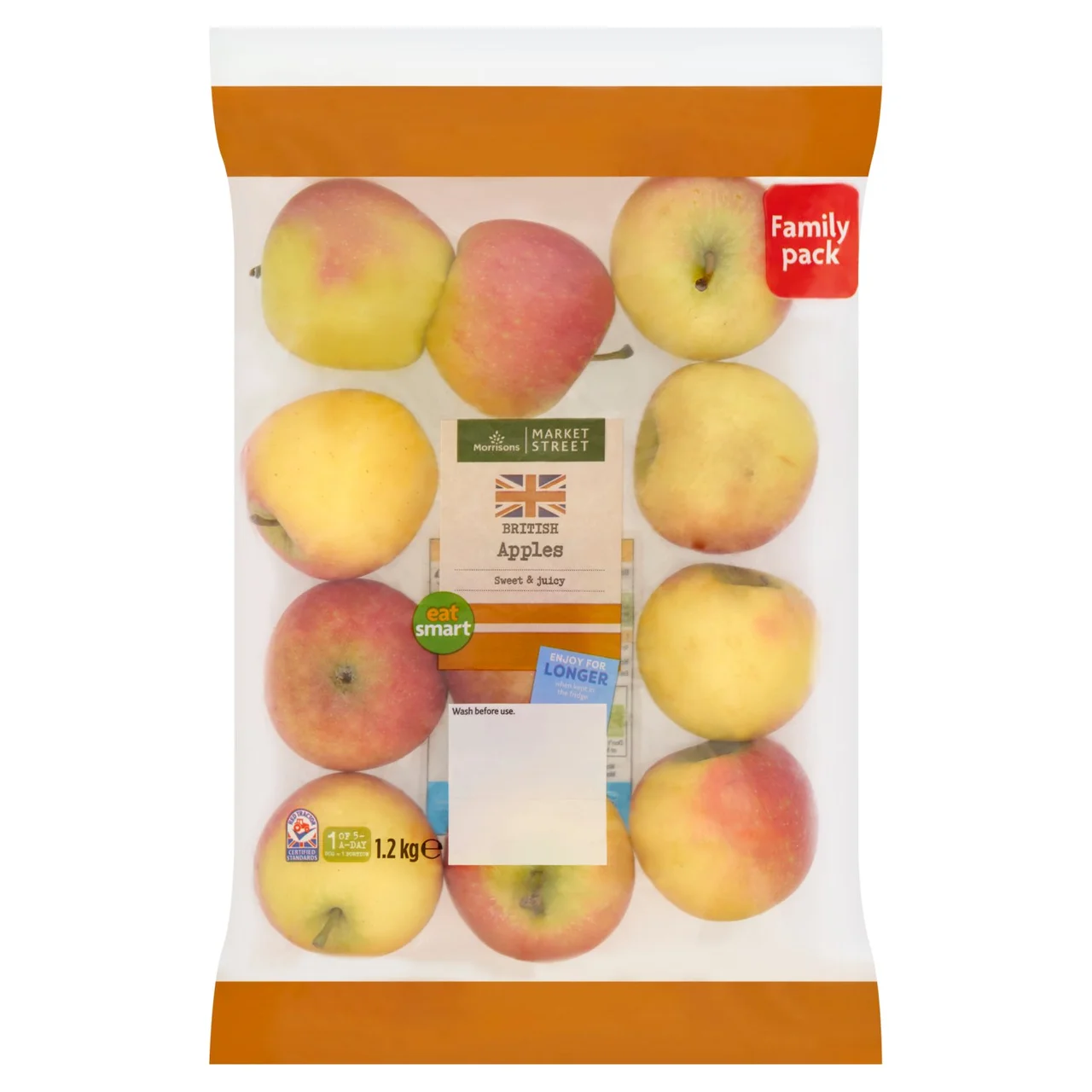
- Product pages such as Explore Cotton Candy Seedless Grapes, Fyffes Bananas and Morrisons Apples let you check item details separately.
- Location, availability and fulfilment can affect what you can actually add, so confirm the basket before checkout.
Where do Morrisons Grocery offers appear?
The UK grocery site has a dedicated Offers area alongside its browse and shop navigation. This gives shoppers a starting point for scanning promotional listings across the online range. It is a directory, though, rather than a promise that every offer suits every order.
Open an individual listing before making a decision. Its page should tell you which products qualify and what action is needed. The listing may apply to selected products, a combination of items, or a particular shopping condition. Treat the wording on that page as the rule for the offer, not a general assumption based on the banner or category it appeared in.
It also helps to separate product browsing from offer browsing. For example, the Explore Cotton Candy Seedless Grapes page describes an individual fruit item, while the Offers area explains which promotions are currently listed across the shop. A product page can be useful for checking the exact item, but it does not by itself establish that the product qualifies for a particular promotion.
Who is most likely to benefit from an offer?
Promotions are most useful when their eligible products already fit a household’s plans. Someone planning snacks and lunchboxes might have a practical use for fruit such as Fyffes Bananas or apples. A larger or multi-item condition may work for a household that will use the qualifying quantity, while a smaller household may prefer to skip it rather than buy extra food solely to meet a rule.
Think about the item after the promotional period as well. Fresh produce has a limited useful life, and the product information can include storage advice. The Morrisons Apples page is one example of an item listing to inspect before adding it. For a planned meal, a promotion on an ingredient you already need may be more relevant than a larger-looking offer on something absent from your list.
- Start with meals, packed lunches or household staples you intended to buy.
- Compare the named offer items with the exact product pages.
- Consider whether the qualifying quantity can be stored and used.
- Ignore a promotion if it encourages an unnecessary addition.
A mixed basket can make the offer section easier to use: browse the listed promotions, then return to the ordinary categories for everything else. The benefit is convenience when the offer aligns with your list, not a reason to rebuild the list around whatever is promoted.
What conditions should you check before adding items?
Read the complete offer description and look for its qualifying range, any quantity or combination rule, exclusions, account requirements and end date. Some terms may be visible on a listing page and some may require opening linked conditions. If one detail is unclear, leave the saving out of your calculation until the checkout basket confirms that the offer has applied.
Next, check product identity carefully. Similar names, flavours, pack formats or brands may look interchangeable while only one is eligible. The product pages for Explore Cotton Candy Seedless Grapes and Fyffes Bananas illustrate how item names are presented individually. Match the exact listing rather than relying on a broad category label.
- Open the offer’s own details page.
- Note the products and conditions it names.
- Open the matching item page and confirm it is available for your location.
- Add only items you expect to use, then review the basket for the offer’s application and final terms.
Availability deserves its own check. Morrisons asks online shoppers to choose a delivery location, and selection can affect what is available. If a qualifying item is unavailable for your area or chosen fulfilment option, the promotion may not help your order. Recheck the basket after substitutions or edits because changing an item can affect whether the original conditions are still met.
How can you keep the offer useful to your shop?
Use the promotion as a filter, not as the starting point for every purchase. Keep the household list visible while browsing, and compare the actual products against that list. A fruit promotion, for instance, is only practical if the fruit will be eaten; a listing on a product you do not need may add cost or waste despite its promotional label.
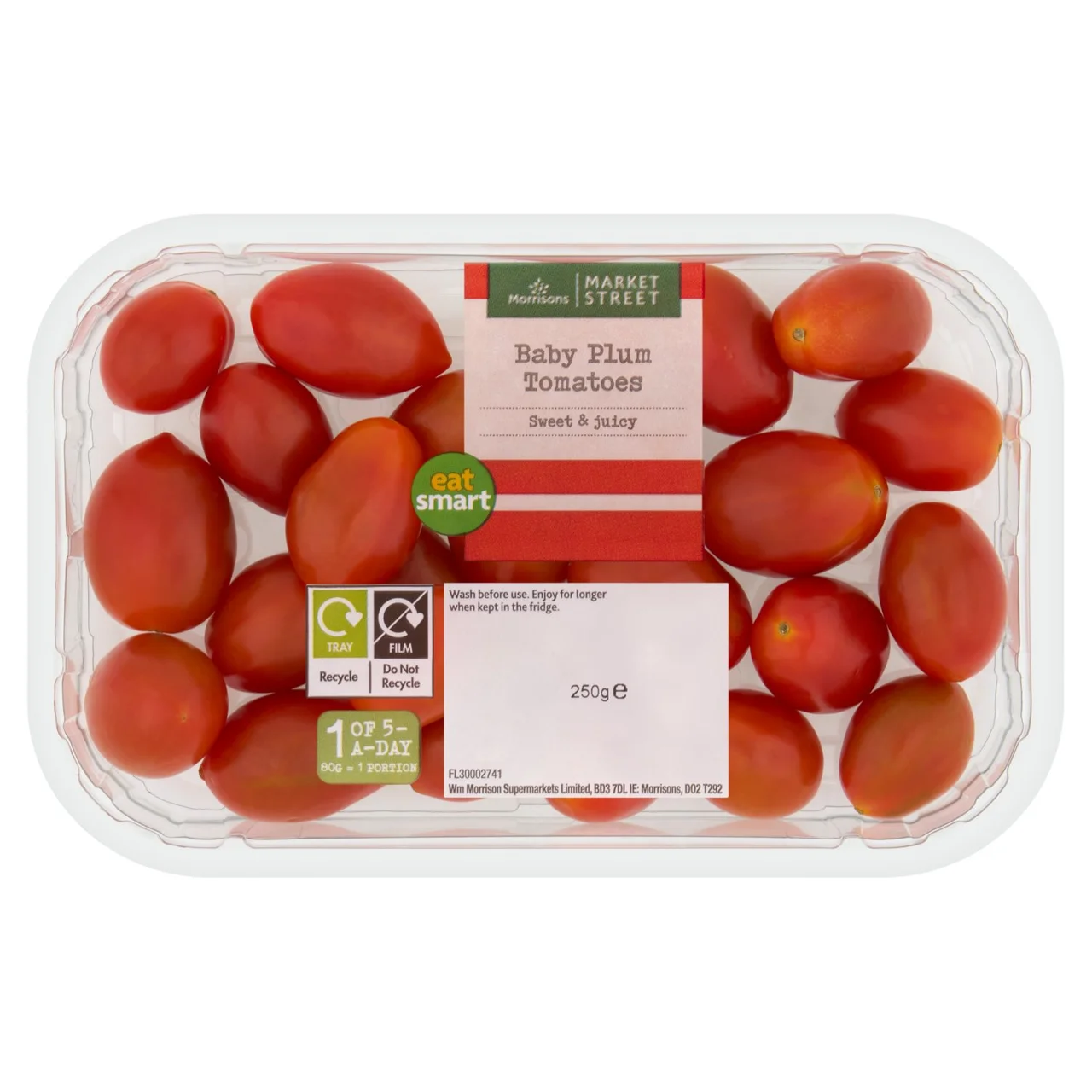
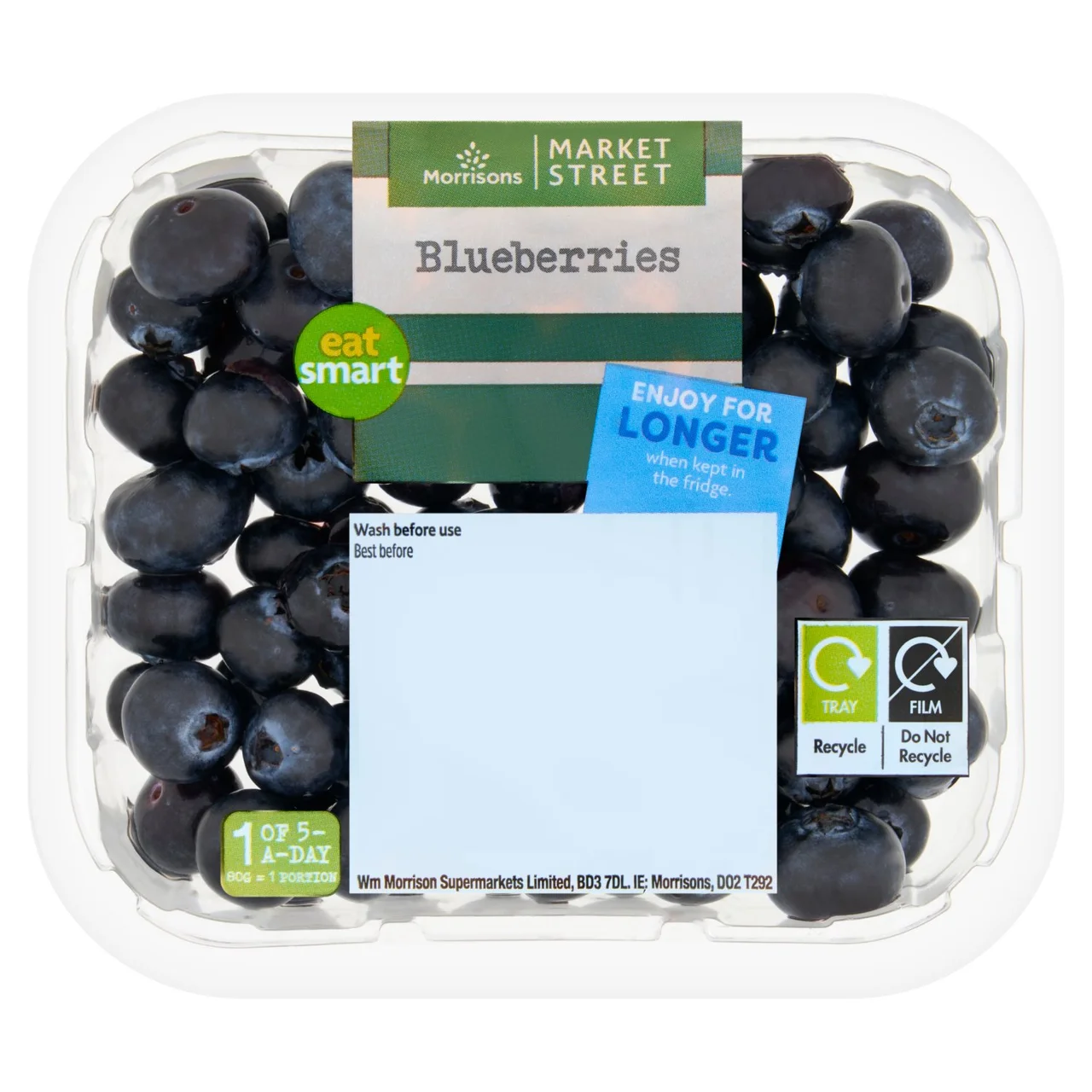
When the page lists a selection, check whether all variants qualify or only certain ones. The Morrisons Apples page provides a concrete example of the detail available for a single grocery product. Similar diligence applies to fresh categories such as baby plum tomatoes or blueberries: check the named product, storage needs and availability rather than assuming every item in the aisle shares the same terms.
- Keep the regular shop list separate from optional promotional finds.
- Check offer conditions again if you change the qualifying items.
- Review substitutions, delivery location and basket contents before submitting the order.
There is a trade-off: promotions can help make a planned shop more efficient, but monitoring multiple conditions takes attention. For a straightforward shop, a relevant offer on a familiar item may be enough. Shoppers comparing many listings should focus on the few that match real needs rather than chasing every available promotion.
What does a product page add to the decision?
An item page helps confirm what you are choosing, its displayed product name, availability signals and any description or storage guidance. It is especially helpful when two products look similar in a promotion tile. For example, the listings for Explore Cotton Candy Seedless Grapes and Fyffes Bananas give you specific product references to compare against the eligible range stated by an offer.
Use both layers together: the offer page answers what conditions apply; the product page answers what the item is. Neither should be treated as a substitute for checking the basket before checkout. If the promotion is not visible after you have added the qualifying items, revisit the written terms and confirm the right products are present.
Questions shoppers ask
Do all products in a category qualify?
Not necessarily. Follow the specific offer wording and match the exact eligible products. A category page or promotional tile may show a broader range than the terms cover.
Can an offer change what is available to me?
Product availability can depend on the delivery location and fulfilment options shown by the store. Choose your location and check the basket so you know whether the qualifying items can be supplied.
Where should I confirm the final conditions?
Start with the individual offer details, then verify the qualifying items and offer application in your basket before submitting an order. Use the live store terms for the final decision.
Our recommendation
Morrisons Grocery’s Offers area is worth checking when you are already planning an online grocery shop and want to see whether any listed promotion fits it. Read the individual terms, confirm exact items and availability, and use product pages to resolve item-level questions.
The limitation is that offers and stock can vary, so a listing cannot guarantee a particular saving or product for every shopper. Keep your list in control and let the live offer details determine whether it is relevant.