
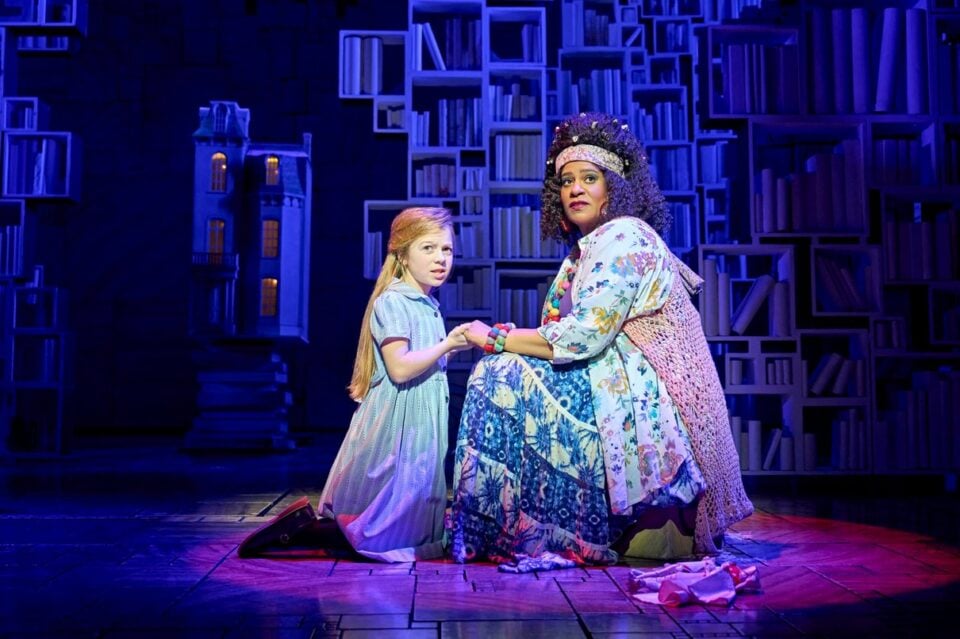
When a first London theatre visit starts with a familiar story, the useful question is what the stage version adds and how the official site helps a group prepare.
Matilda, The Musical UK NEW is the Royal Shakespeare Company’s West End musical inspired by Roald Dahl’s book. Its official pages place the production at the Cambridge Theatre and bring together the story, creative credits, performance information and visitor resources.
We have reviewed the official production and performance information to explain what gives the show its identity, what kinds of audience options appear in its range, and where visitors should check details for themselves.
This article contains affiliate links. If you buy through them, we may earn a commission at no extra cost to you.
Before you read on
- A Royal Shakespeare Company musical inspired by Roald Dahl’s Matilda, with a book by Dennis Kelly and original songs by Tim Minchin.
- The official London production is presented at the Cambridge Theatre in the West End.
- The official site lists Chilled, Captioned, Audio Described and other assisted performance formats.
- Visual, sonic and audio resources help visitors understand the production before choosing a performance.
How did Matilda become a stage musical?
The starting point is a well-known story: a bright child finds ways to challenge unfairness around her. The official site describes its production as an anarchic story about an extraordinary girl who dares to change her own destiny. That premise gives the musical a strong central point of view, while the stage format can use a wider company, choreography, design and live music to build a world around Matilda.
The adaptation has a recognisable creative structure. Dennis Kelly wrote the book and Tim Minchin wrote the original songs, with the Royal Shakespeare Company producing the show. Those credits distinguish this stage work from the novel and screen adaptations. The official Matilda The Musical Chilled Performance information also shows how the production’s online presence goes beyond plot and casting to explain the visit itself.
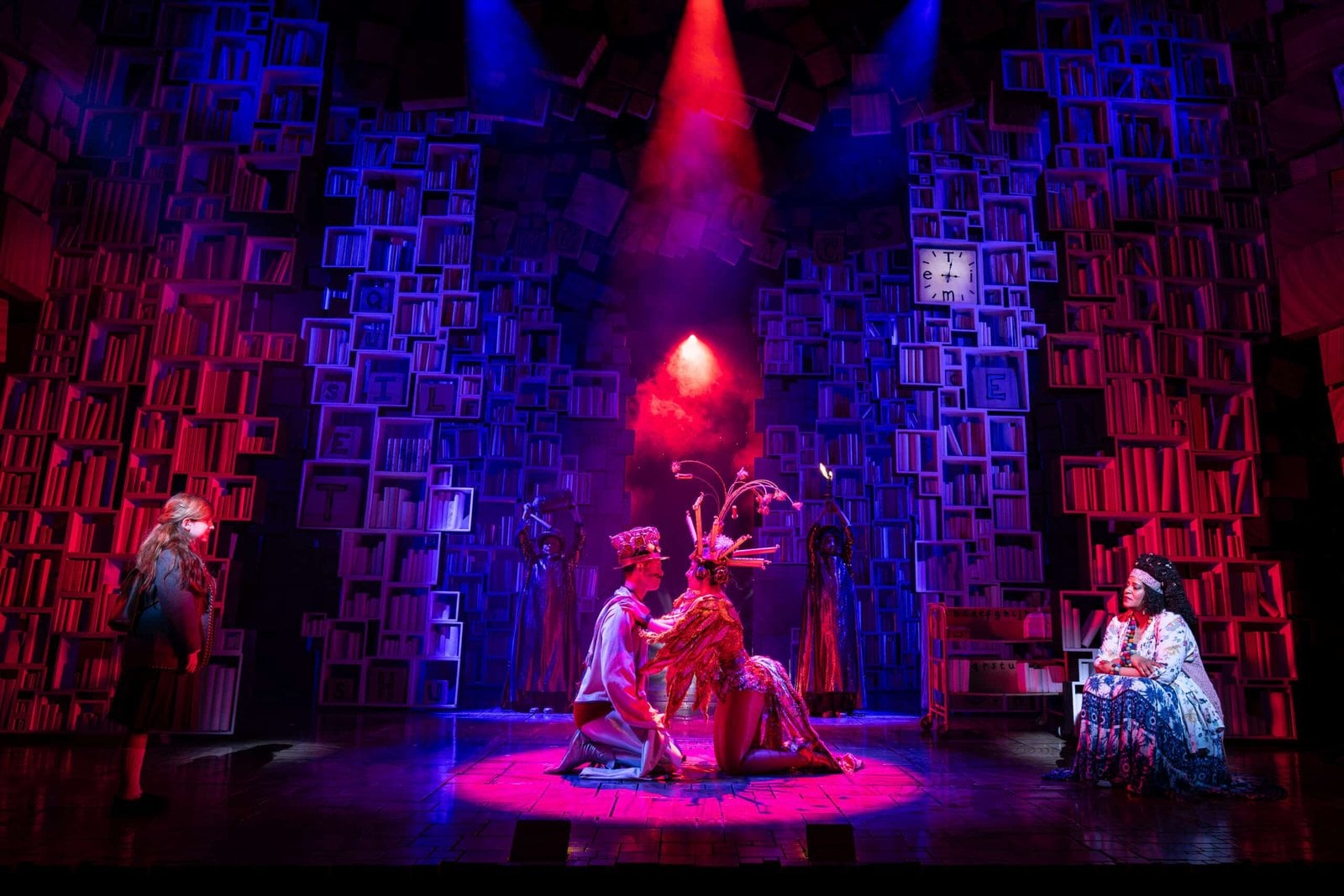
The show’s history is part of the brand story, too. Its London site frames it as a long-running West End production and notes performances in cities worldwide. Such reach indicates a work with an established audience, but it does not tell a newcomer whether a particular performance suits their household. For that, the official production detail is more useful than broad reputation.
- Source material: Roald Dahl’s book gives the story its original characters and conflict.
- Stage adaptation: Dennis Kelly’s book shapes the narrative for musical theatre.
- Music: Tim Minchin’s songs provide a separate creative strand.
- Producer: The Royal Shakespeare Company presents the London production.
What makes the official offer more than a show page?
The official UK site functions as a small information hub. It connects the production overview with ticket information, cast and creative credits, galleries, frequently asked questions, school material and assisted performance guidance. This range can make a first look easier: readers can move from “what is this show?” to “what does my group need to know?” without relying on a short promotional description alone.
For a family or mixed-age group, practical context is central. The site gives age guidance and warns that the production includes flashing lights, lasers, loud sound effects, popped latex balloons, stage haze and actors interacting in audience spaces. These details are significant for planning. The production is stated as unsuitable for children under six, with separate information for relaxed and chilled performances; check the official wording and booking conditions before making arrangements.
- Check the age guidance and content advisory against the needs of everyone attending.
- Look at the performance date and format, since assisted performances are scheduled separately.
- Use the official access pages to understand the venue route and available support.
- Confirm booking and seating details with the official ticket route before travelling.
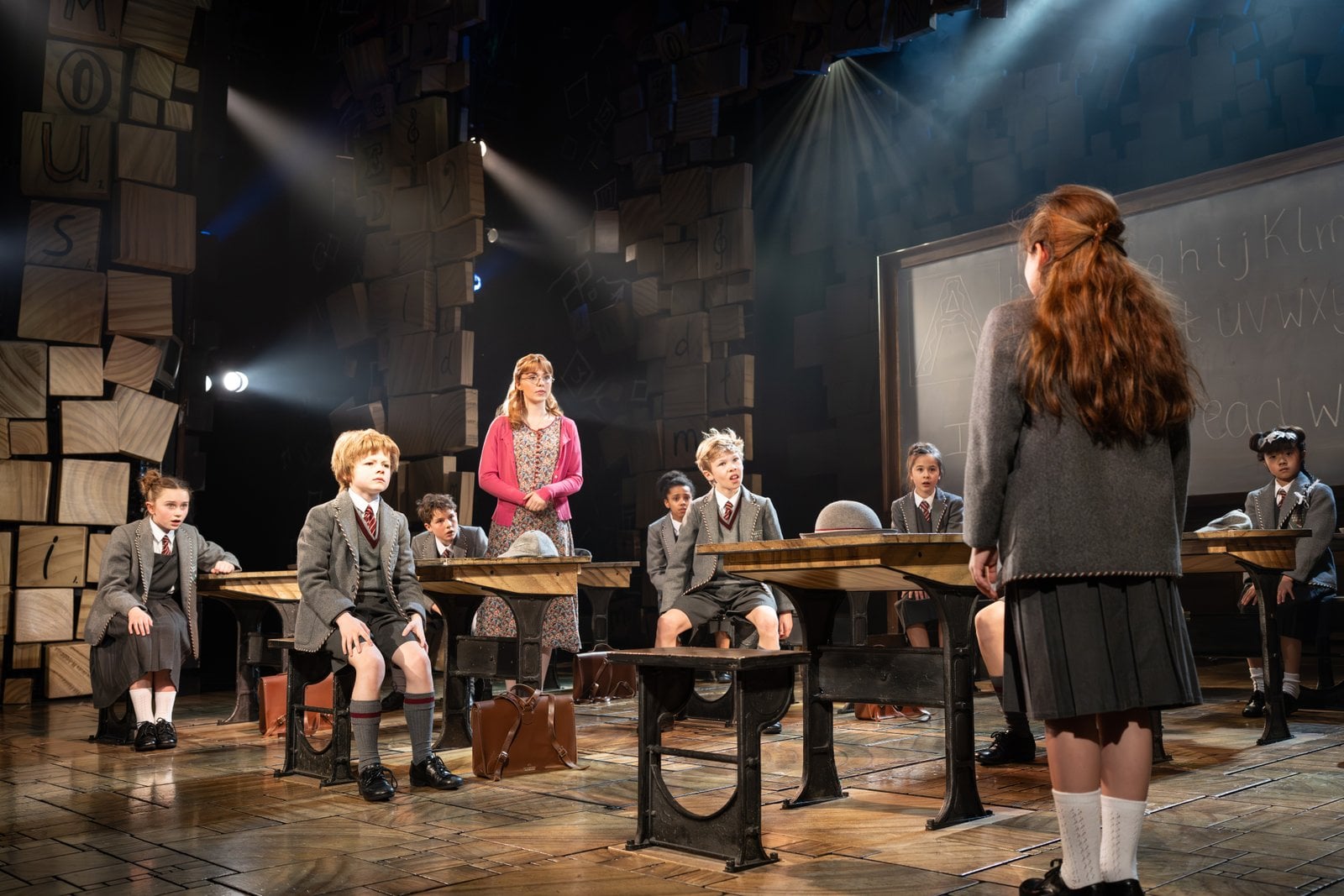
The practical materials are among the production’s most reader-facing features. The official site links a visual story, an easy-read version, a sonic story, introductory audio and a British Sign Language synopsis. These resources are not substitutes for asking the venue about an individual access need, but they let visitors preview aspects of the visit in formats beyond a conventional synopsis.
Which performance options sit within the range?
The performance range reflects different communication and sensory preferences. A Matilda The Musical Captioned Performance is listed for audiences who benefit from captions. The official site also lists BSL interpreted performances and Audio Described performances, with touch tours noted before the latter. The dates shown can change, so readers should verify the schedule rather than assume every format runs at every performance.
The Matilda The Musical Chilled Performance belongs to a different part of this range. Chilled and Relaxed options are designed to make the environment more accommodating for some visitors; the official page explains the format and related resources. They are not a promise that every production element disappears. The content advisory remains relevant, and visitors should read the description carefully when deciding whether a particular show fits.

Audio description offers another specific route. The official Matilda The Musical Audio Described Performance listing notes a touch tour before these performances and provides scheduled dates. That detail helps explain the offer, while the linked booking information is the place to confirm availability and practical arrangements.
- Captioned: a format to consider when captions are useful.
- BSL interpreted: selected performances include a British Sign Language interpreter.
- Audio described: selected performances include a touch tour before the show.
- Chilled and Relaxed: dedicated formats with additional information on the official access page.
What can a first-time visitor learn before choosing?
Begin with the material that answers your own planning question, rather than treating every page as equally important. If the story is unfamiliar, the official show overview and trailer give a quick orientation. If the group includes children, the age guidance and content advisory deserve a careful read. If access planning is relevant, start with the performance type, the venue access information and the resources attached to the show.
The range also shows the production’s approach to audience information. Instead of leaving accessibility as a vague reassurance, the site names performance formats and provides related material. That makes it easier to ask precise follow-up questions. Still, availability is date-specific; general information does not establish that a preferred format is available for the date a visitor wants. The Captioned Performance page and Audio Described Performance page are useful starting points.
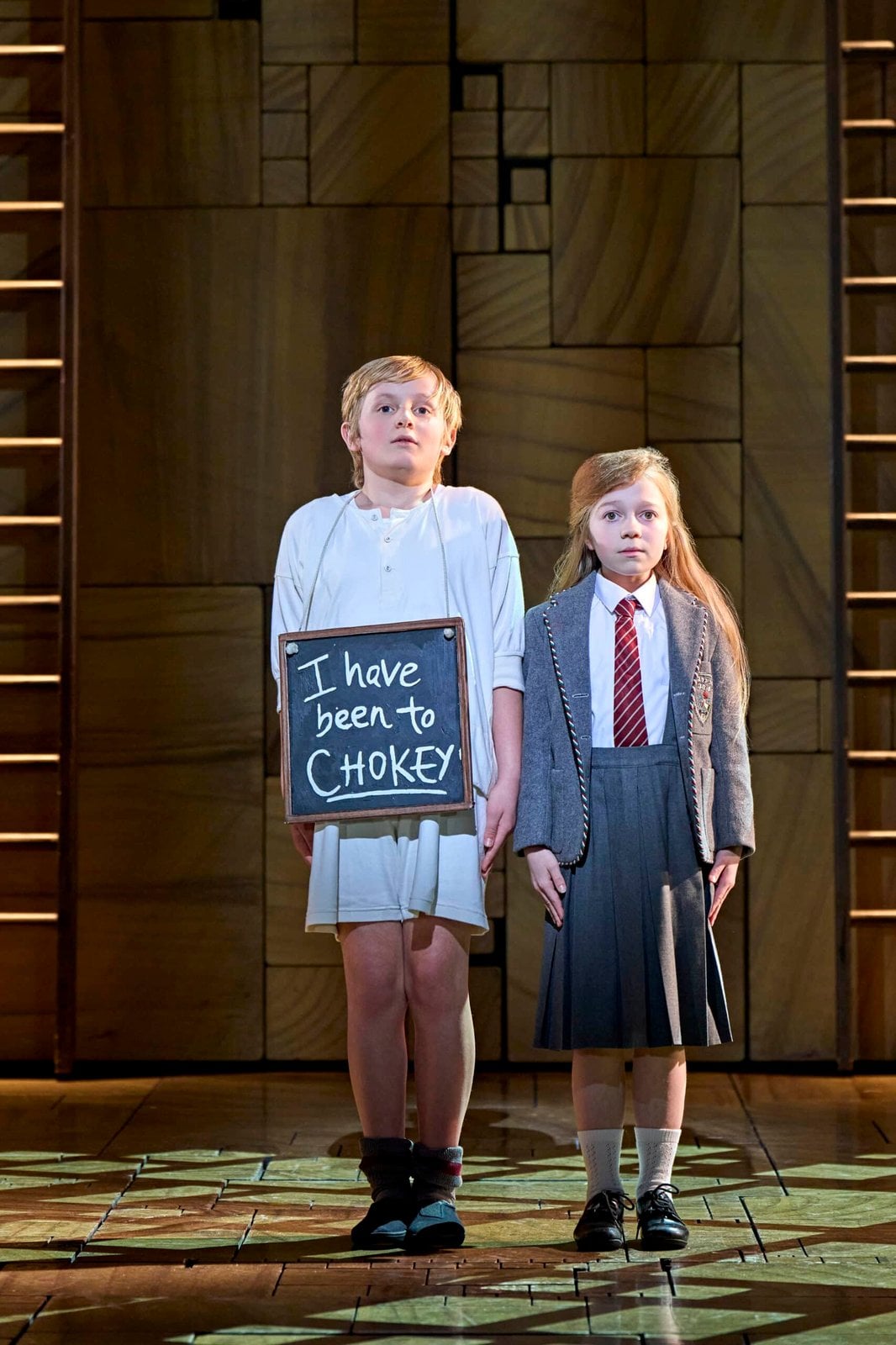
For a group comparing options, write down the practical criteria first. Consider which show time works, whether a particular performance format is necessary, what content information matters, and what venue arrangements need confirmation. Then use the official pages to answer those points. This order keeps the brand’s extensive information useful without turning a first visit into an exercise in reading every section.
- Start from the audience’s needs, not from the most prominent promotional message.
- Check the selected performance date against the format you need.
- Read venue guidance separately from show content guidance.
- Contact the box office for questions the web pages do not settle.
It is useful to distinguish official information from a recommendation. The brand’s material can describe the work, its formats and venue policies; it cannot decide whether the show is right for every child or group. Our editorial view is that the strongest first step is a combination of the story overview and practical pages, with the access section taking priority whenever sensory, communication or mobility needs shape the visit.
Where does the production’s appeal come from?
For readers who know the book, the appeal is the chance to see a familiar story translated into a live theatrical language. For readers who do not, the official description still gives a simple entry point: a child protagonist pushes back against adults and circumstances that underestimate her. The creative credits add context, while the production gallery and trailer suggest the visual scale without requiring a visitor to know the plot in advance.
The official offer has breadth in how it explains the visit, but its online scope has limits. The site directs ticket transactions to the theatre’s booking channel, and actual performance choice and availability are determined there. The brand pages also cannot replace direct advice for a personal access question. Use them as a well-organised starting point, then confirm details that affect your own booking. For example, review the Chilled Performance details alongside the specific date you are considering.

Frequently asked questions
Who created the stage musical?
The official site credits Dennis Kelly with the book and Tim Minchin with the original songs. The Royal Shakespeare Company produces the London production, which is inspired by Roald Dahl’s book.
What audience formats are listed?
The official assisted performance information includes Chilled, Relaxed, Captioned, BSL interpreted and Audio Described options. Check the current Captioned Performance information or Audio Described Performance information because availability depends on the date.
Can visitors prepare before arriving?
Yes. The site links visual and sonic stories, introductory audio and a BSL synopsis. These resources provide advance context, though questions about an individual visit should go to the venue or box office.
Our recommendation
Matilda, The Musical UK NEW is easiest to understand as both an adaptation with a clear creative lineage and a London theatre offer with useful audience information. For a first-time reader, we recommend beginning with the story and creative overview, then using the official performance pages to match a date and format to the group’s needs.
The limitation is that the website cannot guarantee a suitable date, answer every personal access question or tell each family how a child will respond to the production’s effects. Check the content advisory, confirm the chosen performance’s details and contact the venue for anything the published guidance leaves open.