
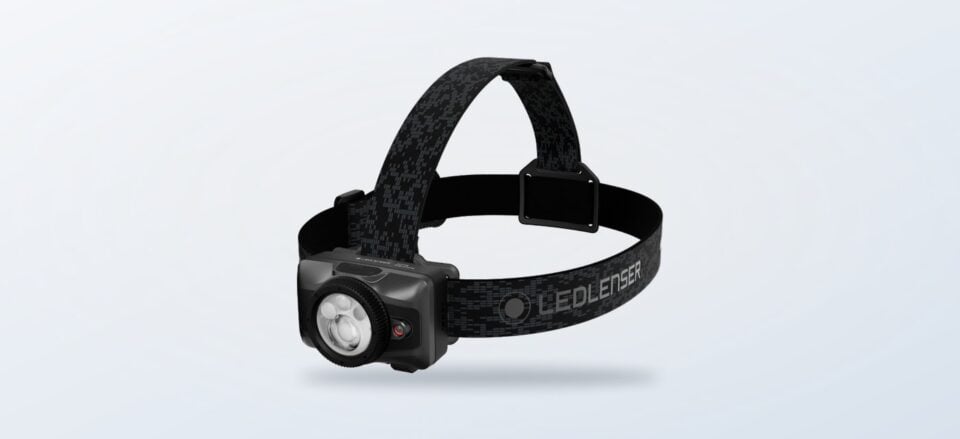
Choosing a torch sounds simple until you are comparing lumens, beam patterns, charging systems and half a dozen shapes that look similar in a product grid. The easiest way to get it right is to start with the job, then work backwards. This guide turns that process into a short checklist and uses real Ledlenser models as practical reference points.
Ledlenser makes torches, head torches, lanterns and area lights for everyday carry, running, camping, fishing and professional work. Its UK range is organised by use, type and performance, so you can narrow the choice without guessing from a product name alone. The UK product pages cover the available options and their features.
My starting rule is straightforward: decide whether you need both hands free, how far ahead you need to see and how often you can recharge. That immediately removes most of the wrong options.
This article contains affiliate links. If you buy through them, we may earn a commission at no extra cost to you.
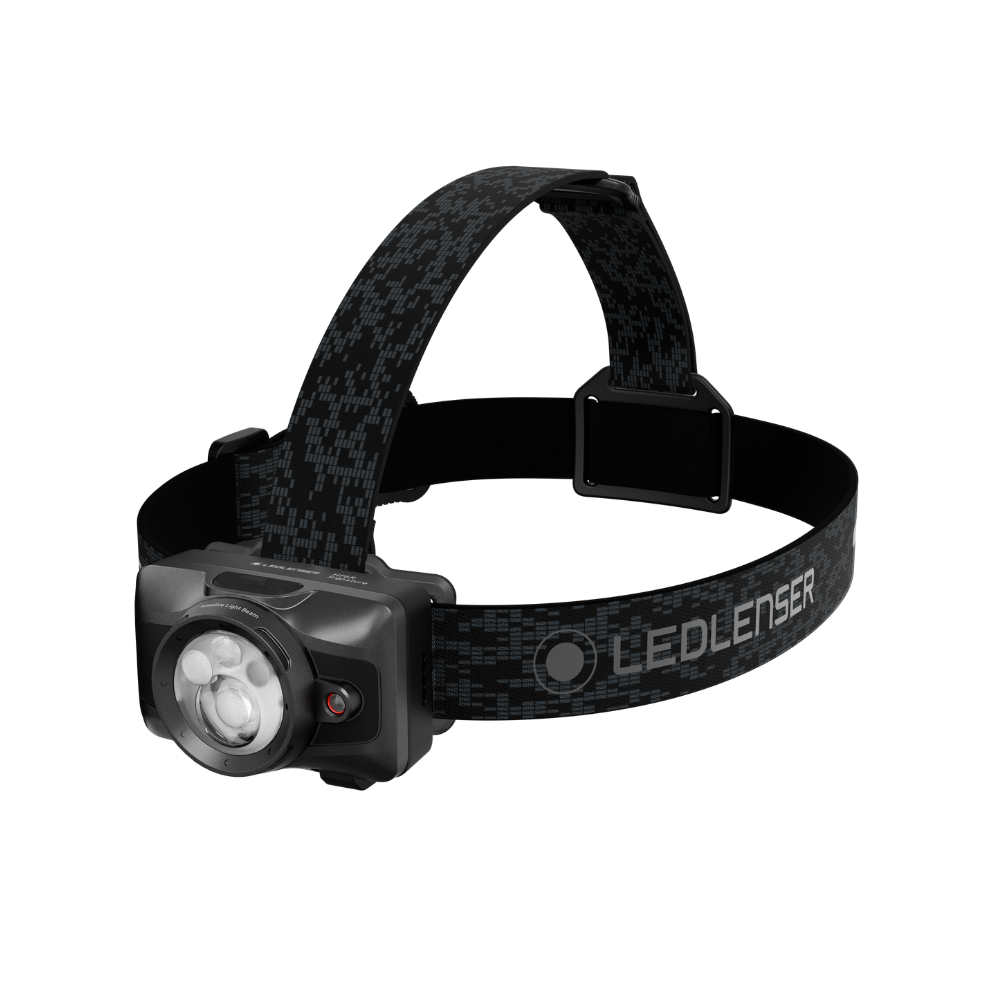
What job should your Ledlenser light handle?
A light for a dog walk does not need the same balance as a light for trail running or a dark worksite. Write down the situation in one sentence. For example, “I need a hands-free light for two-hour evening runs” is more useful than “I want the brightest torch.”
- Walking and home: prioritise a comfortable headband or compact pocket shape, simple controls and enough throw for paths.
- Running: look for low weight, a stable fit and a beam that helps you read the ground ahead.
- Camping: consider a head torch plus a lantern or area light for hands-free camp tasks.
- Trade and work: favour robust rechargeable options, practical mounting and output that suits close inspection.
The Ledlenser outdoor collections group walking, hiking, running and camping models together, while the work light range is a better place to look for inspection and area lighting. Starting in the relevant collection is the fastest way to keep the shortlist sensible.
How bright should your Ledlenser beam be?
Lumens describe light output, but more is not automatically better. A very bright beam can be uncomfortable on a narrow path, while a broad flood is more helpful when you are working close to a wall or bench. Think about distance, width and whether you need to preserve night vision.
- Choose a modest output for close tasks, reading maps and moving around the house.
- Move up to the 650 to 900 lumen range for general outdoor walking, running and mixed conditions.
- Choose a higher-output model when you need distance, faster movement or a wider working area.
- Check whether the model offers several modes, because a useful low setting saves battery.
For a balanced starting point, the HF6R PRO Rechargeable Head Torch 2026 offers 900 lumens. That is a useful middle ground for walking, DIY and outdoor trips. The HF4R PRO offers 650 lumens, which may be the more sensible choice if weight matters more than maximum reach.
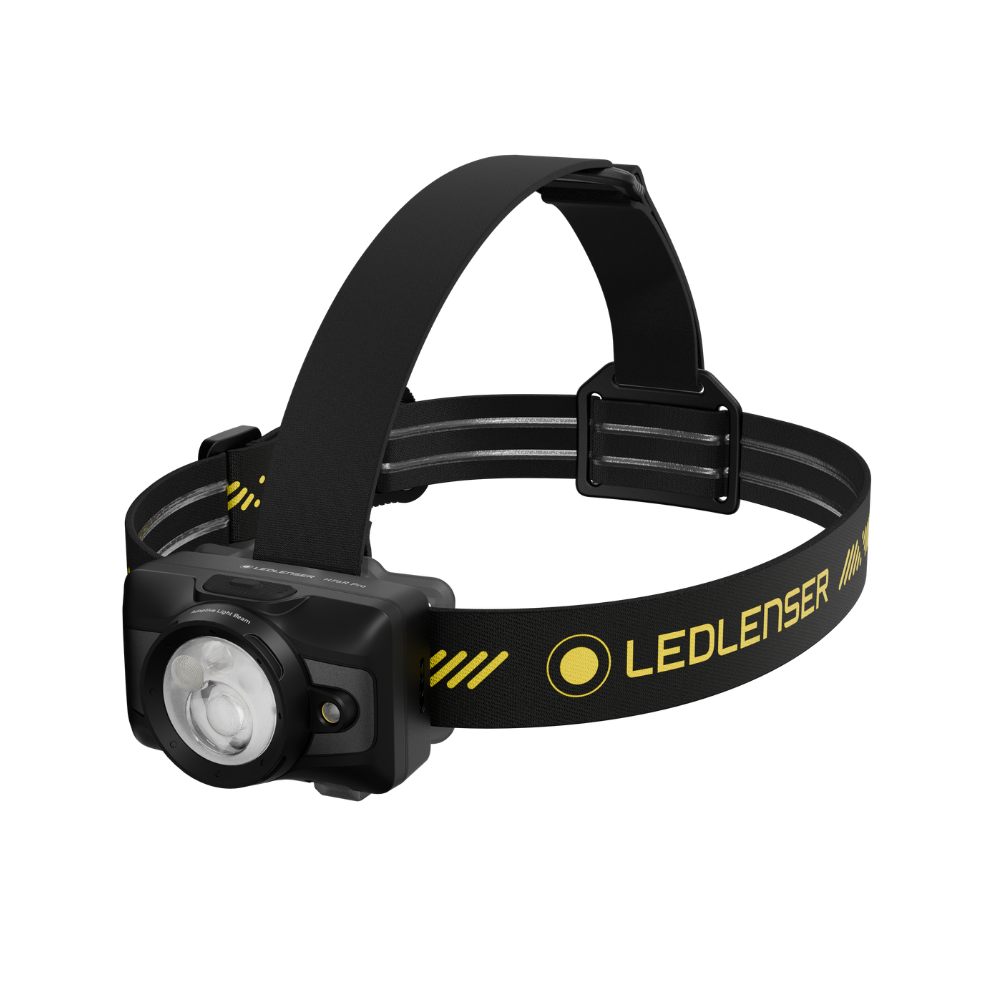
Before choosing the brightest option, open the full Ledlenser torch specifications and look at the modes and stated run times. A useful torch is one you can operate at the output you actually need.
How should your Ledlenser fit your movement?
Head torches are convenient because your hands remain available, but only when the fit stays comfortable. For running, a loose band or front-heavy body becomes annoying quickly. For work, adjustability and the ability to aim the beam where your hands are working can matter more than a few extra lumens.
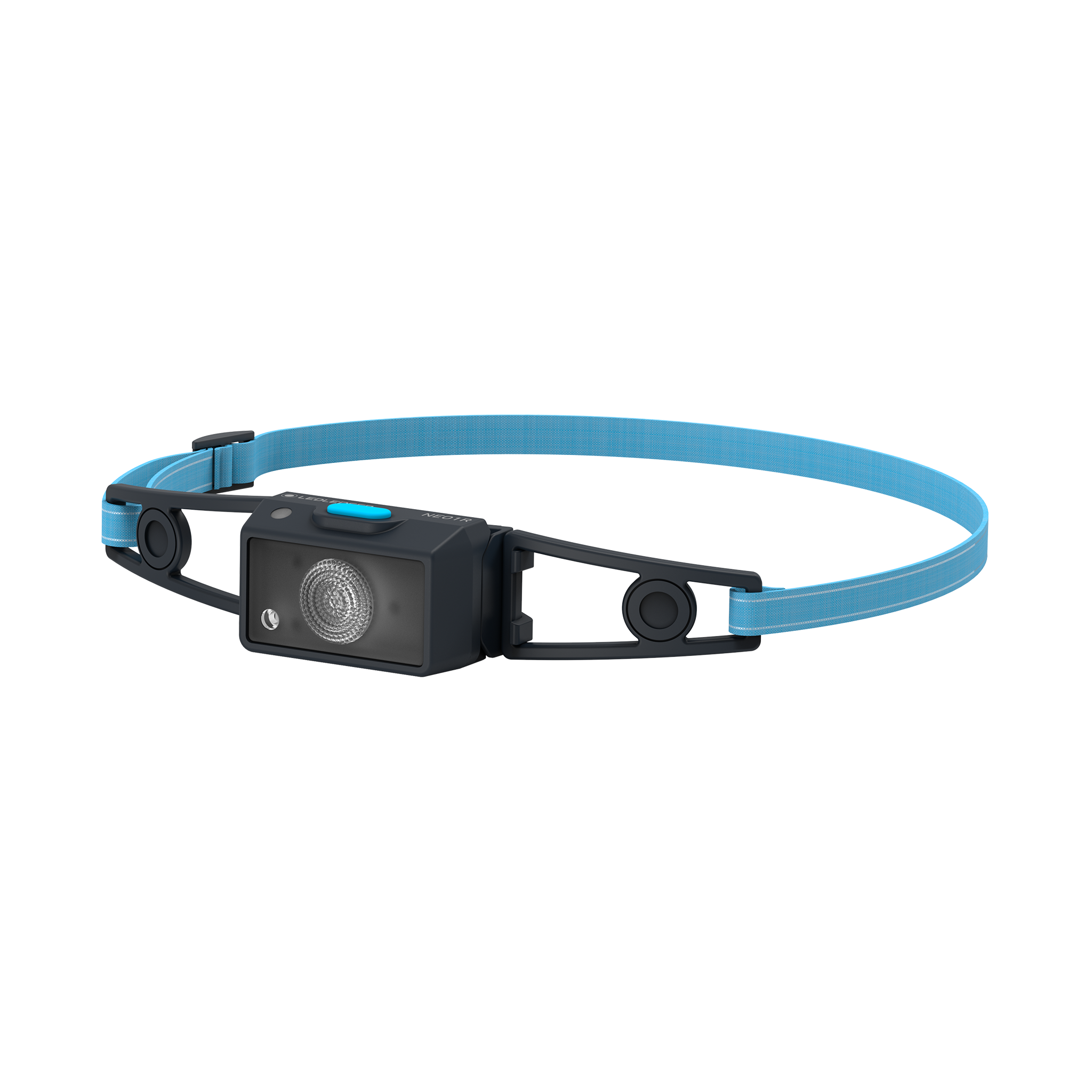
The NEO1R + MEOLINQ Ultra-Lightweight Rechargeable Running Head Torch offers 250 lumens. It is a focused example of the “light and stable” choice: a runner may value a compact rechargeable unit more than the raw output of a larger outdoor torch.
- Check the headband adjustment while wearing the clothing you normally use.
- Look for a body that can tilt so the beam reaches the ground without bending your neck.
- For winter use, allow room for a hat but avoid a band that can slip.
- For work, check whether the model suits a helmet mount or another accessory.
For a more capable outdoor option, the HF7R Signature RGB Rechargeable Head Torch 2026 offers 1,300 lumens. That puts it in the high-output part of the range, useful when you want more reach and a broader set of settings. The HF7R Signature details are worth checking if you hike, camp or work outdoors often.
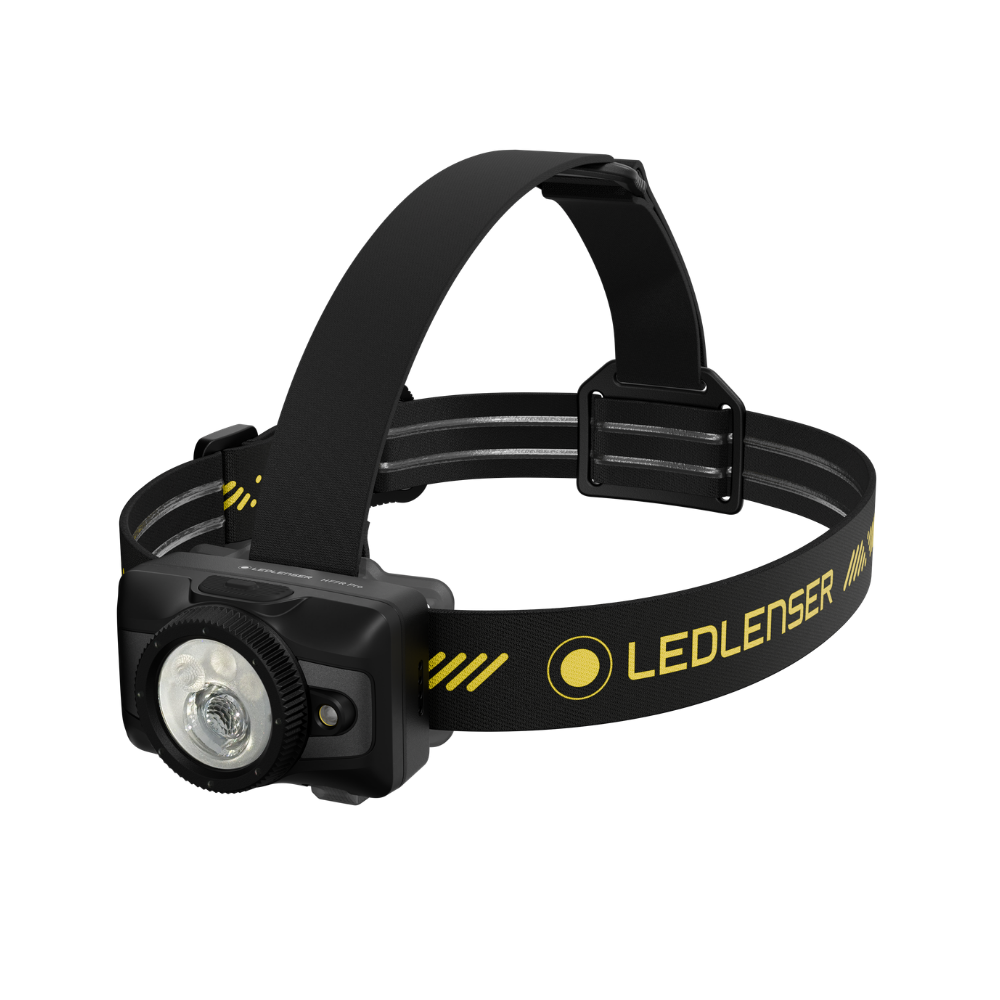
Notice the difference in the decision: the NEO1R is about low weight and movement, while the HF7R Signature is about performance headroom. Neither is universally “best.” The right answer depends on whether comfort or reach is your limiting factor.
Should your Ledlenser use rechargeable batteries?
Rechargeable models are convenient if you use the light regularly and can remember to top it up. They also make sense for frequent runners, campers and tradespeople. Battery-powered models can be easier to keep ready in an emergency kit or a vehicle, especially when you do not know when the light will next be needed.
- Choose rechargeable: for frequent use, lower day-to-day battery waste and easy USB charging.
- Choose battery powered: for backup storage, occasional use or places without reliable charging.
- Check charging access: confirm whether your kit has the correct cable, dock or spare battery.
- Plan a backup: keep a second light or charged battery for long trips and essential work.
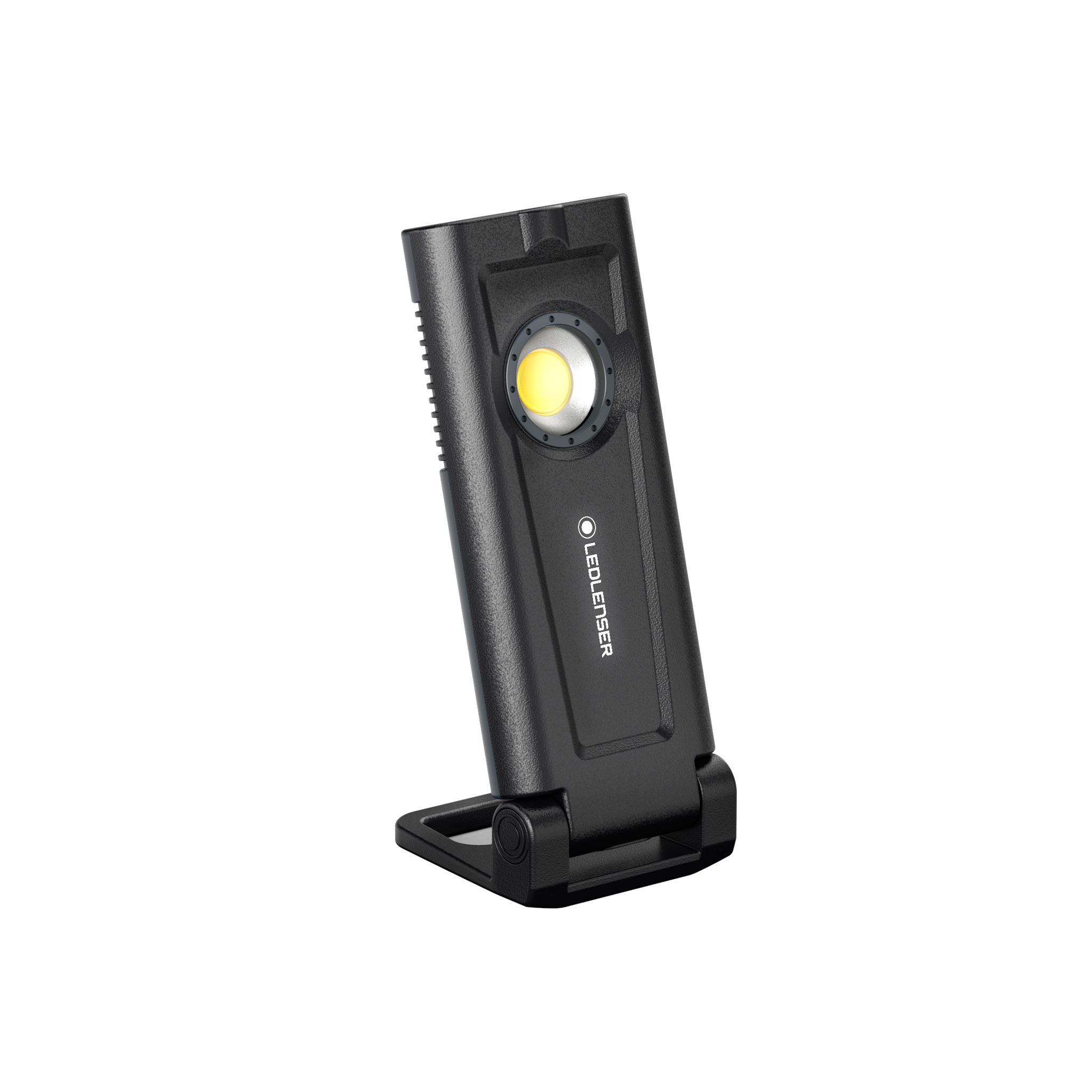
Ledlenser also sells rechargeable batteries and charging accessories, which helps if you want to build a matched setup. For a workbench or vehicle, the iF2R Mini Area Flood Spotlight is designed for illuminating a close, broad area.
Do not overlook storage. A rechargeable torch that has sat unused for months may need a charge before an emergency. Add a quick battery check to the same routine as your smoke alarm or camping kit inspection.
Which Ledlenser details matter before ordering?
Once you have one or two finalists, spend five minutes checking details that are easy to miss in a grid view. This is where the natural choice becomes the informed choice, because you are matching the product to your real routine rather than buying on a headline number.
- Confirm the price, availability and whether the listed model is a current or nearly new product.
- Read the product page for weight, dimensions, beam settings, charging method and included items.
- Check the intended use, especially if you need a work light or intrinsically safe model.
- Review delivery, warranty and returns information for the UK.
- Save the product page or model name so replacement parts are easy to find later.
The Ledlenser UK support pages include warranty, user guide and replacement information. That matters for a light you expect to keep for years. It is also a reason to choose the exact model carefully, because accessories and batteries are often model-specific.
Which Ledlenser suits your routine?
If you want a short answer after following the steps, we would narrow the range like this:
- For regular running: start with the NEO1R + MEOLINQ and check whether 250 lumens suits your routes.
- For mixed outdoor and home use: compare the HF6R PRO with the HF4R PRO.
- For maximum head-torch performance: inspect the HF7R Signature and compare its modes with your needs.
- For broad close-up work: consider the iF2R area flood spotlight rather than a narrow torch.
Those are starting points, not fixed recommendations. Use the full Ledlenser range if your use case is fishing, emergency response, cycling or professional work. The range is broad enough that a more specialised model may be a better fit than forcing a general-purpose torch to do everything.
Frequently asked questions
Is a higher lumen count always better?
No. Higher output helps with distance and speed, but a lower setting can be more comfortable, preserve battery and reduce glare. Choose the output and beam width that fit the scene.
Which Ledlenser light is best for running?
Start with a lightweight running model such as the NEO1R + MEOLINQ, listed at 250 lumens. Check comfort, stability and the lighting needs of your usual route before moving to a larger model.
Should I buy a torch or a head torch?
Choose a head torch when you need both hands free, such as running, climbing, camping or repairs. Choose a handheld torch for pocket carry, signalling or situations where you want to aim the light independently.
Once you know the job, the choice becomes much less complicated: pick the right format, set a realistic brightness range, check the fit and confirm the charging plan. That process makes Ledlenser a natural place to compare because its UK store covers everyday lights, specialist head torches and area lighting in one range.