
A home gym works best when each purchase has a clear job and a realistic place to live. Before choosing equipment, decide what you want to train, what your room can support and which pieces will work together.
We reviewed the current WUXTIME U.S. product listings for their stated features and setup details. This guide turns those details into a simple selection process, with examples from strength, conditioning and recovery.
This article contains affiliate links. If you buy through them, we may earn a commission at no extra cost to you.
Before you read on
- Measure clear floor area, ceiling height and access before choosing equipment.
- SHIELD Rubber-Coated Olympic Grip Plates suit barbell work and off-bar carries when you own compatible Olympic equipment.
- Power Sled Competition SD1 needs a usable push or drag route, so check the surface and storage plan first.
- SaunaGym 1-Person Infrared Sauna is a dedicated recovery option that needs a separate space and electrical setup check.
How much room can the equipment actually use?
Start with the usable footprint, not the empty-room dimensions. Mark where a barbell needs to travel, where a bench might move and how you will carry equipment in and out. Include clearance around moving parts and a place to store loose accessories. The usable training area is smaller than the room’s outline once doors, shelves and walkways are accounted for.
- Measure the floor area and note obstructions such as doors, radiators and low beams.
- Check ceiling height against overhead presses, pull-ups or any tall equipment you are considering.
- Plan how equipment gets through hallways, stairs and doorways before ordering bulky items.
- Leave enough space to load plates and move safely around the station.
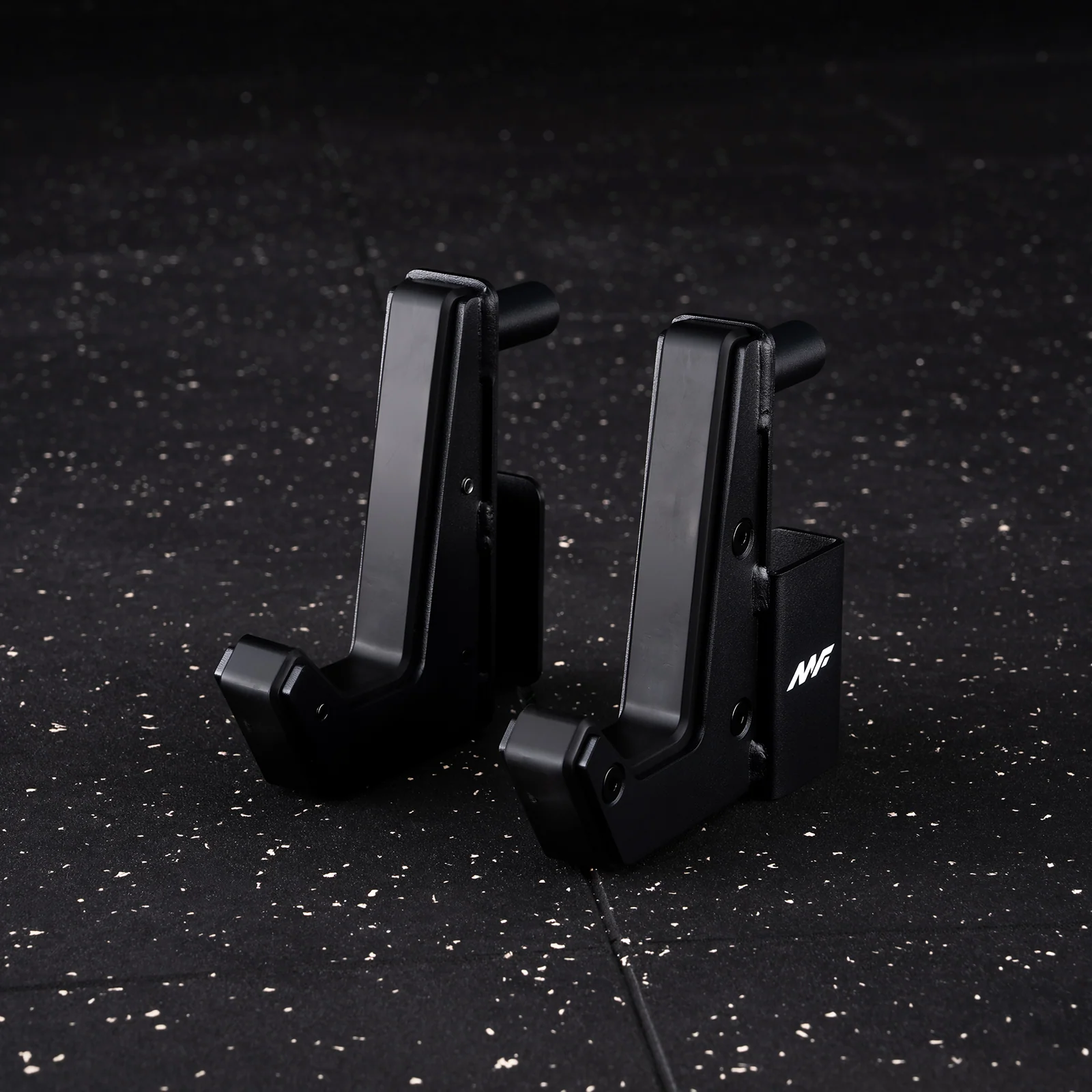
This step can narrow the choice quickly. If a full rack is not workable, a focused accessory or a compact training tool may address the actual gap more cleanly. For rack owners, compatibility matters as much as footprint: the Flat Sandwich J-Hooks are listed for two-by-two-inch uprights with one-inch holes. Their product page also describes a solid steel frame, nylon pads and a pin-lock connection. Those measurements make a straightforward fit checklist; they do not establish compatibility with every rack.
Which movements should your first purchase support?
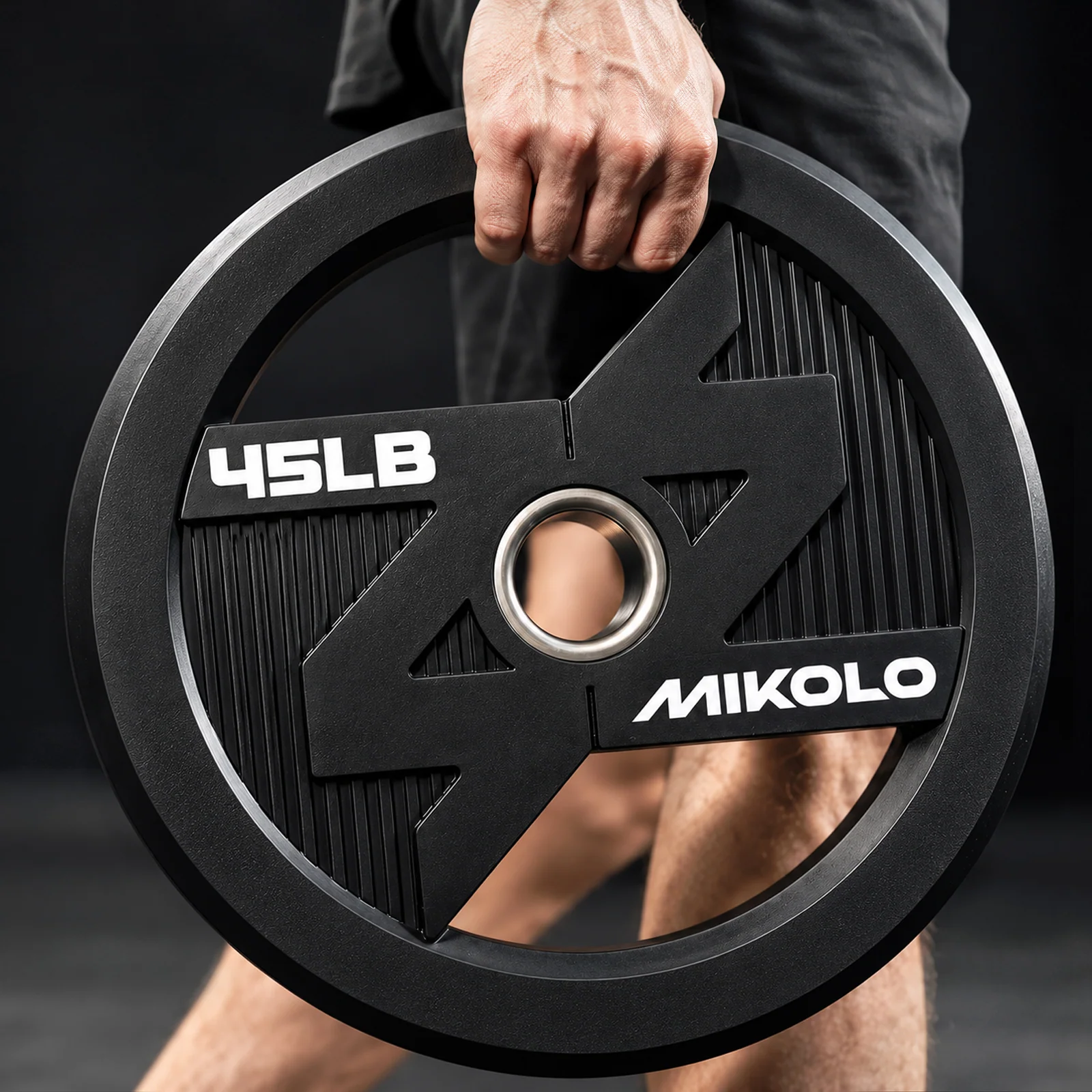
Choose around movements you will repeat, rather than the number of features in a listing. If barbell training is already part of your routine, plates can make the existing setup more useful. WUXTIME’s SHIELD Rubber-Coated Olympic Grip Plates have a cast-iron core, a protective rubber coating, dual handles and a two-inch center hole listed for Olympic barbells. The handles also support off-bar movements such as carries and presses, according to the product page.
That combination is useful if you want one plate to serve more than one role, but it only makes sense when the bar and storage setup fit. Check the specific plate size and weight options on the listing, confirm the bar sleeve standard, and consider how you will store the set. A coating may help protect equipment and flooring, but it does not remove the need for a stable lifting surface or careful loading.
- For barbell strength, check the bar standard, plate storage and floor protection.
- For cable work, confirm the attachment fits the station and offers grips you will use.
- For general conditioning, pick a tool that supports the drills you can do consistently.
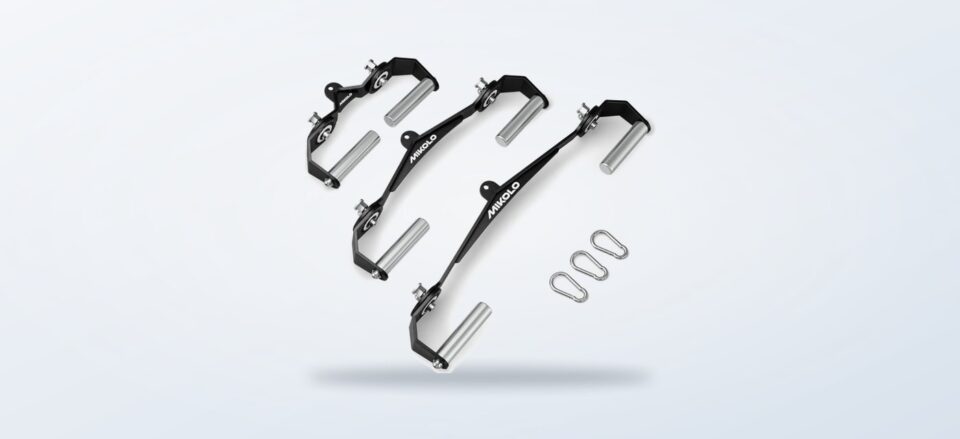
Accessories belong in the plan after the main station is clear. For a cable trainer, the 360° Rotating Multi-Grip Cable Attachment Bar Set offers multiple grip positions; check the connector and the trainer’s cable end before adding it. A specialty handle adds value only when it expands a movement you actually program.
Will conditioning equipment fit your training route?
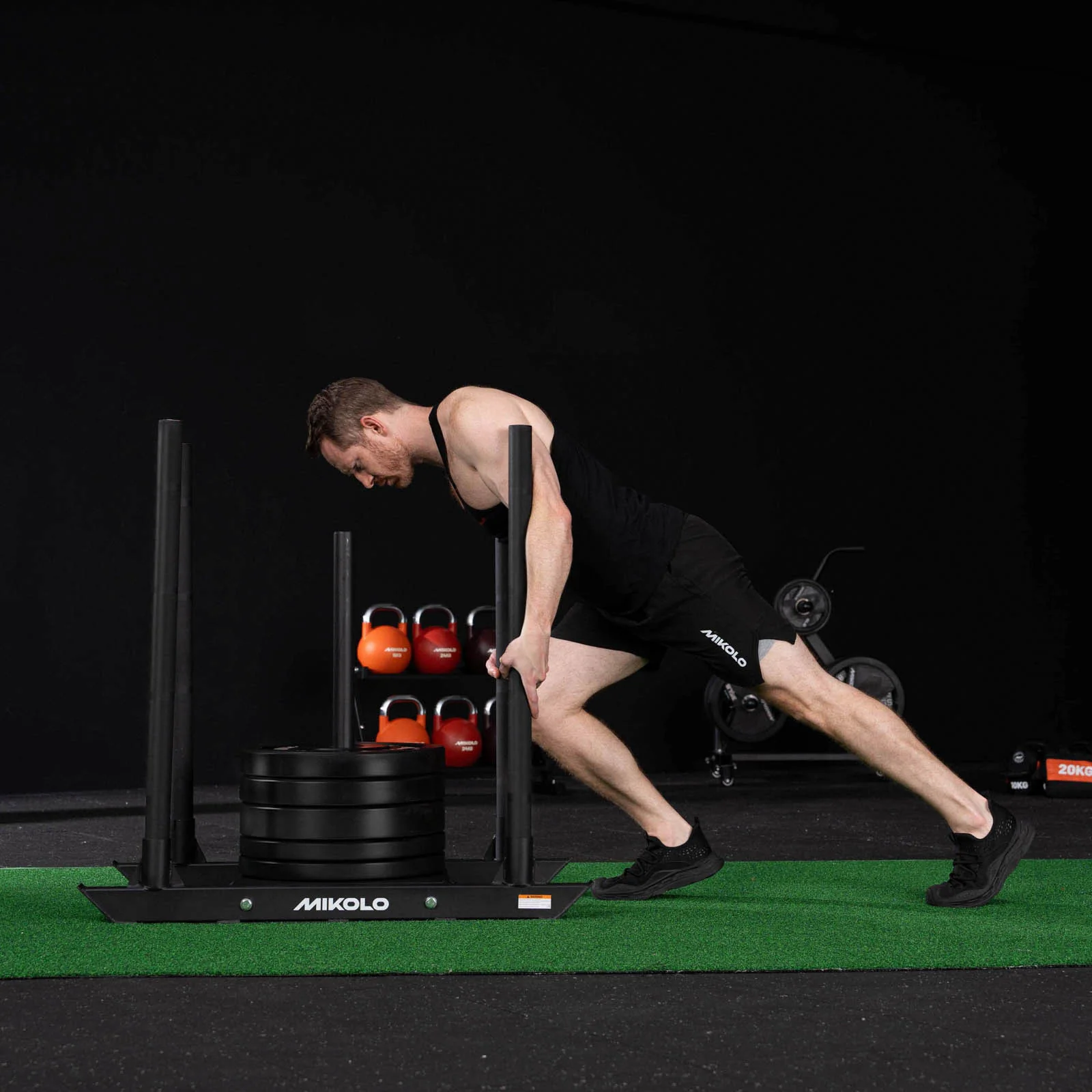
Conditioning tools can take little storage space yet demand a surprising amount of working room. The Power Sled Competition SD1 is listed with four knurled push handles, two tow points and an Olympic plate-compatible loading post. That points to push and drag sessions, but the sled needs a surface and route that suit its use.
Before choosing it, identify where each session will happen. A garage driveway, turf lane and shared indoor floor have different limits for traction, noise and neighboring activity. Confirm the sled’s dimensions and recommended surface on the current product page, then consider where it will be parked when not in use. Its handles and loading post matter less if there is nowhere practical to push or pull it.
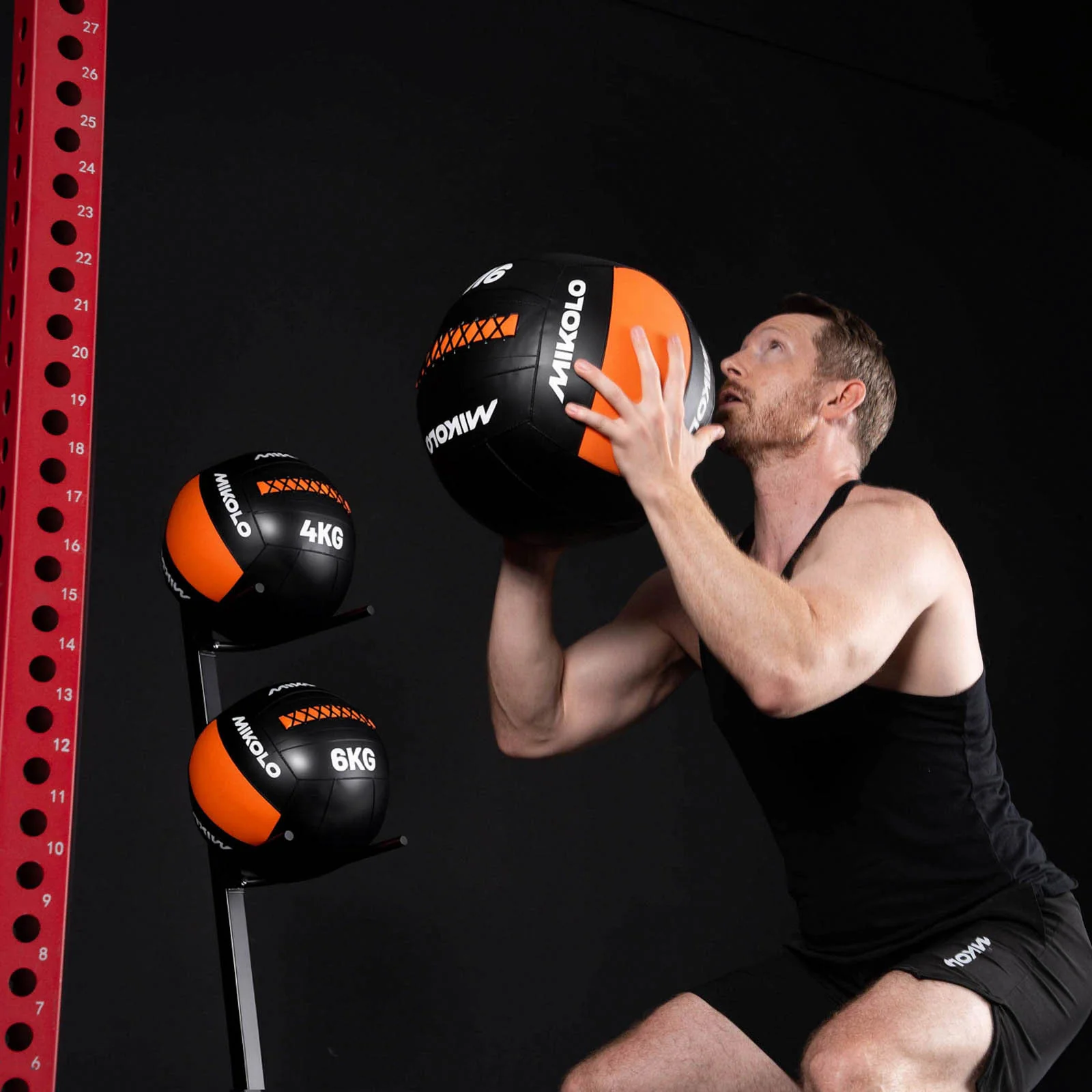
If you do not have a clear sled route, a smaller conditioning tool could fit better. The WUXTIME Performance Wall Ball MB7 listing describes a PVC shell, reinforced double stitching and use for throws, squats and partner drills. It still needs a suitable wall or open area, but its training footprint differs from repeated sled passes. Choose based on the space you can reliably access, not an imagined ideal workout room.
Is recovery equipment a priority or a later addition?
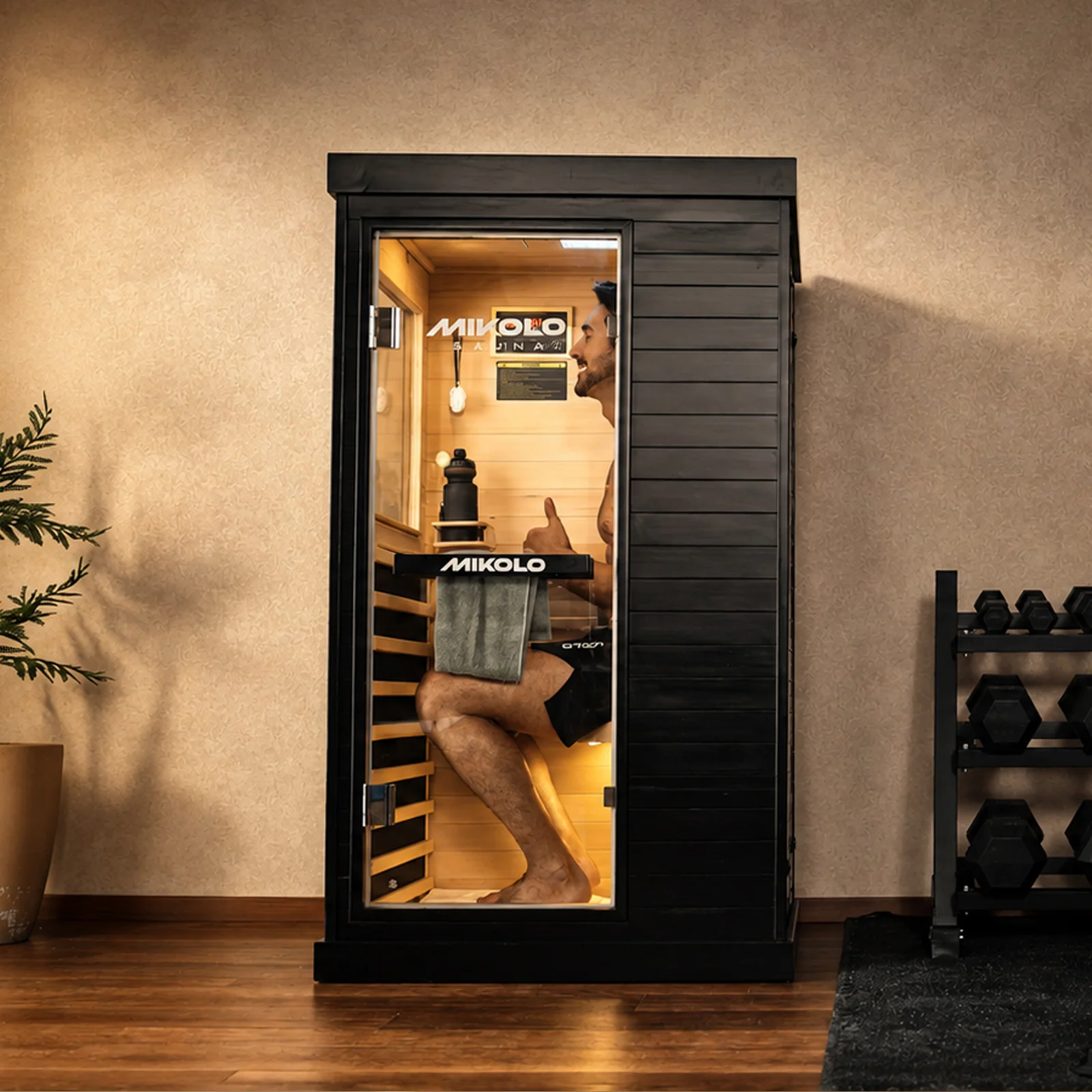
Recovery equipment deserves its own decision because it does not replace a training station. The SaunaGym 1-Person Infrared Sauna is a dedicated single-person cabin. WUXTIME describes full-body far-infrared heating, audio, ambient lighting and smart controls on its listing. These are the brand’s stated features; readers should review the current specifications and setup requirements before deciding whether a sauna belongs in their home.
Measure the proposed location, check access for delivery and installation, and verify the electrical requirements with the listing and a qualified installer where needed. Account for ventilation, the surrounding environment and the time you can set aside for use. A sauna is a larger commitment in room and setup than a small accessory, so it usually makes sense only after your training essentials and recovery preferences are clear.
How do these equipment choices compare?
Use this compact comparison to match each example to its main job. The cost of a setup can depend on the equipment tier, included components, required accessories and any delivery or installation needs. Check the current product details and total checkout terms before committing.
| Choice | Best fit | Check first |
|---|---|---|
| SHIELD Grip Plates | Barbell lifts and loaded carries | Bar standard, plate selection, storage |
| Power Sled SD1 | Push and drag conditioning | Surface, route length, storage |
| SaunaGym | Dedicated at-home recovery space | Dimensions, electrical setup, delivery |
| Flat Sandwich J-Hooks | Rack owners needing compatible bar supports | Upright and hole dimensions |
These are different kinds of purchases, so the best option depends on what your current setup lacks. If your routine centers on progressive barbell work, compatible plates or rack parts can build on what you own. If you want conditioning and have a route, the sled fills a different role. Treat the sauna as a separate recovery decision with its own space and setup checks.
What should you confirm before ordering?
- Recheck measurements, access routes and ceiling clearance against the specific listing.
- Confirm compatibility details such as rack upright size, hole diameter, bar standard and attachment connector.
- Review what is included, what must be purchased separately and how the product is shipped or installed.
- Look at the current product information for care guidance, warranty terms and any relevant return conditions.
This final check reduces the chance of buying a capable item that cannot be used in your room or with your existing gear. Product pages can change, so verify current specifications and availability when making your decision. For pieces that carry or suspend weight, follow the manufacturer’s instructions and use a qualified installer if the setup calls for one.
What do buyers often ask about WUXTIME equipment?
Are WUXTIME grip plates compatible with every barbell?
The SHIELD listing specifies a two-inch center hole intended for Olympic barbells. Check your bar’s sleeve dimensions and the exact plate details before ordering, since standards and product variants can differ.
Does a power sled work in a small home gym?
It depends on having a suitable route and surface for pushes or drags, plus somewhere to store it. Measure the full training path, not only the sled’s parked footprint, before choosing the SD1.
Should recovery equipment come before training basics?
For most room plans, settle the equipment you will use for regular training first. A dedicated sauna can be considered once its space, electrical requirements and role in your routine are clear.
Our recommendation
Choose the piece that solves a specific, repeated training need and fits the space you have measured. For a barbell setup, start with the compatibility details on the SHIELD plates or Flat Sandwich J-Hooks. Consider the Power Sled SD1 only when your conditioning route is workable, and place the SaunaGym in a separate recovery budget and space plan.
The main limitation is that catalog details cannot tell you whether a product will suit your exact room or routine. Use the measurements and product specifications to narrow the choice, then confirm current details on the store before deciding.