
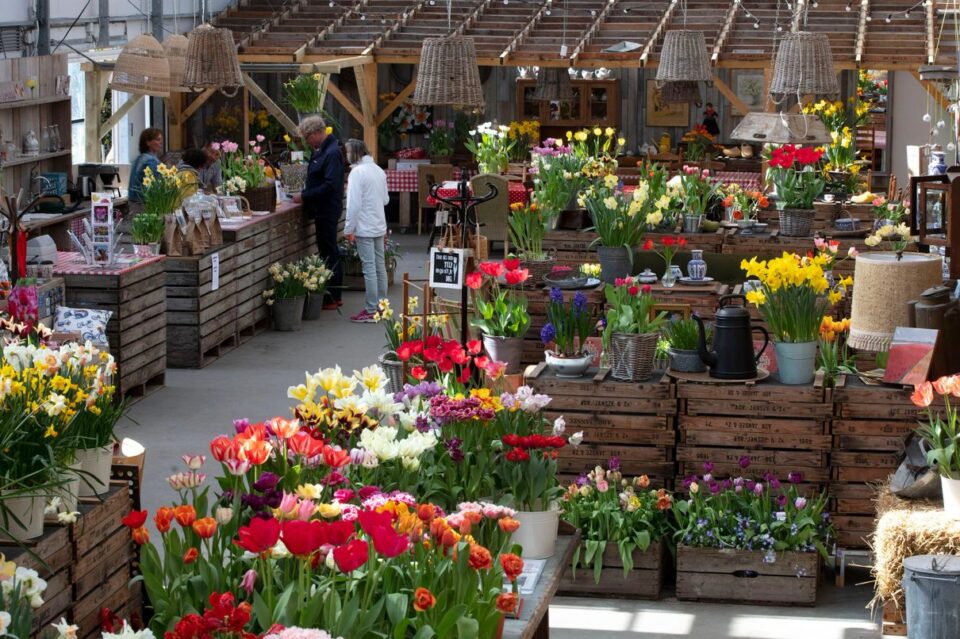
When you first encounter a specialist bulb shop, the useful question is not only what is in season, but who is choosing the range and what help comes with it. DutchGrown™ gives UK gardeners a family story, a seasonal catalogue and plant-level guidance to help find a starting point.
We looked at the UK storefront and its product information to understand the brand beyond its name. The picture is of a long-running flower-bulb business that now sells across more than one planting season, from familiar spring bulbs to border perennials and summer-flowering choices. For a new reader, that breadth is useful when it is paired with practical growing details.
The store describes a family business with roots in Dutch bulb growing, while the UK site says its assortment includes bulbs and plants dispatched from London. Those are brand statements, not independent quality guarantees, so it is worth looking at the information attached to the exact variety you have in mind.
This article contains affiliate links. If you buy through them, we may earn a commission at no extra cost to you.
Before you read on
- The family story on the site traces the business to 1882 and describes four generations in flower bulbs.
- The range covers autumn-planted bulbs as well as spring-planted bulbs and perennial plants.
- Anemone Fullstar Bordeaux has fully double burgundy flowers for borders, containers and cutting gardens.
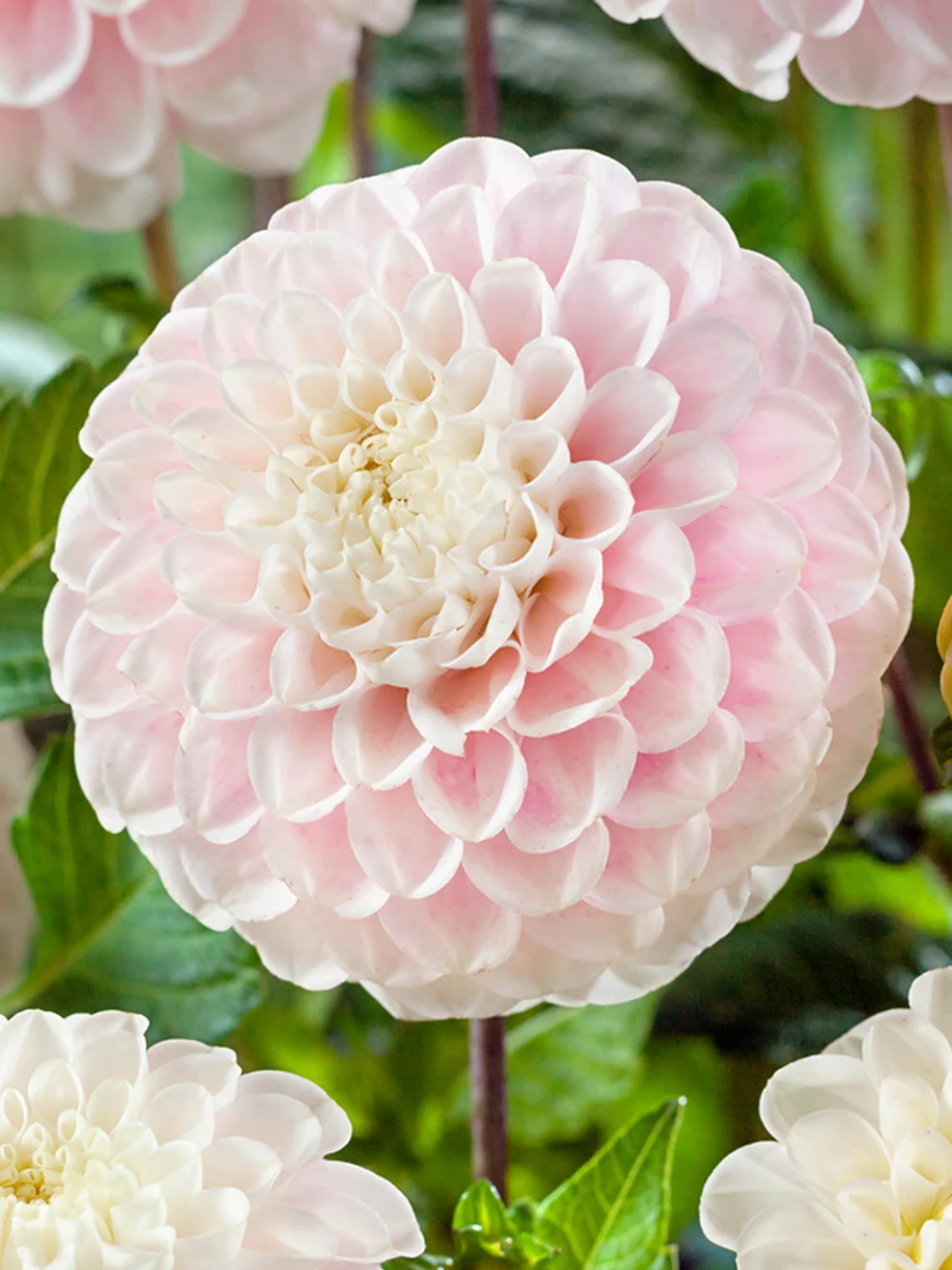
- Dahlia Wizard of Lightning is presented as a creamy pink garden and vase flower on tall stems.
- Product pages can help narrow a choice by flowering period, mature height, position and soil preference.
Who is behind DutchGrown™?
The company tells its origin story through brothers Ben and Pete and a family line in the flower-bulb trade. Its account begins with a great-grandfather who farmed bulbs in the Netherlands and started selling them abroad. The brand dates that chapter to 1882 and describes a four-generation history. This context helps explain why its identity centres on horticultural heritage and trade relationships, rather than a single signature flower.
The roles described on the UK storefront are complementary: Ben is presented as the flower-bulb expert with grower connections, while Pete developed the online side. The site says customers may receive personal help when they contact the team, depending on the question and timing.
The brand also points to exhibiting at Keukenhof and a show-garden collaboration in the Netherlands. It gives the story a physical reference point: flower bulbs are seasonal, and a catalogue photograph cannot always convey scale and movement or how varieties sit together. For online readers, the store’s garden imagery is a helpful starting place, but growing notes are more actionable when choosing for a particular border.
What does the family history tell gardeners?
Heritage matters most when it connects to useful detail. Many listings identify flowering windows, height, preferred light and soil, and some note planting or dispatch timing. That lets a gardener assess whether an item suits the site before adding it to a plan.
We would treat “top Dutch quality” as the retailer’s own positioning. For a grounded comparison, check size, season and form against your conditions. The quality information explains how the company describes its bulb sizes, but those details do not replace local factors such as drainage, shade and exposure.
- Match the listed flowering time to gaps in your garden calendar.
- Check mature height and spread against the front, middle or back of a border.
- Compare the stated sun and soil preferences with the planting spot.
- Read the dispatch schedule for the plant type before planning the planting job.
How broad is the planting calendar?
The UK storefront separates autumn planting from spring planting, a distinction that helps make a very large range more legible. Autumn-planted categories include tulips, daffodils, alliums, crocus and other bulbs. A shopper can begin with a flowering season or colour palette, then follow through to a variety page. The autumn-planted bulb range is especially relevant if you are planning ahead for the following spring.
There is also a spring-planted side, including tender summer-flowering bulbs and perennials. This matters for readers who want more than a short spring display or who are filling an established border. A product such as Anemone Fullstar Bordeaux has fully double, deep burgundy blooms. DutchGrown describes it for borders, containers and cutting gardens, with a sunny or lightly shaded position and fertile, well-drained soil.
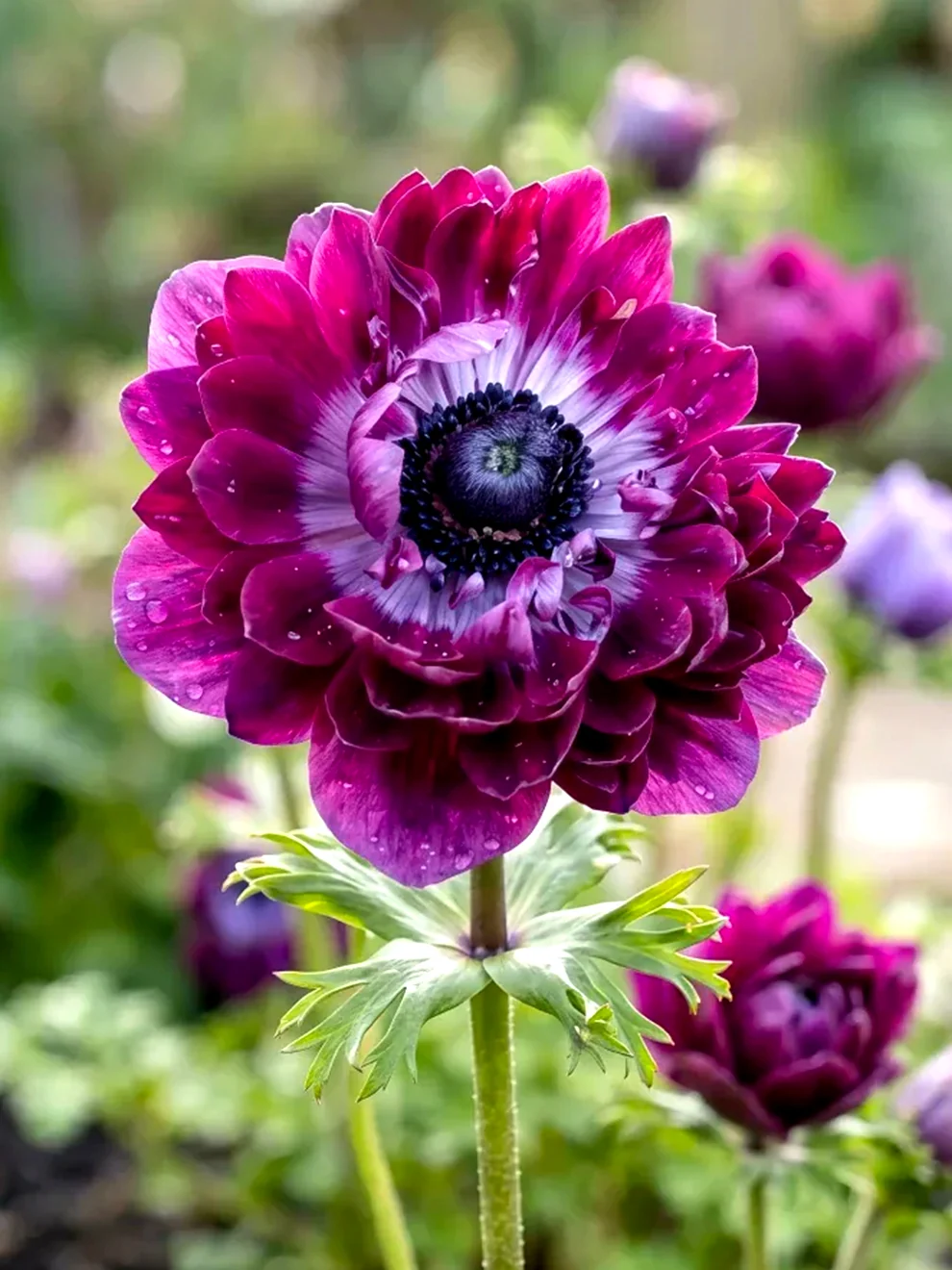
That is a useful example of how a named plant can help translate a category into a garden decision: this is not just “anemones,” but a richly coloured option with a defined flower form and several uses. Readers considering a spring display can check the store’s spring-planted selection alongside the listing, since planting window and availability may vary by variety and season.
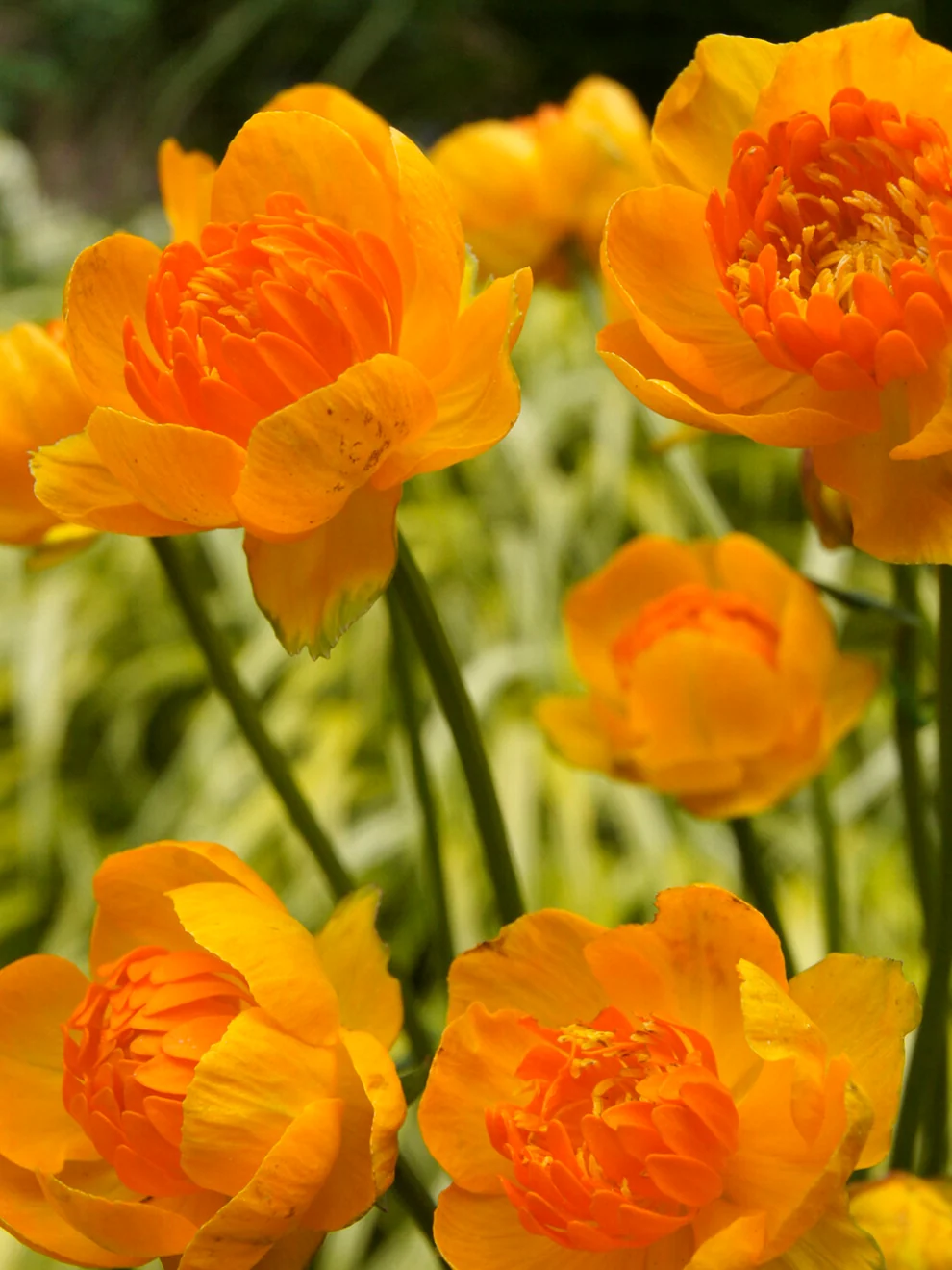
The broader spring collection also includes plants with very different silhouettes. Cup-shaped globeflowers bring a compact mound of foliage and upright colour, while large anemone blooms read as a focal point. Think about flower shape and habit as well as colour when browsing the spring garden range.
- For an early-season plan, start with autumn bulbs such as tulips, daffodils or crocus.
- For later colour, browse spring-planted choices such as dahlias, anemones and perennials.
- For a longer-lived border, check the perennial pages for mature size and position details.
Where do these named plants show the range?
Dahlia Wizard of Lightning gives the range a summer-garden angle. The listing describes creamy pink blooms around ten centimetres wide, strong stems and suitability for cutting as well as garden display. For a gardener who wants flowers indoors, that is more informative than colour alone. The store’s dahlia selection can be browsed by variety; check the description for the form and scale you want.
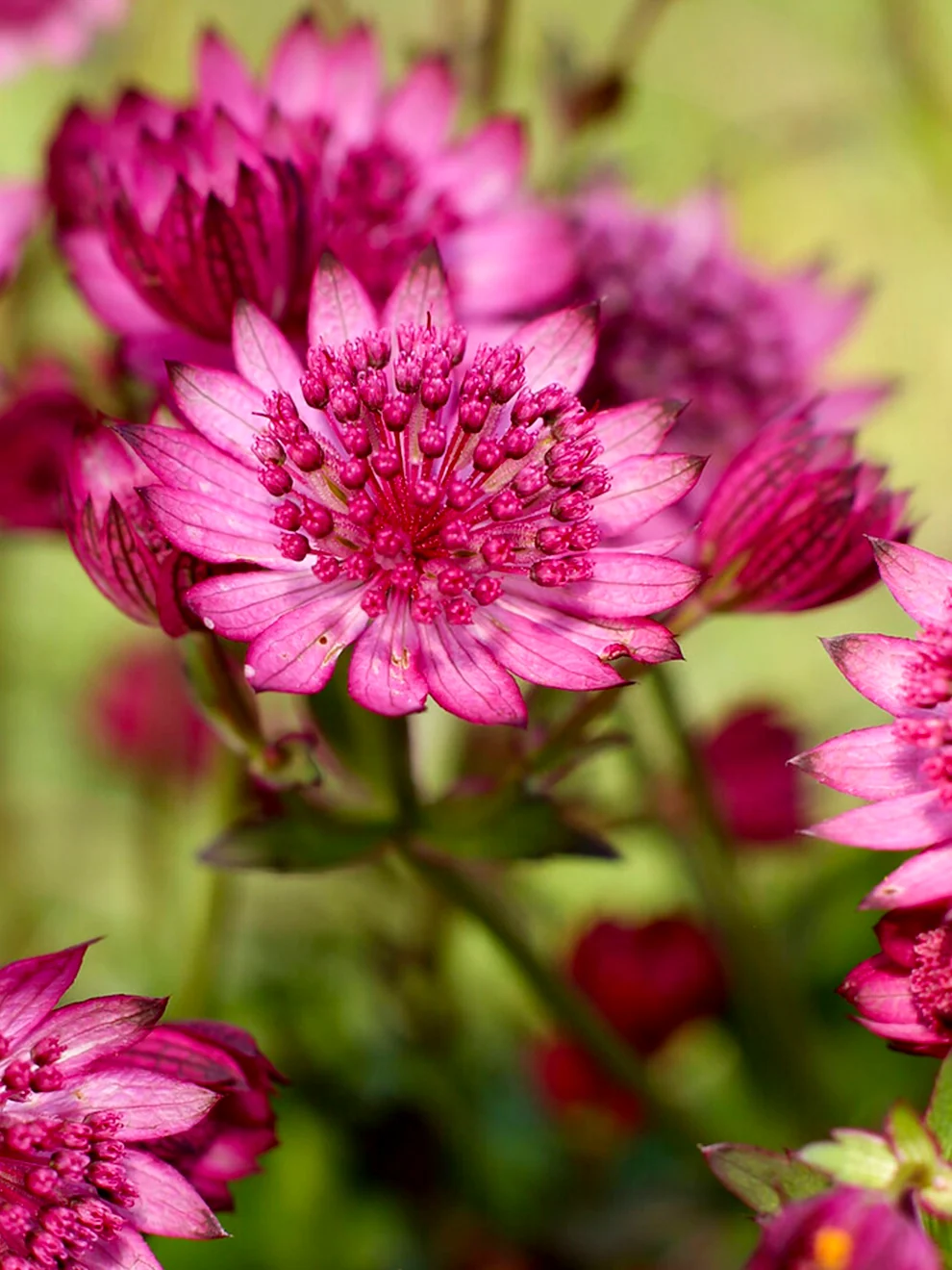
Astrantia Cerise Button shows a different design role. DutchGrown describes a compact, bushy perennial with cerise and raspberry-toned flowers from late spring into summer. Its small, intricate flower heads can add texture near the front or middle of a border, rather than the larger focal effect of a dahlia. The perennial plant pages are useful for comparing that form with taller or more open choices.
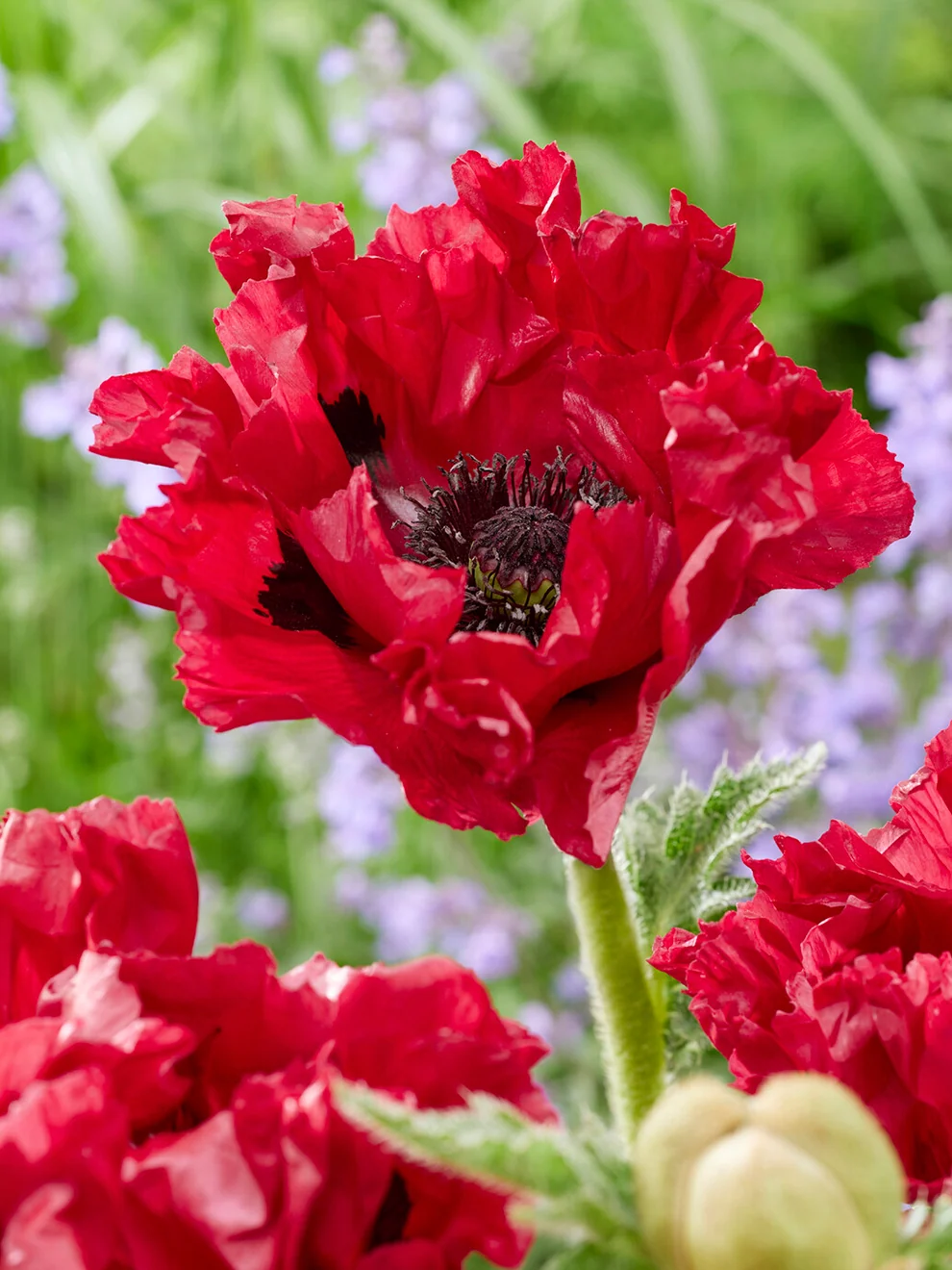
For a bolder late-spring presence, Papaver Red Rumble is described with crimson flowers and dark centres above textured foliage. It can bridge spring bulbs and an early-summer border. These listings show the value of browsing by role and season, not just flower name. The full DutchGrown™ assortment ranges from bulbs to later-flowering plants.
What kind of growing guidance is available?
A practical differentiator is detail on individual products. Pages commonly give flowering period, height, position and soil, helping answer whether a plant belongs in a sunny border, container or cutting patch. Look in the product descriptions, not just the category label.
Timing matters too: bulbs and bare-root plants can have different dispatch or planting windows. The shipping schedule and product page can clarify when a type is expected to move. Check again when making a plan because availability can change.
The store also describes a grow guarantee. Read the current terms on the guarantee information page; it is part of the service picture, not a promise that every plant will thrive regardless of site or care.
- Use height and spread to avoid crowding neighbouring plants.
- Check whether a variety prefers full sun or can tolerate partial shade.
- Use soil notes to flag drainage or moisture needs before planting.
- Confirm dispatch and planting timing for bulbs versus bare-root plants.
What should a first-time buyer weigh?
The range is broad enough that browsing without a plan can become overwhelming. Start with a flowering season, choose between a bulb or longer-lived plant, then narrow by height, colour and conditions. A shortlist by garden role can make the UK catalogue easier to compare.
Cost depends on plant type, pack or quantity options, and season. Check the live product information, delivery timing and how many plants the intended effect may need.
Planting details suit self-directed gardeners, and the company says its team can answer questions. If you are unsure about shade, drainage or spacing, have those site conditions in mind before contacting the DutchGrown™ team.
Does DutchGrown™ only sell tulip bulbs?
No. Tulips are a prominent category, but the UK store also lists daffodils, alliums, crocus, other bulbs, dahlias and perennial plants. Seasonal categories help make that breadth easier to navigate.
How can a new gardener narrow down the range?
Begin with the flowering season and planting window, then compare mature height, light and soil preferences on individual product pages. Choose plants that fit the actual conditions and available space.
Does the family history guarantee a particular result?
No. The history gives context to the brand, while results depend on the variety, planting conditions and care. Read the current product details and any guarantee terms before ordering.
Our recommendation
For a first introduction, DutchGrown™ is most compelling as a specialist range with a traceable family story and useful plant-level information. Its mix of autumn bulbs and spring plants lets readers plan across seasons, while the named examples show how varied the catalogue can be.
The limitation is the same breadth that makes it interesting: the catalogue can feel dense, and the brand’s quality language remains its own claim. We would start with one garden need, compare a small number of product pages and check planting and dispatch notes before deciding. That approach makes the heritage a useful introduction, while letting the actual variety and growing conditions carry the decision.