

When an outage, campsite or workday away from an outlet is part of the plan, a portable power station can mean several different things. The useful starting point is understanding what BLUETTI makes and how its range is organized.
We reviewed the product information on BLUETTI’s Canadian store for this introduction. It presents a lineup built around portable power stations, solar charging and accessories, with products spanning compact electronics support to larger backup setups.
That breadth is useful, but it also makes model names and headline capacity figures easy to misread without a clear use case. Here is the context a first-time reader needs to assess the brand and decide which pages are worth opening.
This article contains affiliate links. If you buy through them, we may earn a commission at no extra cost to you.
Before you read on
- BLUETTI centers its Canadian store on portable power stations, solar panels and charging accessories.
- The Elite 100 mini is the compact option discussed here; match its listed capacity and output to your actual devices.
- The Elite 200 V2 belongs on the shortlist when a plan includes more than occasional phone and laptop charging.
- The Apex 200 page describes an expandable station but currently labels it Coming Soon.
- Compare output, capacity, charging inputs, weight and included accessories before settling on a model.
What does BLUETTI make?
BLUETTI is a power equipment brand whose Canadian shop is organized around battery-based stations and ways to recharge them. A station stores energy for later use; the power rating relates to what it can supply at once, while capacity helps estimate how long it might run a load. Neither number alone answers whether a model suits a home, vehicle or outdoor setup.
The broader proposition is choice across use cases. A smaller unit can be easier to carry and store, while a larger station may support more demanding devices or longer use between charges. Solar panels add another charging route where conditions and compatibility allow. The trade-off is practical: added capability often brings more weight, more setup decisions and a higher overall system cost.
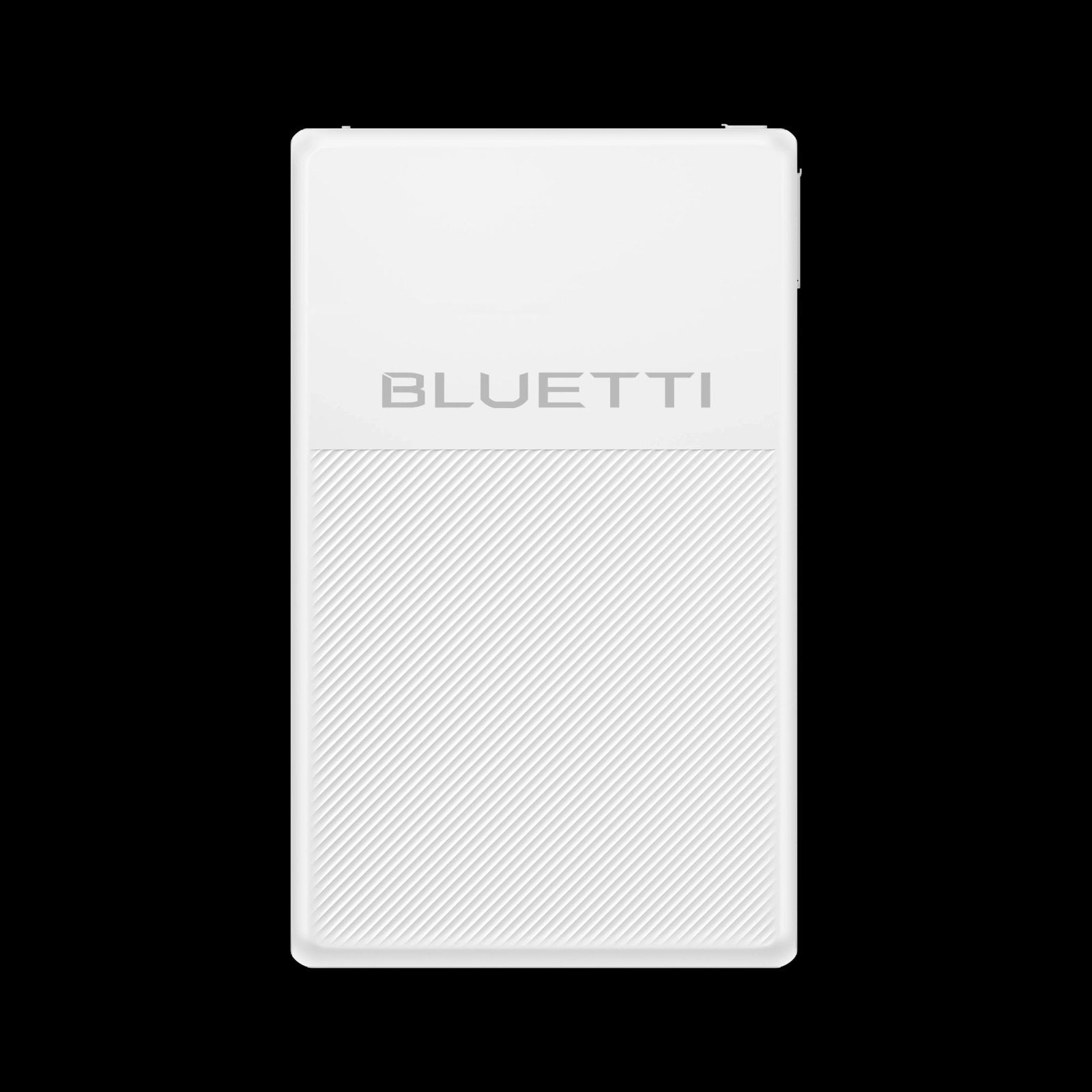
For readers new to this category, a simple inventory is more valuable than starting with a model name. List the devices to power, their wattage, how long they need to run and whether they must operate together. Then check the product listing for output limits, outlets, charging inputs, dimensions, weight and what is included. BLUETTI’s Canadian Elite 100 mini product details, Elite 200 V2 product details and Apex 200 product details show the distinct tiers described here. Those details define the real fit.
- Small electronics: count phones, tablets, cameras and laptops, including how often they need recharging.
- Essential appliances: check each device’s running draw and any higher start-up demand.
- Location: consider whether the unit must move between a home, vehicle and campsite.
- Recharging: decide whether wall charging is enough or solar input has a role.
How is the range organized?
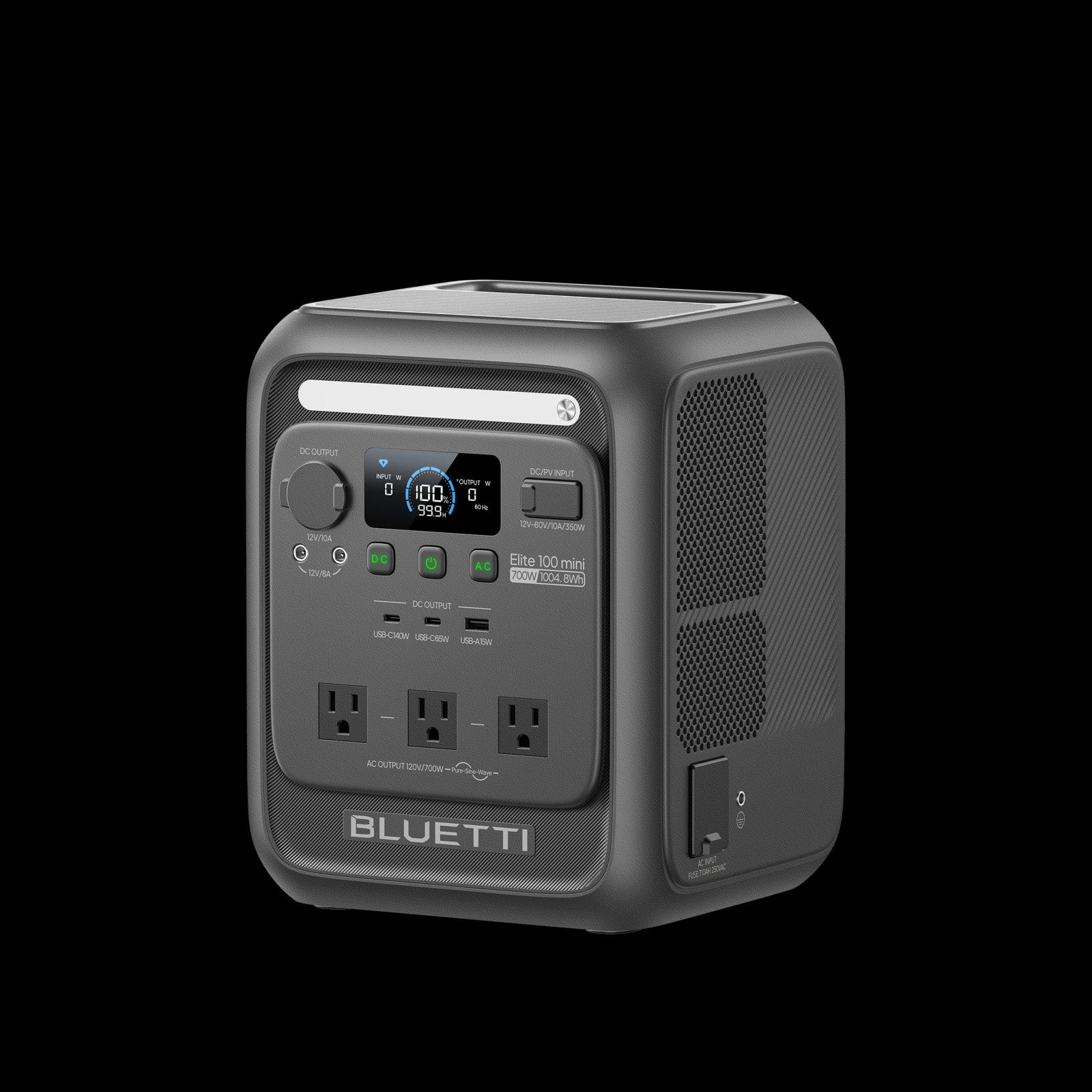
The Elite family is a useful entry point for comparing portable formats. The BLUETTI Elite 100 mini is presented as a compact portable power station, a sensible category to investigate for smaller electronics and tighter storage. The name alone is not a performance guarantee: read the Canadian listing for capacity and output, port selection, dimensions and supported charging methods before deciding whether it covers a specific device list.
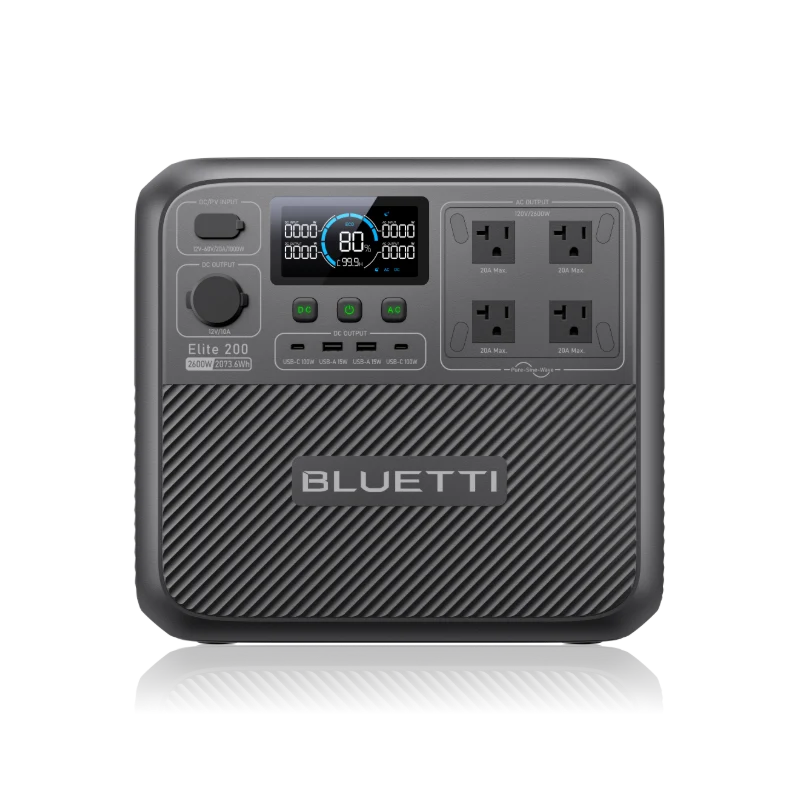
At a larger scale, the BLUETTI Elite 200 V2 offers a different starting point for readers considering a more substantial reserve. Its product specifications are the place to compare stated capacity and output with the loads in a home backup or mobile setup. A larger station may give more headroom, but it can also be less convenient to carry; check the listed weight and dimensions alongside the electrical specifications.
The BLUETTI Apex 200 takes a more expandable direction. The Canadian page describes a 2,560Wh capacity, 3,200W output, expansion up to 33kWh and 3,000W solar input, while also labeling the product Coming Soon. Treat those as the store’s stated specifications and availability context, then revisit the Apex 200 listing before planning around it. Its expansion details may interest readers thinking beyond a single portable unit, but it is not an immediately available choice according to the listing.
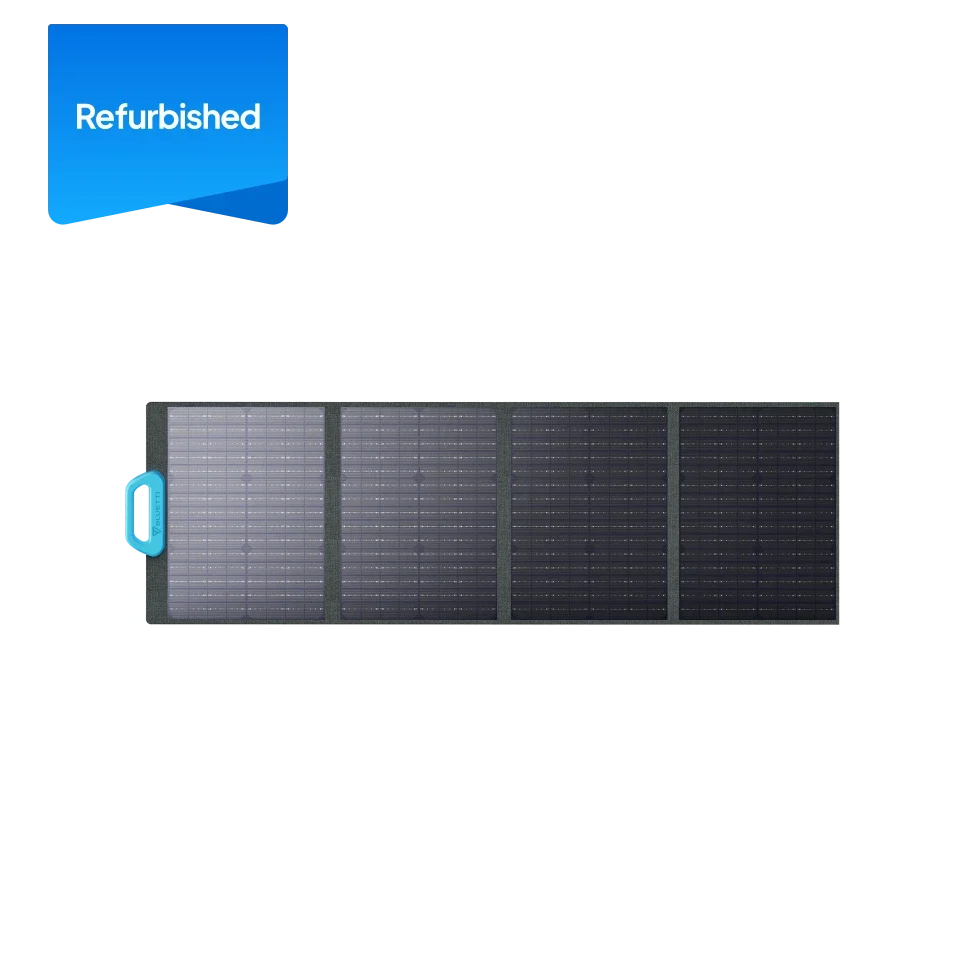
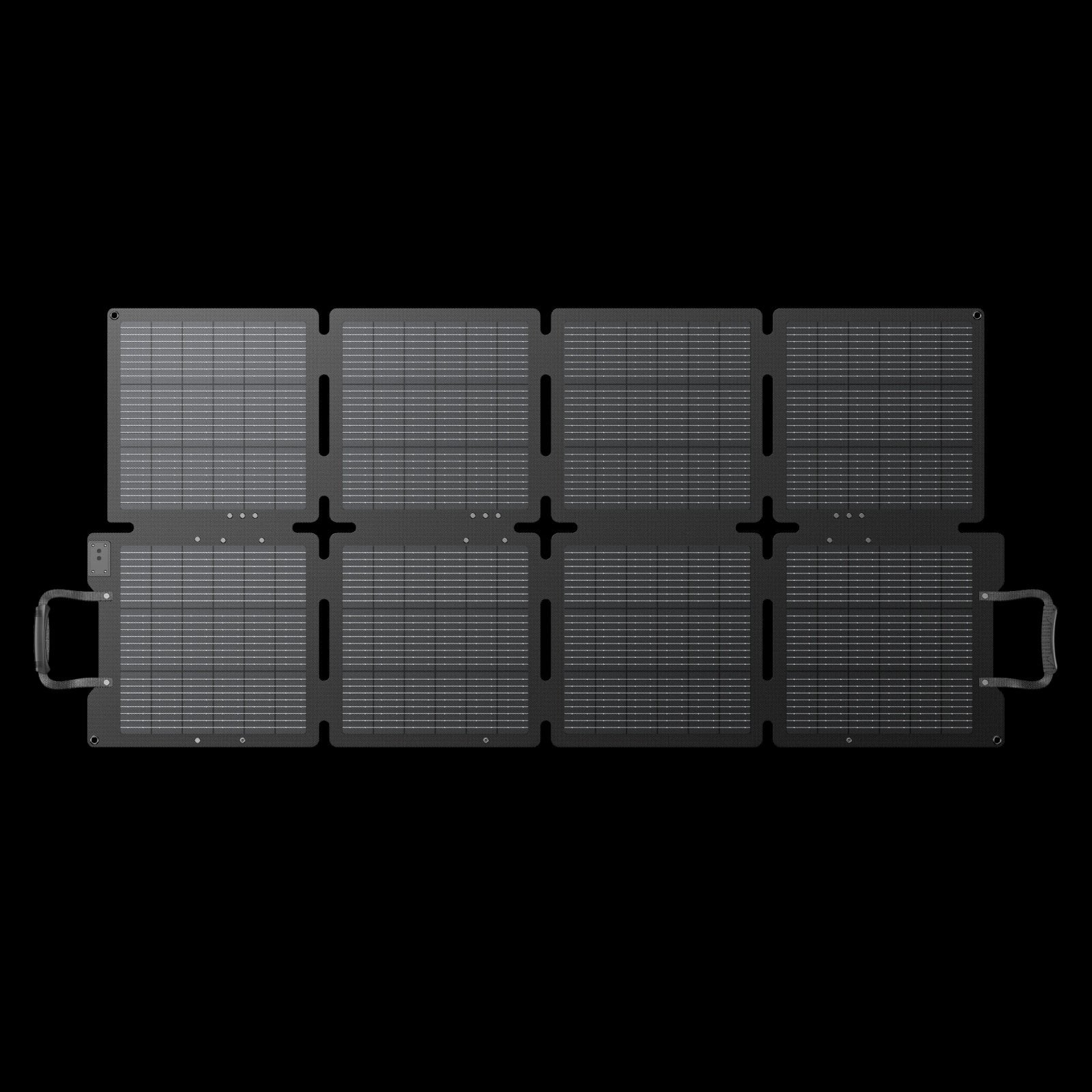
BLUETTI also sells solar panels and charging accessories that can affect the overall setup. A panel is not a universal add-on: connector type, voltage range and the station’s supported solar input all matter. The store’s PV120 and Sora 130W pages are examples of separate panel options, but compatibility should be checked against the exact station rather than assumed from the shared brand name. Review supported charging methods for the Elite 100 mini, solar input for the Elite 200 V2 and Apex 200 solar input as separate model details.
What does the brand stand for in practice?
From the Canadian range, three themes stand out. First, BLUETTI offers multiple capacity tiers, which lets a reader start with an intended load instead of assuming one station fits every situation. Second, solar charging is part of the product ecosystem, giving some owners an alternative input when the station and panel specifications match. Third, the Apex page signals an interest in expandable backup, although its Coming Soon status makes it a future-facing option at the time represented by the listing.
- Range choice: compare compact units with larger stations based on devices and runtime.
- Charging flexibility: check wall, vehicle and solar inputs on the precise product page.
- System thinking: verify station-panel compatibility and accessory inclusion before comparing total setup cost.
These are useful strengths for a shopper who wants to build a system around an actual need. The limit is that broad capacity and output claims can sound more decisive than they are. Runtime changes with the connected load, conversion losses, temperature and other conditions. A station that can power an appliance does not necessarily run it for a full day, and a solar panel’s contribution depends on sunlight, placement and the station’s input limits.
That is why a BLUETTI page should be treated as the beginning of a suitability check. Look for the full specification table, supported ports, recharge times, dimensions, weight, warranty terms and included cables. For a backup plan involving medical equipment or other critical loads, calculate conservatively and confirm the system’s limitations before relying on it.
How should a first-time buyer narrow it down?
Start by ranking the loads rather than choosing the biggest number. Separate must-run devices from conveniences, then estimate their wattage and run time. This helps reveal whether a compact model is enough or whether a higher-capacity station deserves consideration. It also keeps portability in view: a unit intended for a campsite or vehicle should be practical to move and store.
- Write down each device, its wattage and how long it needs power.
- Check which items might run simultaneously and compare their combined draw with the station’s output.
- Compare capacity, outlets and recharge inputs across the relevant product pages.
- Check dimensions, weight, included accessories and compatibility with any separate panel.
For a modest electronics kit, begin with the Elite 100 mini listing and confirm its current specifications against your list. If the plan includes a wider set of devices, examine the Elite 200 V2 specifications and weigh its additional capacity against transport needs. If system expansion and high solar input matter, the Apex 200 page describes that direction, subject to its stated availability.
Keep the comparison grounded in the complete configuration. A station, panel and cables may be listed separately, and charging accessories can change what a bundle supports. Use the Canadian store’s product details to confirm the exact model, included components and shipping or warranty terms before making a decision.
Does BLUETTI sell in Canada?
Yes. This feature refers to the Canadian store at bluettipower.ca. Check that a product page remains on that Canadian domain and confirm its regional availability and terms before relying on it.
Can a BLUETTI station run household appliances?
It depends on the appliance’s running and start-up demand, the station’s output limits and how long it needs to run. Compare the appliance label with the exact model specifications, and estimate runtime from capacity with a conservative allowance for losses.
Are BLUETTI solar panels compatible with every station?
No universal compatibility should be assumed. Confirm connector, voltage and solar input requirements on both the panel and station pages, and check whether the necessary cables are included or sold separately.
Our recommendation
BLUETTI is worth understanding as a range rather than a single power station: compact Elite models, larger portable options, panels and an expandable Apex direction serve different planning needs. For a first visit, compare the Elite 100 mini and Elite 200 V2 against a written device list, then treat the Apex 200 as a page to monitor while the Canadian listing says Coming Soon.
The honest limitation is that no model name or capacity figure settles suitability on its own. Runtime, weight, charging compatibility and configuration all matter, and the Apex’s stated availability may change. Confirm the current Canadian specifications and terms on the store before choosing.