

Trying to fit a skyline stop into a packed New York day? The useful question is not only what you can see, but how the observatory’s indoor format and ticket choices fit the rest of your plans.
One World Observatory – New York is an observation experience at One World Trade Center, built around expansive city views and a sequence of indoor features. We reviewed the official ticket information and experience details for this guide; we did not visit in person.
The central trade-off is straightforward: the view is the draw, while the ticket tier determines how much structure, priority entry, included credit or dining you add. That can make the observatory a short scenic stop for one visitor and a more planned outing for another. We look at the setting, what happens around the view, and how the named ticket formats differ. Check the official booking page for the inclusions attached to your selected date.
This article contains affiliate links. If you buy through them, we may earn a commission at no extra cost to you.
Before you read on
- Standard General Admission is the most direct fit when you mainly want the observatory and its views.
- Combination Experience and All-Inclusive Experience add different inclusions, so compare the booking details rather than assuming the names explain everything.
- VIP Tour & Dine adds a guided format and dining for visitors who want a more structured outing.
- The indoor viewpoint offers shelter from weather, but cloud, haze and daylight still affect what the skyline looks like.
- Decide whether flexibility, included extras or a guided meal matters before selecting a ticket tier.
What kind of skyline stop is the observatory?
The observatory occupies the upper floors of One World Trade Center, giving the visit a distinctly vertical start. The SkyPod elevator uses a time-lapse presentation of New York history during the ascent, turning the ride into an introduction rather than simply a way upstairs. Once at the top, the indoor viewing areas put the city panorama at the centre.
That indoor format is a practical strength for an itinerary with uncertain weather or visitors who prefer not to spend their viewpoint time exposed to the elements. It does not guarantee a clear view: visibility remains tied to conditions beyond the building. For the best visual payoff, leave room to be flexible if clouds or haze are forecast.

The experience also has interpretation built in. The See Forever Theater offers a presentation before the viewing area, while City Pulse hosts provide context about the city. These features make the visit more than a bare platform, though their value depends on whether you enjoy a curated introduction or would rather go straight to the windows.
- Choose it for a broad, elevated city perspective in an indoor setting.
- Allow time for the elevator sequence and interpretation alongside the view.
- Keep expectations realistic when visibility is uncertain.
Which ticket format suits the way you travel?
The official page presents several formats rather than a single standard entry. Its current comparison distinguishes general admission, priority entry, arrival choice, venue credit, a guided tour and dining. The Standard General Admission is the cleanest starting point if your priority is seeing the observatory without adding a dining plan. Its appeal is simplicity: it keeps the decision focused on access and the view.
The Combination Experience adds priority entry through security, elevator and exit, plus an included credit for use at the venue. The All-Inclusive Experience also includes priority entry and a choice of morning, afternoon or evening arrival, along with a larger venue credit. Compare these specific additions with what your party will actually use.

For a more hosted outing, VIP Tour & Dine pairs escorted entry and a guided tour with dinner at ONE Dine. It is a more specific proposition than general admission: useful when you want the observatory and a meal joined into one plan, less compelling if you prefer to set your own pace or already have restaurant plans.
- View first: compare Standard General Admission with the current entry details.
- Value included extras: check what the Combination Experience and All-Inclusive Experience currently include.
- Prefer a hosted plan: inspect the VIP Tour & Dine schedule and meal details.
- Need flexibility: confirm arrival rules and any time-related conditions before paying.

Ticket selection is therefore about the shape of your day as much as the attraction. A family with a fixed itinerary may value clear arrival details; a couple building an evening around dinner may prefer a bundled format; a visitor with limited time may want to keep the stop simple. Review the ticket page for inclusions, availability and restrictions tied to your booking. For a direct visit, start with Standard General Admission; for a package, compare the Combination Experience with the All-Inclusive Experience. A hosted meal is a separate reason to consider VIP Tour & Dine.
How should you pace the visit?
Think of the observatory as a sequence: the SkyPod ascent, the introductory presentation, then time to orient yourself and look out across the city. The official experience also includes City Pulse, which adds a human guide to the skyline story. This layered format rewards visitors who enjoy context, but it means the experience is not simply an elevator ride to a photo stop.

Rather than planning the stop around a precise number of minutes, anchor it to a broader part of the day. Decide what is nearby on your itinerary and leave enough slack for entry, the presentation and lingering at the windows. If you have a timed reservation elsewhere, verify your arrival window and allow transit time separately.
- Check the visibility outlook and choose a time that works with the rest of your route.
- Read the ticket terms for entry timing, inclusions and any change conditions.
- Allow room for the ascent and interpretation before estimating time for the view.
- Keep dining plans distinct unless the guided dining format genuinely fits your schedule.
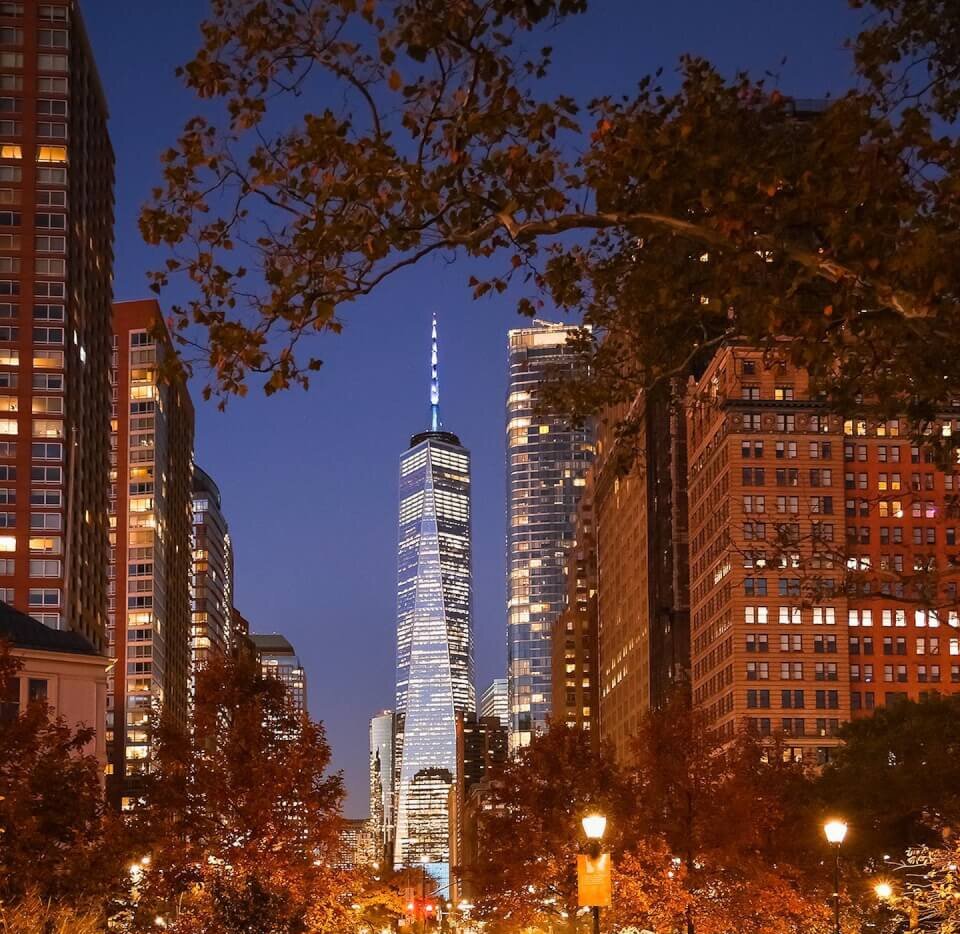
Because the principal attraction is a panoramic outlook, the experience is naturally sensitive to what the weather allows you to see. The indoor space helps with comfort, not visibility. Visitors making the observatory a major trip highlight may want more schedule flexibility than those treating it as one stop among many. Check whether the All-Inclusive Experience fits that plan, or whether VIP Tour & Dine gives the day useful structure.
What are the limits for a first-time visitor?
The clearest limitation is that an elevated view cannot promise a particular skyline, sunset colour or level of visibility. The brand describes the experience and its components, but the conditions outside determine how much detail the panorama reveals. That matters if your decision depends on a specific landmark or a perfect clear day.
There is also a choice to make between a self-directed visit and a more packaged outing. Ticket tiers add convenience or inclusions only if you will use them. An included credit, priority feature or guided meal can be worthwhile for the right visitor, but it is not automatically better than the straightforward admission option.
- Do not book solely on an assumed weather-proof view; the venue is indoors, but the skyline is outdoors.
- Do not pay for a tier based on its title alone; confirm the specific inclusions.
- Consider whether a guided format adds value to your own pace and interests.
Questions visitors often ask
Is the observatory a good choice in poor weather?
The indoor environment can make the visit more comfortable than an exposed viewpoint, but rain, cloud or haze may still reduce visibility. That consideration applies whether you select Standard General Admission or a package such as the Combination Experience. Check the forecast and booking terms, especially if the view is the main reason for going.
What is the difference between the ticket tiers?
The official page lists Standard General Admission, Combination Experience, All-Inclusive Experience and VIP Tour & Dine. The Combination option adds priority entry and venue credit; All-Inclusive adds priority entry, arrival choice and venue credit; VIP Tour & Dine includes escorted entry, a guided tour and dinner. Check the current descriptions for your date.
Does VIP Tour & Dine suit every visitor?
It is most relevant if you want a guided observatory visit connected with dining. Visitors who value an independent pace or already have meal plans may find a simpler ticket format easier to fit into the day. Review the VIP Tour & Dine details beside All-Inclusive Experience before deciding.
Our recommendation
One World Observatory – New York makes the most sense for visitors who want a substantial indoor skyline viewpoint with interpretation along the way. We recommend starting with Standard General Admission when the view itself is the priority, then moving to the Combination Experience or All-Inclusive Experience only if the listed extras solve a real need. Choose VIP Tour & Dine when a hosted visit and meal belong in the same plan.
The honest caveat is that an indoor venue cannot control skyline visibility, and the higher ticket formats only earn their place when you will use what they add. Check the current booking terms and visibility outlook before fixing the observatory into a tightly timed day.