

When a New York itinerary has room for one more viewpoint, the question is whether the observatory offers enough beyond the skyline to justify the stop.
Our review is based on the official ticket information and experience pages. One World Observatory combines an indoor panorama with an arrival sequence and optional upgrades, so the choice is less about whether there is a view and more about how much structure or flexibility you want around it.
The options range from straightforward general admission to priority access, arrival flexibility and a guided dining format. Those additions can make the visit easier to fit into a busy day, but they only earn their place when you will use them.
This article contains affiliate links. If you buy through them, we may earn a commission at no extra cost to you.
Before you read on
- Standard General Admission is the cleanest choice if panoramic views are the main reason for going.
- Combination Experience adds priority entry and an included credit for observatory venues.
- All-Inclusive Experience adds priority entry, an arrival window choice and an included credit.
- VIP Tour & Dine layers escorted entry, a guided landmark tour and dining into the visit.
- Upgrades have value when their specific inclusions solve a timing or context problem for your group.

What is the core visit built around?
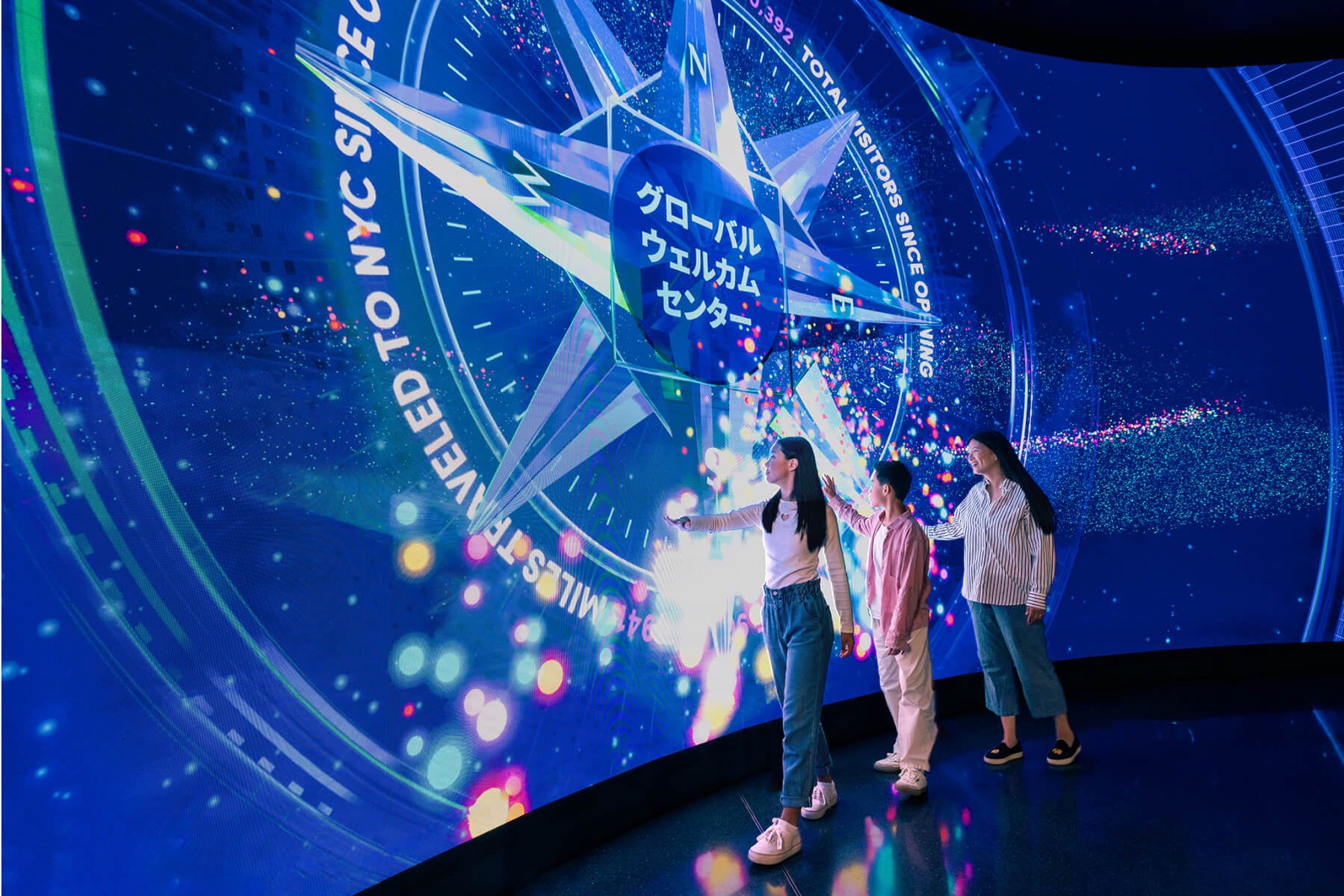
The central proposition is simple: an indoor vantage point high above Lower Manhattan, with a wide city panorama as the main event. The official experience description also highlights the SkyPod elevator presentation, See Forever Theater and City Pulse. Together, these elements give the visit a beginning and orientation before guests settle into the views. For a first-time visitor, that sequence is a stronger case than a viewing platform alone.
The official experience details are useful for checking which parts of the ascent are included, while the ticket information helps match admission to the date you have in mind.
The primary observation areas are indoors, offering shelter from outdoor conditions. That does not mean the skyline will always look equally clear; haze, cloud and daylight still shape what you can see. The practical strength is having a dedicated indoor space from which to take in the city, while visibility remains weather-dependent.
The official One World Observatory experience overview describes the elements that frame the ascent. Readers choosing Standard General Admission should think of it as access to that core visit, rather than as a guided tour or a flexible-arrival package. Check the current ticket page for the available date and entry details before settling the rest of the day.
Which ticket additions change the day?
The ticket ladder has a clear logic. Combination Experience adds priority entry plus an included credit usable at the cafe, bar, restaurant or gift shop, according to the official comparison. It suits visitors who value a smoother arrival and expect to use one of those venues. It is less compelling if you are planning a short, view-focused stop and will not make use of the credit.
Before choosing Combination Experience, compare the current admission inclusions with your food and sightseeing plans. A credit is useful only when it fits a stop you already wanted to make.
The All-Inclusive Experience adds an option to select an arrival period as well as priority entry and an included venue credit. That flexibility may help when a New York day is changing around meals, other timed attractions or companions with different energy levels. It is not a substitute for checking the booking calendar: available arrival choices and terms belong on the current ticket page.
Use the All-Inclusive ticket details to verify which arrival options are open for your chosen date, and check the current booking information before coordinating other reservations.
- Choose general admission when a straightforward skyline visit is enough.
- Consider Combination when priority entry and the venue credit both matter.
- Consider All-Inclusive when arrival-period choice is useful alongside those extras.
- Look at the guided tier when context and hosted entry are part of the appeal.
In other words, the upgrades solve different problems. Priority access is about flow through entry; arrival choice is about planning; a credit only helps if you want to spend time at the listed venues. Compare the official inclusions for current One World Observatory ticket options rather than assuming every higher tier adds the same kind of value.
When does VIP Tour & Dine make sense?
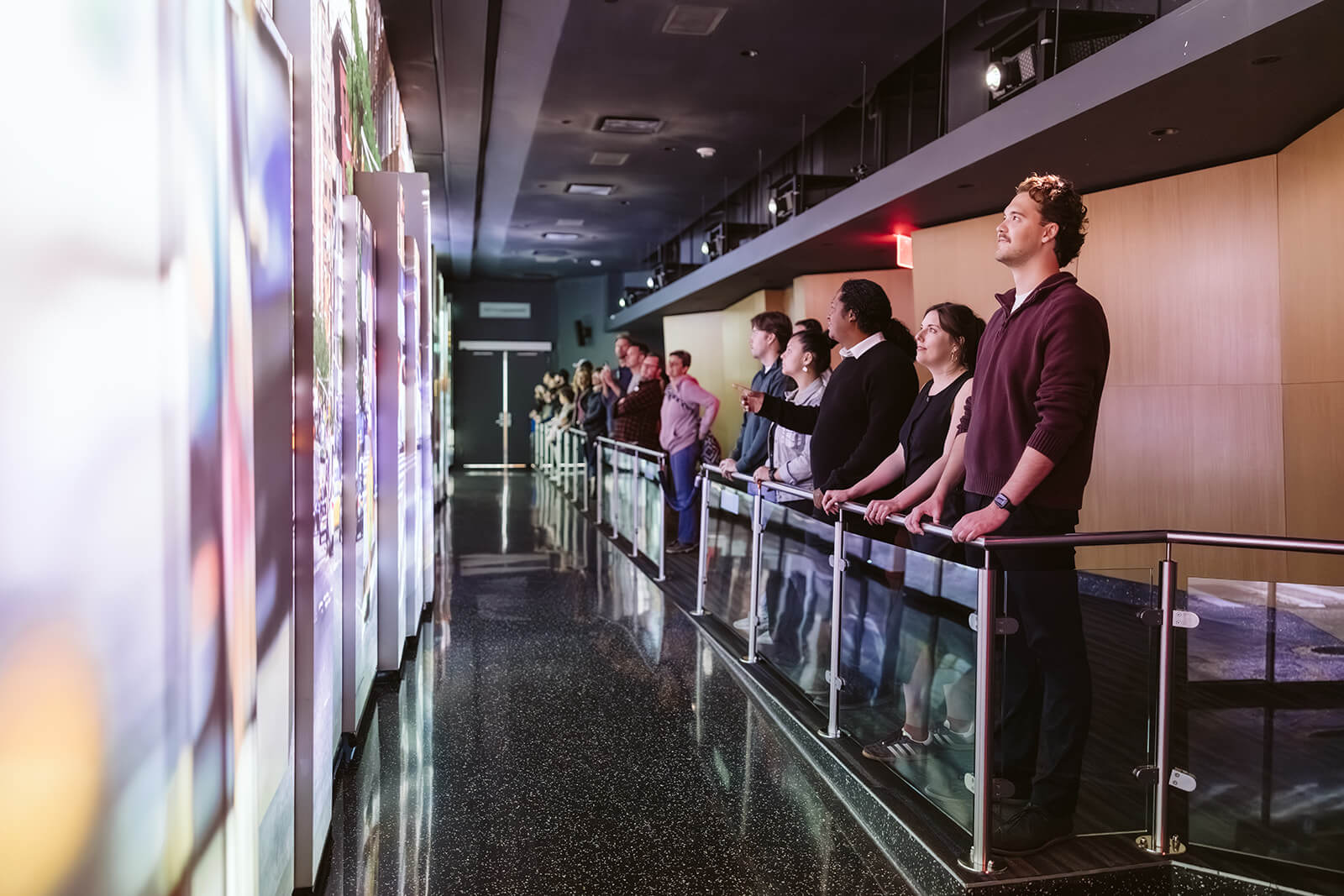
The most distinctive format is VIP Tour & Dine. The ticket comparison lists escorted entry into the observatory, a guided tour lasting about an hour, and a dining inclusion. The tour focuses on notable landmarks and New York history, which gives this option a more interpretive character than the admission tiers.
That combination is a better match for visitors who want someone to connect the view with the city below, or who like a hosted structure for a group occasion. The trade-off is commitment: it takes more of the visit than independent wandering, and the dining component only matters if the timing and menu experience suit your plans. Check the official description for what the dining inclusion currently covers, along with booking terms, before choosing it.
Readers interested in the hosted option can review the VIP Tour & Dine format and check its available booking details before deciding whether the guided pace suits the group.
For visitors with limited time, a guided format can be useful if it replaces planning and research. For those who would rather linger at their own pace, general admission leaves more of the visit self-directed. The ticket page also describes how VIP Tour & Dine handles entry, so check whether the escorted element fits your party rather than buying it for the label alone.

Where are the limits for visitors?
The observatory is a paid attraction built around a particular point of view. If you have already booked several skyline stops, the incremental value may be modest; another high-level panorama will not automatically feel essential. Its indoor setting helps with weather comfort, but visibility itself remains dependent on conditions on the day.
You can check ticket availability for your date and compare it with other planned stops before committing a block of time to the visit.
There is also a meaningful difference between seeing the city and learning about it. The SkyPod, theater and City Pulse add context, while the guided tour gives more structured interpretation. Visitors who mainly want open-ended time to photograph the horizon may not need those additions. Conversely, people who enjoy a narrated frame may find the tour makes the city easier to read.
Finally, every ticket tier has details that can change: entry availability, included credit terms, guided tour scheduling and what a dining package covers. The official ticket page is the appropriate place to confirm those specifics. Our recommendation is based on the published inclusions, not on a personal visit, and we would not treat the tier labels as a promise that an upgrade will suit every itinerary.
- Check the selected date and entry time against the rest of the itinerary.
- Confirm which venues accept any included credit and any conditions attached.
- Review the guided tour schedule if considering VIP Tour & Dine.
- Allow for visibility and weather to affect the view, even from an indoor space.

Questions visitors ask
Is Standard General Admission enough?
It can be, if the main goal is the indoor panorama and the observatory experience itself. Consider another tier only when its priority entry, arrival choice, credit or guided elements solve a need for your visit.
Does priority entry mean a completely queue-free visit?
The ticket comparison identifies priority entry for upgraded tiers, including security, elevator and exit. Read the live ticket terms carefully for how priority access applies; it should not be read as a guarantee that every step of a busy visit has no wait.
Is the guided option right for children or groups?
It may suit groups who enjoy a hosted introduction and landmark context. Check the current tour schedule and age or party requirements on the official page, then weigh that fixed structure against the freedom of a self-paced visit.
Our recommendation
We recommend Standard General Admission for visitors whose priority is the skyline and the core indoor experience. Move to Combination when priority entry and the venue credit both look useful, or All-Inclusive when being able to select an arrival period improves the day. Choose VIP Tour & Dine for the hosted history and dining format, not simply because it is the most inclusive label.
The honest limitation is that the observatory is a premium, single-viewpoint stop, and views vary with conditions. For readers who want that landmark perspective, its layered ascent and clear ticket choices make a credible case; everyone else should compare the time commitment with the rest of their New York plans. Review the official ticket options and confirm current inclusions before booking.