
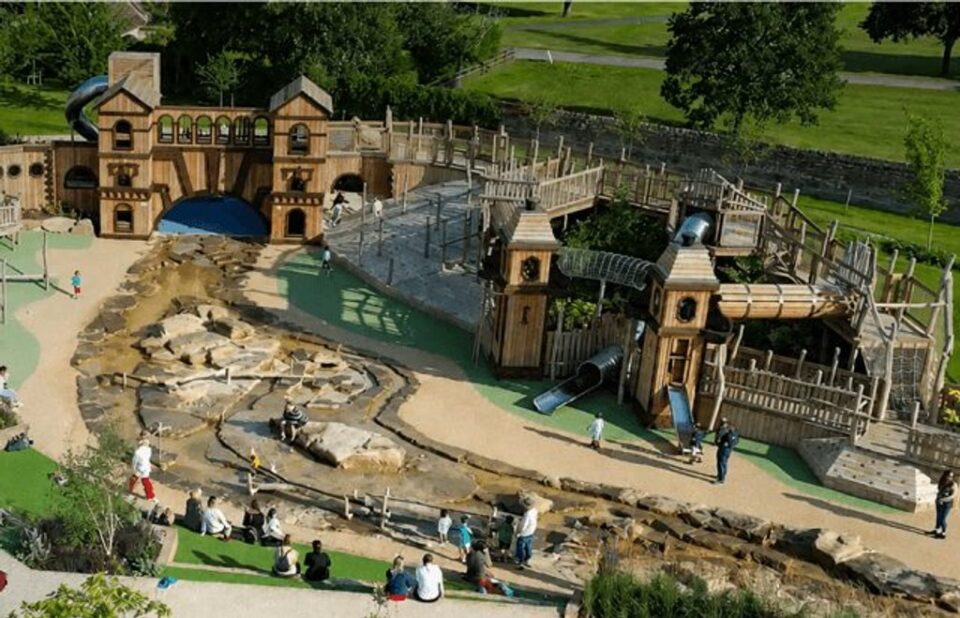
Planning a family day at Blenheim Palace can mean choosing between a big outdoor play session and a broader estate visit. The Adventure Play ticket options are built for different versions of that day, and the distinction matters before booking.
We reviewed the current visitor information and ticket pages rather than relying on personal visits. The strongest case is for families who want a clear play destination, with a few caveats around what admission includes and how often you expect to return.
This article contains affiliate links. If you buy through them, we may earn a commission at no extra cost to you.
Before you read on
- The Adventure Play Day Ticket is the straightforward choice for one play-led visit, but a separate estate admission ticket or pass is also needed.
- The Palace and Play Pass is designed around repeat visits, with the site stating twelve months of access to Play.
- Quiet Play is a supported session for SEND children and families, and operates on a specific schedule.
- Compare the cost by visit frequency and included access, then confirm current terms on the official ticket page.
What does an Adventure Play visit actually centre on?
The case for Adventure Play is practical: it gives children an active outdoor focus within a larger heritage estate. Blenheim describes climbing challenges such as tunnels, bridges, cargo nets and zip-lines, alongside water play and a toddler area. That range means siblings can find different levels of activity, although a parent should still check height, supervision and access details for individual features.

This is best understood as a dedicated activity zone rather than an all-in-one Palace ticket. The Adventure Play Day Ticket covers the play element, while estate admission is a separate decision unless you choose a combined option. That separation is the main limitation for families assuming a play booking automatically opens every part of the estate.
- Consider it when the children are likely to spend a substantial part of the visit climbing and exploring.
- Check how the toddler area and larger structures match your children’s ages and confidence.
- Think about weather and clothing because water play and outdoor equipment shape the experience.
For the visit itself, practical facilities can influence how long a family wants to stay. The official site lists food and drink at Adventure Play, and also publishes an accessibility guide. Families can check the food and drink information and review the play activities as part of planning. Neither should be treated as a guarantee that every facility or activity will suit every child on a given day.
When is the day ticket the sensible choice?
The Adventure Play Day Ticket fits a one-off visit when play is the family’s main reason to come. It gives the plan a defined centre without committing to a repeat-use pass. This is the option we would compare first for visitors travelling in for a single school break or pairing the play area with a one-day estate visit.
The important qualification is the admission pairing. Blenheim states that Adventure Play access requires a separate estate admission ticket or pass unless the visitor holds the Palace and Play Pass. In other words, a family should compare the combined plan they actually need, not the play ticket in isolation. View the current ticket choices and check which components are listed for the selected date.
- For a play-only priority, check the day ticket and the required estate admission together.
- For Palace rooms or gardens, confirm that your chosen estate ticket covers those areas.
- Review opening times and any seasonal access notes before setting a travel schedule.
The estate broadens the day with formal gardens, parkland and the Palace itself, but every extra component asks for time. The ticket decision works best when it follows a realistic family pace: a play session can be the main event, while a shorter garden walk may be more suitable than trying to cover every attraction. For the grounds, see the official park and garden details before adding them to the same day.
Does the Palace and Play Pass earn its place?
The Palace and Play Pass is the repeat-visit proposition. The pass details describe twelve months of access to Play. That makes it more relevant to nearby families or visitors who already expect to return than to a household planning a single trip. Its value depends on actual repeat use, so we would not treat the access period alone as proof that it is better value.

A useful comparison is to estimate how many visits your family would realistically make, then check whether the pass includes the access you expect. Confirm any exclusions, booking requirements and the distinction between Play access and entry to the wider estate. The official Palace and Play information is the place to verify those details before choosing it.
For a family who returns for outdoor activity, the longer access window can simplify planning and make spontaneous visits more plausible. For a visitor who lives farther away or wants the Palace as the central attraction, a one-day combination may fit better. Consider checking the current pass terms alongside the ordinary day ticket and the estate admission you would need in each case.
- Repeat visitors should compare likely visits, not the maximum theoretical use.
- Occasional visitors should check whether a single day plus estate entry is simpler.
- Families wanting the historic rooms should verify Palace access separately rather than infer it from the pass name.
What makes Quiet Play a different kind of option?
Quiet Play addresses a different need from the standard high-energy play visit. Blenheim describes it as a supported session for SEND children and families, held on the last Sunday of the month from morning to late morning. Because it is scheduled separately, families should check the current session listing and ticket requirements before building a visit around it.

The benefit is the planned quieter format and dedicated accessibility information. The limitation is that a specific session time may not suit every family’s travel or routine, and the published page should be checked for current details rather than assuming a standard daily offering. Review the accessibility information and check the relevant ticket options before travel.
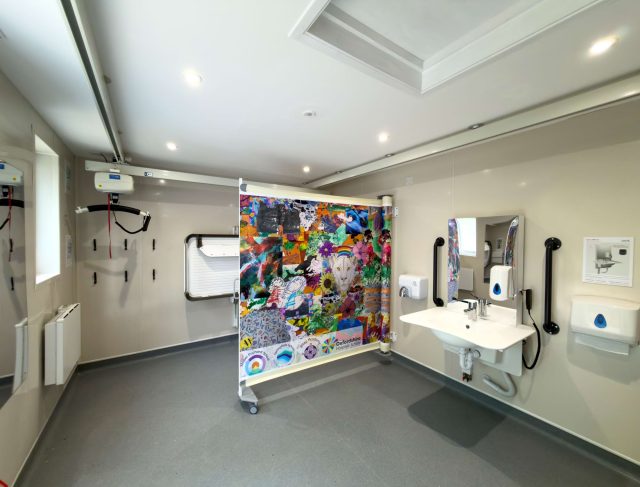
Families may also want to consider sensory needs across the full estate day, not only the play area. The official accessibility guide covers visitor planning more broadly, and the estate accessibility page can help identify questions to resolve ahead of arrival. We recommend contacting the venue directly where a child’s support needs require specific arrangements.
What should families check before they book?
The most useful checks are about scope and logistics, not headline language. Ticket components, pass eligibility, opening times and session availability can change, so use the current pages as the final reference. We would confirm:
- Whether the booking covers Adventure Play only or also the estate access your group wants.
- Which attractions are open on the intended date and whether advance booking is required.
- How the play area’s facilities, food options and outdoor setting suit the ages in your group.
- Whether Quiet Play is available for the date and support needs involved.
- What the current terms say about pass duration, exclusions and any booking conditions.

Those checks matter because the options serve different kinds of family days. An activity-first visit has a clear anchor; a return visitor may appreciate the pass structure; and a family seeking a quieter supported environment should start with the dedicated session details. If the plan also includes gardens or Palace rooms, make sure the ticket choice reflects those priorities rather than expecting one label to cover everything.
Does Adventure Play admission include the whole estate?
No. Blenheim says Adventure Play requires separate estate admission unless visitors hold the Palace and Play Pass. Check the current ticket listing to see which components apply to your selected option.
Is the Palace and Play Pass aimed at one visit?
Its stated twelve-month Play access makes it most relevant to families considering repeat visits. Confirm the current inclusions and any conditions before comparing it with a single-day plan.
When can families attend Quiet Play?
The site describes the Quiet Play session as taking place on the last Sunday of the month during a morning session. Check the current accessibility and booking pages because schedules and requirements can change.
Our recommendation
For a family making one play-focused trip, the Adventure Play Day Ticket is the clearest starting point, provided you plan separately for estate admission. The Palace and Play Pass makes more sense when repeat play visits are realistic, while Quiet Play deserves consideration for families who need its supported session format.
The honest limit is that the right choice depends on current inclusions, schedule and the family’s needs; no option should be assumed to cover every part of the estate. Confirm the terms on Blenheim Palace’s own booking pages before committing.