

A New York skyline stop can be a highlight, but it is fair to ask whether the visit offers enough beyond the view to justify giving it part of your day.
One World Observatory – New York pairs a high vantage point with a sequence of designed attractions inside One World Trade Center. We reviewed the official visitor and ticket information to understand what the experience includes, where its value is clearest, and what visitors should weigh before choosing a ticket.
This is a review of published information, not a report from a visit. Conditions such as visibility, queues and crowding can change the feel of any observation deck, so the official site remains the place to confirm current details.
This article contains affiliate links. If you buy through them, we may earn a commission at no extra cost to you.
Before you read on
- The skyline is the central draw, supported by the SkyPod elevator, See Forever Theater and Horizon Grid.
- Standard General Admission suits a view-first visit without extra ticket benefits.
- Combination, All-Inclusive and VIP Tour add different conveniences or hosted elements.
- The biggest limitation is that a weather-dependent view and variable crowds shape the payoff.
What makes the visit more than an observation deck?
The official experience is built as a progression rather than simply an elevator ride to a window. The SkyPod elevator presentation introduces New York through a visual timeline during the ascent; at the top, See Forever Theater provides a short audiovisual reveal before visitors move into the observation areas. The interactive Horizon Grid lets guests explore city landmarks and stories through screens.
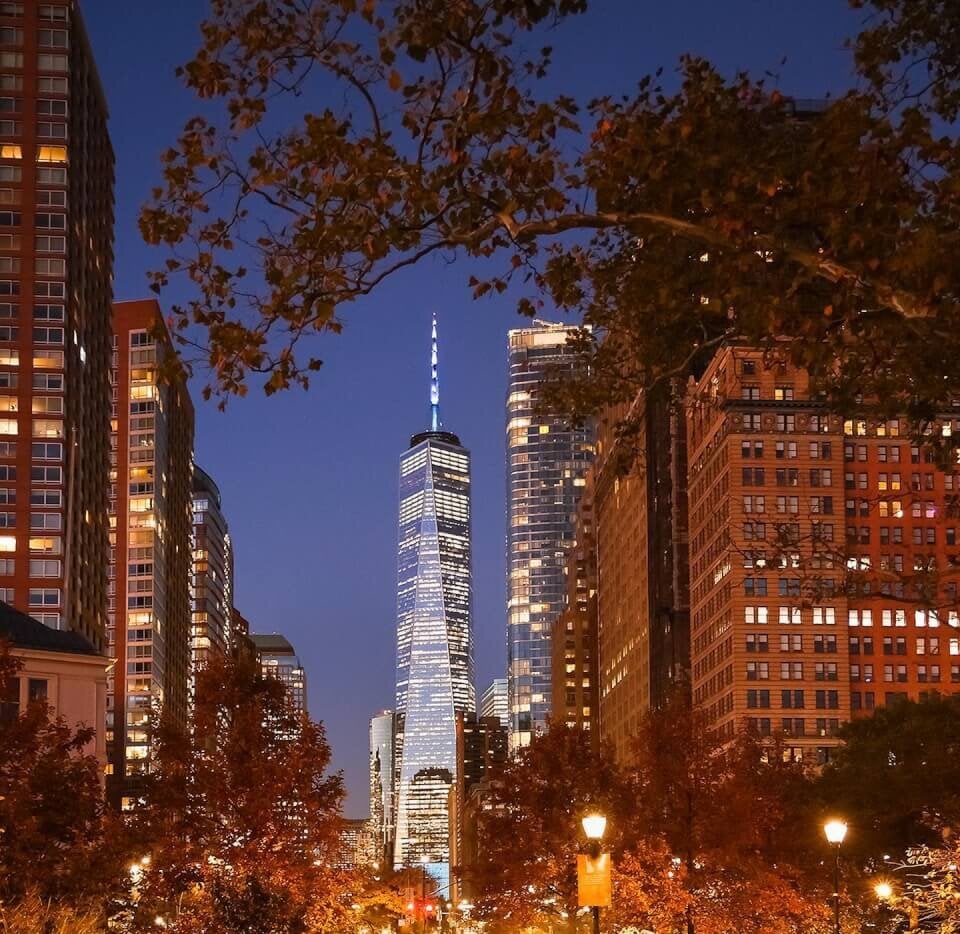
That sequence is a real strength for first-time visitors and groups who appreciate context alongside a panorama. It gives the attraction a sense of arrival and a little interpretive content, rather than leaving the view to do all the work. The branded features are also easy to understand as distinct parts of the visit: SkyPod for the ascent, See Forever for the reveal, and Horizon Grid for points of interest. Visitors can check the official admission page before planning their route.
The limitation is that these features frame the same central activity: looking out over the city. Visitors hoping for a museum-scale collection or a long itinerary of varied attractions may find the experience more focused than expansive. If your priority is the panorama, the Standard General Admission option is the natural reference point; see its official ticket details, linked below.

Which ticket benefits are meaningful?
Ticket tiers matter most when they solve a specific planning problem. The official page distinguishes a basic admission path from options with additional convenience, flexible arrival benefits or a hosted tour. In practical terms, visitors should start with the simplest ticket and add an upgrade only when they can name what it improves for their party.
- Standard General Admission: the uncomplicated choice when the view is the reason for coming.
- Combination: examine the listed inclusions and arrival terms if reducing friction is important.
- All-Inclusive: consider whether its added benefits match how you expect to spend time on site.
- VIP Tour: most relevant to visitors who value a guided, hosted format over independent exploring.
We would not assume that a higher tier is automatically better. The Standard General Admission page is the useful baseline; visitors focused on a simple entry should compare its current terms, while groups can also review the standard admission details; the Combination option deserves a look if its specific inclusions address a need. The All-Inclusive option should be judged by the same test: whether its benefits will actually be used. Read the All-Inclusive ticket details closely before deciding.
For a guided occasion, the VIP Tour stands apart from self-guided admission. Check the VIP Tour information carefully because inclusions, schedule and availability can change. Ticket names alone do not establish which benefits apply to a particular date.
How do dining and the setting affect the experience?
Dining can turn a short sightseeing stop into a longer occasion. ONE Dine is presented as a restaurant within the observatory, with menus that vary seasonally. The site also shows dining formats and offers that may suit a meal or drinks around the view. It is sensible to treat these as separate planning choices and verify whether a particular ticket includes dining or whether a reservation is handled separately.

This is strongest for visitors who want a meal to be part of the outing, or who are marking a special occasion. It is less compelling for a quick skyline stop, especially if food is not central to the day. A restaurant setting can add atmosphere, but it also adds time and requires checking the current menu, service details and availability. The observatory admission and dining plan should be evaluated as related but distinct decisions. Check the venue’s All-Inclusive option if bundled benefits are relevant to your plans.
Because the attraction sits in Lower Manhattan, it can also slot into a day that includes nearby downtown sights. That location is convenient for an itinerary already centered on the area; it may be less efficient if the rest of your plans are elsewhere. Consider transit and your next stop before choosing a visit window.

What are the practical limits to keep in mind?
The main uncertainty is the view itself. The observatory is an indoor attraction, so the visit remains possible in varied weather, but haze, cloud and low visibility can reduce the defining reward. If skyline photography is your main goal, consider the forecast and your flexibility before committing to a tightly timed day.
- Check the ticket page for entry conditions, arrival rules and any date-specific notes.
- Allow time for the elevator sequence, theater and viewing areas rather than treating entry as the whole visit.
- Review accessibility and group information directly with the venue if someone in your party has a specific need.
- Confirm dining hours, reservation requirements and what is included before building a meal around the visit.
There is also a trade-off between a popular landmark and a quiet viewpoint. Busy periods can affect how easily visitors move through spaces or settle by a window. Booking ahead may help secure a preferred plan, but it cannot guarantee an uncrowded experience or ideal visibility. Review the Standard General Admission page for the entry details available to your party. For that reason, we see the observatory as a strong planned attraction rather than a spontaneous stop to squeeze into any day.

Who is likely to enjoy it most?
The visit makes the clearest case for first-time New York visitors, skyline enthusiasts and families who like attractions with a defined sequence. The elevator presentation and interactive elements give the experience more structure than a simple lookout, while the indoor setting offers a weather-resistant activity. Visitors who have already seen several city viewpoints may want to compare the location, timing and experience format with their own priorities.
It is a weaker fit for someone seeking an open-air rooftop atmosphere, a long museum visit or guaranteed clear conditions. A premium ticket is not a substitute for those preferences. The official options are most useful when matched to a concrete need: independent access, convenience or a guided visit.
- Choose it for a landmark skyline view with indoor presentation elements.
- Allow a reasonable visit window for the ascent, theater and deck.
- Keep expectations flexible when visibility is central to the plan.
Is the observatory suitable for a family visit?
Its visual sequence and indoor viewing areas can work well for families, but check current age, accessibility and group guidance with the venue. The best ticket depends on whether your group needs extra convenience or simply wants admission; compare the Standard General Admission details with the Combination option.
Should I plan around sunset?
Sunset can be appealing, but it is a popular period and visibility is never guaranteed. Compare the available entry times with your schedule and be comfortable with the possibility that clouds may soften the view.
Does the ticket include dining?
Do not assume so from the restaurant imagery or offer names. Check the exact ticket and dining terms for your selected date, including whether a reservation is separate.
Our recommendation
We recommend One World Observatory – New York for visitors who want a polished, indoor skyline attraction with a little storytelling built into the ascent and arrival. Its strongest case is the combination of the city view with SkyPod, See Forever Theater and Horizon Grid, rather than a promise of endless activities.
Start with Standard General Admission if the view is your main reason for going, and move to a higher tier only when its listed benefits solve a real planning need. The honest limitation is that weather and crowds affect the signature view, while the overall visit remains centered on one viewpoint. Confirm current ticket details, timing and dining arrangements on the official page before setting your itinerary.