
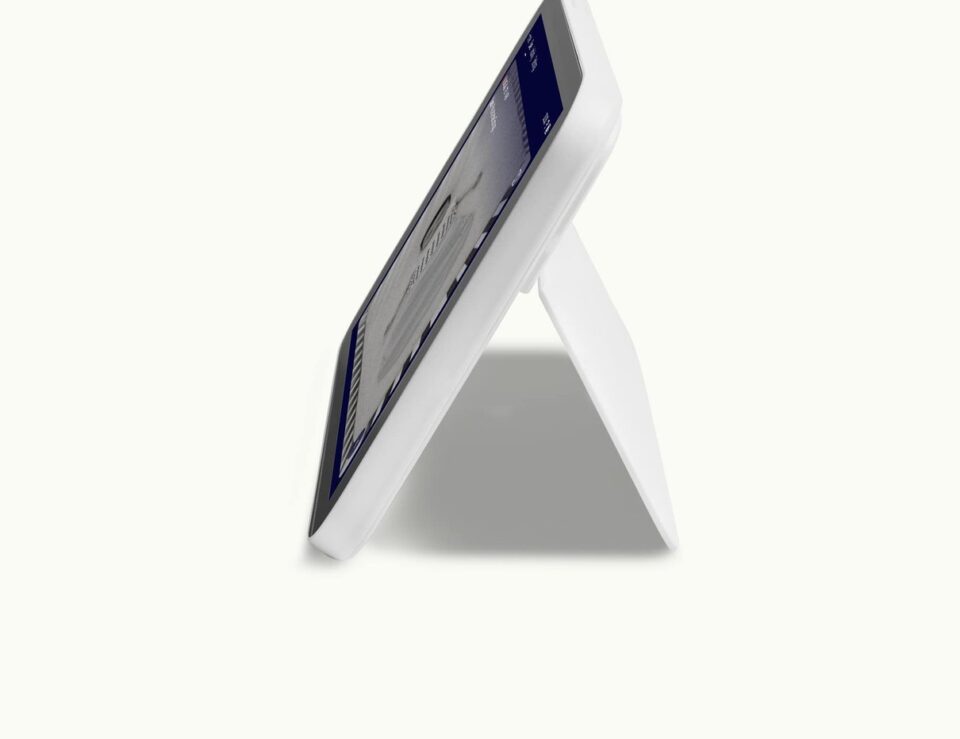
A baby monitor can be a camera, or it can become the quiet organising centre of a nursery. Nanit takes the second route. The brand brings video, sleep information, breathing-focused accessories, growth tracking and practical nursery hardware into one connected system. That makes it worth knowing for first-time parents who want more context than a basic live feed, but still want products that fit ordinary family life.
The important thing is that Nanit is not only about adding more data. Its public story is about helping parents understand patterns: when a baby settles, how sleep changes, and what is happening in the room when nobody wants to open the door. You can explore the Nanit approach before deciding whether connected monitoring belongs in your routine. The range is broad, but the idea underneath it is easy to grasp: more useful reassurance through thoughtful tools.
This article contains affiliate links. If you buy through them, we may earn a commission at no extra cost to you.
What does Nanit bring to the nursery?
Nanit sits at the intersection of nursery design and family technology. The camera is the anchor, while the app turns a stream of images into a longer view of daily life. The brand homepage describes insights around sleep, breathing and growth, alongside personalized advice. That positioning matters because a parent usually does not need another screen for its own sake. They need a fast answer at 2 a.m., a pattern to discuss with a pediatrician, or a way to see whether a new bedtime habit is helping.
- Connected monitoring links the camera experience with the Nanit app.
- Sleep tools are designed to help parents notice routines over time.
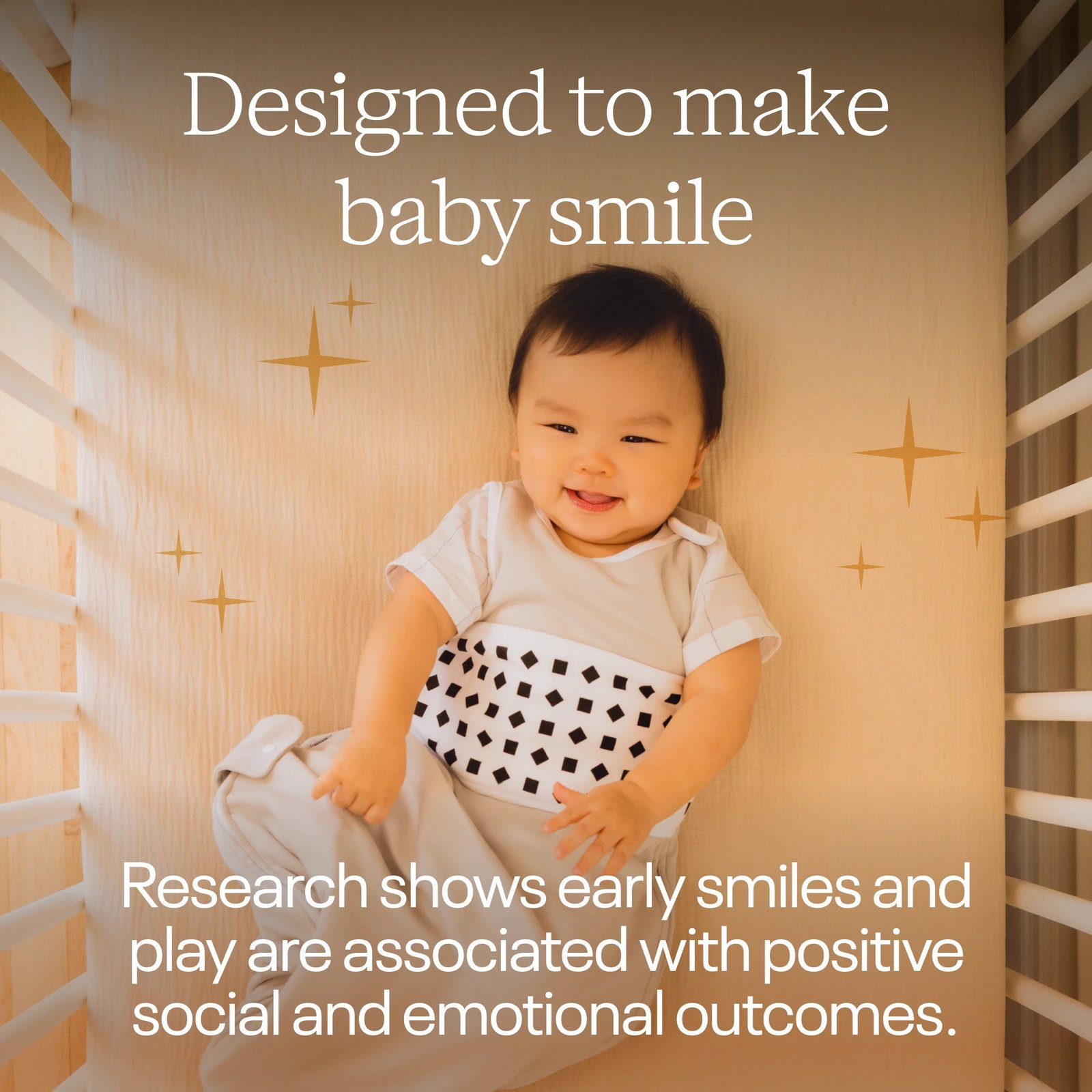
- Breathing Wear adds a wearable layer to compatible monitoring features.
- Stands, displays and travel pieces make the system easier to place in real homes.
That does not mean every family needs every feature. Nanit is best understood as a modular ecosystem. Start with the core monitor, add a stand that matches the room, and choose the extra layer that solves a genuine problem. The full Nanit collection makes that ladder visible, from a single camera to bundles built for a more complete setup.
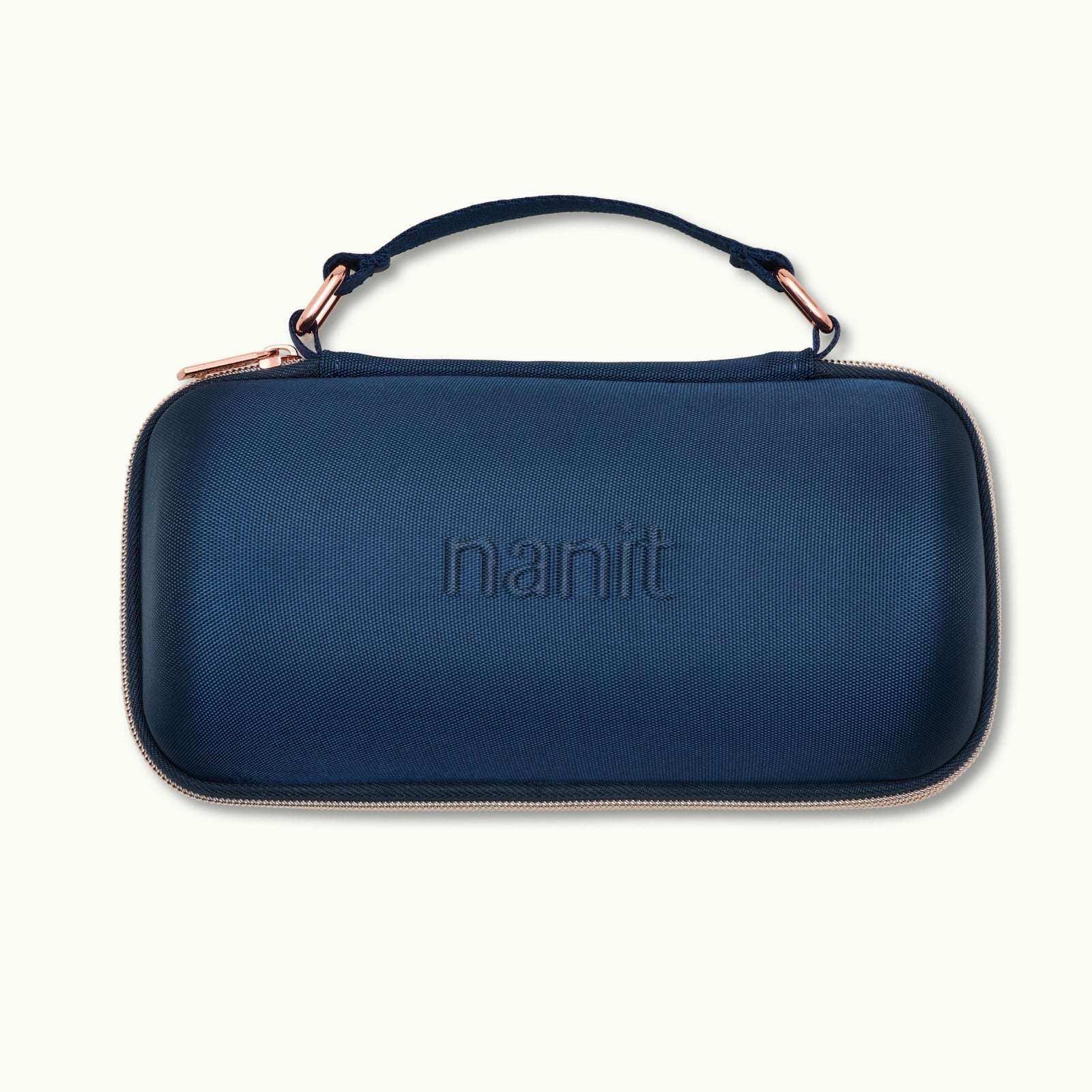
The brand also takes a relatively grounded view of convenience. A dedicated screen can be faster than reaching for a phone, a portable stand can follow a family to a second room, and a travel case can protect a familiar sleep tool away from home. Those details sound small until the nursery moves from a bedroom to a hotel, a grandparent’s house or a daytime play space.
Which Nanit setup fits your routine?
The clearest starting point is the Smart Baby Monitor + Flex Stand. It pairs the smart video monitor with a flexible stand, so the same core idea can work at home or on the go. Nanit describes it as useful for travel and for a secondary monitoring position in an in-home play space. That flexibility is the product’s strongest argument: one camera, more placement options.
For parents who like a dedicated at-home screen, the Home 8" Display is a touchscreen designed to pair with the Nanit Smart Video Baby Monitor and app. The appeal is less about replacing the app than about creating a reliable nursery station. Keep the display nearby, glance at it without unlocking a phone, and leave the app available for deeper history or insights.
- Pick the monitor and stand first if placement and portability matter most.
- Add the 8-inch display if a shared household screen sounds useful.
- Look at Breathing Wear only when its compatible features match your priorities.
- Use a bundle when the included pieces solve several real setup needs.
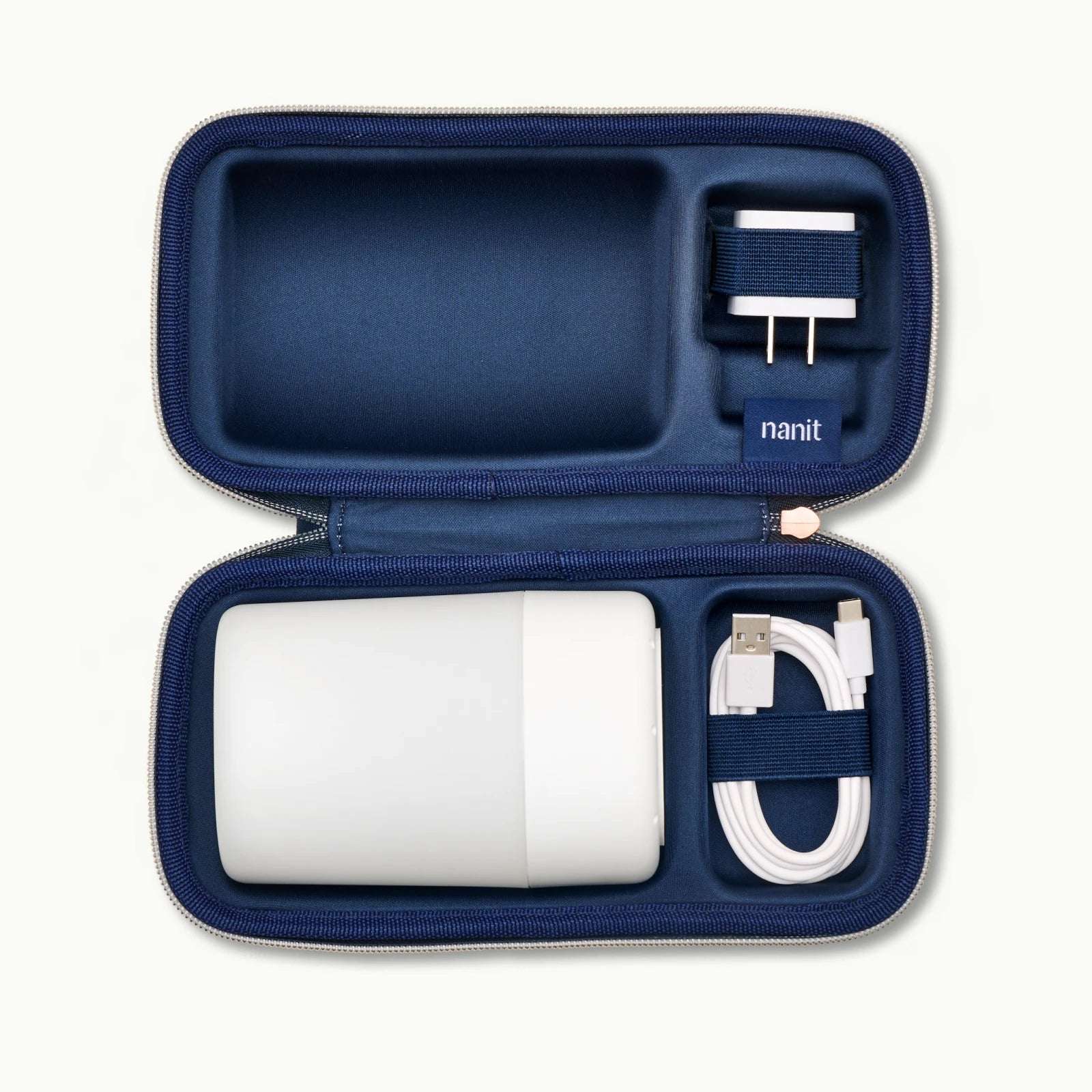
The Best Sellers Bundle is the most straightforward introduction to the ecosystem. It includes the Home 8" Display, Flex Stand and Travel Case. The bundle is aimed at new parents who want a ready-made combination for home and travel. It is a sensible value conversation if you would buy all three pieces anyway, although a single monitor is the more measured first step if you are still deciding.
There is also a personality side to the range. Nanit Cammies are camera covers designed to give the monitor a friendlier face without interfering with its core features. Individual Cammies and the four-pack offer different ways to compare the Cammies options if you want the nursery to feel less clinical. This is not a performance upgrade, and that is precisely why it works as an optional finishing touch rather than a forced part of the system.

Nanit’s supporting products extend beyond the camera. The Sound + Light Travel Pack is built around a compact case for creating a soothing sleep environment away from home. The separate Sound + Light Machine Travel Case is designed to fit most diaper bags. Together, these pages show a brand thinking about the whole sleep journey, not just the crib-side camera.
How does Nanit change daily monitoring?
First, there is continuity. A family can start with video, then add a screen, stand or sleep accessory without abandoning the same general experience. Second, the company treats the nursery as a place where hardware and software should cooperate. The Nanit app experience is part of the proposition, not a hidden afterthought. Third, the brand makes room for the practical moments that product photography often ignores: moving gear, packing it, and checking on a baby without creating a new task.
- Begin with the room, crib position and the viewing method you actually prefer.
- Choose the monitor and stand combination that suits fixed or flexible placement.
- Add the dedicated display if phone-free checking would reduce friction.
- Consider travel and sleep accessories only after the core routine feels clear.
There is a useful honesty in that order. A premium bundle can be convenient, but it is not automatically the best fit. The Smart Baby Monitor options deserve a comparison based on room layout and desired portability. Likewise, a Home Display setup is compelling for grandparents or partners who want quick access, while another household may be perfectly happy using a phone.

The stands are a good example of Nanit’s modular thinking. The Floor Stand Short Segment is a small accessory rather than a headline product, but it matters when you are building the exact physical arrangement your nursery needs. Placement is part of usability: a camera that is easy to position and pack away is more likely to remain helpful as the family’s routines change.
Which Nanit product should you start with?
If you are meeting Nanit for the first time, resist the urge to shop by bundle size. Use the range to answer a simple question: which part of the day needs to become easier? This quick shortlist keeps the decision practical.
- For a flexible beginning: Smart Baby Monitor + Flex Stand.
- For shared at-home viewing: Home 8" Display.
- For a ready-made system: Best Sellers Bundle.
- For frequent trips: Sound + Light Travel Pack.
- For a warmer nursery look: Cammies.
Prices and availability can change, so use the live Nanit product pages to confirm current details. It is also worth checking compatibility before adding Breathing Wear or a stand to an existing monitor. The Nanit support and product information should be your reference when a feature depends on a particular model, app setting or subscription.
Does Nanit require the full ecosystem?
No. The camera is the natural starting point, and the other pieces are optional ways to make monitoring, sleep routines or travel more convenient. A bundle is worthwhile when you already want its included products.
Is the Home 8" Display different from the app?
It is a dedicated touchscreen that pairs with the monitor and app. The benefit is quick, phone-free at-home viewing, while the app remains useful for broader access and connected insights.
Who should look at Nanit first?
Nanit is a strong fit for parents who value connected monitoring, sleep context and flexible nursery hardware. It is less compelling if you only want the cheapest possible live-feed camera or prefer a minimal, screen-free setup.
Our recommendation
Nanit is a connected nursery brand with a clear point of view: technology should help parents see patterns and make everyday care feel more manageable. Its range moves from a monitor and stand to a dedicated display, sleep-focused accessories, travel tools and small personal touches. That breadth is useful because families do not all need the same setup, but the products still make sense as parts of one system.
My practical recommendation is to begin with the product that fixes your biggest source of friction. Choose the monitor and Flex Stand for flexibility, the Home 8" Display for quick household viewing, or the Best Sellers Bundle when the complete set genuinely matches your plans. Then let the rest of the Nanit range earn its place.
For a first-time reader, that is the reason to care: the system can grow around your family, instead of asking you to predict every need on day one. Review the live prices, compatibility and feature details, then make the smallest choice that gives you a calmer, more useful nursery routine.