
A good car maintenance weekend starts with a plan, not a full basket. The aim is to identify what your car actually needs, gather compatible supplies, and leave enough time to work safely. GSF Car Parts is a useful place to build that plan because its range covers service parts, maintenance products, diagnostics and workshop equipment in one UK-focused store.
This guide takes you through a simple order of work. You will begin with checks, move on to low-risk maintenance, and finish by deciding whether a job is suitable for home or needs a professional. Along the way, I will point you towards specific GSF Car Parts maintenance products that make sense for each stage.
Safety first: work on level ground, use the handbrake and axle stands where required, and never rely on a jack alone. If a warning light, brake fault or fluid leak is involved, stop and get qualified help.
This article contains affiliate links. If you buy through them, we may earn a commission at no extra cost to you.
What condition checks should you make before choosing car parts?
Walk around the car before opening a catalogue. Note dashboard warnings, unusual noises, uneven tyre wear, weak starting, dim bulbs, poor wiping and any fluid marks. Then check the service history and vehicle handbook. These details help you avoid buying a part that looks right but is wrong for your registration, engine or trim.
Use this short inspection list before you search GSF Car Parts service parts:
- Exterior: inspect lights, wipers, tyres and visible damage.
- Under the bonnet: check oil level, coolant level and battery condition when the engine is cold.
- Cabin: note warning lamps, ventilation problems and dashboard messages.
- Paperwork: record the last oil, filter, brake and battery changes.
For replacements such as an oil filter, air filter or car battery, confirm the exact fitment before adding anything to your list. A good retailer can offer range and search tools, but the vehicle details still need to come from you.
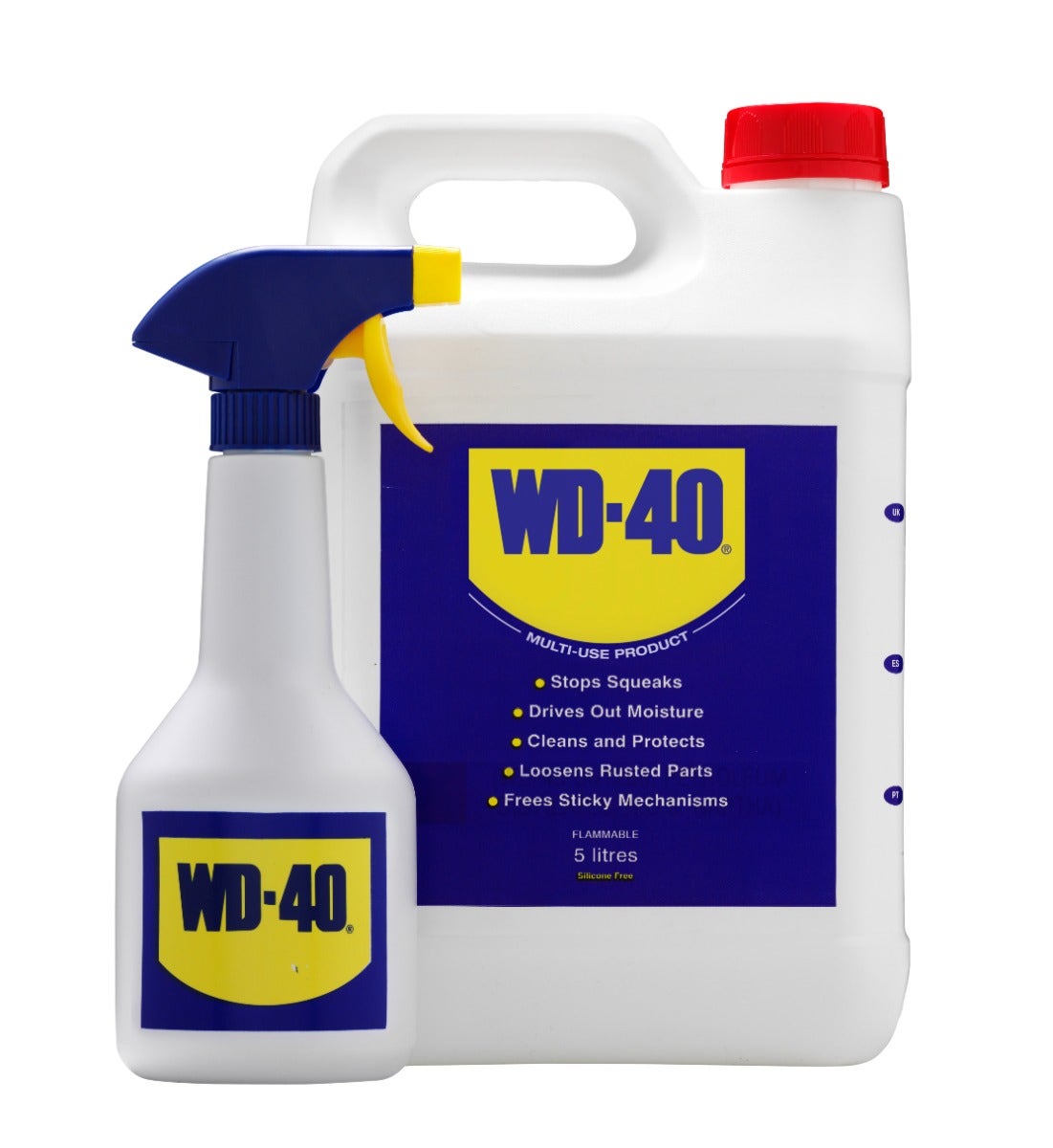
Keep the first order focused. A maintenance weekend works best when it solves visible problems instead of creating a pile of unused parts. For general workshop jobs, the WD-40 Original Multi-Purpose Oil and Lubricant – 5L with Applicator is suited to cleaning, loosening and lubricating a range of household and vehicle tasks. Follow the product directions and keep it away from braking surfaces.
What should you diagnose before replacing a car part?
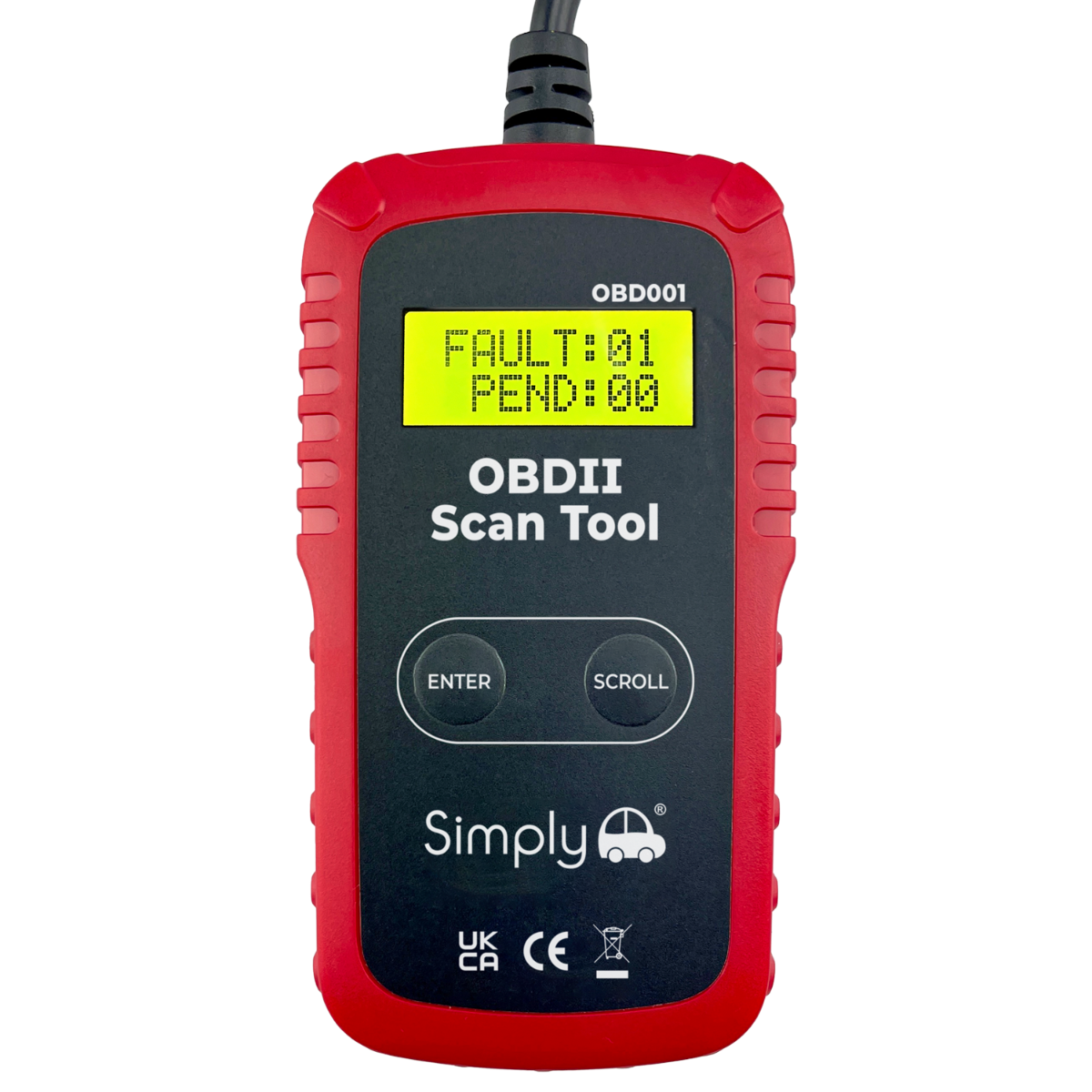
Do not treat every dashboard light as a reason to guess. A basic code reader can help you understand what the car is reporting, although it does not replace a mechanic’s inspection. Plug it in only when the vehicle and device instructions say to do so, record the code, and research the cause before clearing anything.
The SIMPLY OBDII Fault Code Reader/Scanner is a compact option. Its practical use is to give you a starting point: you can compare the code with the symptoms, then decide whether you need a sensor, a service item or professional diagnosis. Browse the GSF Car Parts diagnostic range alongside compatible electrical parts once you know what the vehicle needs.
- Read and photograph the warning message or code.
- Check the handbook for the warning’s severity.
- Inspect obvious connections, fluid levels and loose components.
- Only then price a replacement or book a repair.
That sequence saves money because a code is evidence, not a diagnosis. It also makes your conversation with a garage more useful. If the car is running badly, overheating, losing brake fluid or showing an oil-pressure warning, leave it parked and ask for expert assistance.
Which car maintenance jobs can you handle?
Once you know what is needed, group the jobs by risk and tools. Cleaning and lubrication can often be handled at home. Filters, bulbs and wipers may be straightforward if the handbook confirms the process. Brakes, suspension, fuel systems and anything requiring the car to be raised deserve extra caution.
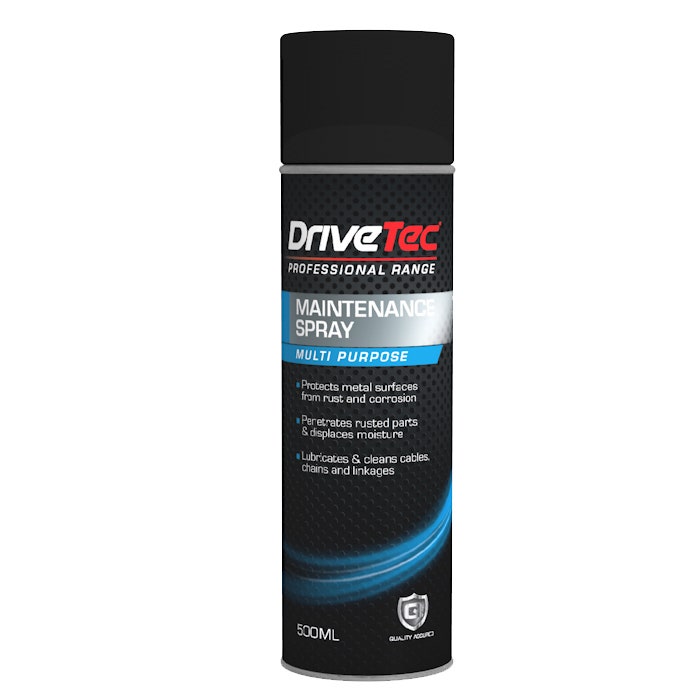
For a small cleaning or freeing-up job, the DRIVETEC Maintenance Spray – 500ml is an affordable addition to a basic kit, but use it only on suitable parts and surfaces. Keep a cloth, gloves and a waste container ready, and never spray towards hot components or exposed electrical contacts.
For routine replacement planning, compare brake pads, brake discs, wiper blades and engine oil only after checking the vehicle specification. The useful advantage of GSF Car Parts here is the breadth of categories: you can assemble a considered list rather than jumping between unrelated shops.
- Replace consumables according to the service schedule.
- Match bulbs and filters by vehicle details, not appearance alone.
- Clean contact points before assuming a component has failed.
- Dispose of oil, sprays and old batteries through the correct local route.
What lifting equipment does your car job require?
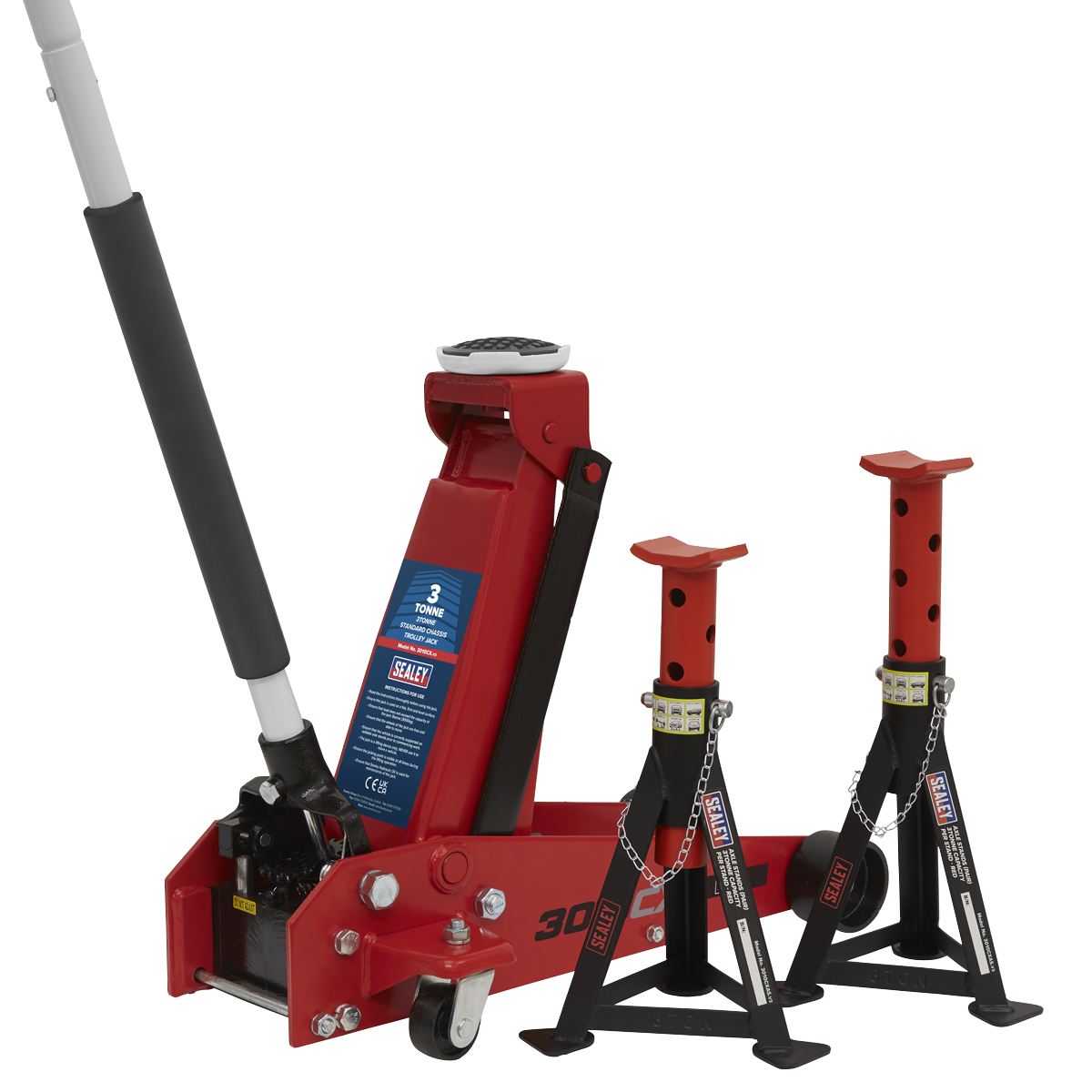
If the job genuinely requires lifting, plan the equipment before you start. The SEALEY Trolley Jack 3 Tonne Standard Chassis with Axle Stands includes a pair of stands. Its stated capacity is useful to know, but capacity alone does not make every vehicle or surface safe. Read the instructions, use approved lifting points and place the stands securely.
A second useful check is battery condition. A tester such as the GSF Car Parts battery tester pictured here can support a basic check before you buy a replacement. Compare its reading with the battery’s condition and the vehicle’s starting symptoms, then explore the battery selection by the correct size, terminals and specification.

Stop when the risk rises. Jacking, braking and electrical work can all cause injury or damage when done without the right knowledge. If you cannot verify the procedure, use a professional garage and use your weekend to organise the parts and questions instead.
How will you record your car maintenance?
Write down what you changed, the date, mileage and any part numbers. Keep receipts and photograph the old component when useful. This makes the next service easier and helps you spot a recurring issue. It also turns a one-off shopping trip into a manageable maintenance routine.
- Record: part, brand, date and mileage.
- Retain: receipts, fitting notes and diagnostic codes.
- Review: warning lights and symptoms after the work.
- Escalate: persistent faults to a qualified technician.
Before ordering from GSF Car Parts, recheck the vehicle information, delivery timing and whether the item is for a DIY job or a garage visit. That final pause is often the difference between a useful purchase and an expensive mismatch.
Can I use a code reader as a complete diagnosis?
No. A code reader gives you a useful clue, but symptoms, wiring, sensors and mechanical condition still need to be considered. Treat the result as a starting point and seek professional help for serious warnings.
What should I buy first for a basic kit?
Start with gloves, lighting, a cloth, the correct fluids and a way to record notes. Add a maintenance spray or diagnostic reader only when you have a clear use for it. GSF Car Parts workshop products make it easy to expand gradually.
When should a garage handle the job?
Use a qualified garage when the job involves brakes, suspension, fuel, airbag systems, high-voltage components, unsafe lifting or a fault you cannot confidently identify. You can still use GSF Car Parts product pages to understand the likely part and discuss options with the technician.
The best maintenance plan is specific, staged and honest about your limits. Check first, diagnose second, buy only what matches the vehicle, and keep a record for next time. With service parts, diagnostic tools and workshop essentials in one place, GSF Car Parts is a natural place to build that practical list.