
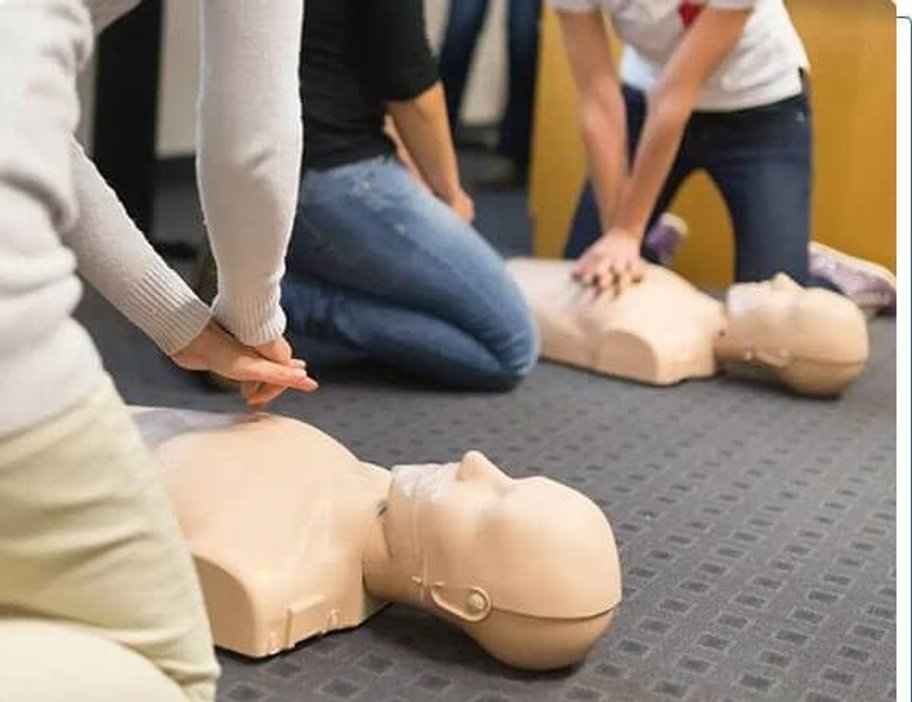
When a CPR credential is required, the hardest part is often choosing the right course before you begin. A childcare worker, a hospital employee, a parent and an event organizer may all need emergency training, but they do not need the same depth of instruction. This guide gives you a simple way to compare the requirement, select a course and finish with the documentation your employer or organization expects. American Health Care Academy is a natural starting point because its range covers everyday CPR, healthcare credentials, First Aid, Bloodborne Pathogens, ACLS and PALS in one place.
Before you register, check whether your workplace needs online learning only, a blended course or a hands-on skills evaluation. Then compare the course description, acceptance information, price and card delivery details. You can review the American Health Care Academy course selection while keeping your exact employer requirements open in another tab.
This article contains affiliate links. If you buy through them, we may earn a commission at no extra cost to you.
Which American Health Care Academy credential do you need?
Start with the wording on your job, school or volunteer form. “CPR certification” may mean a basic CPR/AED course for a lay responder, while “healthcare provider CPR” usually points to a more clinical course. A pediatric role may specifically request PALS. If the form names a certifying body or requires an in-person skills check, treat that as a firm condition rather than assuming any online card will qualify.
- General CPR/AED: useful for parents, workplaces, community members and many nonclinical roles.
- First Aid: adds practical response for cuts, burns, choking, illness and other common incidents.
- BLS: a deeper foundation for healthcare professionals and clinical teams.
- ACLS or PALS: advanced pathways for adult or pediatric clinical emergencies.
- Bloodborne Pathogens: focused training for exposure prevention and workplace safety.
If you need a healthcare credential, open Healthcare Providers CPR Certification first. The course is positioned for people who need more than a general community CPR overview. Check the current page for the exact enrollment terms and acceptance requirements before paying.
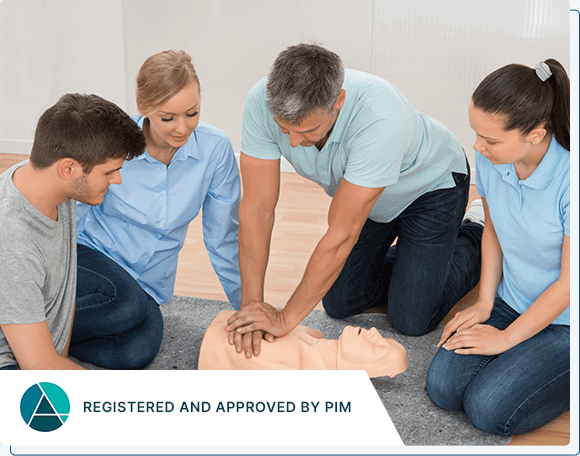
Which course fits how you will use your training?
Next, picture the situation in which you would use the training. A daycare worker may value pediatric context and a clear renewal path. A nurse, dental professional or medical assistant may need the Healthcare Providers CPR Certification course and a card accepted by the employer. Someone building a workplace safety plan may need a combo that covers both CPR/AED and First Aid.
The CPR/AED and First Aid Course is a practical choice when your checklist names both subjects. The site presents a range of individual and combo courses, so you can compare the CPR and First Aid options rather than buying a second course later. Look for the topics, exam rules and card language that line up with your form.
For a quick decision, use this checklist before opening checkout:
- Write down the exact credential name from your employer or school.
- Confirm whether online completion is allowed.
- Check whether a skills demonstration is required.
- Compare the course duration, exam and renewal period.
- Save the receipt and download instructions after enrollment.
Keep the course comparison page handy as you work through those questions. This small pause prevents the most common mistake: selecting a low price first and discovering later that the credential does not match the job requirement.
What American Health Care Academy level and format fit?
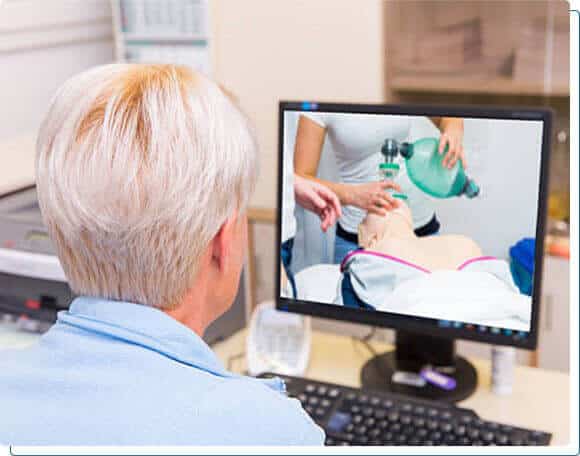
American Health Care Academy emphasizes flexible learning, which is useful when a shift schedule makes a classroom difficult. Many courses can be completed at your own pace, and the homepage describes lessons that take roughly one to two hours, with the ability to leave and resume. That convenience is valuable, but it should not override a workplace rule requiring blended learning or a practical assessment.
If your role involves critically ill children or infants, compare the PALS Certification and Recertification page. PALS goes beyond foundational CPR by focusing on pediatric assessment, respiratory emergencies, rhythm recognition and post-resuscitation care. It is a very different choice from BLS, so use the PALS course page only when your clinical responsibilities call for that advanced level.

How can you prepare to finish the course?
Once you have chosen the course, make completion easy by preparing before you start. Set aside uninterrupted time, use a reliable connection and keep any workplace instructions nearby. Online training works best when you treat it like a real class, even if the format lets you pause.
- Have your legal name ready for the certificate.
- Use headphones if the lessons include demonstrations or narration.
- Take notes on emergency sequences, AED use and local reporting rules.
- Allow time for the final exam instead of rushing it between appointments.
- Review the card download and verification steps immediately afterward.
The American Health Care Academy enrollment area is designed around accessible online training, while the brand also describes blended and group options. If several employees need the same credential, ask about group and team training before registering each person separately. A coordinated order can make names, completion records and renewals easier to manage.
How do you verify your American Health Care Academy card?
Finishing the quiz is not the final administrative step. Download the digital wallet card if it is available, check that your name and course are correct, and send it to the person who requested it. The site highlights immediate digital access after completion for some credentials, but acceptance can vary by employer, state, school or licensing body. Keep a copy in cloud storage and note the expiration date in your calendar.
Before you enroll, review the acceptance information and contact support if your organization has a strict provider list. This matters especially for healthcare CPR certification, PALS recertification and any role that requires in-person skills validation.

FAQ: Choosing an online certification course
Are American Health Care Academy courses nationally accepted?
The brand describes its certifications as nationally accepted and aligned with ECC and OSHA guidance. Acceptance still depends on the specific employer or institution, so confirm the requirement before using the course you select.
How long do the courses take?
Many online lessons are described as taking about one to two hours, and the self-paced format lets learners pause and resume. Allow extra time for reading, the final exam and saving your card. See the current course details for the exact estimate.
Should I choose BLS or PALS?
BLS covers foundational emergency care for healthcare settings, while PALS is the advanced pediatric pathway for clinicians caring for seriously ill children or infants. Compare the BLS and healthcare CPR route with the PALS certification route against your job description.
How can you make your next certification easier to manage?
The best course is the one that matches the requirement, fits your schedule and leaves you with documentation your organization can use. Start by identifying the credential, compare the specific course page, check the format and save the finished card. For a flexible range of CPR, First Aid, BLS, ACLS and PALS options, American Health Care Academy gives you a sensible place to complete that process.