
Choosing bulbs and plants online can feel like choosing a garden from a catalogue: there is colour everywhere, but the story behind the names is less obvious. DutchGrown™ gives first-time readers a useful place to begin by connecting its range to its growing roots and to practical planting information.
This is an editorial look at the UK storefront and its product pages, rather than a report from using the plants. The question is what the brand’s background adds, how far its range reaches and which details help a gardener make an informed shortlist.
The family-company story and Dutch grower sourcing are part of the brand’s own presentation. The UK shop also gives dispatch information and growing notes, so a new reader can assess both the provenance story and the practical fit before browsing further.
This article contains affiliate links. If you buy through them, we may earn a commission at no extra cost to you.
Before you read on
- DutchGrown™ presents itself as a family company sourcing flower bulbs from Dutch growers, with UK dispatch information on its storefront.
- The catalogue extends beyond spring bulbs into perennials and summer-flowering plants, including Astrantia White Button and Dahlia Kick Off.
- Individual product pages can help with selection: look for flowering period, mature size, growing conditions and the planting form.
- The brand states that its 100% DutchGrown grow guarantee applies; read the current guarantee, shipping schedule and product notes before ordering.
What does the growing story tell a new reader?
The store describes DutchGrown™ as a family company working with growers in Holland. Readers can explore individual listings such as Astrantia White Button and Dahlia Kick Off to see how the sourcing story meets specific plants. That is a useful frame for the business: rather than presenting itself only as a broad garden retailer, it puts flower bulbs and grower relationships at the centre of its identity. Its own site describes the range as coming direct from its family farm in Holland, while UK delivery information sits on the British storefront.
For a first-time customer, provenance is context, not a guarantee that every choice will suit every plot. The practical value lies in connecting that story with the plant information. The brand’s listed quality standards and its stated grow guarantee offer further points to check, but readers should read the guarantee conditions as written and consider what counts as eligible stock.
That balance matters because bulbs and bare-root plants are seasonal products. A company story can explain where a range comes from; a product page still needs to answer whether the chosen plant fits a border, pot, soil and planting window. We would treat the background as an introduction, then let the plant’s individual details guide the decision.
How broad is the catalogue beyond spring bulbs?
The breadth of the range is one of the more helpful parts of the DutchGrown™ offer. The storefront presents familiar spring bulbs alongside summer-flowering plants and perennials, so someone planning beyond a single burst of spring colour can browse across different roles in a planting scheme. Product pages for Astrantia White Button and Dahlia Kick Off show how the range reaches beyond tulip and daffodil favourites.
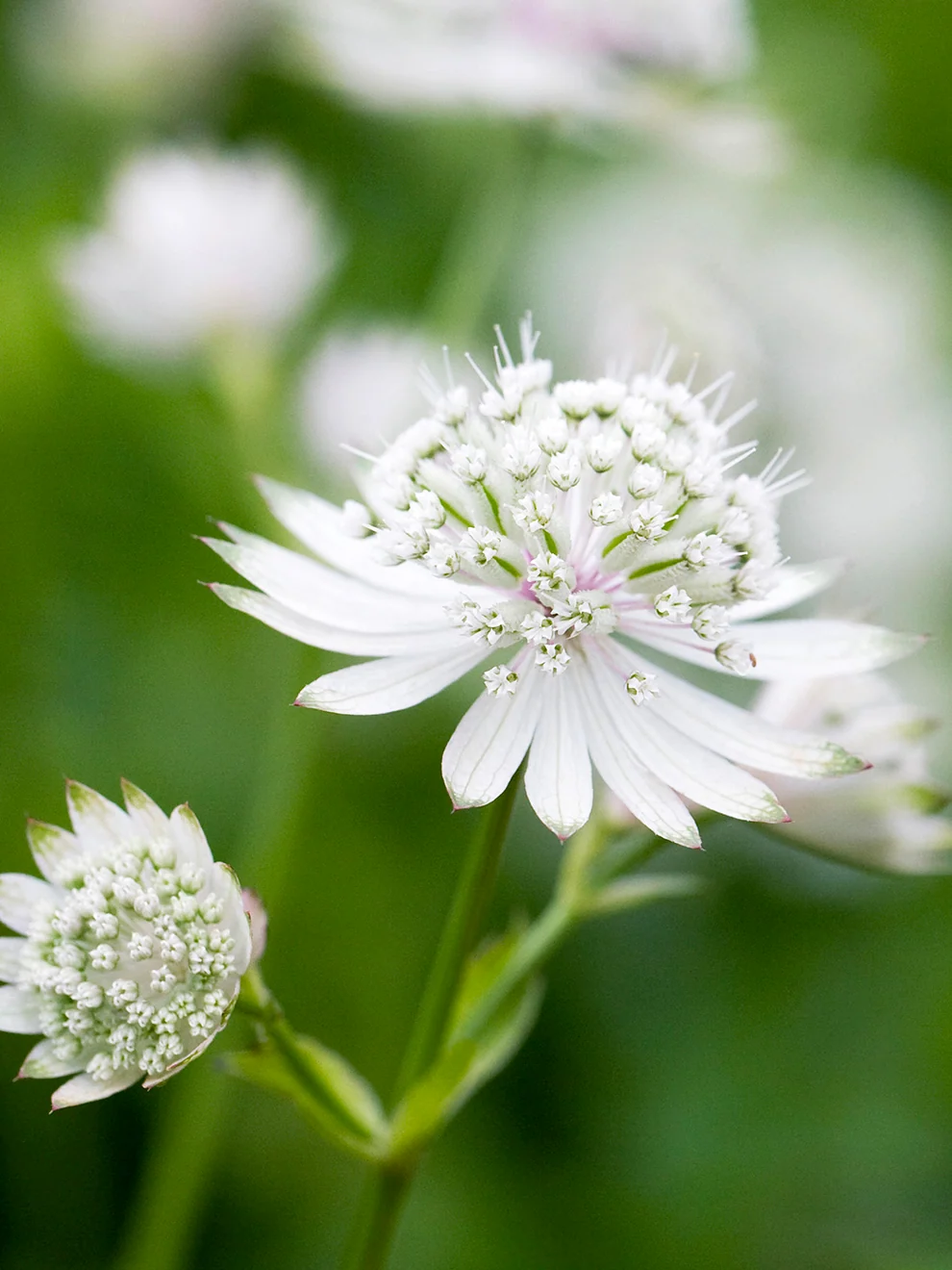
Astrantia White Button is described as a perennial with delicate white flowers and a long summer season. Its product copy points to partially shaded areas and describes the flower form: a detailed central cluster surrounded by papery, star-like bracts. Those specifics are more useful than a colour label alone when considering a lighter note among established planting.
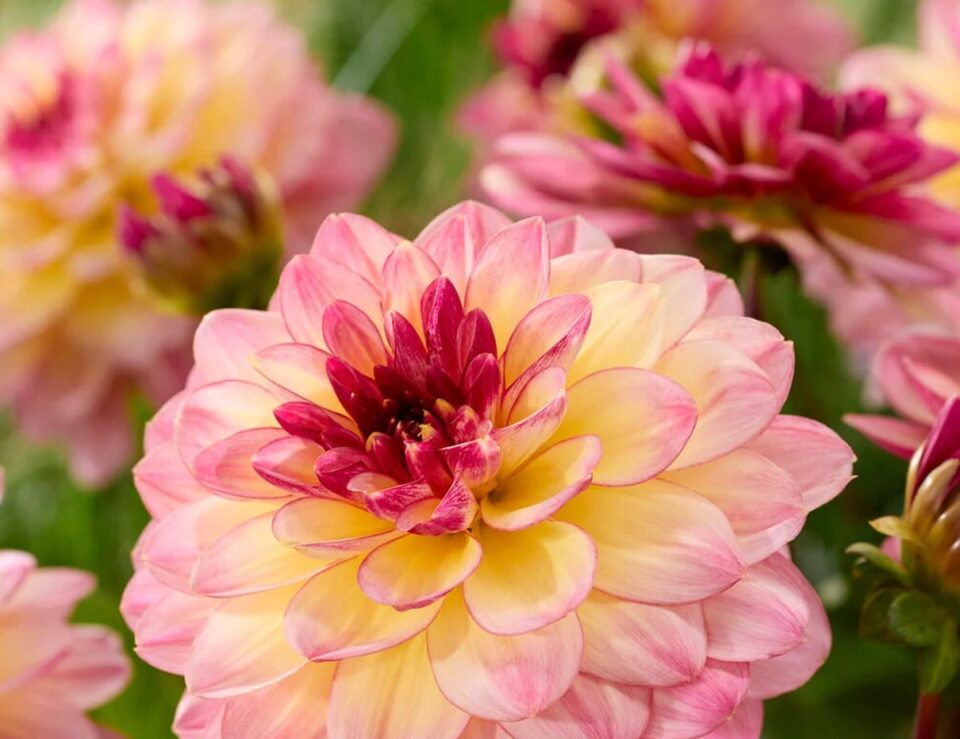
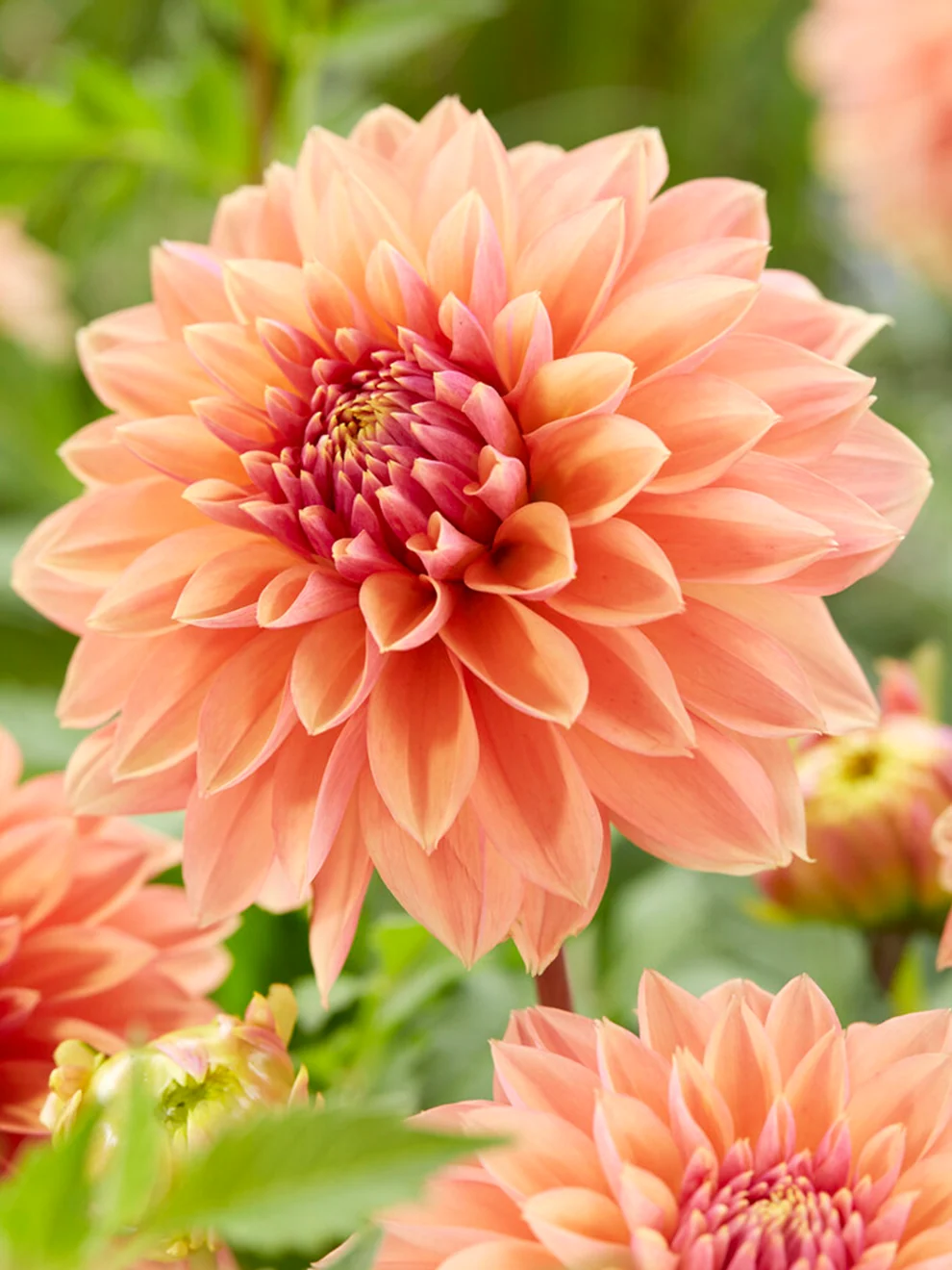
Dahlia Kick Off offers a different design role. DutchGrown™ describes its decorative blooms in salmon pink and copper tones with golden undertones, and lists a mature height around 90 to 110 cm. That gives a reader a clearer sense of scale and palette, though it also signals the need to check the growing and seasonal care guidance before choosing a dahlia tuber.
- For a light summer texture: compare perennials such as Astrantia White Button with the surrounding plants and available shade.
- For warm colour and height: Dahlia Kick Off is described as a taller decorative dahlia with salmon and copper tones.
- For a layered border: consider plants with different flowering periods rather than selecting only by flower colour.
These examples also show why a range with different planting forms can be useful. The right choice depends on whether a gardener wants a bulb for an earlier display, a perennial presence, or a tuber that brings later-season colour. Compare Astrantia White Button with Sanguisorba All Time High when the goal is a perennial layer. We recommend checking availability and planting instructions on the UK pages, since seasonal stock and dispatch timing can change.
Which product details help turn browsing into a plan?
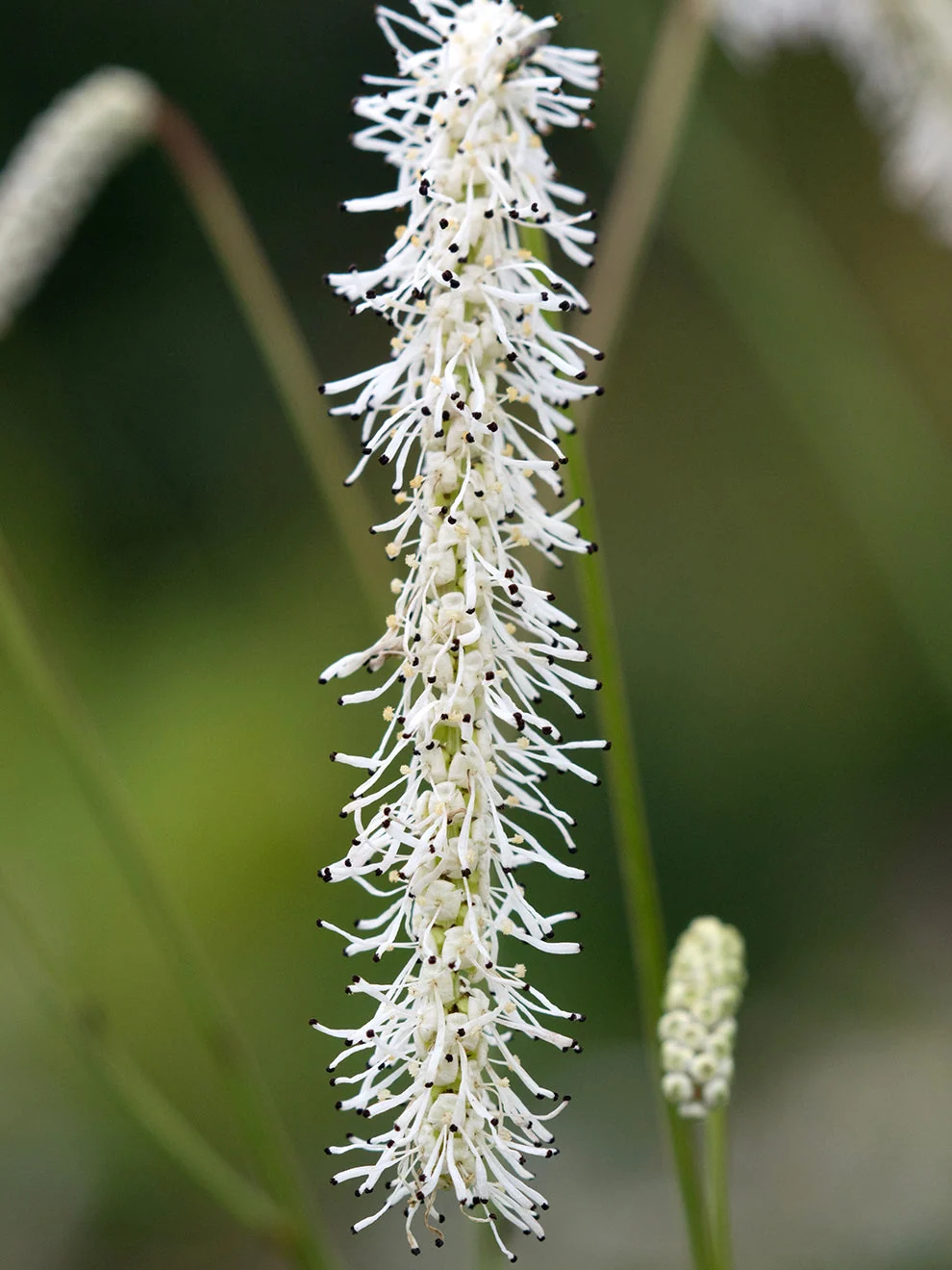
A name and a photograph create interest, but the helpful product pages go further. Look for flowering time, approximate height and spread, preferred light, soil needs and any support guidance. For instance, Sanguisorba All Time High is described as a tall perennial with creamy white flower spikes, summer-to-early-autumn interest and a preference for moist, well-drained soil in sun or partial shade.
That combination of season and conditions helps place it: an airy plant can add height while allowing a view through the border, but the soil preference may matter more than the flower colour in a dry garden. The page also notes its open growth habit and pollinator appeal. These are useful points for someone building a mixed planting scheme, provided the local conditions are suitable.
Compare those notes with Astrantia White Button, which offers a lighter flower and a summer season, and Dahlia Kick Off, whose height and warm colours make a more visible focal point. Reading across pages makes the catalogue easier to understand as a set of different garden roles rather than a long list of unrelated names. The pages for Dahlia Kick Off and Sanguisorba All Time High are useful points of comparison.
Before adding any plant to a shortlist, we suggest using a small checklist:
- Match the stated light and soil preferences to the actual planting spot.
- Check mature dimensions against the available border or container space.
- Use the flowering period to coordinate with plants already in the garden.
- Read whether the item is a bulb, tuber, bare-root plant or another planting form, then follow its specific instructions.
What should readers understand about the brand’s guidance?
DutchGrown™ includes growing details on product pages and maintains separate guidance pages and FAQs for several bulb groups. This is a meaningful part of the offer for new gardeners: product selection becomes less abstract when the site describes when a plant flowers and what conditions it prefers. It does not remove the need to consider local weather, soil and exposure, but it can help identify the questions to ask.
The shop also publishes a shipping schedule and information about its grow guarantee. These pages deserve a visit before checkout, especially for seasonal planting stock. Read the current dispatch window for the product type, check the stated terms of the guarantee, and confirm how the listing describes the plant’s planting season. That is more dependable than assuming every item ships or grows on the same timetable.
We would also keep expectations measured around descriptions. A listed height or flowering period is guidance from the brand; growing conditions can affect the result. Product pages are strongest when treated as practical starting points, then matched to the conditions in the reader’s own garden.
Where does DutchGrown™ stand out, and where is care needed?
The clearest strength is the combination of grower story and range and a catalogue that gives readers multiple routes into planting: seasonal bulbs, perennials and summer colour. Named examples such as Sanguisorba All Time High and Dahlia Kick Off make the variety tangible, while the product detail can support a more considered choice than browsing by image alone.
The limitation is that a wide catalogue can make selection demanding, particularly for a novice who has not yet mapped sun, soil and flowering gaps. The family and quality story cannot substitute for checking each plant’s suitability, and the stated guarantee should not be mistaken for a promise that every plant will thrive in any setting. Take the time to compare requirements and the UK site’s shipping notes.
For readers who want to start small, choosing one plant for a specific gap is more manageable than trying to redesign a whole border from a catalogue. A later-flowering option, a plant for partial shade or a taller accent gives the browsing a clear purpose. The store’s details then help test whether a candidate fits that purpose.
Frequently asked questions
Does DutchGrown™ only sell spring bulbs?
No. The UK store presents spring bulbs alongside perennials and other seasonal planting stock. Specific listings and availability vary, so use the relevant product and collection pages to see what is currently offered.
What should a first-time reader check on a product page?
Start with planting form, flowering period, mature height, light and soil preferences. Check shipping timing and any care guidance too, then compare those details with the conditions in the garden.
Does the brand provide a growing guarantee?
DutchGrown™ states that it offers a 100% DutchGrown grow guarantee. The applicable terms and exclusions matter, so read the guarantee page itself before relying on it.
Our recommendation
DutchGrown™ is worth exploring for readers who want to understand how a grower-led bulb business presents a broader seasonal range. The family-company story gives useful context, and detailed listings for plants such as Astrantia White Button, Dahlia Kick Off and Sanguisorba All Time High help show how different varieties can serve different garden plans.
Our honest reservation is that the range still asks the buyer to do some matching: a catalogue description cannot account for every garden’s soil, exposure or local conditions. Start with a defined planting need, compare the details for Astrantia White Button or Dahlia Kick Off, and check the current UK shipping and guarantee information before making a choice.