
Choosing a conditioning tool is easier when the movement you want is clear. A kettlebell, sandbag and wall ball can all support hard sessions, but they ask for different space, skills and storage.
We compared the descriptions on the WUXTIME United States store, focusing on what each format is designed to do and where a more familiar dumbbell may be the practical choice. Product details below reflect the store’s listings, rather than hands-on evaluation.
This article contains affiliate links. If you buy through them, we may earn a commission at no extra cost to you.
Before you read on
- Kettlebell Competition KB5 is the clearest pick for swings, cleans, presses and carries.
- Sandbag Competition SB1 brings shifting-load carries and multi-grip handling to strength circuits.
- Wall Ball Competition MB7 fits throws and higher-repetition work, if you have a suitable wall and clearance.
- A plate-loaded dumbbell is the more familiar choice for controlled pressing and rowing.
How do the three tools differ in a home workout?
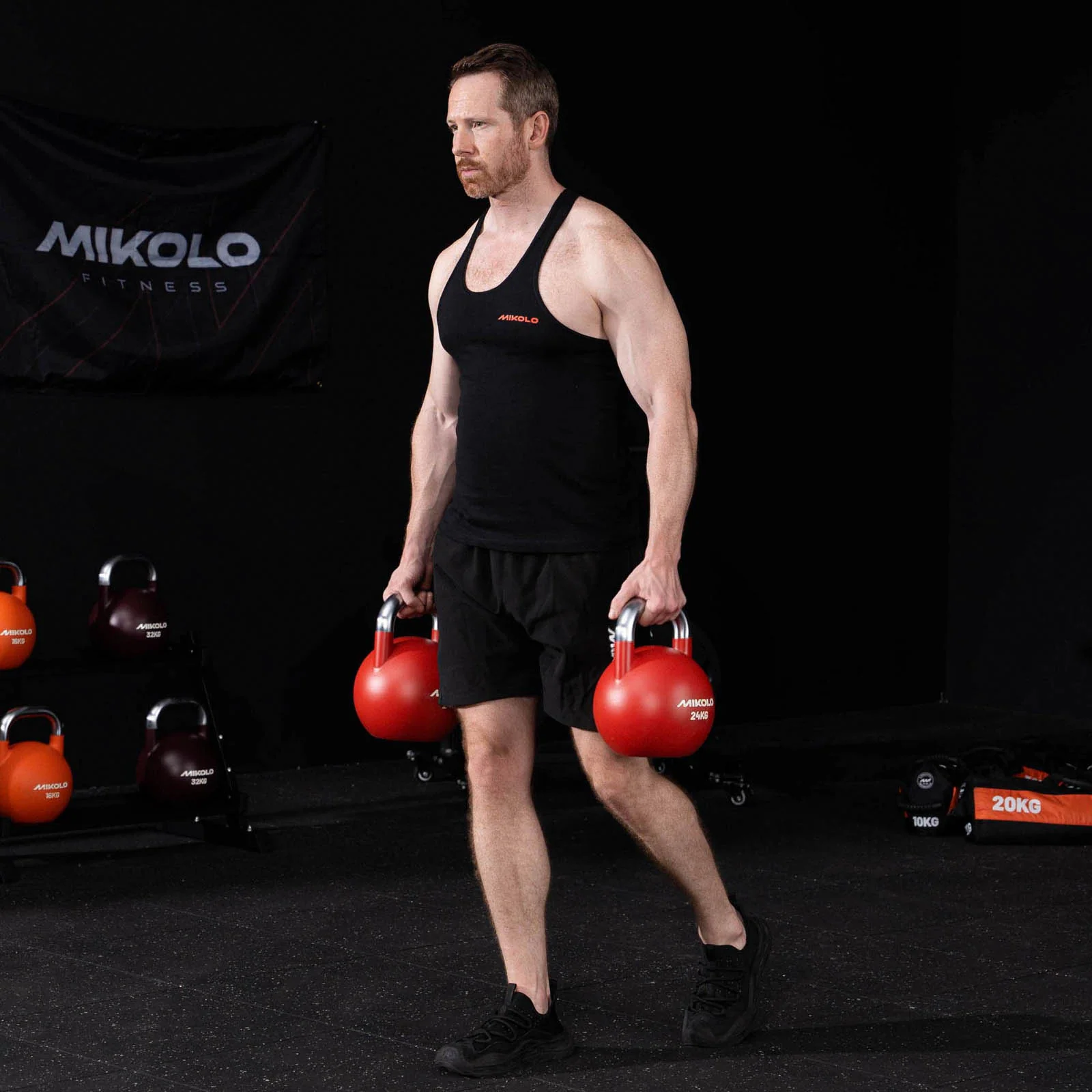
The main difference is the movement vocabulary. The Kettlebell Competition KB5 is a compact free weight intended for swings, cleans, snatches, presses and carries. WUXTIME’s store describes competition-style dimensions and a balanced design. That consistency across weight options may appeal to people who already use kettlebell patterns, while the single handle and fixed shape are less adaptable than a dumbbell for conventional bilateral lifts. See the Kettlebell Competition KB5 listing for the available configurations and details.
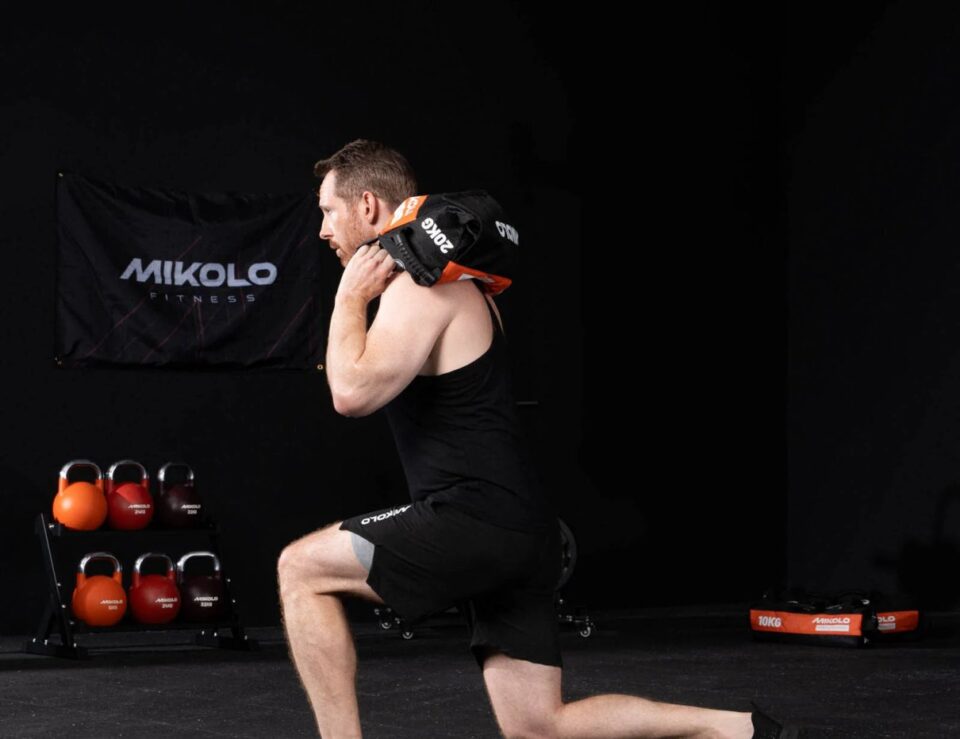
The Sandbag Competition SB1 shifts the feel of familiar lifts. Its listing describes a reinforced polyester shell, textured multi-grip handles and removable filler bags. Carries, lunges, squats and cleans are natural matches because the load can move against the body and demand bracing. In exchange, the shifting load is less predictable than a rigid weight, and the store does not provide a universal exercise progression. Review the Sandbag Competition SB1 page if grip variety and carry work matter most.
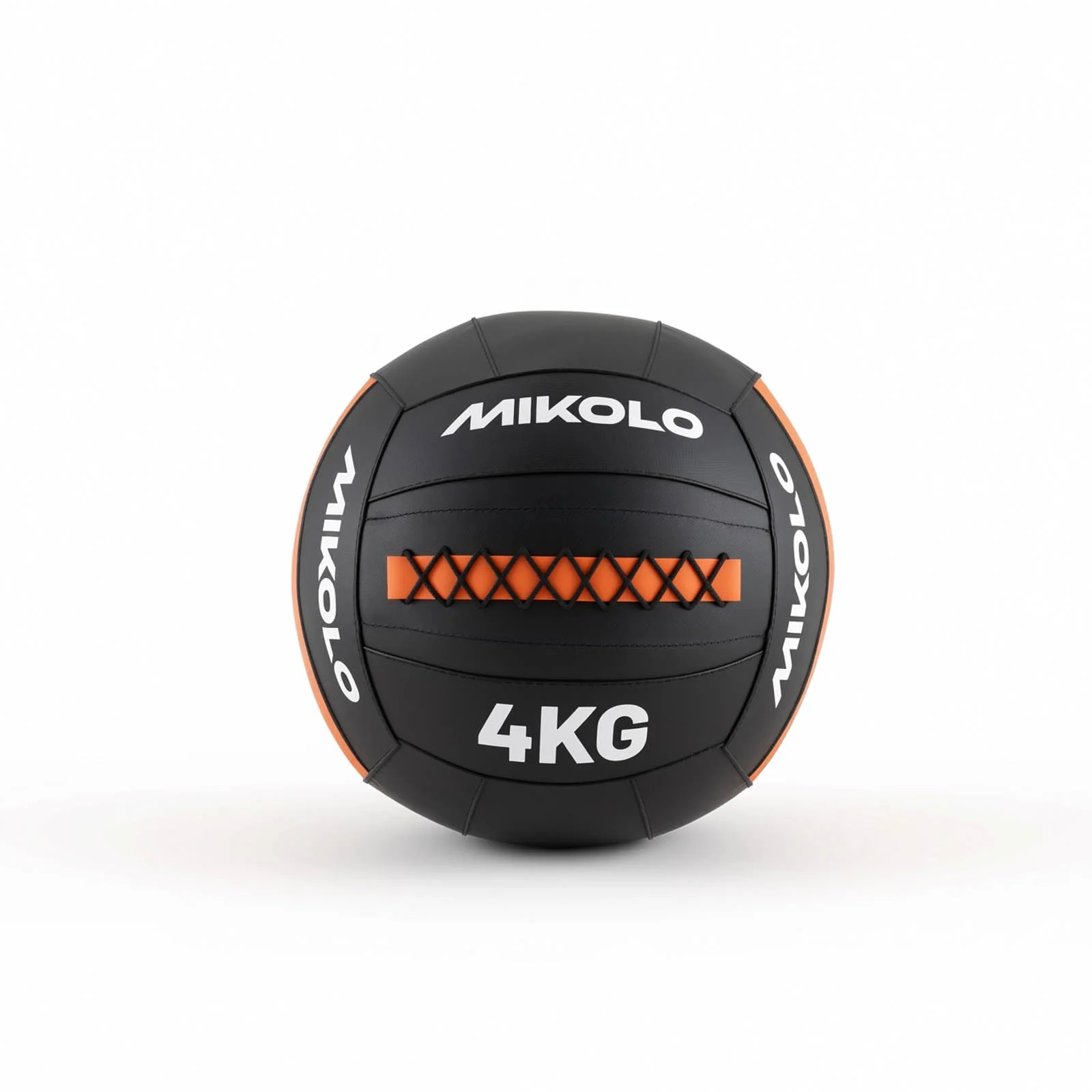
The Wall Ball Competition MB7 is the circuit-focused option. The product description highlights throws, squats and partner drills, with a PVC shell and reinforced double stitching. It asks for open floor space and a safe, suitable target; without those, its defining movement is difficult to use. It is less versatile for slow strength work than the KB5 or a dumbbell, but more immediately suited to timed throw-and-squat intervals. The Wall Ball Competition MB7 listing has the store’s construction information.
Which option makes sense for limited space?
| Tool | Best fit | Main trade-off |
|---|---|---|
| Kettlebell Competition KB5 | Swings, cleans and carries | Less familiar for classic two-hand presses |
| Sandbag Competition SB1 | Loaded carries and changing grips | Shifting load takes practice |
| Wall Ball Competition MB7 | Throws and circuits | Needs safe wall clearance |
A use-case pick is more useful than a universal ranking. Consider which movements already appear in your routine, then check the product page for the configuration that fits.
- Swing and carry sessions: the Kettlebell Competition KB5 favors repeatable free-weight patterns; it is less familiar for classic two-hand presses.
- Awkward-load carries: the Sandbag Competition SB1 offers multiple grip positions; the shifting load asks for more bracing.
- Throw intervals: the Wall Ball Competition MB7 suits circuits when a safe target is available; it needs more room than its storage size suggests.
- Controlled pressing and rowing: the Locking Screw Plate-Loaded Dumbbell AD3 is the closer fit; load changes mean handling plates.
A single kettlebell or sandbag is easier to store than a full rack or a multi-piece barbell setup, though both need clear floor space while moving. The wall ball itself stores compactly, but wall-ball training requires a tall, unobstructed throwing lane. Buyers should measure the full movement area, not only the item footprint.
- Choose the KB5 for one tool that supports several repeatable free-weight movements.
- Choose the SB1 when carries, awkward-load lifts and grip changes are central.
- Choose the MB7 when throwing space and a safe target are already available.
- Choose another format if the room cannot support dynamic movement.
Compared with common alternatives, the kettlebell offers a simple, compact object but does not replace a pair of dumbbells for evenly loaded presses. The sandbag adds instability and multiple holds, but that same quality can make precise loading less straightforward. A wall ball is easy to include in conditioning circuits yet relies more heavily on the room. Resistance bands are another category to compare; storage needs and resistance depend on the band and anchor setup, so check each listing.
When is a dumbbell the better comparison?
For controlled presses, rows and single-arm work, WUXTIME lists the Locking Screw Plate-Loaded Dumbbell AD3. Its product page describes an all-metal build, threaded locking system, integrated plates, wavy plate grips and an anti-roll shape. The listing also describes different pair configurations, so the buyer should check what is included and how the adjustment process suits the intended session. This is a more conventional strength choice than a sandbag or wall ball, but changing load requires handling plates rather than simply picking up a second fixed dumbbell. See the Locking Screw Plate-Loaded Dumbbell AD3 details before deciding.
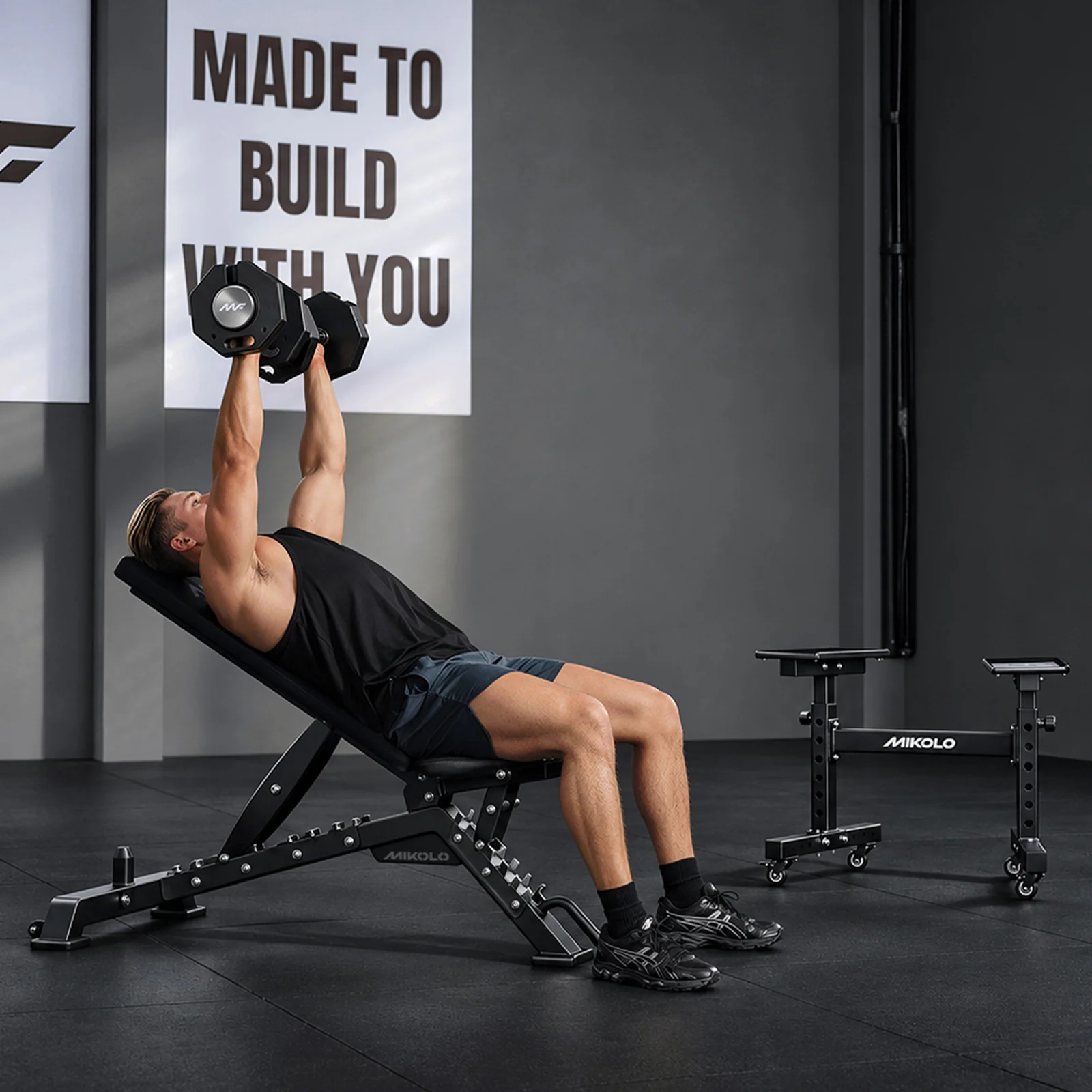
The decision is not simply compact versus bulky. The KB5 is quick to understand if swings and carries are already part of the plan. The AD3 is more aligned with presses and rows, while a pair or a selectorized set may be more convenient when frequent weight changes matter. Compare the actual included components and dimensions on the store page; product names alone do not establish what fits your training space.
Which setup details can change the decision?
- Match the tool to movements you expect to repeat, not a long list of theoretical exercises.
- Measure clearance for swings, carries or throws and consider nearby walls, doors and stored equipment.
- Check the selected product configuration, included parts and loading method on its current page.
- Plan where the equipment will live between sessions, especially if it needs a target wall or a clear lane.
- Compare the cost drivers: the product format, included pieces and any supporting equipment. Check the store for current details.
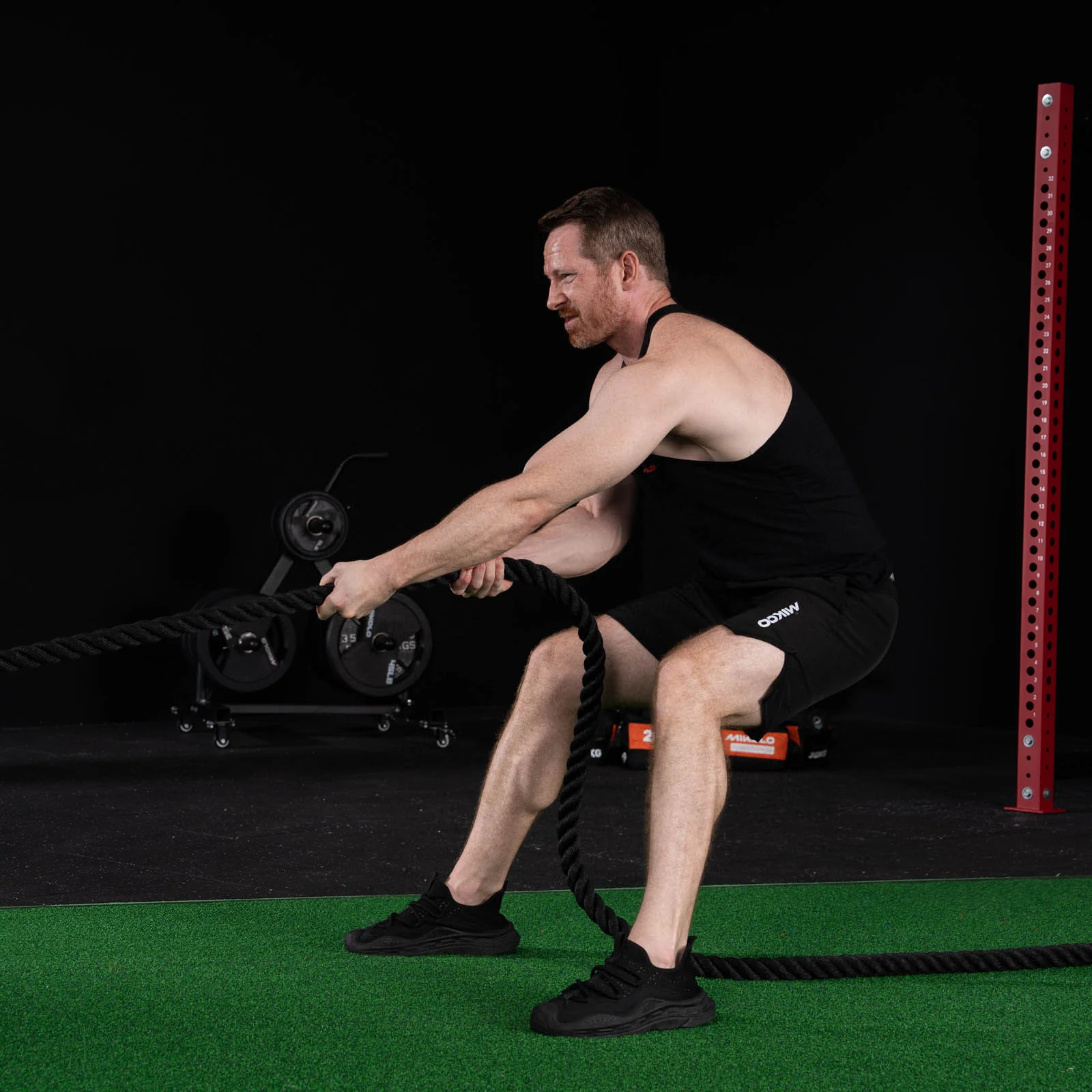
WUXTIME’s broader catalog also has conditioning pieces for dedicated spaces. The Power Training Rope Competition CR1 listing describes polyester construction, attachment hardware and distance markers, while the Power Sled Competition SD1 is described with knurled push handles, tow points and an Olympic plate-compatible post. These can be useful for outdoor or garage conditioning, but they are not direct substitutes for a compact indoor weight: a rope needs an anchor or sled pairing, and sled work needs a suitable surface.
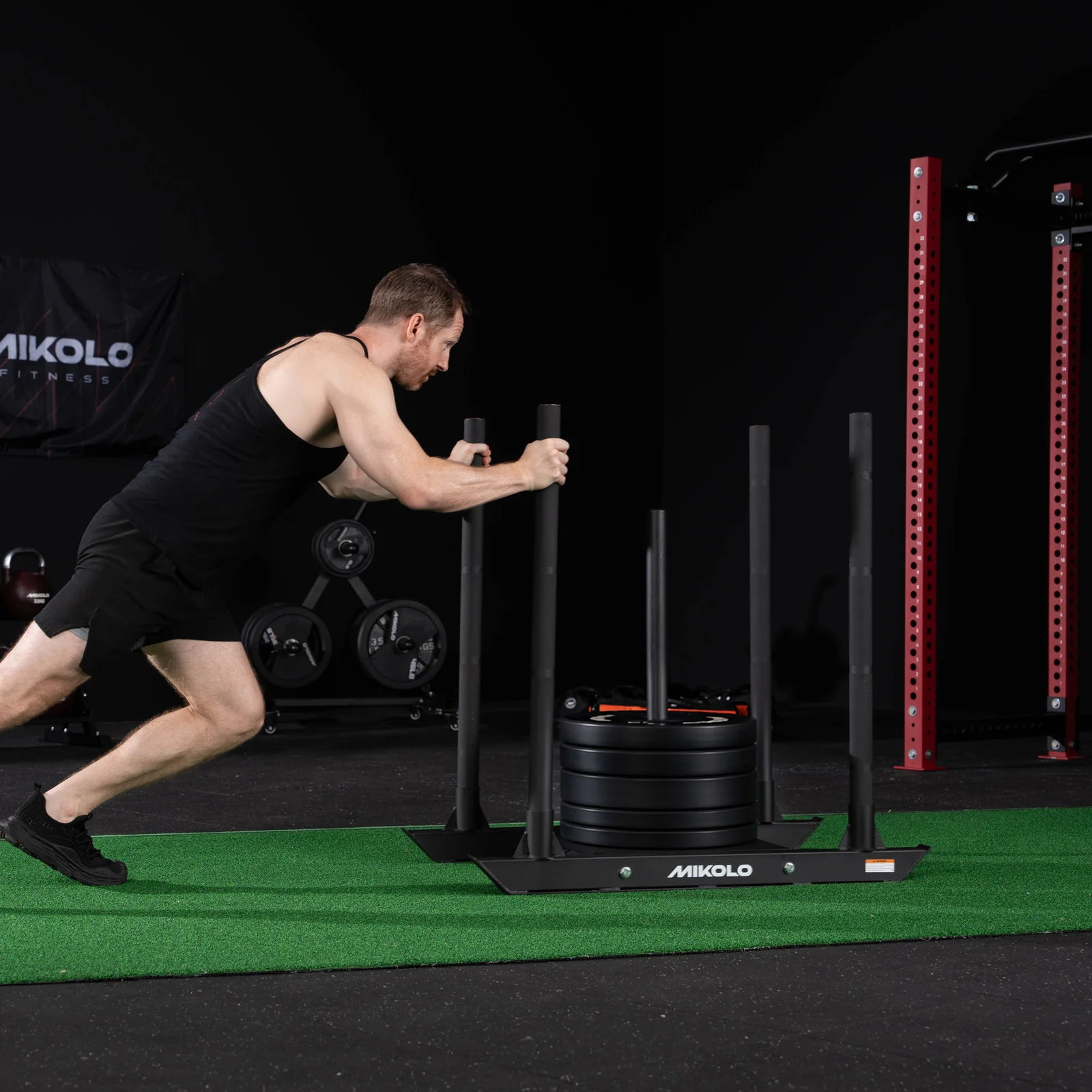
For pull-focused intervals, the CR1 may be relevant when an anchor point and travel path are available. Its listing describes use with a sled, so buyers should confirm the setup needed rather than treating the rope as a standalone solution. The Power Training Rope Competition CR1 page provides the product-specific information. A sled is the natural pairing to compare, but the Power Sled Competition SD1 also needs a suitable surface and room to travel.
What do buyers often ask about WUXTIME conditioning gear?
Is a kettlebell or sandbag more versatile?
They suit different styles. The KB5 is the more conventional option for swings, cleans and presses. The SB1 offers multiple grips and an adjustable filler arrangement for carries and awkward-load drills. The better fit depends on whether you prefer repeatable rigid-weight movements or shifting-load work.
Can a wall ball replace a medicine ball?
The MB7 is listed as a wall ball with a PVC shell and reinforced stitching, for throws and conditioning circuits. Buyers should match its intended use and selected weight to their space and training plan; the listing does not mean it is the right format for every medicine-ball exercise.
Where can I compare current configurations?
Use the individual product pages for the selected version, included components, dimensions and current store details. Start with the KB5, SB1, or MB7 page, since option details may vary by product.
Our recommendation
For most buyers choosing one compact conditioning tool, we would start with the Kettlebell Competition KB5 if swings and carries are appealing and familiar. Choose the Sandbag Competition SB1 for grip variety and loaded movement, or the Wall Ball Competition MB7 when a safe throwing space is ready. For classic presses and rows, the AD3 is the more relevant comparison. The limitation is that none of these single tools covers every movement or replaces a complete strength setup; pick according to the sessions you will actually make room for.