
Choosing home fitness equipment is often less about finding a single perfect machine and more about finding a format you will actually make room for. Merach is a useful brand to understand because its UK range takes several routes into everyday movement.
Rather than centring on one workout, Merach brings together cardio equipment and focused training pieces: walking and running machines, bikes, rowers, steppers and abdominal trainers. Which movement fits your space and habits?
This feature draws on the UK store’s product descriptions, so details below reflect what Merach lists rather than hands-on use. Product availability and specifications can change; check the live listing for the model you have in mind.
This article contains affiliate links. If you buy through them, we may earn a commission at no extra cost to you.
Before you read on
- Merach’s UK line covers several kinds of movement, from walking and cycling to rowing and targeted floor-adjacent exercise.
- The 2448B3 Stair Stepper listing describes three resistance modes plus adjustable handles and pedals.
- The 2314 Adjustable Ab Trainer is a foldable, position-adjustable option for a more specific strength focus.
- The S23B1 Recumbent Exercise Bike gives the range a supported seated cycling option.
- Compare footprint, storage, setup and the exact features on each product page before deciding what belongs at home.
What idea sits behind Merach’s range?
Merach’s catalogue is best read as a menu of movement formats. A walking pad, bike, rower, stepper and abdominal trainer each imply a different routine; that distinction matters more than a long feature list.
The range spans movement types. People can start with a repeatable habit, then compare the equipment around it. Displays, adjustable resistance and folding construction appear model by model. These are prompts for comparison, not guarantees of fit: check measurements and intended use.
- Walking fits readers drawn to steady movement; check belt size and storage.
- Stepping offers a compact cardio format; confirm clearance and adjustment range.
- Focused strength suits a specific exercise goal; inspect settings and setup.
- Seated cycling may suit readers who prefer a supported position; check seat adjustment and footprint.
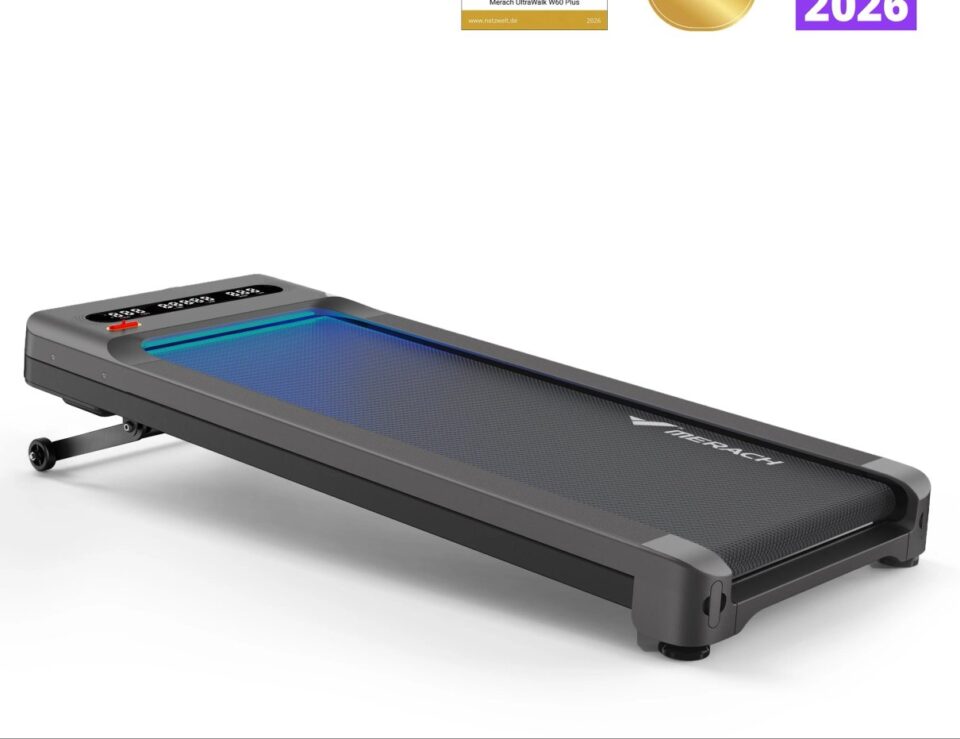
The UltraWalk W60 Plus is positioned for home and office walking, with a wider deck, automatic incline and display listed. Check its footprint and storage requirements; a walking pad still needs a place when not in use.
How does the brand make small-space exercise more specific?
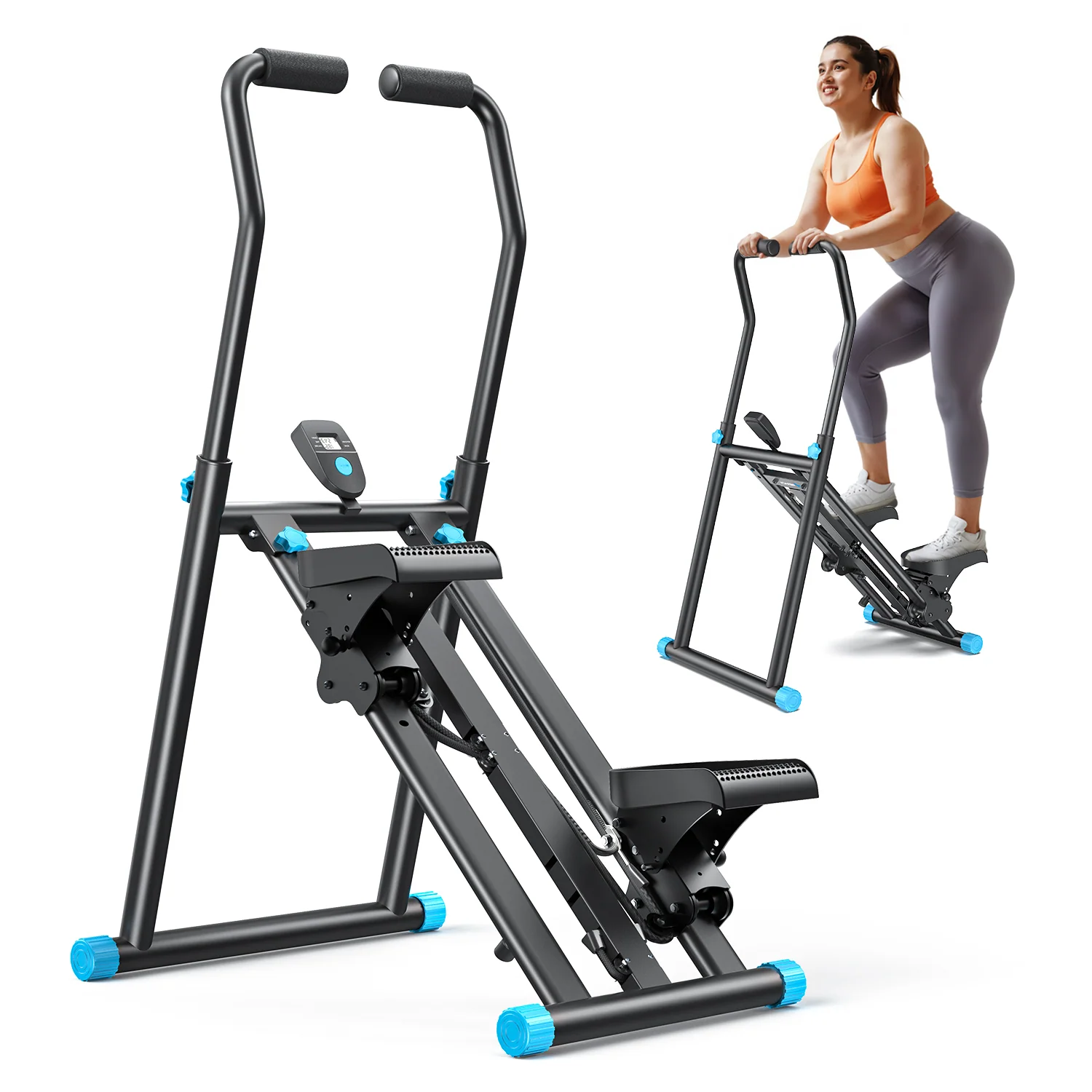
Some models serve a specific movement. The 2448B3 Stair Stepper for Home Gym is listed with three resistance modes, adjustable handles and pedals, and a steel frame. It offers a compact step-based format with listed ways to vary effort. Verify its dimensions, assembly guidance and recommended user fit on the live UK listing; a small machine still needs stable floor space and clearance.
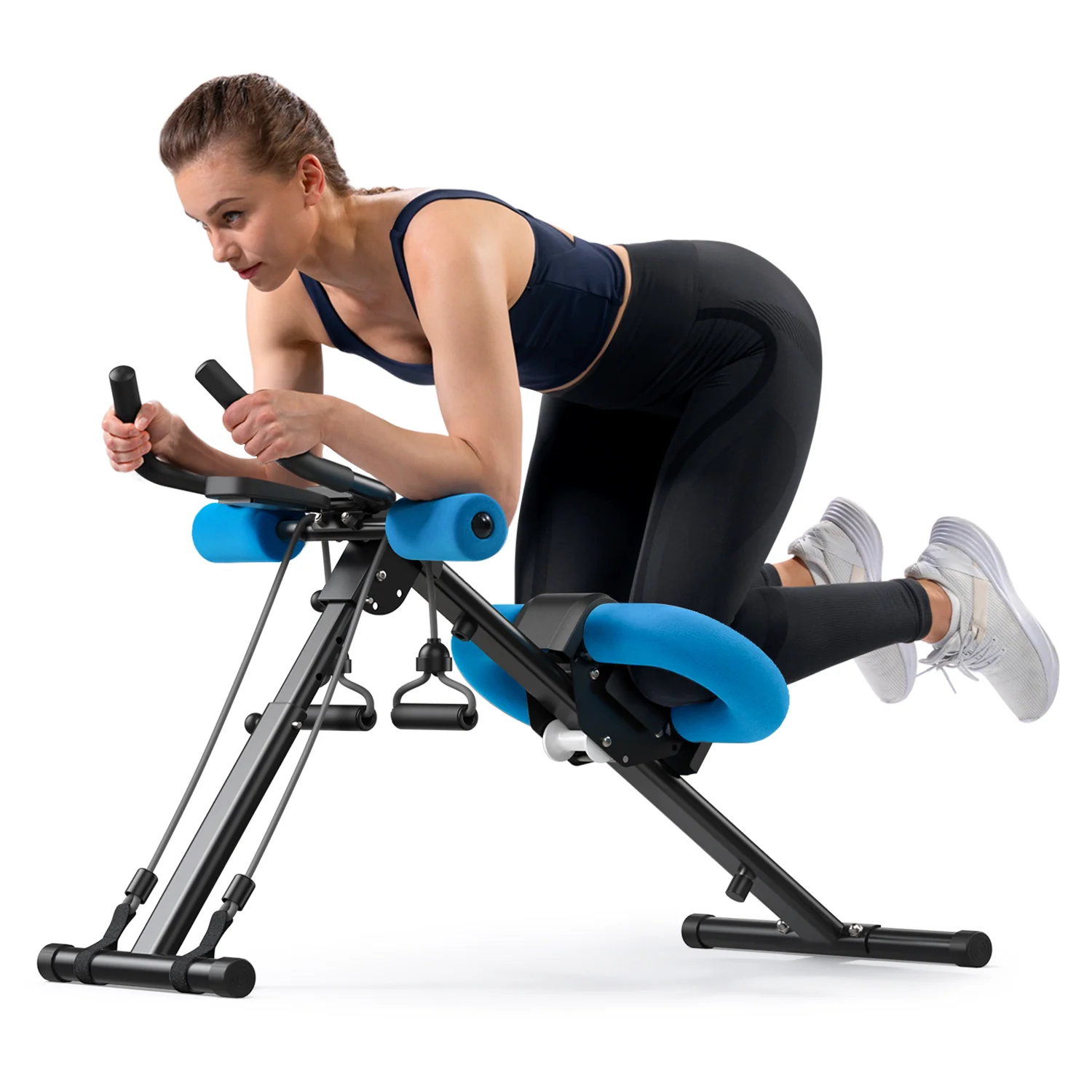
The 2314 Adjustable Ab Trainer is a focused strength option. Its listing describes two incline levels, five height settings and a foldable design. It is not broad cardio equipment, but a dedicated abdominal exercise station. Check its setup and adjustability against the exercises you plan to do.
This specificity is part of the brand’s appeal: the catalogue includes pieces with a narrower job, which can be easier to accommodate than equipment with features a household will not use.
Where do the larger cardio machines fit?
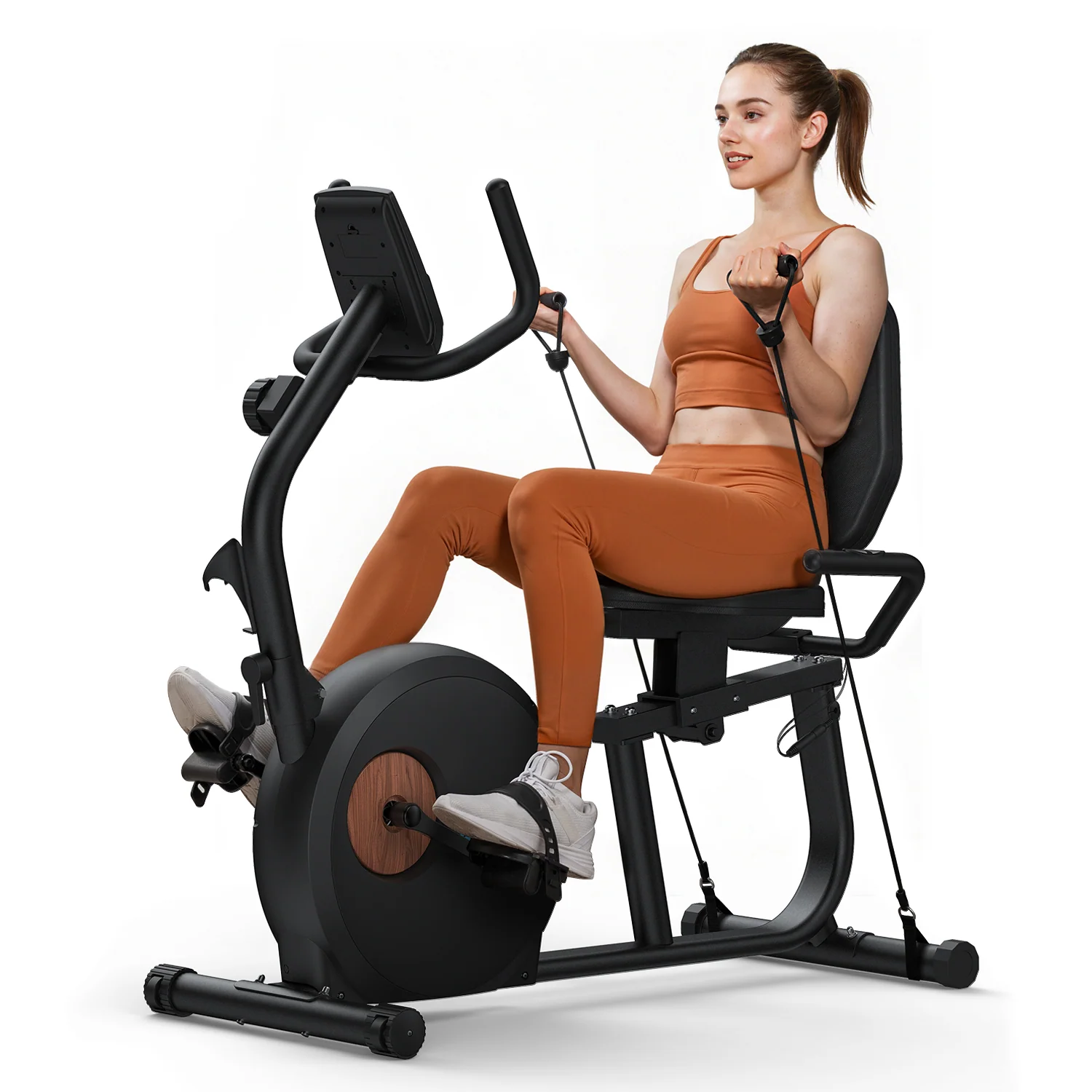
Larger cardio formats include the T31B1 Foldable Treadmill, listed with automatic incline, and the S23B1 Recumbent Exercise Bike, with a supported seated position. A screen-led bike offers another cycling route. Walking, running and cycling have different movement patterns and space needs.
The S23B1 listing shows its supported seated layout. Check seat adjustment and dimensions against your room; these are more useful fit checks than a broad comfort claim.
For readers drawn to a screen-led setup, Merach also lists indoor bikes with integrated displays. Check how the display is used and what connectivity or content the product page actually describes. Review screen functions alongside adjustment range, footprint and assembly information.
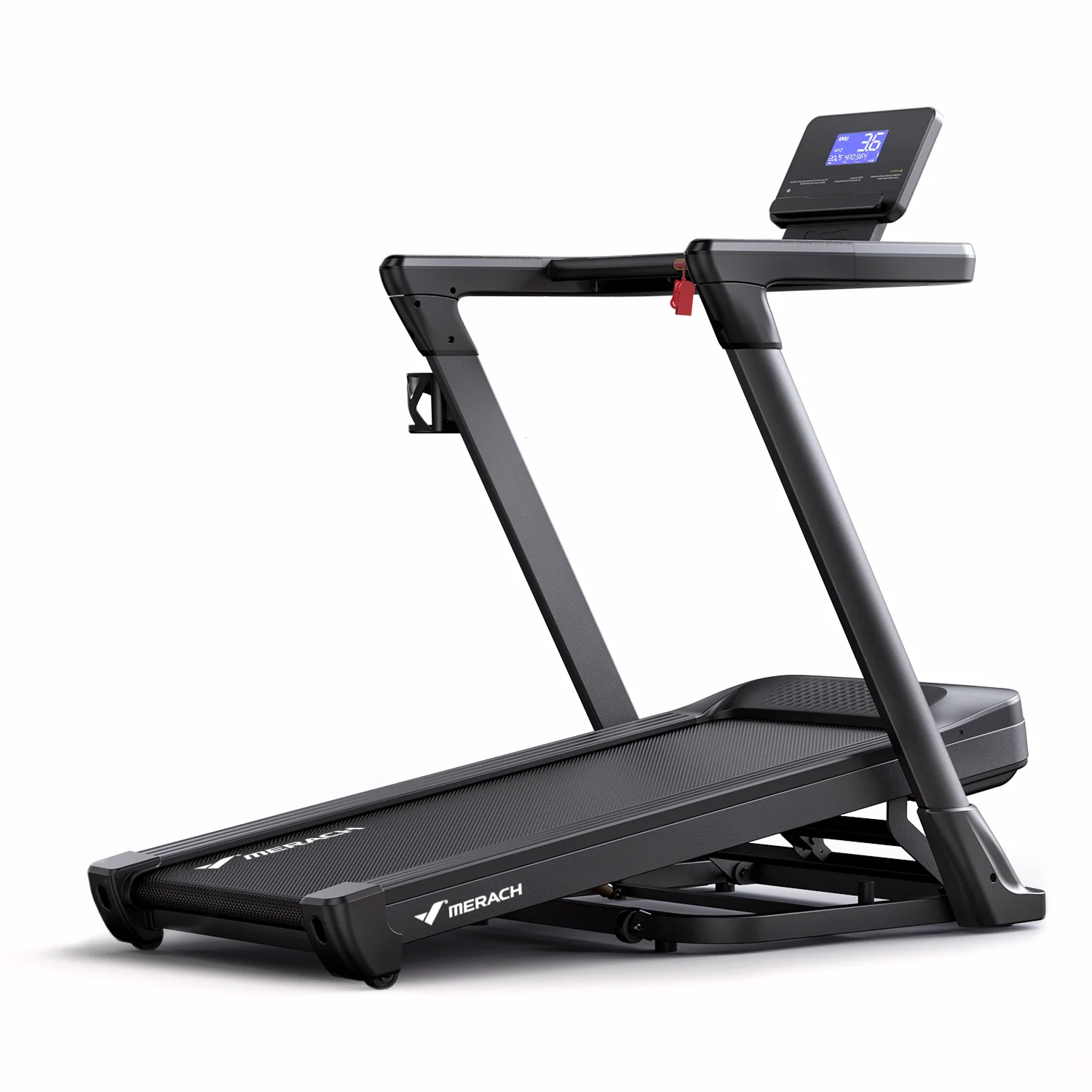
The breadth creates choice, so begin with the movement and check dimensions, adjustability and storage against your room. It is also worth considering whether the machine can stay assembled or needs to be moved after use.
What does the range suggest about the brand’s priorities?
Across categories, the store highlights features with day-to-day consequences: resistance settings, displays, adjustment points, folding construction and supported seating. Consider which one answers a real constraint, such as storage or preferred exercise position. A feature earns its place when it helps a household use the equipment more consistently, not simply because it adds complexity.
There is variety in how much space and attention each item asks for. A walking pad may slot into a daily movement goal, while a rower or treadmill can become a dedicated workout station. Explore the walking format or compare a stepper option as a starting point. A small stepper or ab trainer offers a focused alternative. The spread gives shoppers room to choose a machine whose purpose they can explain in one sentence, while remembering that equipment alone does not build a habit.
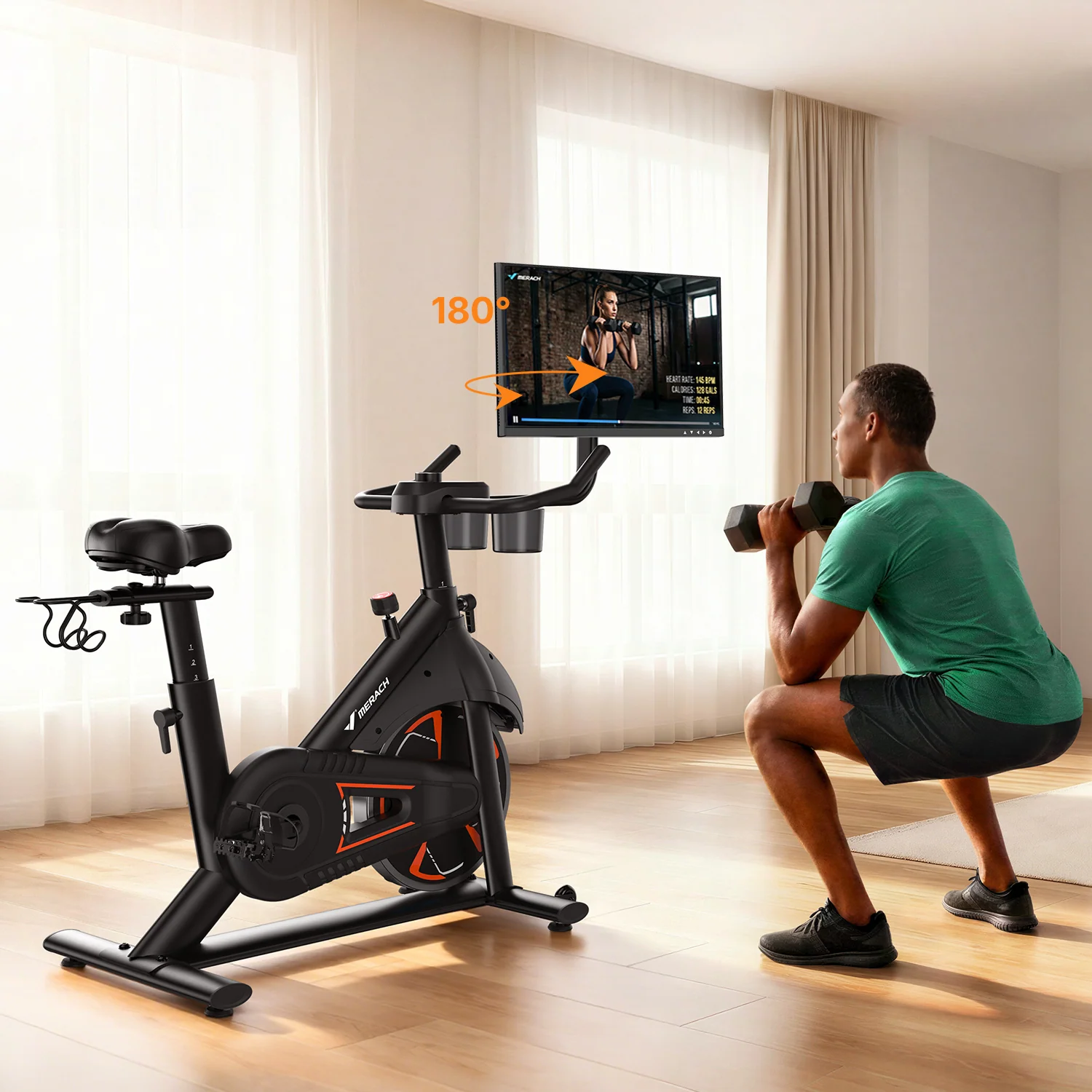
First-time readers may care because the range reflects different mobility preferences, available space and ideas of an enjoyable session. Comparing formats can clarify which movement feels realistic before choosing a larger machine. That is a useful starting point for someone who has not yet decided between a small focused item and a more substantial cardio station.
Which details should a first-time shopper compare?
Use a short checklist to keep product-page research focused:
- Pick the movement you can imagine repeating in an ordinary week.
- Check whether the format suits the people who will use it and the room where it will sit.
Once that broad match is clear, use the product page to verify the details that distinguish one model from another.
- Movement: choose between walking, stepping, cycling, rowing or focused strength work first.
- Room: compare the machine’s dimensions with the space needed for use, access and storage.
- Adjustability: check resistance, seat or handle settings that matter to your height and routine.
- Setup: look for assembly notes, included components and any stated power or connectivity needs.
- Ongoing use: consider whether displays, programmes or other extras answer a need you actually have.
Merach’s UK store pages list the current configuration, availability, delivery information and returns terms. Confirm those details on the model page before comparing extras.
Questions readers often ask
What kind of equipment does Merach make?
The UK store lists walking pads, treadmills, bikes, rowers, steppers and focused strength equipment. For example, the W60 Plus is a walking option and the 2448B3 is step-based.
Does Merach offer compact options?
Some listings describe folding or compact designs, such as the 2314 Adjustable Ab Trainer and walking-focused equipment. Compact is relative, so check the exact dimensions and storage instructions against the available space at home.
What should I check before choosing a model?
Start with the format, then verify dimensions, adjustments, assembly, included features and store terms on the UK product page.
Our recommendation
Merach is worth exploring if you want to compare routes into home exercise. Its range is the main strength, especially for readers who have not settled on one form of movement. The 2448B3 Stair Stepper offers step-based cardio, the 2314 Adjustable Ab Trainer is focused on strength, and the S23B1 Recumbent Exercise Bike provides seated cycling. Start with the movement you expect to repeat, then check its model details.
Range breadth does not make the decision automatic: features and dimensions vary, so check the room, setup and exact configuration. Merach’s catalogue is most useful when compared with a real home routine.