
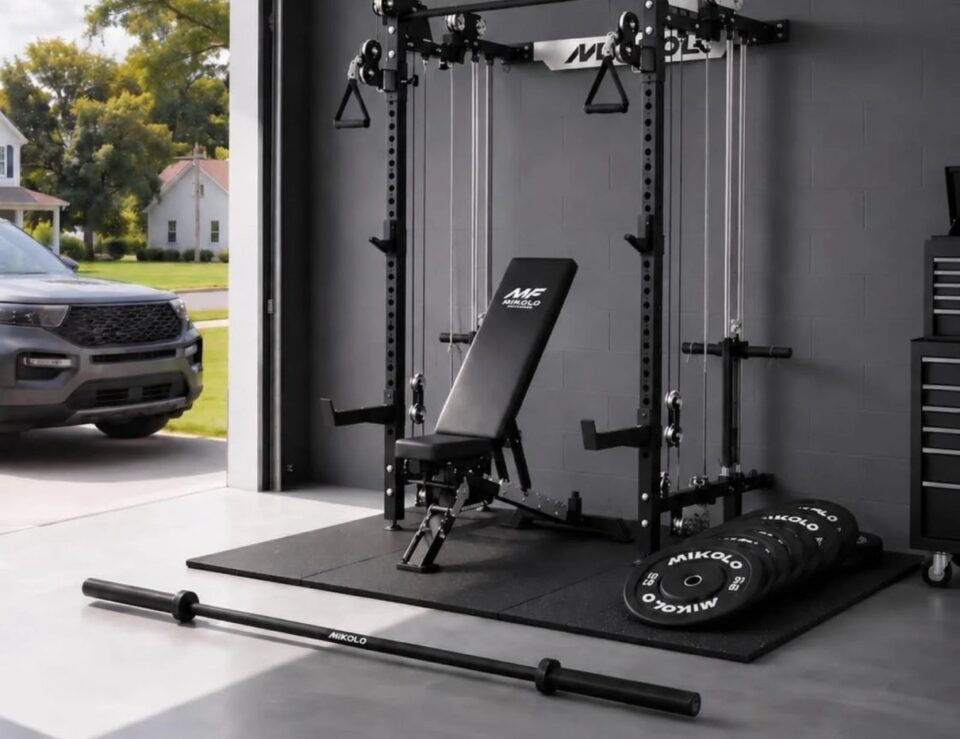
Choosing home gym equipment gets easier when the first question is what you want to train most often, not how many pieces you can fit into a room.
We reviewed the product information on WUXTIME’s United States store to map its equipment to a few common training priorities. The practical sequence is simple: choose the main movement pattern, measure the available area, then decide whether a package or a single-purpose tool makes more sense.
This article contains affiliate links. If you buy through them, we may earn a commission at no extra cost to you.
Before you read on
- Choose around the sessions you expect to repeat, such as barbell strength, cable work or conditioning.
- The CHEETAH 2.0 Ultra folds against a wall and combines rack and cable functions.
- The CHEETAH Essential Pack is a more direct starting point for barbell training with a bench and plates.
- Compare the RM02 rower and SK01 ski trainer by movement preference and the space they need in use.
- Confirm dimensions, mounting, included parts and current availability on the store listing before placing an order.
Which training priority should lead the decision?
Write down the sessions you are most likely to do in an ordinary week. A useful list names movements rather than broad goals: squat and press, cable rows and pulldowns, steady rowing, or short conditioning intervals. That keeps a purchase tied to actual use.
Then separate must-have movements from optional variety. If barbell lifts anchor the plan, a rack and bench may matter more than a collection of accessories. If you want several cable angles and pull-ups in one footprint, an integrated trainer could be the stronger fit. If the goal is cardio, a strength station can consume space without serving the routine you intend to follow.
- Pick one main training pattern.
- List the movements and accessories it requires.
- Mark anything you can add later without disrupting the plan.
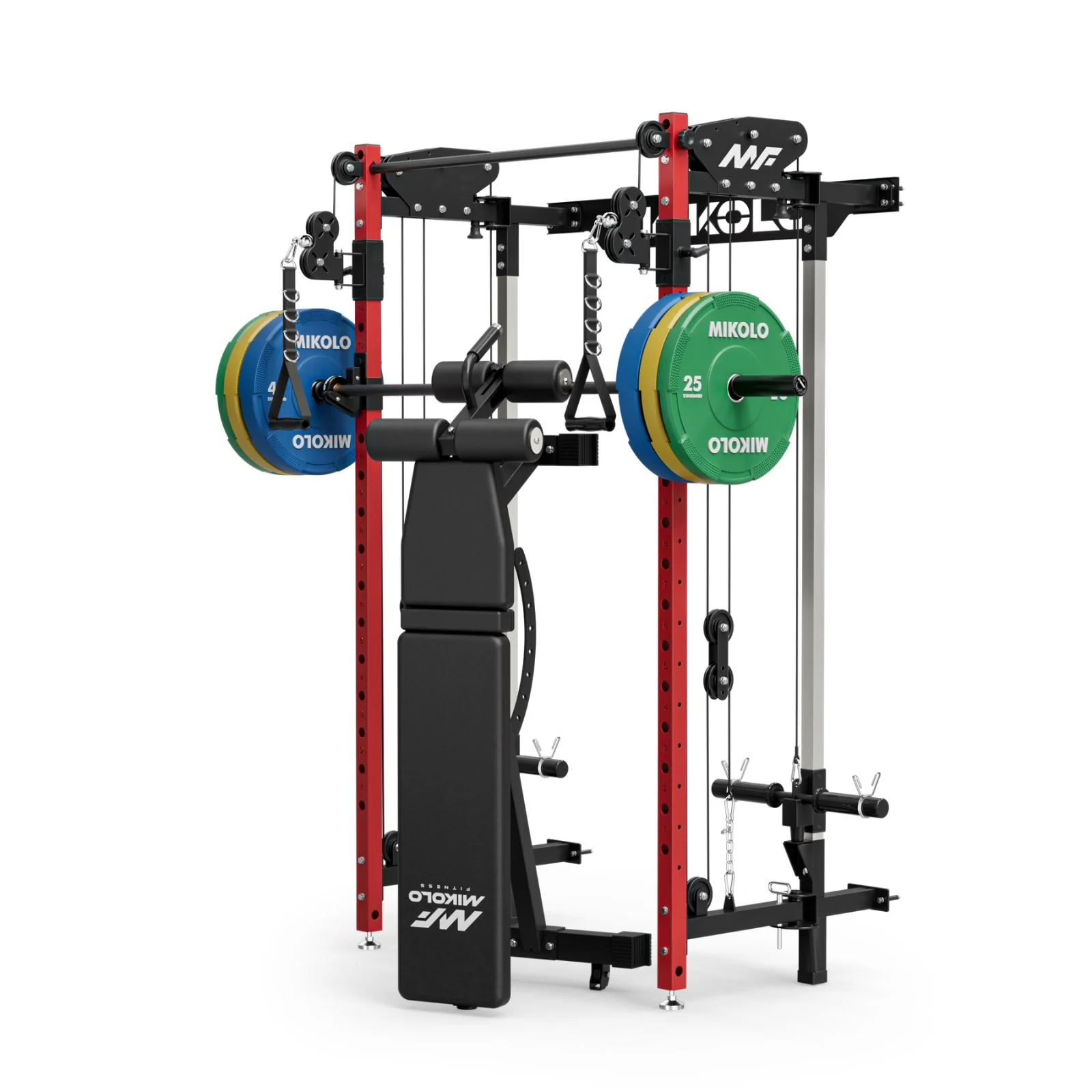
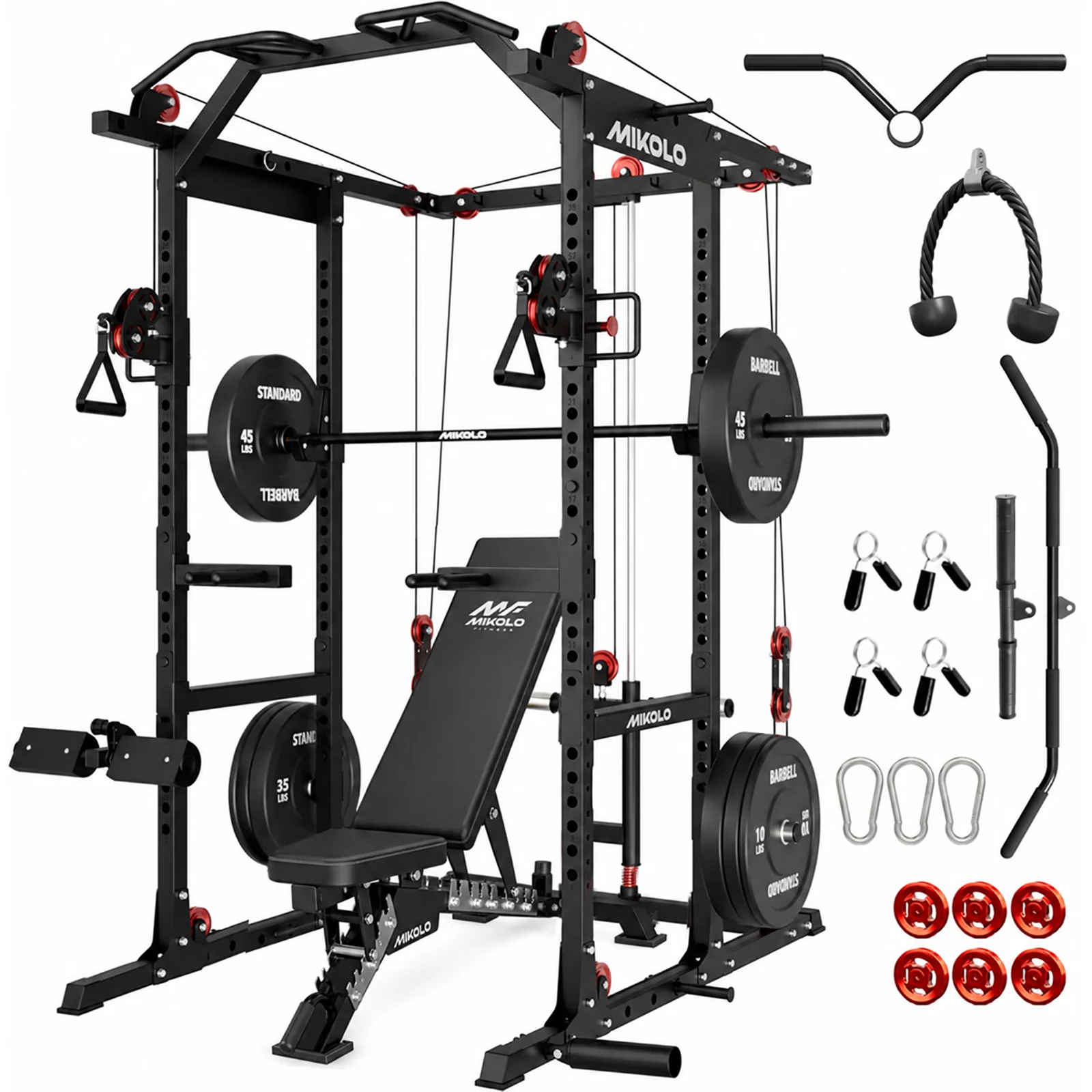
For a straightforward barbell-led routine, the CHEETAH Essential Pack groups a compact rack with a barbell, adjustable bench and plates. The listing describes five width settings, a folding format and independent cable systems. Check which plate configuration and accessories are included in the selected version; bundles can vary. See the CHEETAH Essential Pack product details and compare its footprint with the room you measured.
How much room does the setup need in real use?
Measure the full training zone, not just the equipment outline. Leave room to load a bar, move a bench, reach cable handles and walk around the station. For a folding system, measure both its open and stored positions, and identify a suitable wall before choosing a wall-mounted option.
The CHEETAH 2.0 Ultra listing describes a wall-mounted folding power rack that brings together a functional trainer, cable crossover and pull-up station. It states that the system folds to a shallow profile when stored and uses a dual cable arrangement. That combination may reduce the need for several separate stations, but it still calls for appropriate wall placement and clear operating space. Read the exact mounting and assembly requirements on the CHEETAH 2.0 Ultra store page before treating the folded measurement as the only measurement that matters.
- Measure ceiling height and door access for tall equipment.
- Mark the barbell’s full loading and lifting area.
- Check wall material and mounting instructions for a folding rack.
- Account for storage of plates, bench and attachments.
When is an integrated rack better than a package?
Consider an integrated rack when the routine blends barbell lifts with frequent cable work and you want those functions connected in one station. The store presents the CHEETAH 2.0 Ultra as a combined rack, trainer and pull-up setup, with a 14-gauge steel frame and cable components described on its listing. Those details are useful for comparing the format, though they do not answer whether it fits a particular room or training style.
A package may be easier to evaluate when your essentials are already clear. The K6-2.0 Ultra Essential Pack listing emphasizes rack adjustments and an included set of core training pieces. Compare the included bench, bar, plates and storage against what you already own; duplicate equipment can make a bundle less useful. The K6-2.0 Ultra Essential Pack listing gives a second rack-based option to weigh alongside the CHEETAH formats.
For either route, compare what is actually included, attachment compatibility, frame dimensions and the amount of assembly. The listing is the source for the current configuration, so check it again if options change.
Would cardio equipment support the habit better?
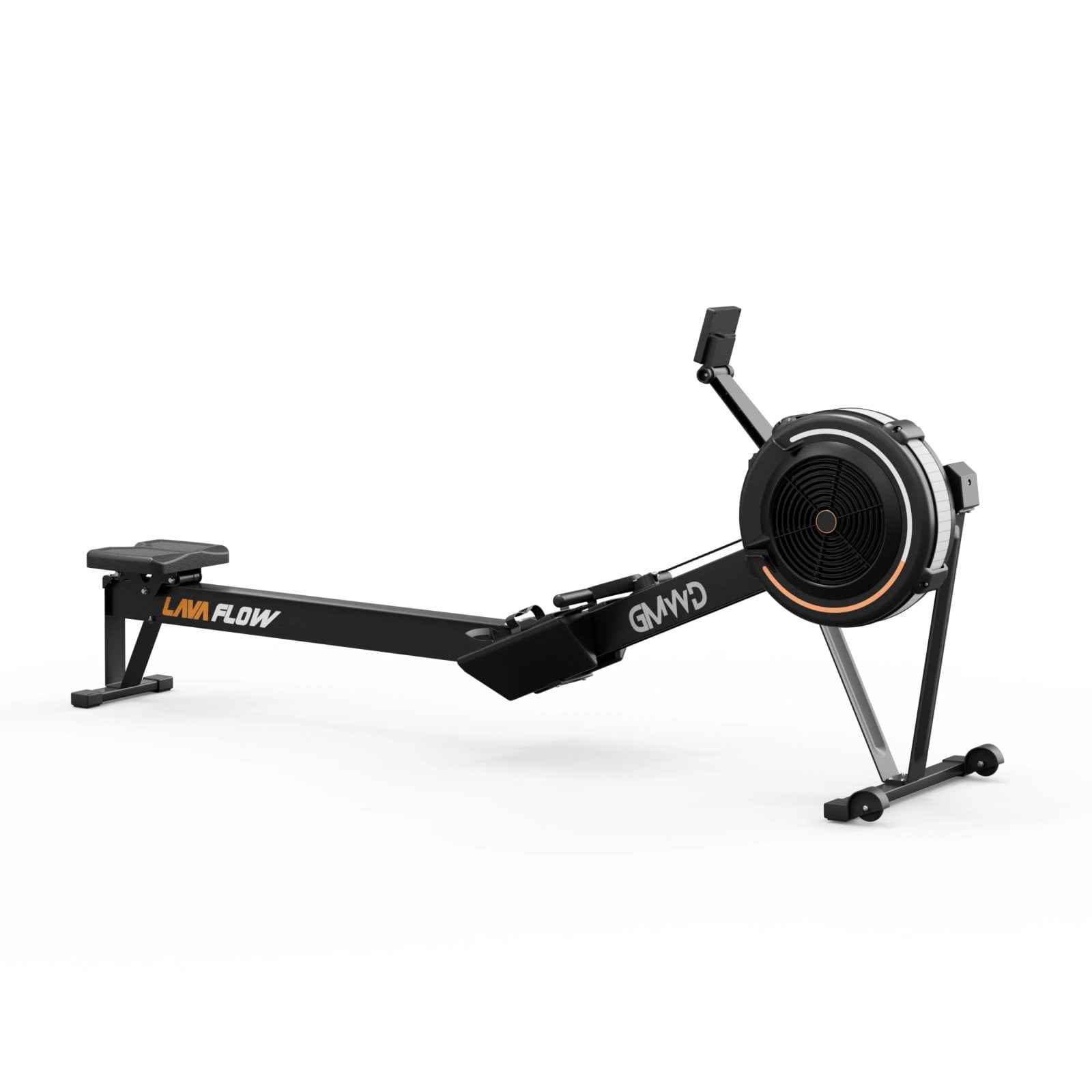
If cardio is the activity you will do most consistently, assess cardio equipment on its own terms. The GMWD Rowing Machine RM02 is an air-resistance rower; its store description mentions an adjustable resistance experience and a device holder with app connectivity. Rowing uses a seat rail and repeated pulling motion, so check both the rail length and room to get on and off. View the RM02 product details for its current dimensions and listed features.
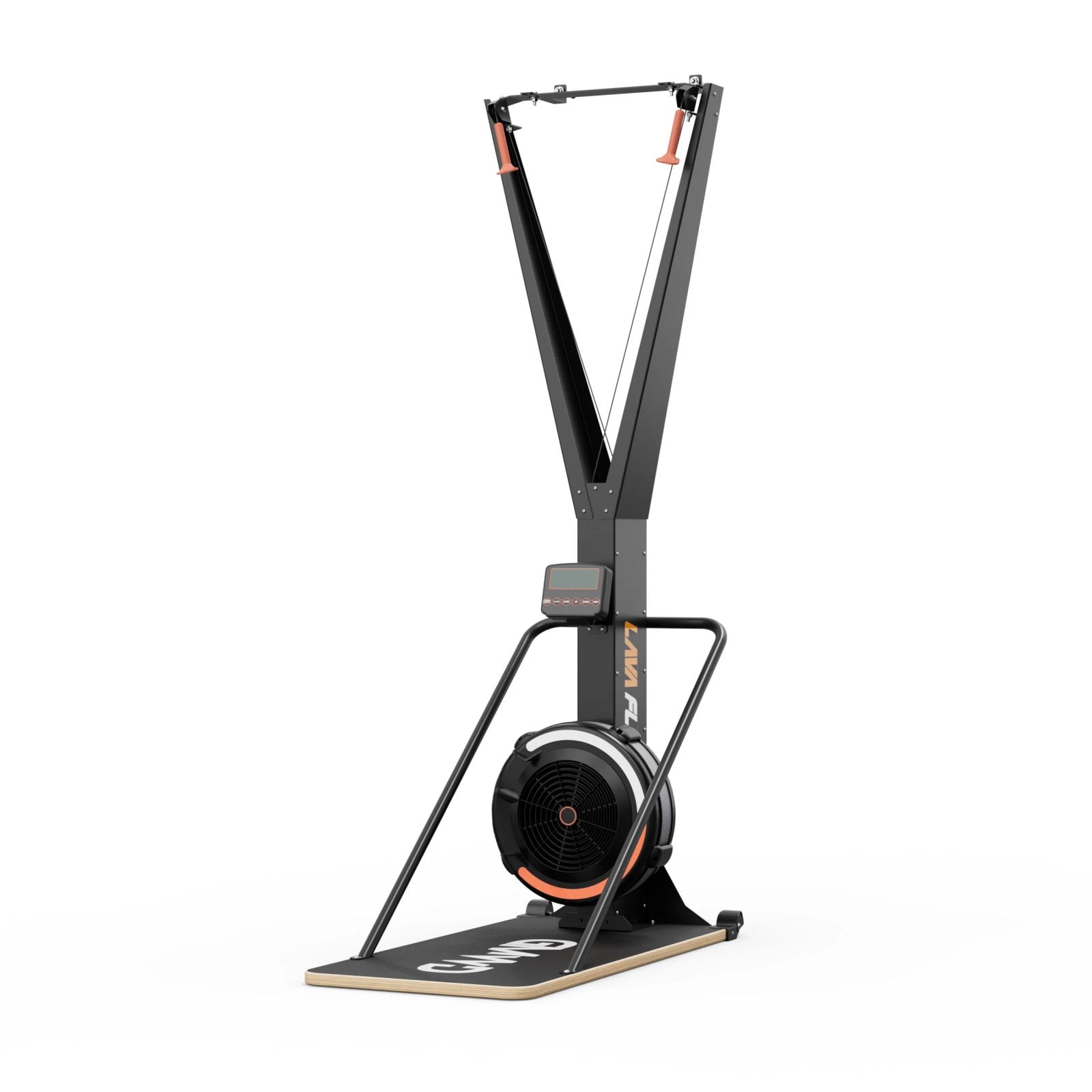
The GMWD Air Ski Trainer SK01 uses a standing pulling motion and air resistance. That may suit someone who prefers upper-body driven intervals or wants a different movement pattern from rowing. The store describes a fan and adjustable damper; confirm how it mounts or stands and the space needed for full handle travel. Compare the SK01 listing with the rower based on the movement you will return to, not a feature checklist alone.
- Choose the movement you are more likely to repeat.
- Check operating clearance, not only folded or stored dimensions.
- Decide whether digital workout features are useful to your routine.
Where do compact conditioning tools fit?
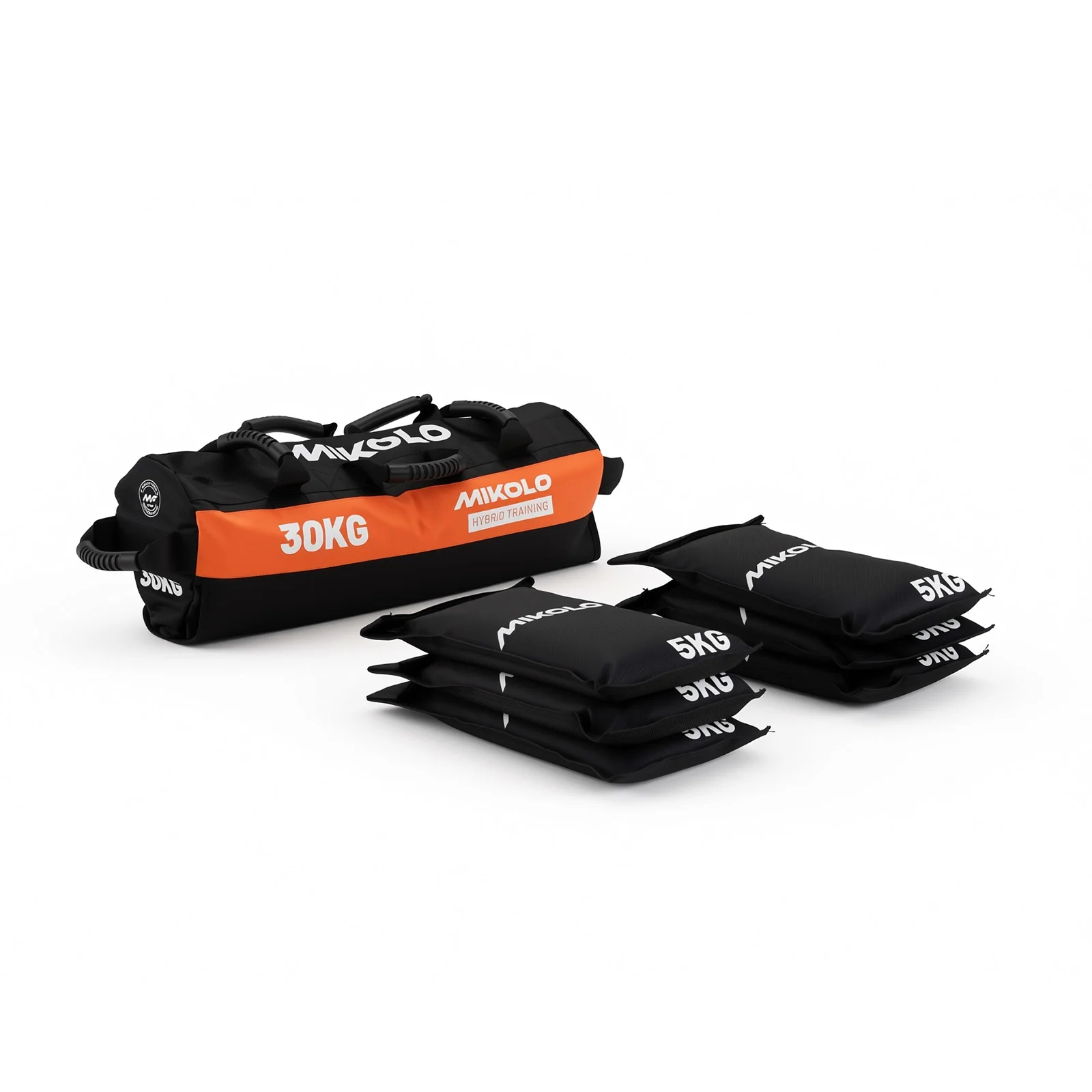
Not every plan needs another large machine. The Sandbag Competition SB1 gives a portable option for carries, lunges and loaded movements; its listing describes a reinforced polyester shell, multiple handles and removable filler bags. This format can add variety without dedicating a permanent machine footprint, although storage and the loading surface still matter. See the SB1 product page and verify the available configuration.
A power sled serves a different purpose: pushing or dragging requires a suitable surface and enough open distance. The catalog’s Power Sled Competition SD1 is described with push handles and tow points, but it is only practical when the training space supports those movements. Avoid buying a conditioning tool before deciding where each session will happen.
- Sandbag: portable loaded carries and lunges.
- Sled: pushing or dragging across a usable surface.
- Ski trainer: standing pull intervals with air resistance.
How should these choices compare?
| Option | Best fit | Check before choosing |
|---|---|---|
| CHEETAH Essential Pack | Barbell basics in a bundled setup | Included plate choice and working area |
| CHEETAH 2.0 Ultra | Rack and cable work together | Wall mounting and full operating clearance |
| GMWD RM02 rower | Seated cardio and repeated pulling | Rail length, storage and app needs |
| Sandbag Competition SB1 | Portable loaded carries and conditioning | Storage, surface and chosen load |
Use the comparison to narrow the format, then open the product page for exact configuration details. For a broader choice, compare the CHEETAH 2.0 Ultra configuration against the K6-2.0 Ultra Essential Pack package and the RM02 cardio option before committing to one training corner.
- Match the footprint to your training area.
- Check mounting and package contents.
- Confirm the current configuration on the US listing.
What should you confirm before ordering?
Once the category is clear, do a final practical check against the current United States listing. Product variants and bundle contents can change, and store pages are the best place to confirm the details that affect fit.
- Check overall dimensions, adjustment range and clearance for the movements you plan to do.
- Confirm whether the equipment needs wall mounting, assembly help or a particular floor surface.
- Review exactly which accessories, weights and storage pieces come with the selected option.
- Compare the current listed price and delivery information on the product page; avoid relying on older summaries.
- Save the listing for any replacement parts or compatibility checks you may need later.
- Choose a bundle for a coordinated starting set.
- Choose an integrated rack when cable work is central.
- Choose cardio equipment when that is the routine you will repeat.
For example, a rack package that includes plates could be convenient if you are starting from zero, while an integrated trainer can make more sense when cable work is central. Neither choice is automatically better: the deciding details are the movements, space and equipment you already have. Reopen the CHEETAH Essential Pack current listing or the CHEETAH 2.0 Ultra current listing to review the selected configuration.
- Barbell basics: the CHEETAH Essential Pack.
- Frequent cable work: consider the CHEETAH 2.0 Ultra.
- Cardio: pick the movement style you prefer.
Questions buyers often ask
Is a folding rack suitable for a small room?
It may be, if the wall is appropriate for mounting and the area can still clear the rack when opened. Measure the stored and working positions, then check the store’s installation instructions before deciding.
Should a first setup be a bundle or separate pieces?
A bundle can simplify a new setup when its included rack, bench, bar and plates match your routine. Separate pieces can be more sensible when you already own some equipment or need a specific configuration.
How do I choose between a rower and a ski trainer?
Compare the movement first: rowing is seated with a leg drive and pull, while a ski trainer uses repeated standing pulls. Check storage and operating clearance for either option on its listing.
Our recommendation
We recommend starting with the routine and room measurements, then choosing the smallest equipment format that covers the movements you will actually use. For combined barbell and cable sessions, the CHEETAH 2.0 Ultra is a natural option to evaluate; for a more conventional rack-and-bench start, compare the CHEETAH Essential Pack.
For a new barbell routine, we would start by comparing the CHEETAH Essential Pack: its strength is a grouped rack, bench and barbell foundation, while its limitation is that a bundle may include pieces you already own. Choose the CHEETAH 2.0 Ultra when cable work is a regular part of the plan and the room supports wall mounting; its integrated format is useful, but less flexible if you cannot mount it or need a different configuration.
The limitation is that integrated or bundled equipment can be a poor fit when the room, wall or included accessories do not match your needs. Confirm dimensions, mounting and contents on the store page before making the call.