
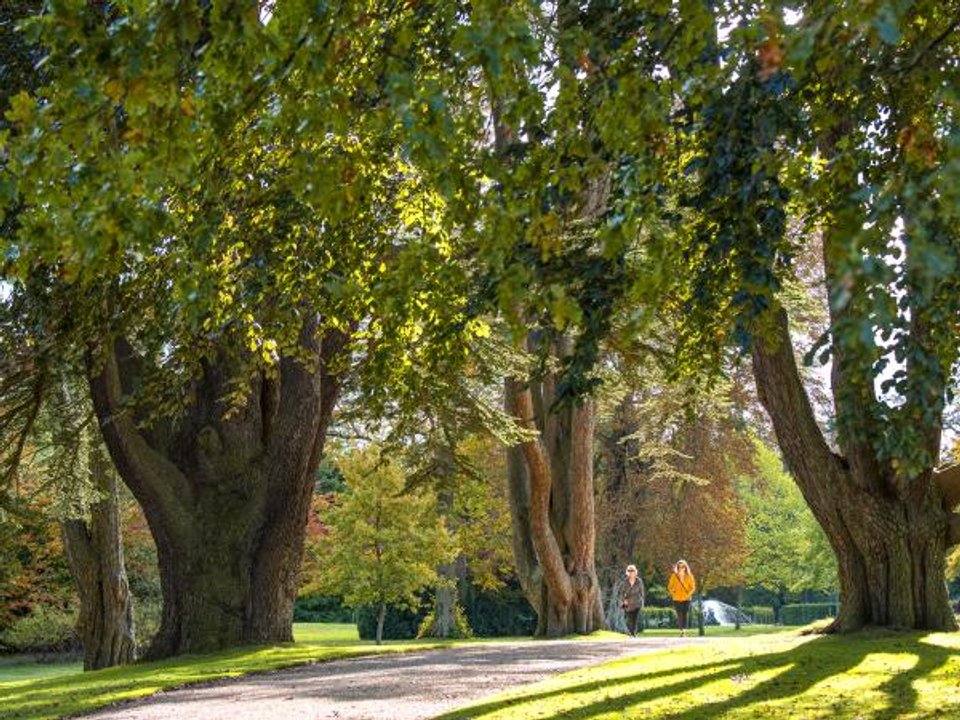
A first visit to Blenheim Palace can look like a choice between a grand house and a day outdoors. The more useful starting point is to see how the Palace, gardens and working estate fit together.
We reviewed the official visitor and estate information to understand what the brand stands for and how that identity appears in the experiences it offers. Its appeal reaches beyond architecture: landscape, family activities, events and conservation all have a place in the public story.
That breadth is also a planning consideration. The best entry point depends on whether a reader is drawn by history, open space, family time or a particular seasonal programme.
This article contains affiliate links. If you buy through them, we may earn a commission at no extra cost to you.
Before you read on
- Blenheim Palace combines a historic house with gardens, parkland and wider estate activity.
- The official site identifies the Palace as a UNESCO World Heritage Site, giving its architectural and landscape setting international heritage context.
- The visitor range includes the State Rooms, gardens, events, dining and family experiences.
- Adventure Play Day Ticket, Palace and Play Pass and Quiet Play session are distinct ways into the family offer.
- First-time visitors should choose a focus before comparing current admission options and seasonal availability.
Why does Blenheim Palace mean more than one historic house?
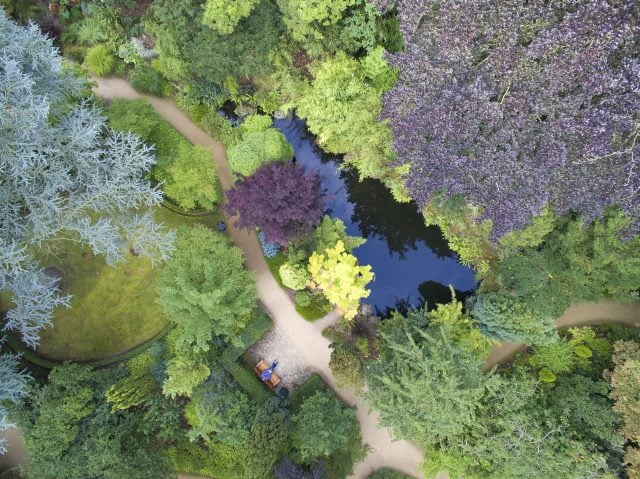
Blenheim Palace is best understood as a place with several layers. The State Rooms offer the formal interior story; the gardens and parkland extend that story into a designed landscape; and the wider estate adds a contemporary dimension through conservation, community and public activity. The official site presents these elements side by side rather than treating the house as the whole destination.
That framing matters for a first-time reader. A heritage property can otherwise feel like a sequence of rooms and dates, but the setting gives visitors room to make the visit their own. For readers who want a more specific context, the official State Rooms information describes the Palace-focused strand. Someone drawn to interiors can concentrate on the Palace, while another visitor may spend more time outdoors or plan around an event. The broad visitor overview is a useful starting point for seeing how these strands are presented together: Blenheim Palace visitor options.
The estate story is not simply backdrop. The brand’s own sustainability page gives concrete examples, including the Weaveley Solar Farm and a returnable cup scheme across its cafes. Those initiatives make the estate’s present-day responsibilities more tangible, alongside quiet walks, gardens and busier family attractions. That gives the destination a more rounded identity than a single heritage label suggests. It also means the balance of built heritage and managed landscape is a central part of what readers are considering when they choose to visit.
How does stewardship show up in the public story?
The official estate pages connect visitor-facing heritage with longer-term care of the landscape and relationships with the local area. This is useful context for readers who want to know what sits behind the name: the place is presented not only as a preserved historic setting, but also as an estate with ongoing responsibilities and projects.
We would read that material as context rather than as a reason to assume every project has the same visitor relevance. A practical way to explore the brand’s wider context is to look at the official information on the Blenheim Estate and its public visitor offer. The distinction between the Palace and the wider estate helps keep expectations clear: not every part of the estate is an attraction or open for the same purpose.
For a brand introduction, the most persuasive point is the connection between place and stewardship. Landscapes require care, historic interiors require interpretation, and public access brings practical choices about how people move through a site. Blenheim’s own presentation invites visitors to see these as connected themes. Readers can use the site’s estate information and visitor overview to go deeper into current projects and access details.
- For architecture and interiors, start with the Palace and its State Rooms.
- For an outdoor-led day, prioritise the gardens and parkland.
- For families, choose between the Adventure Play Day Ticket and the broader Palace and Play Pass based on what the group plans to visit.
- For a supported, calmer family activity, check the Quiet Play session details and access arrangements.
These themes are most useful when they inform a visit choice. A reader primarily interested in architecture should look at the Palace State Rooms; someone seeking a slower outdoor visit can prioritise the gardens and parkland. The official pages on gardens and parkland and estate activity help turn a broad brand impression into a more specific plan.
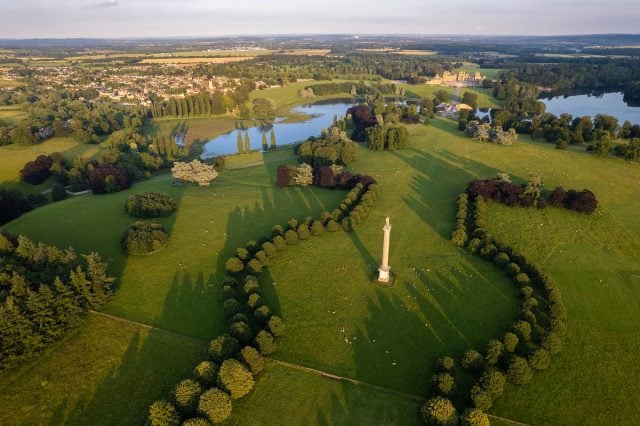
Because the estate has both cultural and outdoor dimensions, its value is not identical for every visitor. The site itself provides the most reliable guide to what is open, what needs separate admission and which experiences are running. Readers can check the official visit information before setting expectations.
What can a first-time visitor actually explore?
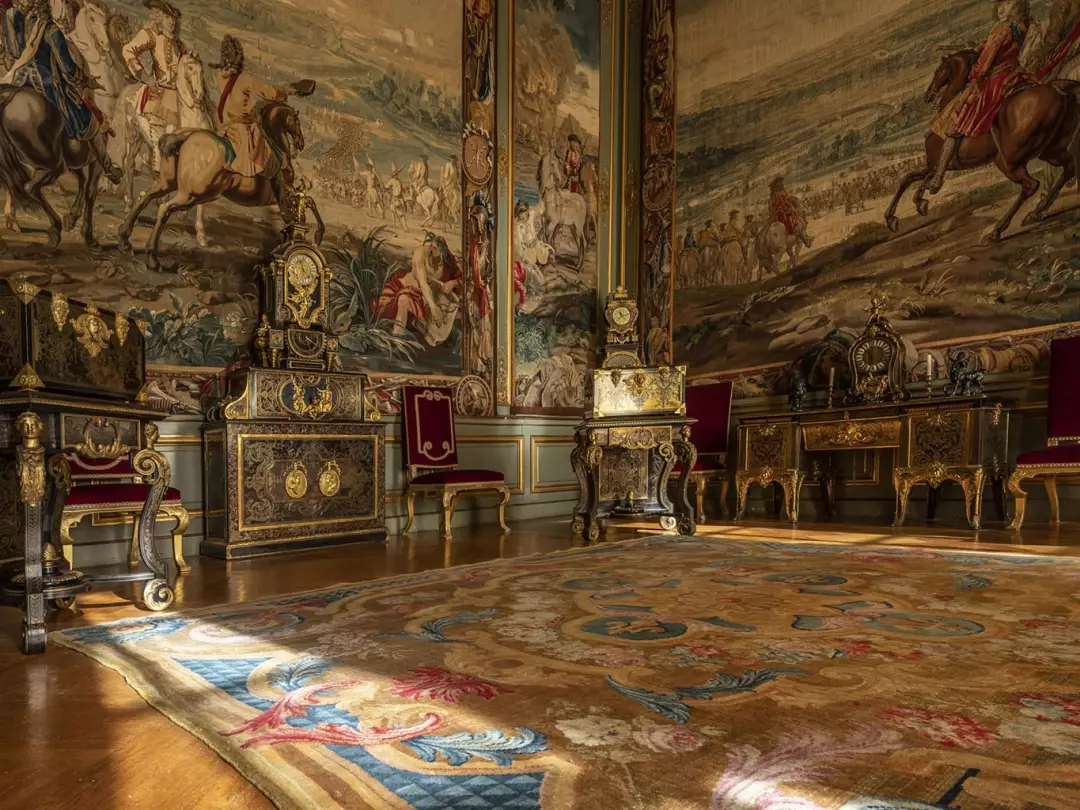
The public range is broad enough that a visit benefits from a lead interest. The Palace and its State Rooms make sense for readers curious about interiors and heritage interpretation. The gardens and parkland give the visit a more open-air shape. Events, family activities and food add further reasons to choose a particular date or route, although their availability can change.
For families, the names of the offers matter. The Adventure Play Day Ticket is the single-visit entry point described by the official site. It is centred on an outdoor play area with features including tunnels, bridges, cargo nets, zip-lines and water play. The range suggests active play rather than a quiet Palace visit, so families should consider ages, weather and how much of the day they want to devote to it.
The Palace and Play Pass combines the Palace and play elements in one broader option. That may suit a group whose day genuinely includes both, though it is not automatically the right fit for a visit centred on the gardens or the historic rooms. The official Palace and Play information is the place to confirm what access is included and how the current booking structure works. The site says Adventure Play needs a separate estate admission ticket or pass unless a visitor holds the Palace and Play Pass, so do not assume play access is bundled with every visit option.
A Quiet Play session is a separate session for SEND children and families. It acknowledges that family access is not one-size-fits-all. Readers should consult the official Quiet Play details for session arrangements and suitability before making plans.
- Choose the Adventure Play Day Ticket when play is the main reason for the visit.
- Compare the Palace and Play Pass when both Palace access and play are central to the day.
- Review the Quiet Play session if a supported, calmer family session is a priority.
- Check the broader visit information when gardens, events or State Rooms matter more.
That range is a strength because it gives different groups a route into the estate. Its limit is the same breadth: the reader needs to distinguish admission types and current access details instead of assuming every activity is bundled together. For options beyond play, the official Blenheim Palace visit pages cover gardens, events, dining and the Palace itself.
Where does the brand feel most distinctive?
The distinctiveness comes from combination rather than one attraction. The historic house gives the destination a strong cultural anchor, while the landscape offers space and variety beyond the interiors. Family programming and seasonal events broaden the audience, and the estate’s public story adds an ongoing dimension to the visit.
That mixture can make Blenheim Palace relevant to several kinds of trip, but it also means a first-time visitor should avoid trying to cover everything. Choose one lead interest, then add a secondary interest if time and access make it sensible. A Palace-focused reader can start with the State Rooms and pair them with a garden walk; a family visit could make Adventure Play the anchor and treat other elements as optional.
- Start with the Palace for architecture and interiors.
- Choose gardens and parkland for an outdoor-led visit.
- Build around a family activity or event when a specific programme is the main draw.
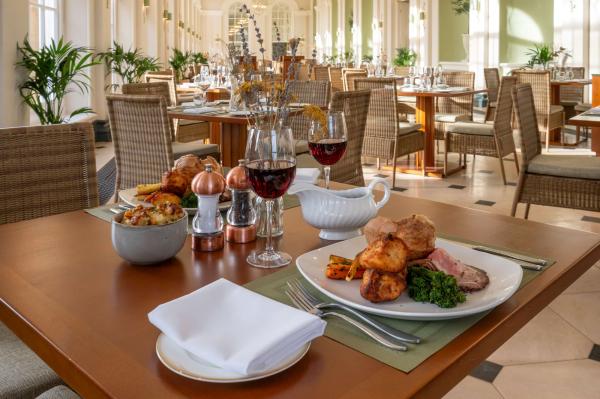
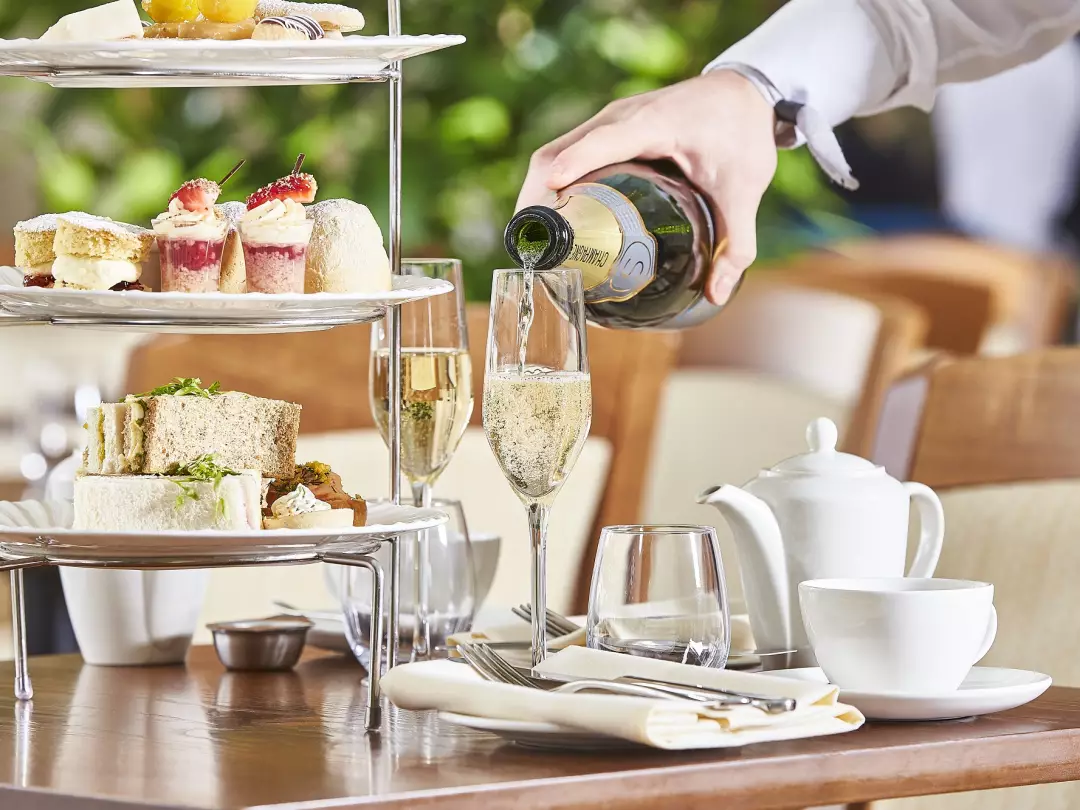
Food is another useful layer. The official site lists dining as part of the visitor experience, including The Orangery Restaurant. This helps make the destination feel like a full day out, though opening arrangements and menus should be checked directly. Readers interested in a meal can review the current Orangery Restaurant information alongside the main visit plan.
- Check event dates and seasonal opening details.
- Confirm whether the chosen admission option covers each planned area.
- Use the official site for current food, accessibility and travel information.
For anyone looking at the family side, remember the distinctions between the Adventure Play Day Ticket, the Palace and Play Pass and the Quiet Play session. Those are named visitor options, not products in a retail range, and the details can evolve with the calendar. The official pages should settle any questions around eligibility, access and the booking terms for a particular visit.
Is Blenheim Palace only for history enthusiasts?
No. The Palace is a clear draw for heritage visitors, but gardens, parkland, family activities, events and dining make the wider estate relevant to other interests too. The right mix depends on the day and the access available.
What should first-time visitors check?
Check current opening information, which areas are included with the option you choose, and any separate requirements for family activities or events. Seasonal programming and practical arrangements can change, so use the official site before travelling.
How should families choose between the play options?
Start with the purpose of the day. The Adventure Play Day Ticket centres the visit on the play area; the Palace and Play Pass is for groups planning both elements; and the Quiet Play session is a separate supported format. Verify current terms for each.
Our recommendation
We recommend thinking of Blenheim Palace as a layered heritage destination: house, landscape and living estate. That view makes the brand easier to understand and gives first-time visitors a practical way to choose a focus, whether that means the State Rooms, gardens, estate context or family programming.
The honest limitation is that breadth asks for a little planning. Availability, access and the mix of included experiences vary by option and season, so readers should confirm the details before travelling. Start with the official visitor pages, then follow the parts of the estate that fit your interests.