

Decor Steals is a retailer for people who enjoy giving a room a collected look, but a first visit can raise a practical question: is the store mainly about a particular style, or about the way it curates and rotates home finds?
We looked at the brand story and current product pages to explain the difference. The store describes a family-owned business with a changing assortment across furniture, lighting, wall decor, textiles, storage and seasonal accents.
The useful lens for a new reader is not to treat every item as a matching set. Instead, consider how a piece brings texture, utility or a point of character into a room, then check the measurements and materials against your space.
This article contains affiliate links. If you buy through them, we may earn a commission at no extra cost to you.
Before you read on
- Decor Steals says its story began as a family-owned business in 2009.
- The assortment moves between farmhouse, vintage, rustic, modern and cottage-inspired looks.
- The Six-Cubby Silver Metal Wall Organizer shows how display and storage can share one footprint.
- A Stone-Washed Cotton Quilt Set and Chateau-Inspired Wood & Iron Wall Sconce represent very different ways to shape a room.
- The daily-deal format makes product-page checks especially relevant: confirm dimensions, finish, included pieces, shipping and return terms.
What kind of home does Decor Steals picture?
The broad answer is a home built in layers. The catalog mixes pieces with aged finishes and familiar silhouettes alongside cleaner accents, so the overall point of view is more collected than strictly matched. That can help a shopper furnishing a room gradually: a storage piece can solve a small problem, while a decorative accent adds personality without requiring a whole-room redesign.
The store says it began in 2009 as a family-owned business. It also says it works directly with factories, makers or artists and designs many products. Those details frame its identity as curation plus sourcing, rather than a single narrow product specialty. A reader can see that variety in products like the Chippy White Storage Trunks, Set of 2, which bring storage and a distressed visual finish together, and the Six-Cubby Silver Metal Wall Organizer, which has a more utilitarian metal profile.
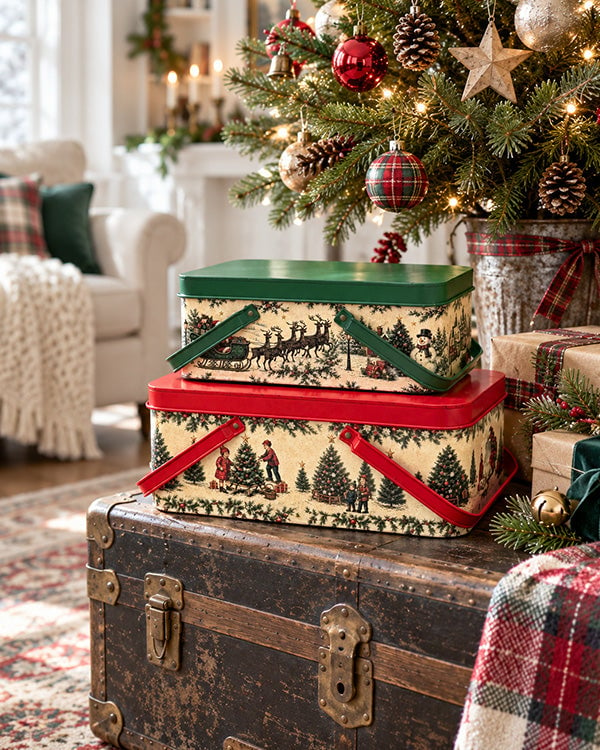
For a first-time visitor, it helps to think by room need rather than by a store-wide style label. A bedroom might call for tactile bedding, an entry might benefit from compact storage, and a dim corner might be improved by a focused light source. Function is the first filter; finish and mood are the second.
- Start with the room and the job a piece needs to do.
- Choose one finish or texture to connect it to items you already own.
- Use dimensions to check clearance, wall space and storage capacity.
- Read the listing for materials, care notes and what is included.
How does the assortment move from useful to decorative?
The range spans furniture, wall decor, lighting, mirrors, shelves, baskets, bedding and seasonal pieces. That breadth gives the store room to serve both practical purchases and small finishing touches. The important distinction is that a decorative name does not tell you everything about function: the listing details still determine whether a piece fits your intended use.
Take the Six-Cubby Silver Metal Wall Organizer. Its cubbies suggest a place for small objects that benefit from being visible and easy to reach, such as mail, craft supplies or everyday accessories. Check the product page for its exact footprint and mounting information before assigning it to a narrow wall. Its metal construction gives a different impression from the warmer, softer look of the Stone-Washed Cotton Quilt Set, Choose Your Style, which is a textile choice and therefore raises questions about dimensions, color options and care.
Lighting makes another useful example. The Chateau-Inspired Wood & Iron Wall Sconce signals a decorative wall accent through its wood-and-iron description. Shoppers should confirm the specific listing details for installation and power requirements rather than infer them from the style name. For a home where drilling or wiring is a concern, the product page and household setup matter as much as the look.

Seasonal products also show how the curation can become more specific. A Gilded Resin Tabletop Nativity Scene serves a defined display purpose, while outdoor silhouettes and metal accents can shift a porch or yard for a season. With these items, consider storage after the season and whether the piece is designed for indoor or outdoor use. The title and product photos offer a starting point; the listing should settle the details.
- Soft goods: compare listed fabric, sizing, color choices and care notes.
- Wall pieces: verify mounting method, dimensions and weight guidance.
- Lighting: confirm the power source and installation details on the listing.
- Seasonal decor: check where it can be used and how it will store between seasons.
What does the rotating deal format change for shoppers?
A rotating assortment encourages browsing, but it also makes a disciplined product check valuable. The brand describes daily rotating decor deals, so the particular mix a reader sees may change. Rather than relying on a category page to answer every question, open the product listing for current specifications and availability before you plan around a piece.
We recommend reading the page in a consistent order: first dimensions and materials, then included components, then delivery and returns. For the Chippy White Storage Trunks, for example, check the set contents and the listed size of each trunk against the location you have in mind. For a quilt, look for the options and care details. For a wall organizer, consider both the usable cubby space and how it attaches.

By contrast, a storage basket is a year-round utility item: check the listing dimensions and material, then decide whether it belongs in an open shelf or tucked-away space.

This is also where the store’s broad style becomes a practical advantage and a limitation. There can be options for several kinds of rooms and tastes, but a rotating selection does not guarantee that a matching piece will stay available. If you are coordinating a room, decide which item matters most and make sure any supporting pieces are available before building a whole plan around them.
A compact pre-check keeps browsing focused:
- Measure the destination and note the maximum width, height and depth.
- Decide whether the piece needs to store, illuminate, display or simply add texture.
- Check finish, material and care information in the product description.
- Review the store’s current shipping and return terms before checkout.
Which details matter most before choosing a piece?
The best decision comes from reading a product as both an object and a commitment of space. A storage item needs accessible capacity; bedding needs the right size and care expectations; a decorative fixture needs installation compatibility. Photos communicate style, while specifications answer fit and use questions.
If the wall organizer appeals, check the complete dimensions and hanging details rather than guessing from the cubby count. If you are considering the cotton quilt set, confirm the available style and the bedding dimensions for your mattress. If the wood and iron sconce catches your eye, check the page for installation and power details. Those small checks matter more than trying to infer performance from a product name.
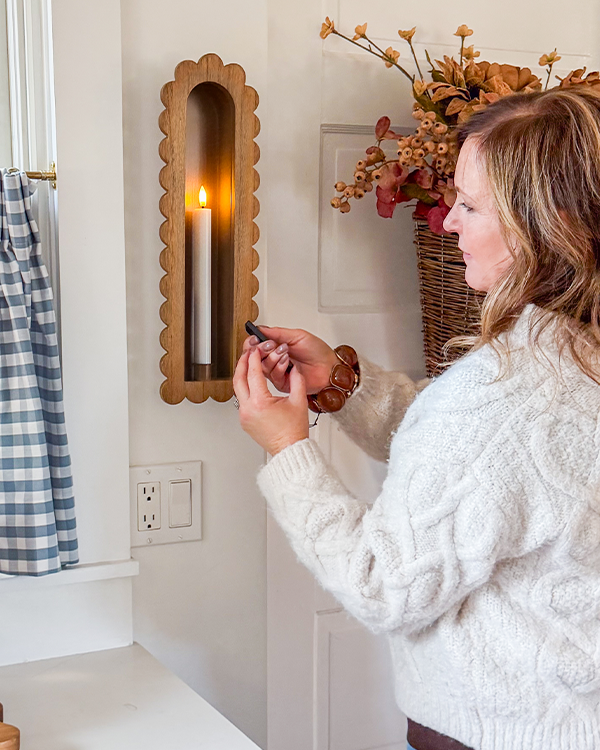
Readers can also browse the current selection through the Decor Steals home collection. The product photos help readers notice how the store combines materials: metal alongside wood, patterned or washed textiles beside painted finishes, and seasonal motifs alongside everyday storage. Use those visual cues to decide what could complement your home, while relying on written specifications for the practical facts.
Is Decor Steals only for farmhouse rooms?
No. The brand describes a range that includes farmhouse, rustic, modern, vintage and cottage-inspired styles. A shopper can use a single accent or practical item without adopting one complete look.
Can a first-time shopper compare items by room?
Yes. Start with the room’s need, then use the store categories and product pages to compare dimensions, materials and intended use. The assortment includes furniture, lighting, wall decor, bedding and storage.
What should I check because the assortment rotates?
Check the individual listing for current availability, product specifications, included pieces, delivery details and returns. The store’s rotating deal approach means readers should confirm the page before making plans around a specific item.
Our recommendation
We would introduce Decor Steals to a first-time reader as a broad, discovery-oriented home store with a recognizable interest in layered finishes and useful accents. It may suit shoppers who enjoy browsing across categories and choosing pieces one room need at a time. Start with a clearly defined job, then consider whether the product’s shape and finish add the character you want.
The honest limitation is that range and rotation can make comparison less straightforward than shopping a fixed collection. Product details and availability need a fresh check on the store page, and a varied assortment does not ensure that every piece will coordinate. If that tradeoff fits your approach, the store’s range offers a useful starting point for exploring home accents.