
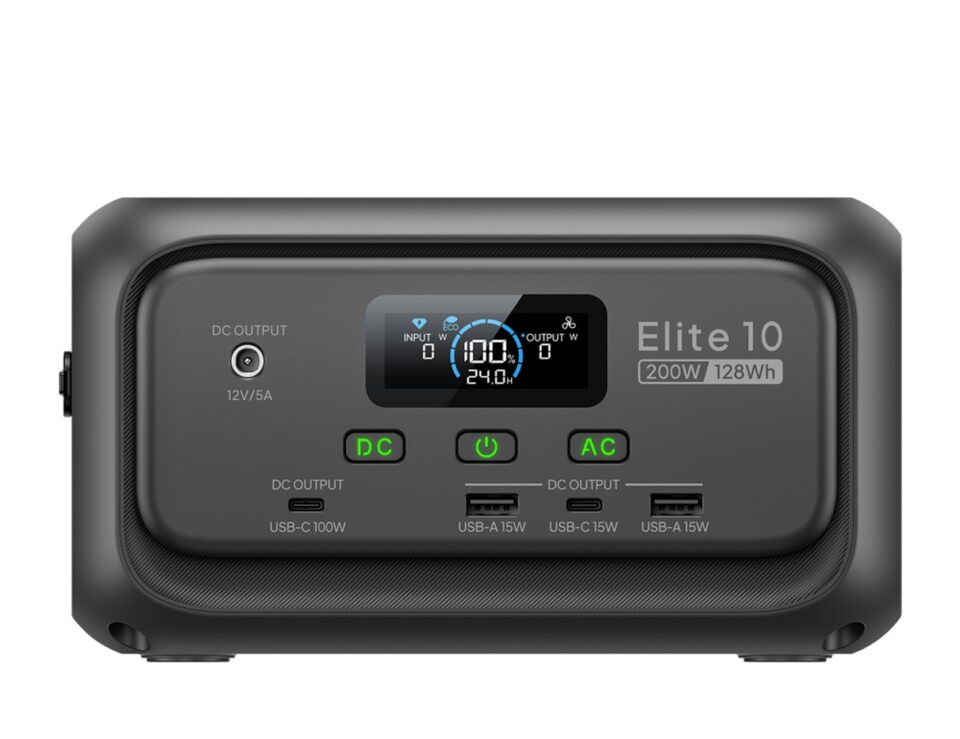
A power station can look like a straightforward answer to a blackout or a long weekend outdoors, until you have to match its capacity, output and weight to the devices you actually use. BLUETTI offers a wide Canadian lineup, but the range is easier to recommend for some jobs than others.
We reviewed the published Canadian product information to assess where BLUETTI makes a persuasive case, where the trade-offs become substantial, and which readers should compare another kind of power solution. This is a range-level review: no hands-on performance claims are implied.
This article contains affiliate links. If you buy through them, we may earn a commission at no extra cost to you.
Before you read on
- Elite 100 V2 is the more manageable starting point for lighter loads, at 1,024Wh and 1,800W.
- Elite 200 V2 brings a larger reserve at 2,073.6Wh and 2,600W for trips with more demanding gear.
- Apex 300 prioritizes high output and system flexibility, with 2,764.8Wh and 3,840W listed.
- BLUETTI’s main limitation is that model choice still requires load planning; a bigger battery does not guarantee compatibility or a specific runtime.
What does BLUETTI do well?
The Canadian BLUETTI range has a clear strength: it gives buyers several steps between small portable units and more involved backup configurations. Rather than forcing every shopper toward one oversized station, BLUETTI offers models that differ in stored energy, inverter output, portability and expansion. Its product pages also make the basic specifications visible, which gives a buyer a starting point for comparing loads.
Many BLUETTI models use LiFePO₄ battery chemistry, and BLUETTI positions them for uses from outdoor trips to household backup. That versatility is useful, but the products remain battery systems with finite stored energy. They are quiet at point of use and do not produce exhaust, yet they still need a recharge plan and cannot be treated as a limitless substitute for grid power or a fuel generator.
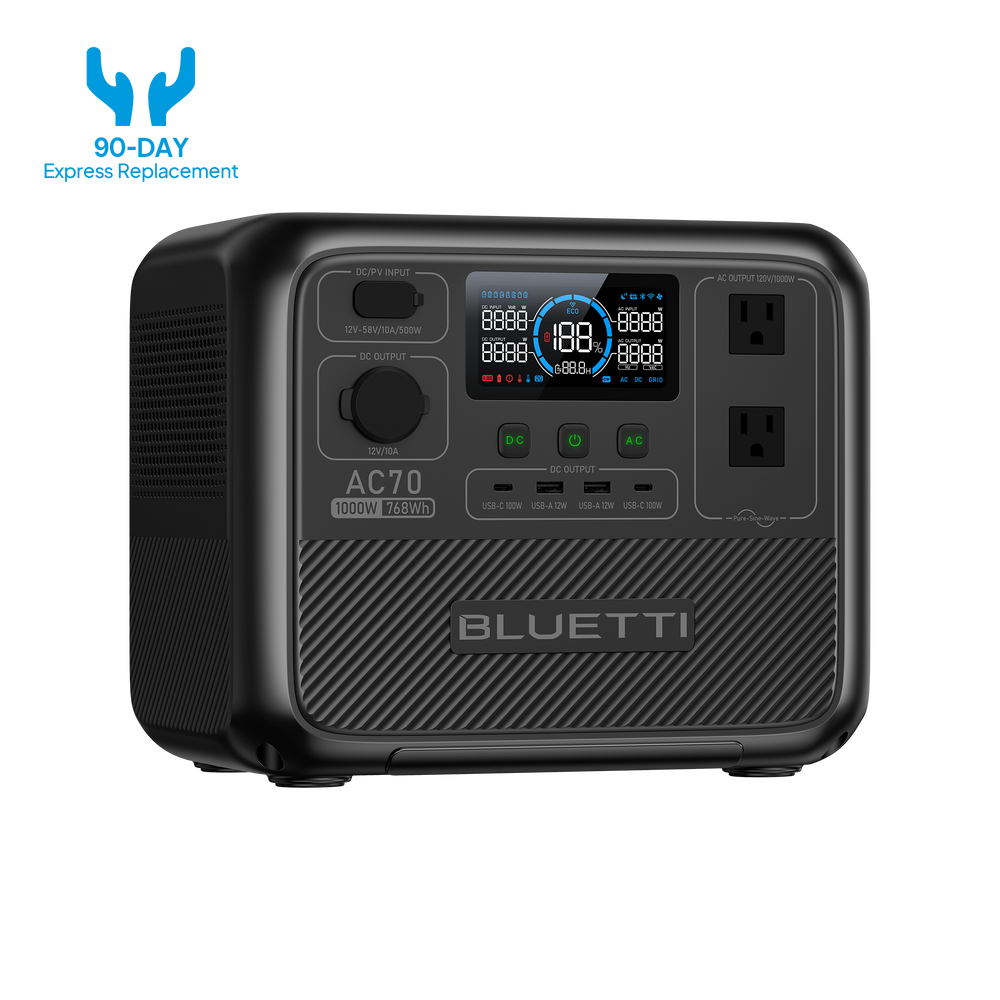
The Elite 100 V2 is a sensible example of the range’s middle ground. Its listed 1,024Wh capacity and 1,800W output can suit selected essentials, electronics and shorter trips. Buyers should regard those figures as boundaries for planning rather than a promise of hours: real runtime depends on each appliance, cycling behaviour and conversion losses. Review the Elite 100 V2 product page and confirm the ports and charging inputs fit your kit.
Where do the trade-offs show up?
Capacity and output answer different questions. Watt-hours describe how much energy is stored; watts describe how much power can be supplied at a time. A station may have plenty of stored energy yet fail to start a device whose surge draw exceeds its output. Conversely, a high-output model can run a demanding load but still use its reserve quickly. A careful appliance list is more useful than shopping by the biggest headline number.
- Record running watts and start-up draw for each device.
- Decide which devices must operate together.
- Estimate how long each load needs to run between charges.
- Check recharge options and any separate panels, cables or expansion batteries.
A second compromise is portability. Moving up the lineup generally means more stored energy, but also more bulk and higher cost. A product that stays in a garage for outages has different handling requirements from one that travels in a car every weekend. Bundle contents and accessories can also change the real cost, so compare the current Canadian listing rather than assuming a panel or cable is included.
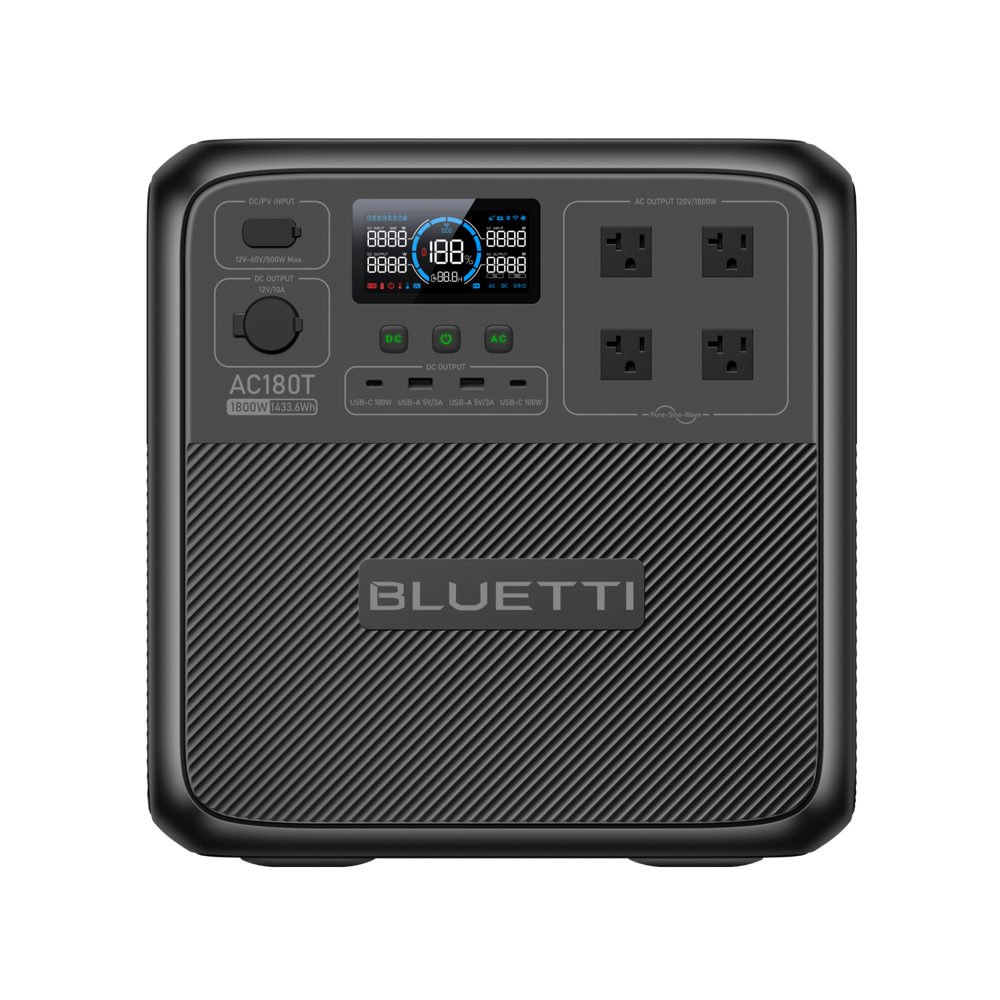
The AC180T is another distinct option in the lineup; examine its product specifications and included components against your intended load before treating it as interchangeable with the Elite models.
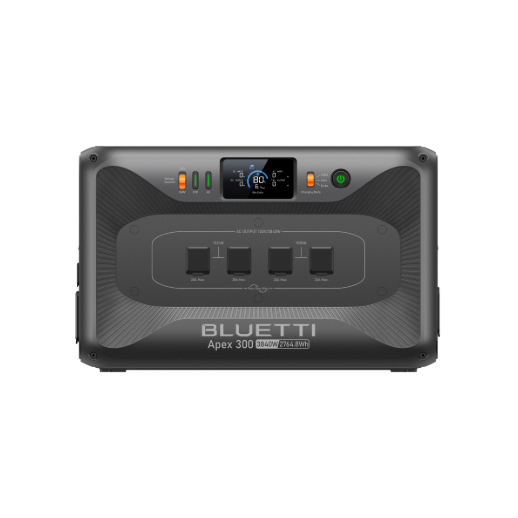
The Apex 300 highlights the range’s more configurable end. BLUETTI lists 2,764.8Wh and 3,840W, with 120V and 240V capability and an expansion path. That combination is attractive to buyers with a planned RV or backup setup, but it introduces more decisions: compatible batteries, system components, installation needs and total configuration cost. A 240V label does not itself confirm that every hardwired appliance can be connected safely.
For a less involved step up, the Elite 200 V2 lists 2,073.6Wh and 2,600W. This is the more straightforward fit when the goal is a longer camping reserve or a broader set of portable essentials without building a modular system. Read the Elite 200 V2 listing alongside the Elite 100 V2 listing to judge whether its extra capacity justifies its greater size and expense.
Which BLUETTI model suits which reader?
The useful way to divide these BLUETTI products is by the job you have already identified. For a short trip with phones, lights and a laptop, a smaller station is easier to justify. A fridge, cooking equipment or longer outage raises the required reserve and may move the decision toward a larger unit. Buyers with special voltage or expansion needs should verify the whole system rather than selecting by model tier alone.
- For lighter portable loads: start with the Elite 100 V2 and check every device’s draw.
- For mixed camping and backup: compare the Elite 200 V2 against your likely simultaneous loads.
- For planned higher-output use: investigate Apex 300 compatibility and the cost of required expansion components.
- For occasional essentials only: consider whether a smaller station or power bank meets the need with less bulk.
Not every shopper needs BLUETTI’s largest capability. If your primary requirement is whole-home automatic backup, a professionally installed fixed battery system may be a better fit. If you need extended power away from outlets, compare fuel-based generators too, while accounting for outdoor placement, ventilation, noise and fuel handling. These are different operating choices; battery stations are not a universal replacement.
What should buyers verify before choosing?
Specifications are only the first filter. Check product-level details and the Canadian store’s current availability, accessories, warranty terms and bundle contents. Solar charging can be helpful off-grid, but output depends on sunlight, panel placement and the station’s input limits. A panel’s rated output should not be read as a guaranteed daily energy yield.
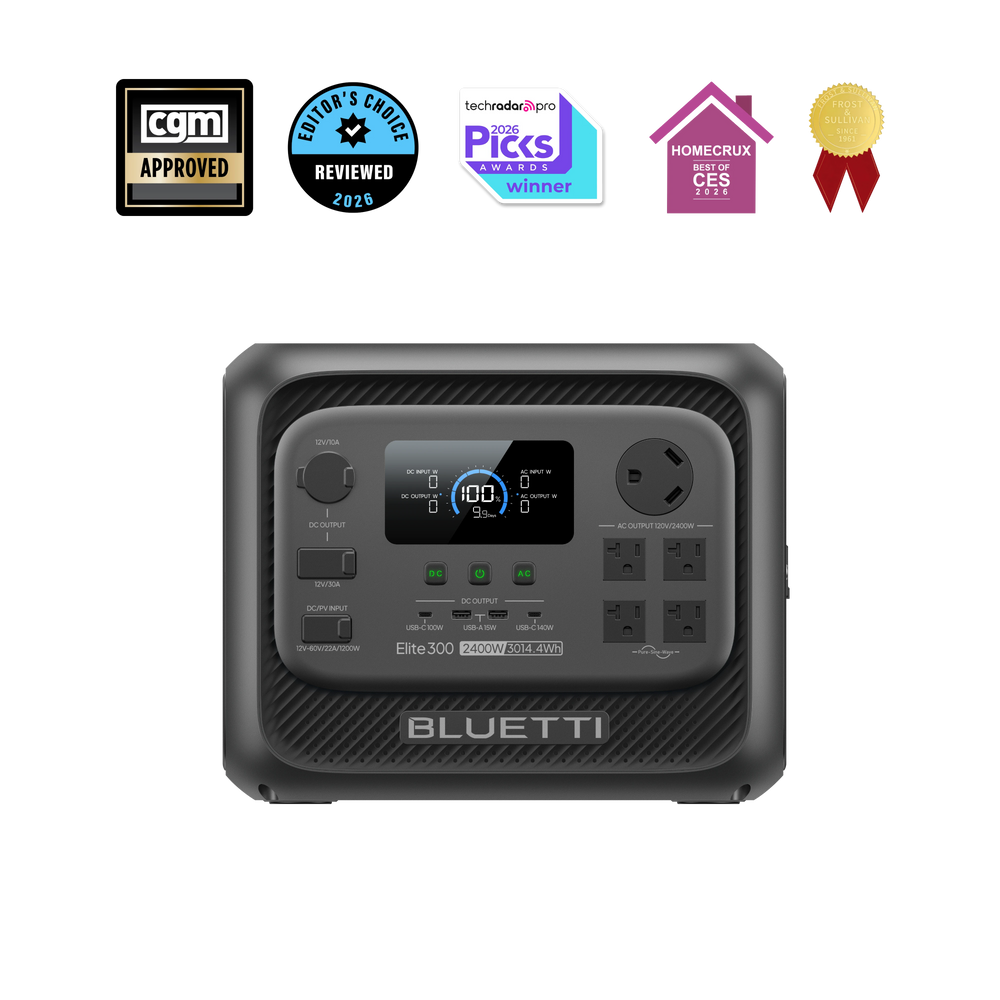
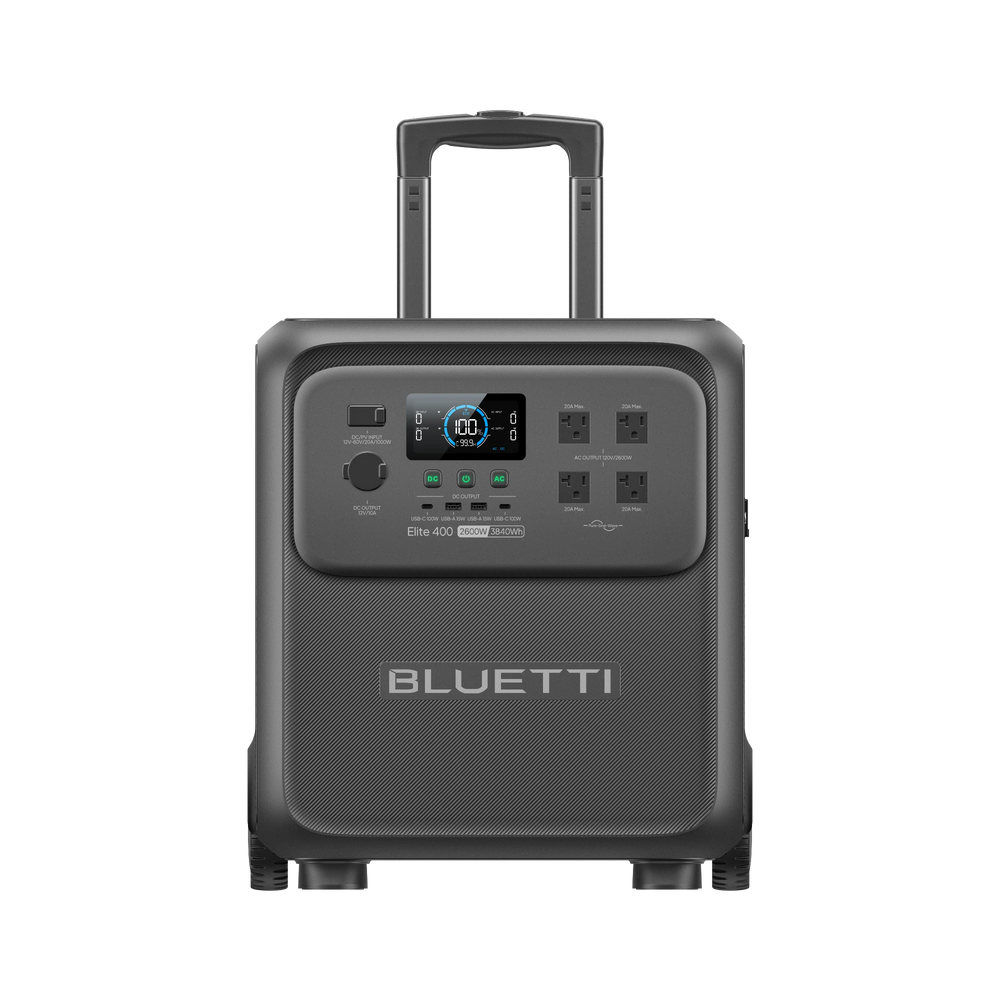
The Elite 300 and Elite 400 listings provide further options for shoppers comparing larger portable formats. Each may suit a different balance of capacity, output and mobility, so assess their exact Canadian specifications against the appliances on your list. See the Elite 300 page, the Elite 400 page and BLUETTI’s Apex 300 details before settling on a configuration.
Questions buyers often ask
Can a BLUETTI station run a refrigerator?
Potentially, if the model supports the refrigerator’s running and start-up demand and has enough stored energy for the intended duration. Check the appliance label and the station’s published limits, then allow for real-world variation.
Are solar panels included?
That depends on the selected product or bundle. Confirm the current Canadian listing, included accessories and solar input compatibility before ordering.
Is a portable power station enough for whole-home backup?
Usually it should be treated as backup for selected devices or circuits, unless a compatible system has been designed for a broader role. Verify wiring and transfer requirements with a qualified electrician.
Our recommendation
BLUETTI is worth considering for readers who want a portable battery system and are willing to match capacity and output to a written load plan. The Elite 200 V2 looks like the most balanced entry into larger trip and essential-backup use, while the Elite 100 V2 is easier to justify for lighter needs. The Apex 300 is more compelling when its higher output or expansion options answer a specific requirement.
The central limitation is the same across the range: runtime, device compatibility and total cost depend on the particular load and configuration. We recommend checking your appliance demands, accessories and current Canadian prices before choosing, especially for home backup. If that planning step points to portable battery power, compare the product pages directly.