
Jackery vs Typical Portable Power Stations: Which Setup Makes More Sense?
Portable power is no longer just an emergency purchase. Campers want quiet charging at a pitch, caravan owners want more freedom from hook-up points, and homeowners want a sensible backup for essentials. The difficult part is comparing a familiar brand with the many generic-looking alternatives now available online. Check Jackery’s official range as a starting point.
I looked at Jackery through the points buyers actually weigh: upfront cost, capacity, portability, solar compatibility, everyday controls and the chance that the system will still feel useful next year. The short verdict is encouraging. Jackery is the easier recommendation for people who value a clear ecosystem and recognisable use cases, although a cheaper unbranded unit may win if your only priority is maximum watt-hours per pound.
Prices below are the listings I found while researching and can change, so check the current product page before making a decision. Browse the current Jackery collection if you want to compare the live configurations.
What you are really comparing
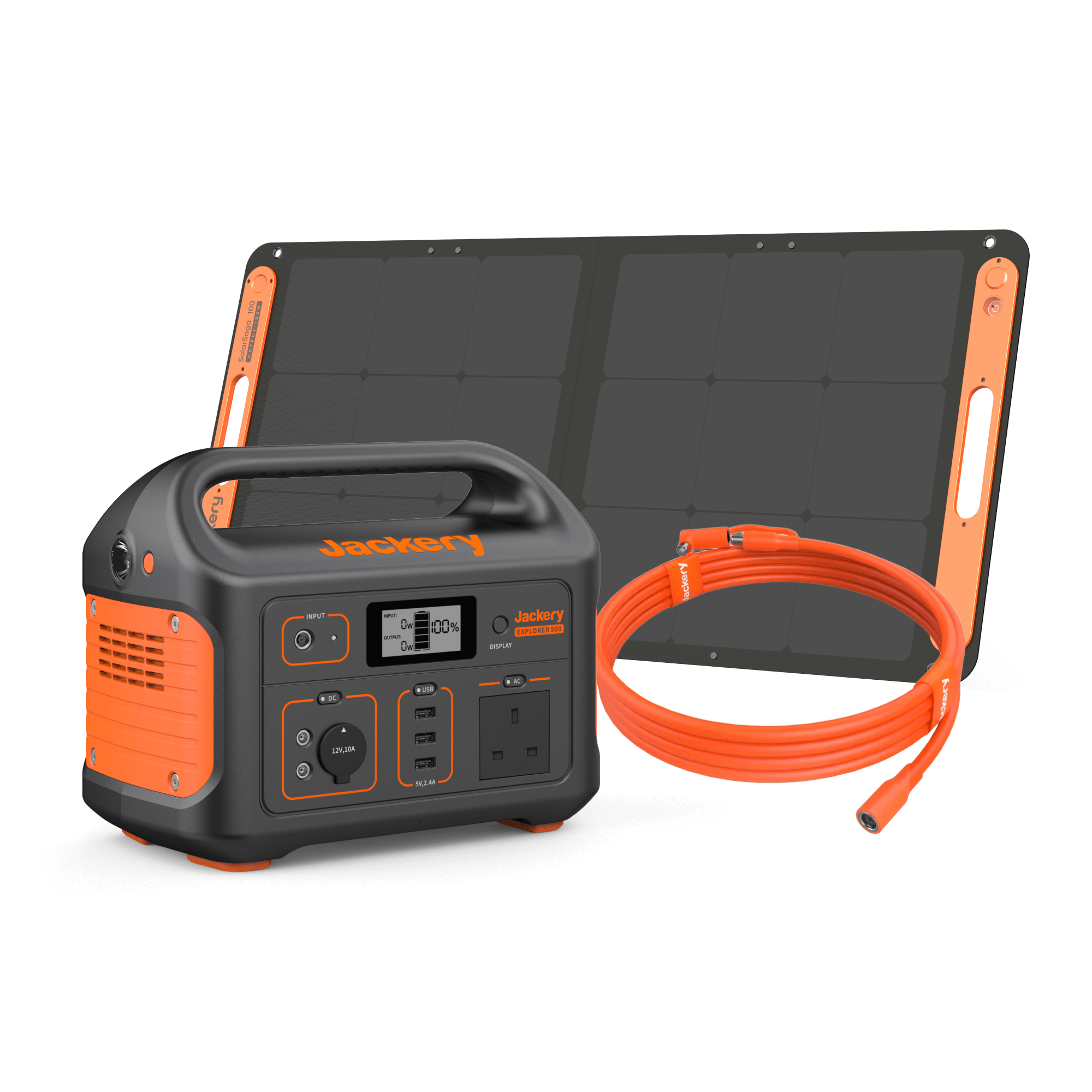
A typical alternative usually offers a battery, inverter, several ports and perhaps an app. That can be perfectly adequate. The difference is that Jackery presents those parts as a connected range of Explorer power stations, SolarSaga panels, cables and bags. It is less like choosing one anonymous box and more like choosing a system around a routine.
The strongest practical differences are:
- Clear sizing: compact Explorer models sit alongside higher-capacity units for longer trips and home backup.
- Solar-ready options: solar-generator bundles make it straightforward to pair storage with compatible panels.
- Portable design: handles, compact formats and accessory choices suit camping, caravans and garden projects.
- Recognisable support path: product pages, user guides and accessories are easier to identify than generic replacements.
The trade-off is price. You are paying for a known range and a more legible buying journey, not automatically for the highest capacity at the lowest figure. That matters when you want to expand or replace one part later.
Three Jackery options against the usual alternatives
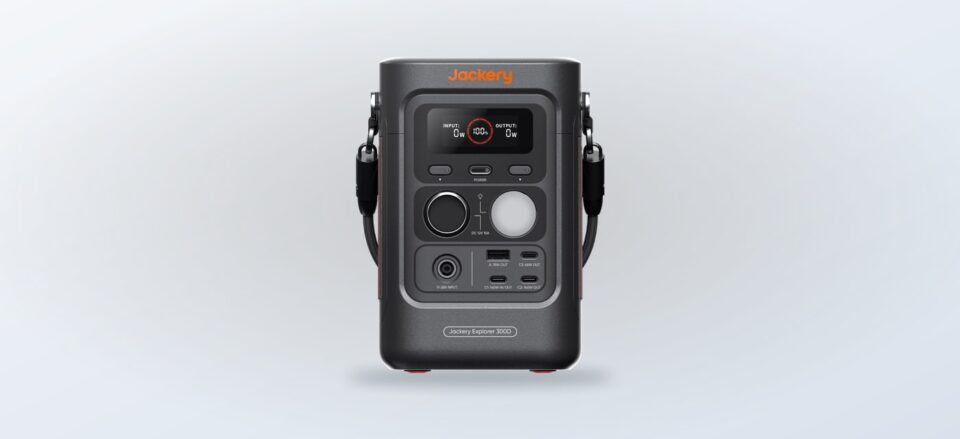
Explorer 300D: the compact starter
The Jackery Explorer 300D Portable Power Station was listed at £219. This is the sensible comparison with a small generic power bank or entry-level power station. It is compact enough for day trips, photography, small electronics and a backup charging point, without asking you to carry a large battery into the car.
Choose it when portability matters more than running kitchen appliances. A cheaper alternative can look tempting, but check its continuous output, port mix, recharge time and battery chemistry rather than comparing only the headline capacity. The Explorer 300D is strongest as a low-friction first step, especially for buyers who want a product page and accessory ecosystem they can understand.
Explorer 1000 v2: the balanced all-rounder
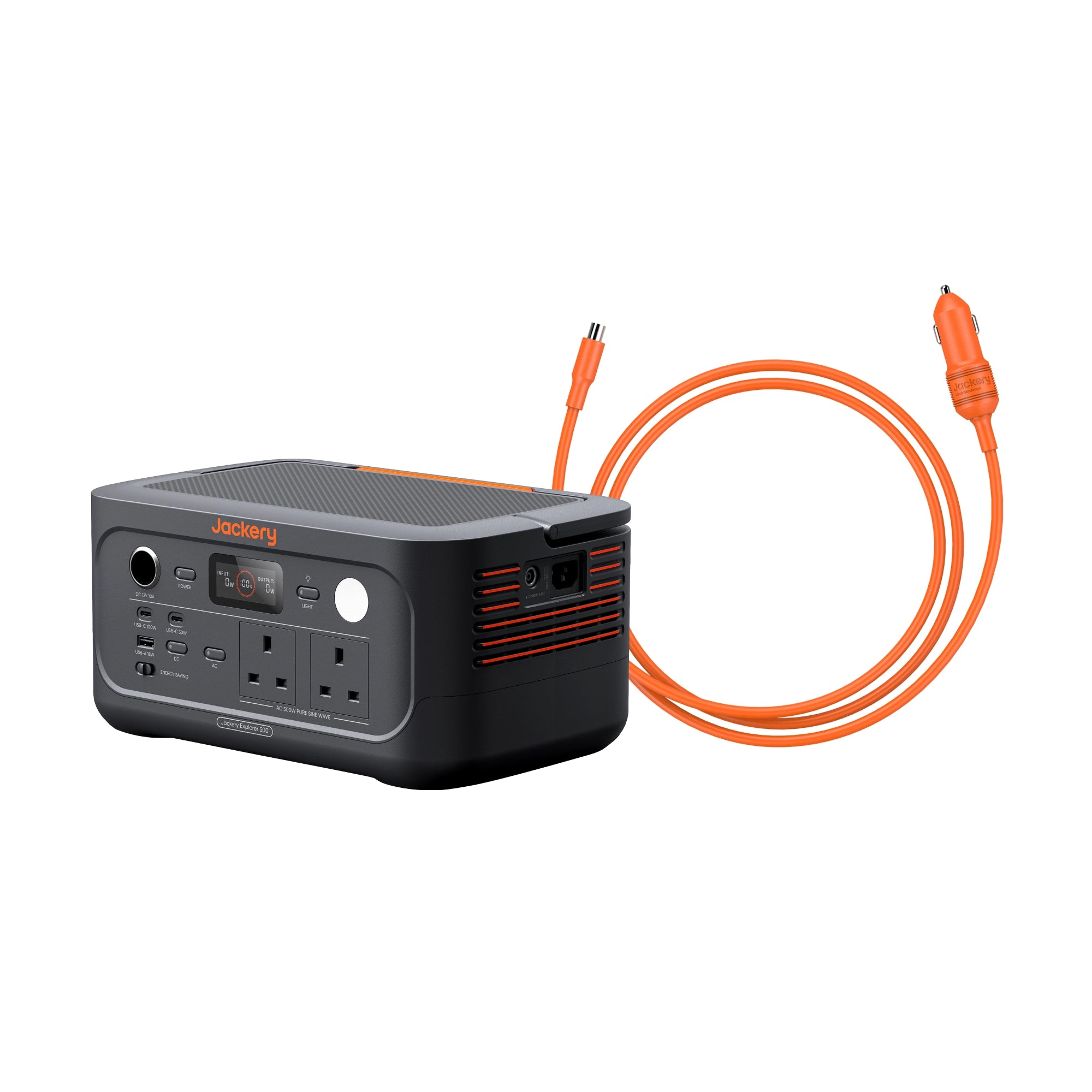
For many households and weekend travellers, the Jackery Explorer 1000 v2 Portable Power Station is the better middle ground. The listing I checked showed £599, and the included 5-metre DC extension-cable configuration helps explain the appeal for outdoor layouts where the panel or load is not right beside the battery.
Against a typical mid-range alternative, this is where Jackery earns its premium. The capacity should cover phones, laptops, lights, camera batteries and selected small appliances more comfortably than a compact model. It still remains more manageable than a large home-backup unit. The catch is simple: if you only need USB charging, you may be paying for headroom you will not use.
- Best for: caravans, longer weekends, garden offices and mixed electronics.
- Why it stands out: useful balance between capacity, portability and solar compatibility.
- What to check: the exact output, recharge method and panel bundle on the live listing.
The middle option is the one I would put on most shortlists, but do not assume “bigger” means better. Weight, storage space and charging time become real costs once a station moves beyond casual portability. Compare Explorer configurations before you settle on a capacity you will rarely fill.
Explorer 3000 v2: for serious demand
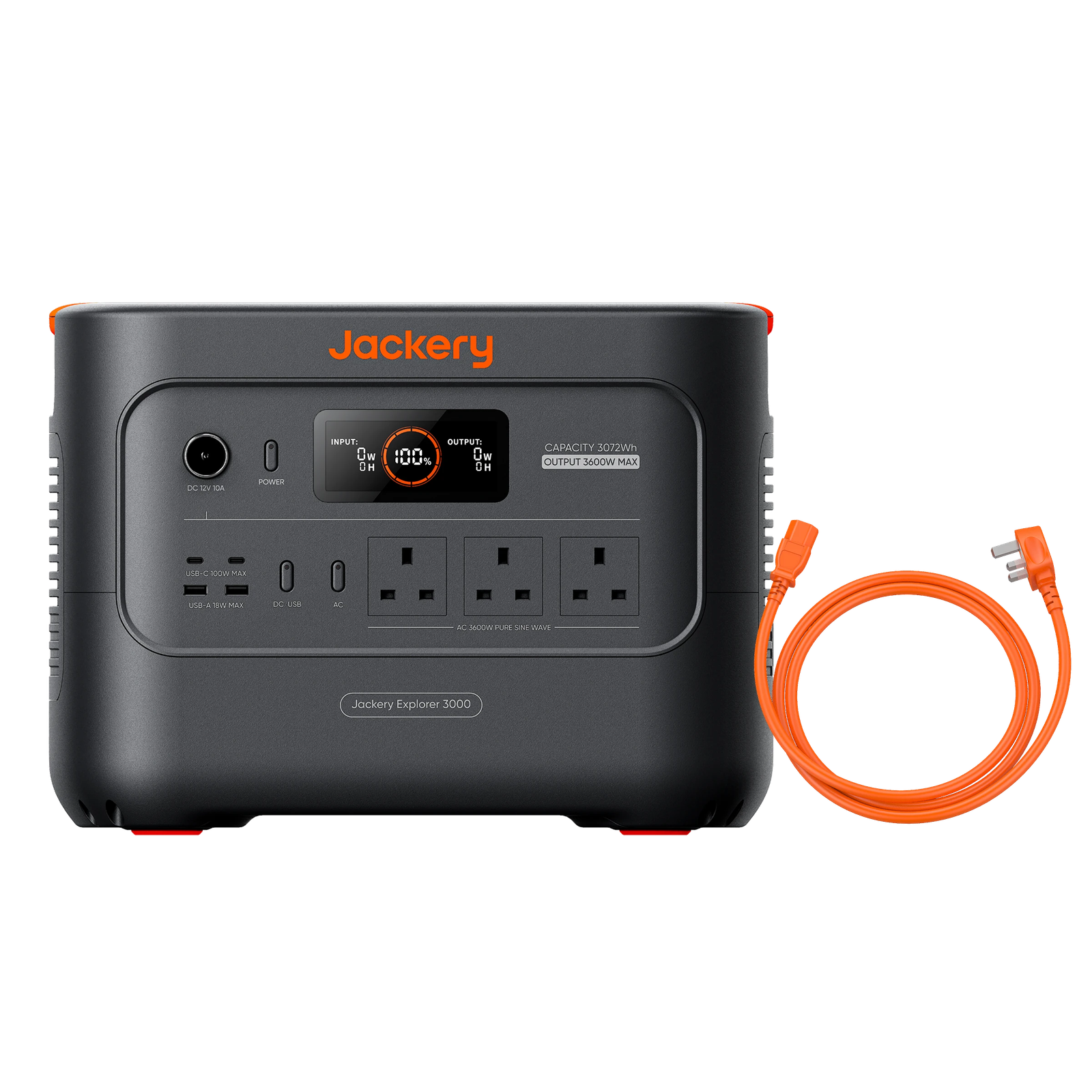
At the other end, the Jackery Explorer 3000 v2 Portable Power Station was listed at £2,299. It is a substantial step up for motorhomes, demanding tools, extended off-grid stays and home backup where a compact station would feel restrictive.
This is not the right comparison for a casual camper. A typical alternative may offer similar capacity for less, but you should scrutinise inverter output, surge performance, battery warranty, noise, expansion support and the quality of the included cables. The Explorer 3000 v2 makes sense when usable power beats low weight. It is overkill for a phone-and-lantern weekend.
Solar charging, accessories and the ecosystem test
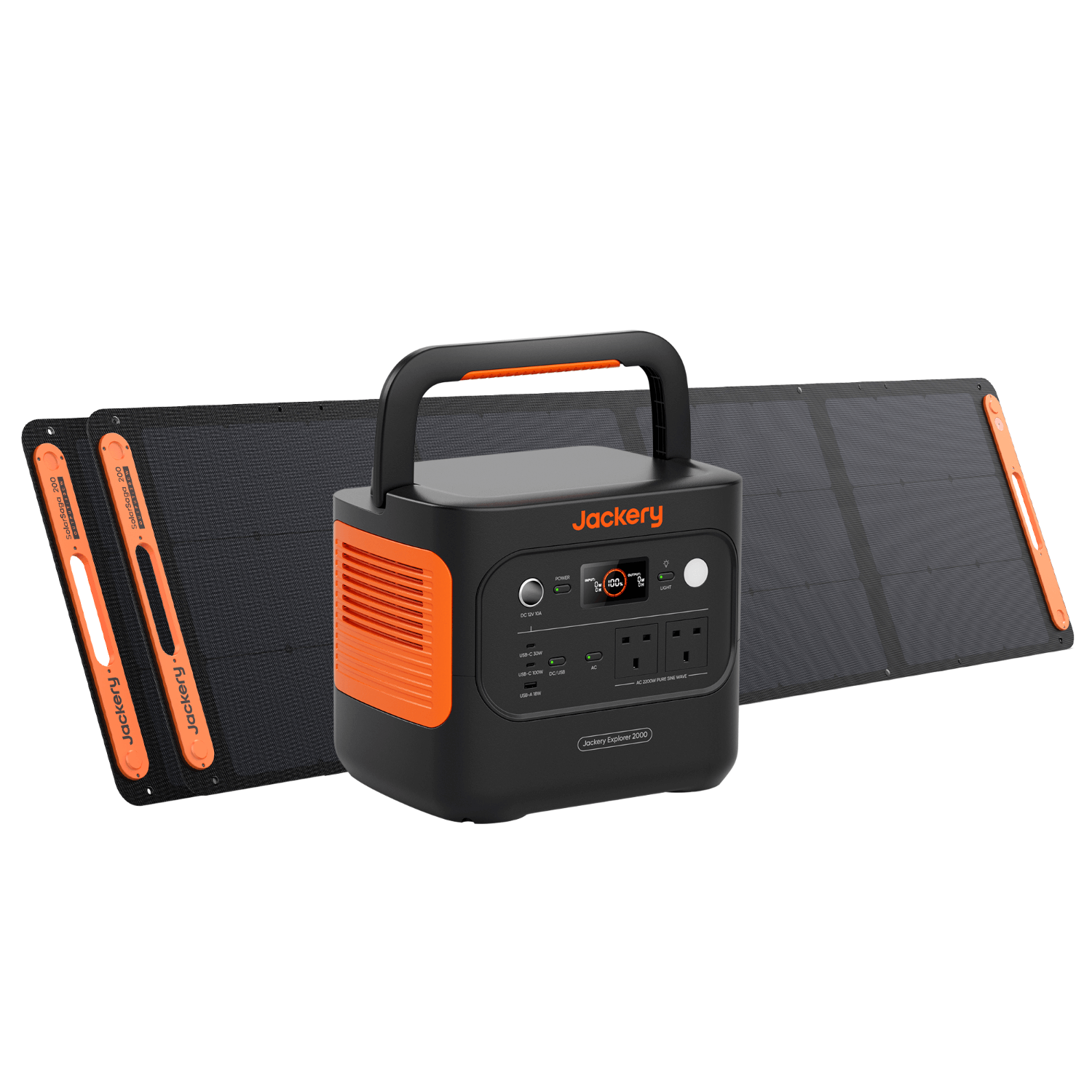
A power station becomes more useful when the charging plan is realistic. Jackery sells separate panels and bundles, including the compact SolarSaga 40 Mini Solar Panel, listed at £99. Its small format suits lightweight trips and personal electronics, while a larger SolarSaga panel is the more sensible match for higher-capacity Explorers.
This is the point where a branded ecosystem can be more convenient than assembling a generic setup. You can choose the station first, then check compatible panels, extension cables and carrying options. See the SolarSaga options and compare connector requirements before adding accessories.
- Start with the appliances or devices you genuinely need to run.
- Check continuous and peak output, not battery capacity alone.
- Decide whether car, wall and solar charging all matter.
- Measure the space and weight you can live with in the car or caravan.
- Compare the complete setup price, including panels and cables.
The downside is that proprietary accessories can cost more than generic cables. That is not unique to Jackery, but it is worth including in the budget. A lower-priced station becomes less of a bargain if you later need awkward adapters, a replacement charger or a panel that is difficult to match.
Where typical alternatives still win
Honest comparison means giving generic and competing stations their due. A well-specified alternative may offer a larger battery for the money, faster charging or more app features. If you are comfortable checking technical documentation and sourcing compatible accessories, that flexibility can be valuable. Compare Jackery with other options before deciding.
- Choose a typical alternative when lowest cost per watt-hour is your main measure.
- Choose one when you need an unusual output or specialist expansion format.
- Choose one when you already understand battery systems and do not need a guided range.
For everyone else, the risks of a bargain are less visible: vague specifications, uncertain aftercare, limited accessories and no clear route when something goes wrong. Jackery is not the cheapest answer, but the clearer system reduces decision fatigue and makes the product easier to use beyond the first weekend.
My recommendation for UK buyers
Buy the Explorer 300D if you want a compact, understandable starter for personal devices. Choose the Explorer 1000 v2 if you need the best balance for caravans, garden work and mixed everyday loads. Step up to the Explorer 3000 v2 only when you have a clear high-demand use case and are prepared for its size and price.
My overall recommendation is Jackery for buyers who want confidence and a complete route from station to solar panel. The brand loses points on price and accessories, but wins on range clarity, portable formats and the practicality of matching products. Check the exact output and current deal, then choose the smallest model that covers your routine with room to spare. Review today’s Jackery offers before checkout.
Questions buyers usually ask
Is Jackery better than a generic portable power station?
Not automatically. Jackery is usually the safer fit when you value a coherent range, compatible accessories and clear product information. A generic model may be better value if its verified output, battery details and aftercare meet your needs.
Which Jackery model is best for camping?
The Explorer 300D suits light personal charging, while the Explorer 1000 v2 is the more versatile choice for longer trips, caravans and several devices. Match the model to your actual load rather than buying the largest battery.
Do I need a solar panel as well?
No, a Jackery power station can be charged from other supported sources. Solar becomes useful when you want to extend off-grid stays or reduce reliance on mains charging, so check panel compatibility and expected sunlight for your trip.
If you have compared the capacity, weight and total setup cost and the ecosystem fits your routine, Jackery is the recommendation I would make. Shop the Jackery collection to see the current UK configurations.