
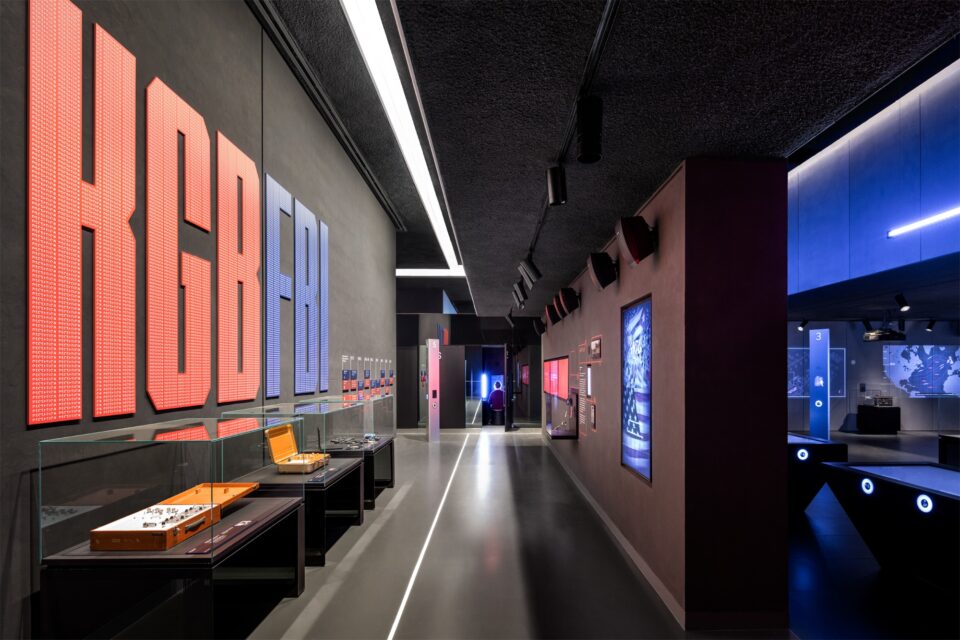
Modern museums and attractions are no longer limited to glass cases and quiet hallways. Visitors increasingly look for interactive experiences that feel personal, high-energy, and memorable—something that combines learning with participation rather than passive observation.
This shift is also reshaping what “a great day out” looks like. People want activities that fit real schedules, work for different group types (friends, families, corporate teams, school trips), and deliver an emotional payoff—whether that’s awe, laughter, adrenaline, or the satisfaction of solving a challenge.
Meet Spyscape
Spyscape positions itself around a clear and modern idea: people are not defined by a single label, and potential can be revealed through the right kind of challenge. Its stated mission is to “reveal your hidden potential,” using the world of secrets as a lens to explore human psychology and performance through immersive experiences that culminate in a detailed personal profile.
What makes the concept stand out is how the brand combines entertainment with structured insight. The experience is framed as more than themed fun: it is designed to translate choices and performance in immersive challenges into a profile that highlights personality, skills, and attributes—turning a visit into something that feels both exciting in the moment and useful afterward.
1. A Mission Focused on “Hidden Potential,” Not Just Spectacle
Key Highlights
- Purpose-led entertainment built around discovering strengths, not just consuming content.
- Psychology and performance are central themes, not background flavor.
- Personal outcomes are emphasized through an individualized profile at the end.
At its core, Spyscape is built around a philosophy that feels especially relevant in an era of personality quizzes and generic self-help advice: insight is more meaningful when it comes from doing, not just answering. Instead of asking visitors to simply “choose what sounds like you,” the experience uses immersive challenges as the engine for discovery—then connects that performance to a structured profile of skills and attributes.
This mission-driven framing matters because it changes how the experience feels. Rather than treating visitors as an audience, the brand treats them as participants in an experiment—one that makes self-awareness entertaining. That blend is a big part of the brand’s appeal: the visit can feel playful and intense, yet still leave visitors with language for what they do well and how they operate under pressure.
Explore the experience and uncover strengths that might surprise you—book a visit today

2. Expert-Designed Challenges Inspired by Real Spy Skills
Key Highlights
- Challenge design shaped with MI6 training and psychology for the museum-style experience.
- High-energy missions influenced by CIA and Special Ops expertise for team-based gameplay.
- Skill areas like risk tolerance and perception are part of the experience’s structure.
A major credibility driver for Spyscape is its emphasis on expert development. The brand describes its brain-teasing personal journey as developed with top MI6 spy trainers and psychologists, and it frames the challenge pathway as a way to reveal strengths and personality traits—such as risk tolerance, empathy, perception, pattern recognition, and decision-making—through interactive tasks.
On the more physical, competitive side, the team-based gameplay component is described as developed with experts from the CIA and Special Ops, focusing on collaboration, agility, and communication in high-adrenaline missions. That division—personal insight on one side, team proving ground on the other—helps the brand appeal to different visitor motivations while keeping everything anchored in a coherent “training” narrative.
Step into the world of secrets and test real spy skills—reserve your spot now
3. The Personal Profile: Turning Gameplay Into Takeaway Insight
Key Highlights
- Over 1 million profiles created, highlighting broad participation at scale.
- A detailed 58-page profile is a core “takeaway” concept in the experience.
- Performance-based scoring and algorithms translate challenge results into insights.
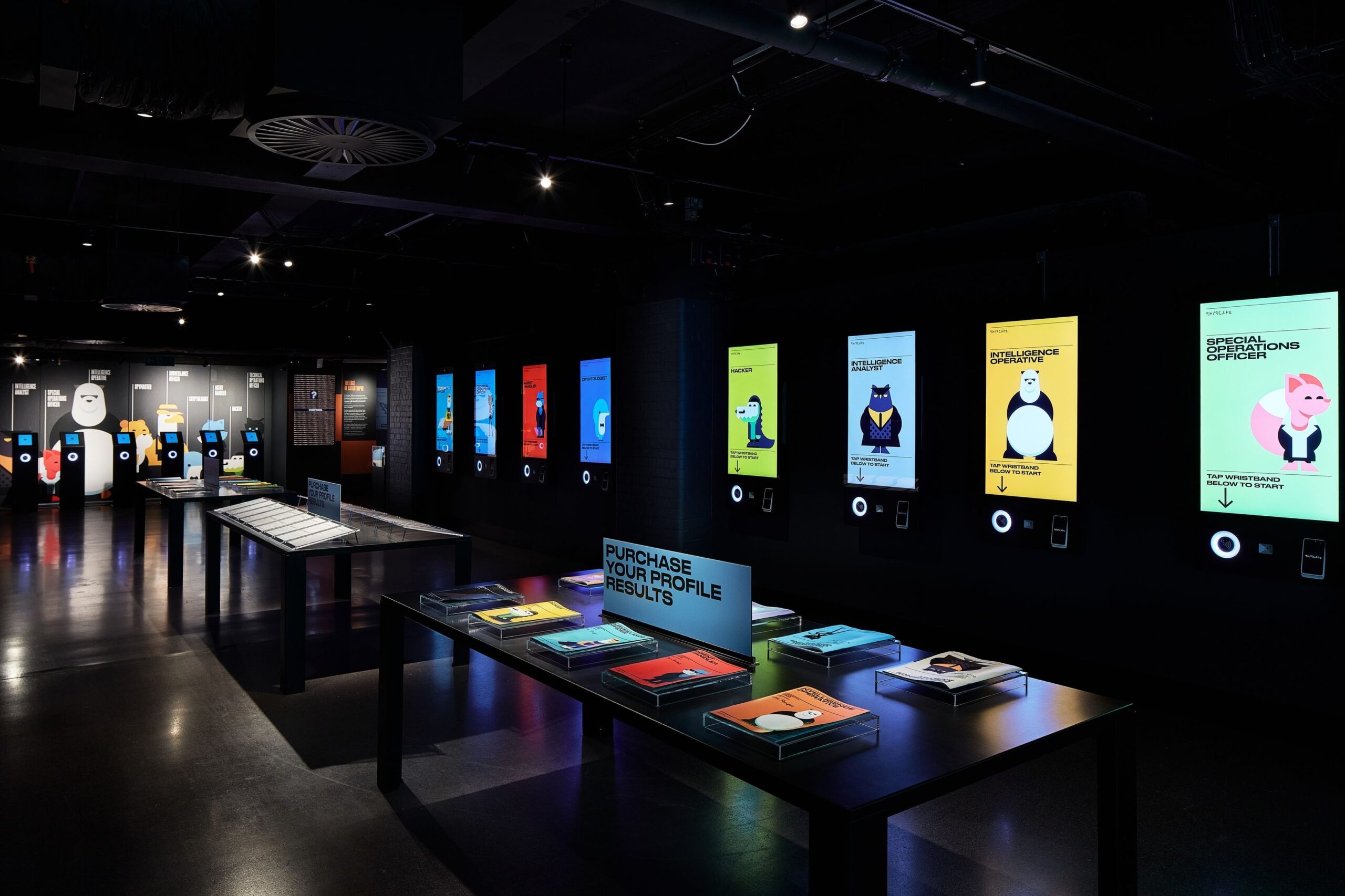
The profile component is where Spyscape most clearly separates itself from typical attractions. The brand describes an “authentic personal profile” designed with top spies and psychologists, and notes “1 million profiles created,” suggesting the system is not a novelty add-on but a core pillar of the experience. It also outlines how challenge scores help determine an individual’s mix of personality, skills, and attributes.
Importantly, the profile is positioned as something that can extend beyond the building. The brand describes access to highlights online and the ability to order a full printed profile dossier. It also explains that its algorithm plots scores against over a million others to highlight specific aptitudes and potential, while also identifying a “spy role” that best fits the visitor. That “take it with you” approach increases the perceived value of admission: the visit is not just time spent, but information gained.
Get the full experience—challenge yourself and take home a profile built from your results
4. Tickets and Visit Options Designed for Real Schedules (and Real Groups)
Key Highlights
- Multiple ticket formats including combined access, VIP, gifting, and group packages.
- Transparent starting prices listed for key options (e.g., from $59 for a combined experience).
- Practical visit details like hours, last entry times, age guidance, and an online-buy incentive.
The ticket structure is one of the most practical strengths of Spyscape, because it makes it easy to match the experience to different visitor needs. For New York, a combined “All Access” option is listed from $59 and includes a 50-minute team gameplay session, the museum-and-challenges experience, a detailed personal profile, and an individual spy role bracelet; it also notes that buying online avoids a $5 onsite fee. A VIP version is listed from $74 and adds fast-track entry plus a printed 58-page personal profile to take home.
For visitors optimizing time or budget, there are clearly separated alternatives: the museum-style experience is listed from $34 child / $39 adult (with fixed entry times and an age note of 8+), while the team-based gameplay is listed from $29 and is described as for teams of 2 or more, lasting 50 minutes, with an age note of 6+ and a recommendation to wear trainers and comfortable clothes (with a warning that flashing lights may be hazardous to some). There is also a gift option listed at $64, valid for 12 months and described as having no restrictions on days or times (subject to availability), while also noting gift cards are non-refundable.
Compare ticket options and book online to lock in your preferred time
5. Trust, Accessibility, and Programs That Go Beyond Typical “Attractions”
Key Highlights
- Accessibility and practical support including wheelchair/walker access and free lockers.
- Inclusive policies such as a complimentary ticket for a carer/personal assistant (with proof of eligibility).
- Structured group and education offerings for schools and camps.
Visitor trust is often built in the small details, and Spyscape spells out several that matter. The brand states that all entrances, galleries, retail spaces, and bathrooms are accessible via wheelchair and walker, and it notes that lockers are available free of charge—requiring backpacks and bags to be stored, with locker dimensions provided as 12” x 20” x 24”. It also states that a complimentary ticket is provided for a carer or personal assistant when a visitor purchases their own ticket, with proof of eligibility requested on arrival.
Beyond standard tourism, the brand also leans into education and development. For school groups, it highlights skill-building themes (teamwork, problem-solving, critical thinking) alongside the spy narrative, and it provides concrete ticket information: Student Tickets $29/£23, including an individual assessment created by educators, psychologists, and a former Head of Training at MI6, plus a complimentary return-visit voucher for each adult chaperone. It also lists operational guidelines such as booking at least one week in advance, requiring one chaperone per ten students, and limiting slots to 35 students (with examples for splitting larger groups). Camps are similarly framed around confidence, teamwork, and problem-solving with immersive missions and profiles.
Plan a visit for friends, family, or a full group—see ticket options and choose your ideal format
Conclusion
Spyscape stands out by treating immersive entertainment as a tool for discovery, not just distraction. Its mission-led positioning, expert-shaped challenges, and profile-based takeaway create a rare combination: something that feels thrilling in the moment and meaningful afterward.
For visitors who want an experience that is energetic, interactive, and genuinely personal—whether visiting solo, with friends, or as part of a larger group—the brand’s structure, ticket flexibility, and emphasis on real-world skills make it a compelling choice in the modern attraction landscape.