

Entertainment has changed. Many visitors no longer want to passively look at artifacts behind glass and move on. The most memorable cultural experiences now feel interactive, personal, and story-driven—designed to spark curiosity and give people something to talk about long after they leave.
This shift has created a new kind of demand: places that blend learning with play, technology with storytelling, and individual insight with shared excitement. In that world, the best experiences do two things at once. They immerse visitors in a compelling theme, and they also make the visitor feel like a participant—not an observer.
Introducing Spyscape
Spyscape presents itself as “an entirely new kind of museum,” emphasizing technology and a visitor-first design. The museum experience is built around the secret world of espionage, where the topic is not treated as distant history alone, but as something that connects to modern life—through encryption, deception, surveillance, hacking, special operations, and intelligence. The experience is intentionally hands-on, asking visitors to test skills such as pattern recognition, perception, and empathy through interactive challenges.
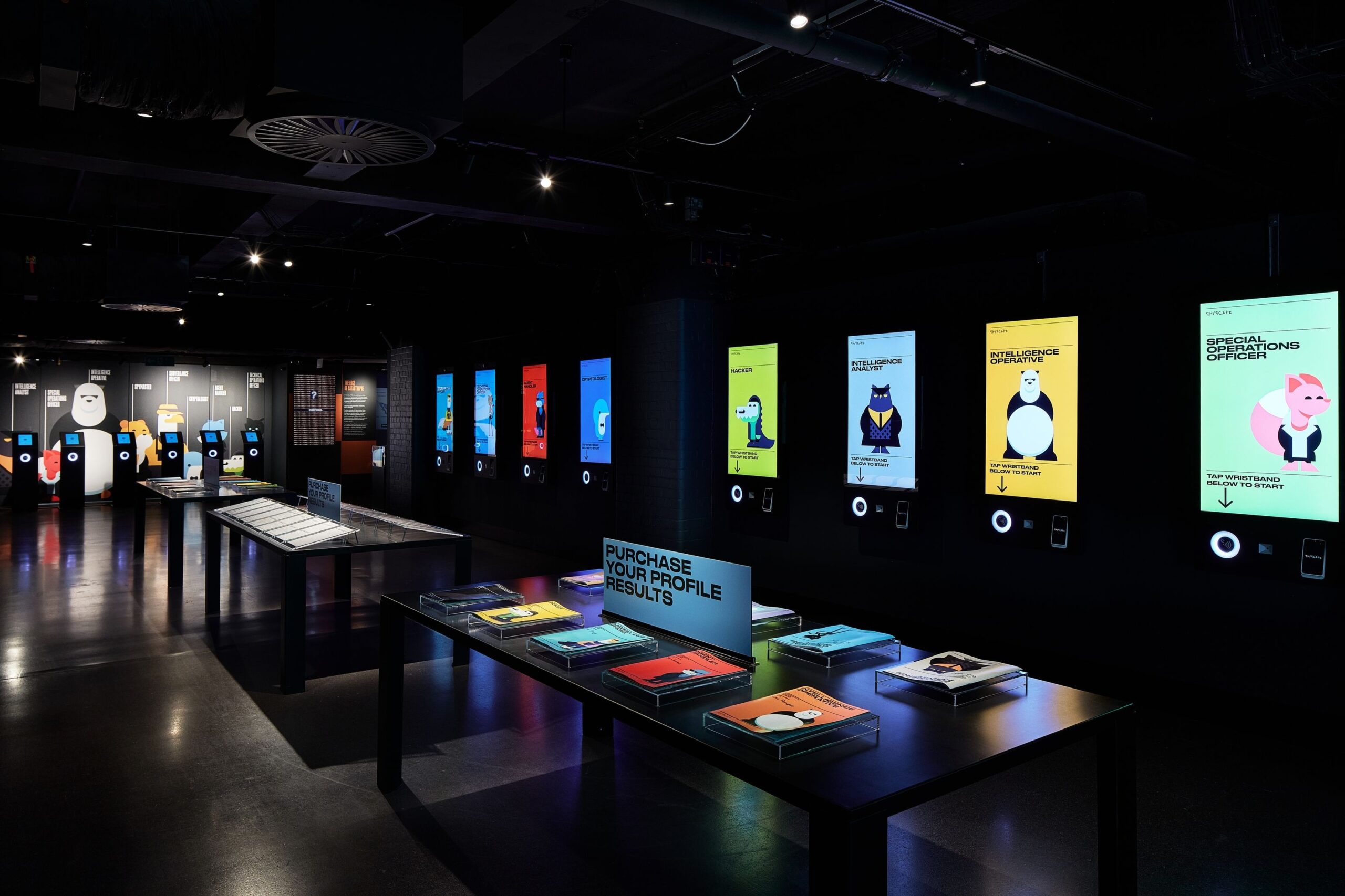
What makes Spyscape feel especially distinctive is the promise of personalization. The museum describes a “Profile & Debrief” flow: visitors move through authentic challenges designed by a former Head of Training at MI6, and then receive a unique profile designed with spies and psychologists to reveal attributes, potential, and an “ideal spy role.” The result is an experience designed to be both fun in the moment and surprisingly reflective afterward.
1. A Visitor-Centered Philosophy Powered by Technology
Key Highlights
- Positioned as a technology-powered museum built around the visitor experience
- Interactive challenges designed to reveal strengths and personality
- Ends with a personal profile to make the visit feel uniquely meaningful
Many “interactive” attractions add a few screens and call it innovation. Spyscape takes a deeper approach by designing the visit around what the guest does, decides, and learns about themselves along the way. The museum explicitly describes itself as powered by technology and built around the visitor experience, which is a strong statement in a sector where exhibits are often designed primarily around objects.
This philosophy pays off because it makes the theme—spies and secrets—feel personally relevant. Instead of walking away with only facts, visitors leave with the sense that their choices mattered. The “Profile & Debrief” concept reinforces that value: it frames the visit as a journey, not a loop. That kind of design turns a museum trip into an identity-driven experience that feels shareable, repeatable, and different from person to person.
Book your visit now and step into a spy story built around you.
2. Immersive Zones That Make Espionage Tangible
Key Highlights
- Hands-on themes like encryption, deception, surveillance, hacking, special ops, and intelligence
- Blends interactive tasks with museum storytelling and real-world context
- Uses espionage to explore modern life—data, technology, and decision-making
Spyscape is organized around themed zones that connect “spy skills” to real mental and physical challenges. For example, the encryption section asks visitors to try making and breaking codes while also connecting to the history of cryptology and the Enigma machine. Deception focuses on empathy and lie detection, while surveillance emphasizes perception and observation in a real-time exercise powered by voice-recognition AI.
Other zones lean into the drama and intensity of modern espionage. Hacking challenges visitors to think about beliefs and principles in an immersive environment and also introduces the reality of activist hacking and its impact. Special Ops adds a physical layer with agility tests in high-tech laser tunnels and ties the storytelling to inventive gadgets and covert operations history. The intelligence section highlights how motivation and information can shape outcomes, pairing the experience with stories and tools connected to the Cold War era.
Experience every zone—secure tickets and plan your visit today.
3. Expertise-Driven Design and Personal Insight
Key Highlights
- Challenges described as designed by a former Head of Training at MI6
- Personal profile designed with spies and psychologists
- Framed as a journey that reveals strengths, attributes, and potential
A big reason Spyscape feels different from a typical “funhouse” attraction is the way it frames credibility. The museum describes its challenges as authentic and designed by a former Head of Training at MI6. That narrative positions the experience as more than themed entertainment: it suggests that the tasks are rooted in real-world methods of evaluation and skill-testing.
The payoff is the profile at the end. The museum describes this as a unique profile designed with spies and psychologists to reveal attributes and potential, and to point toward an ideal spy role. In practice, that idea turns a visit into a story about capability: not just what espionage is, but what kinds of skills visitors bring into high-pressure situations—like pattern recognition, perception, and decision-making.
Discover your spy profile—book your experience now.

4. Ticket Options, Pricing, and Visit Information (Including “All Access”)
Key Highlights
- Multiple ticket types, including All Access options and museum-only entry
- Online purchasing highlighted to avoid an onsite fee
- Published location details, hours, and last-entry guidance for planning
Spyscape provides detailed ticket information on its New York tickets page, making it easier to match the experience to time, budget, and group type. “All Access” is presented as the most popular option and described as a full two-hour experience combining the Spyscape museum/experience with SPYGAMES, plus a personal profile and an individual spy role bracelet. The page lists All Access Individuals as “From $59” and notes that buying online avoids a $5 onsite fee. It also lists a VIP All Access option “From $74,” including fast track entry and a printed 58-page personal profile to take home.
For visitors who want flexible gifting, the page lists an All Access Gift Pass at $64, described as valid for 12 months from purchase with no restrictions on days or times (subject to availability) and notes that gift cards are non-refundable. For a museum-only visit, the page lists Spyscape Individuals “From $34 Child, $39 Adult,” notes fixed entry times, includes free spy role bracelets, and states an age guidance of 8+. For SPYGAMES Individuals, the page lists “From $29,” specifies teams of 2 or more players, recommends trainers and comfortable clothes, warns that flashing lights may be hazardous to some, and lists age guidance of 6+.
Spyscape also shares planning details to reduce friction on arrival. For New York City, the tickets page lists the location as 928 8th Ave, New York, NY 10019, with the nearest station shown as 57 St-7 Av. It lists hours as Sunday–Thursday 10:00am–8:00pm and Friday & Saturday 10:00am–10:00pm, with “Last entry 90 mins before closing.” It also lists a London location and hours on the same page, helping travelers coordinate visits across cities. Finally, the page currently promotes a Bond-themed NYC item with an end date of March 31 (as shown on the tickets page).
Check ticket types and lock in your preferred time—book now.
5. Guest Experience: Accessibility, Comfort, and Practical Details
Key Highlights
- Age guidance and experience fit described clearly
- Accessibility details, lockers policy, and comfort guidance provided
- Carer/companion support mentioned on the museum FAQ section
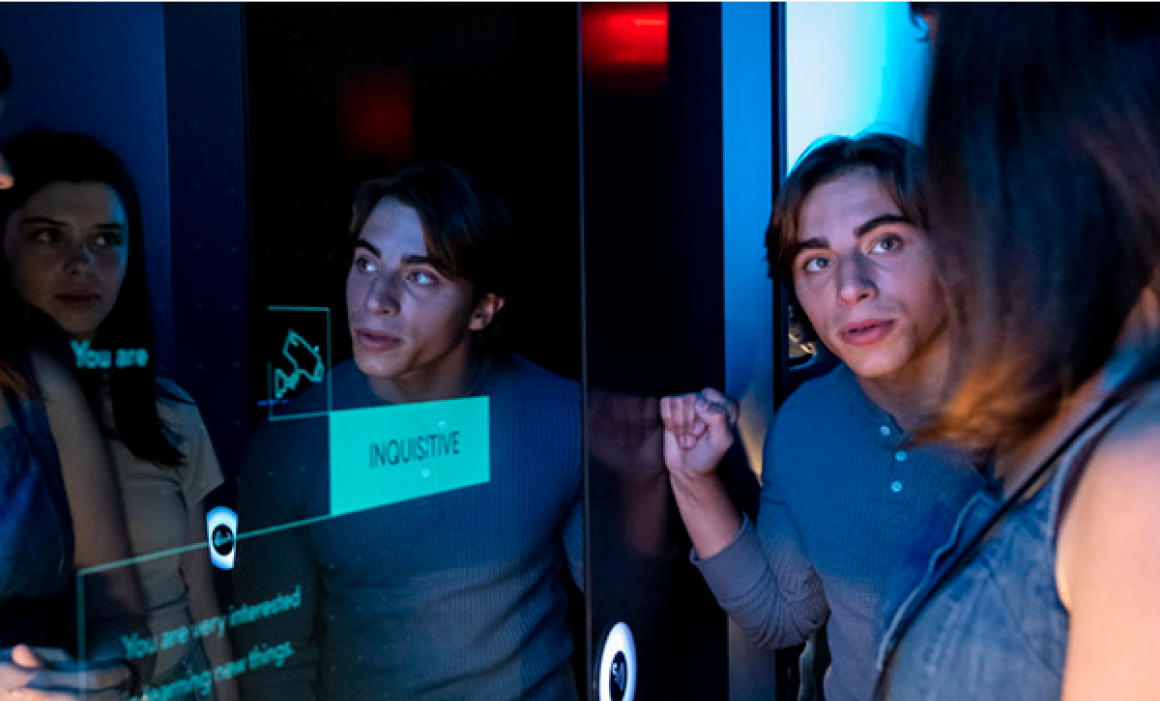
Great experiences are not only about the headline attraction—they are also about how smoothly the day works. Spyscape answers practical visitor questions directly in its FAQs. The museum notes that it is designed for adults and teens, but can be enjoyed by visitors aged 8 and up. It also emphasizes that each visitor receives a detailed personal profile reflecting individual choices, scores, skills, and attributes—reinforcing that the experience is meant to feel personal, not generic.
For comfort and inclusivity, the museum states there is no dress code and recommends arriving comfy and ready for action. It also states that entrances, galleries, retail spaces, and bathrooms are accessible via wheelchair and walker. Lockers are described as free of charge, with a stated size of 12” x 20” x 24”, and it notes that backpacks and bags must be stored in a locker (with items too large not permitted inside). The museum also states that if a visitor needs a carer or personal assistant, a complimentary ticket can be provided when the visitor purchases their own, with proof of eligibility requested on arrival.
Plan an easy visit—book ahead and arrive ready for action.
Conclusion
Spyscape stands out because it treats the visitor as the main character. The museum blends technology-driven interaction with real-world spy themes, then elevates the experience with a personal profile and debrief that turns a fun visit into something surprisingly reflective. From zones focused on encryption, deception, surveillance, hacking, special operations, and intelligence to clear practical planning details, the brand delivers an experience designed to feel modern, immersive, and personal.
For anyone looking for a museum visit that feels less like reading plaques and more like stepping into a story—with brain-teasing challenges, tech-powered immersion, and memorable takeaways—Spyscape offers a compelling, well-defined option in both concept and execution.
Explore tickets and book your experience with one click now.