
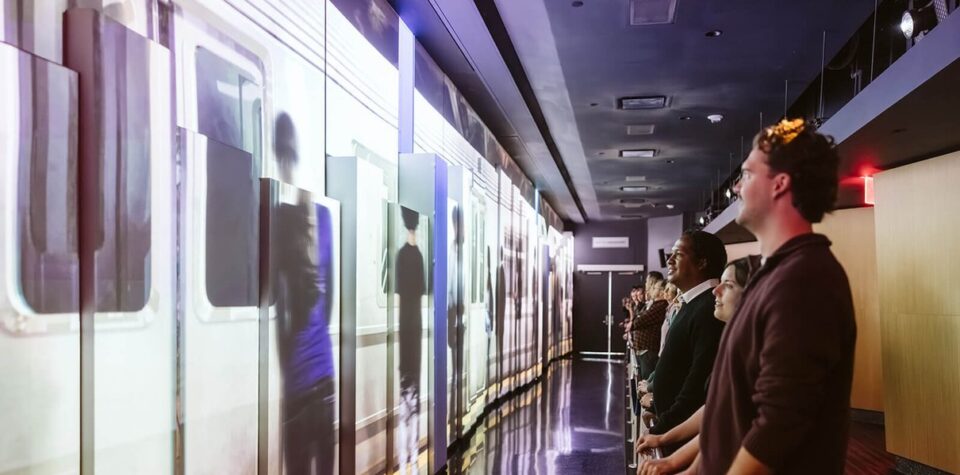
A first visit to New York can be crowded with landmarks competing for time. One World Observatory offers a different way to read the city: from above, with the experience built around the view and the stories that give it context.
We reviewed the official visitor information and ticket listings to explain what defines One World Observatory – New York, how its main features work together, and what a new visitor can expect from its range.
This article contains affiliate links. If you buy through them, we may earn a commission at no extra cost to you.
Before you read on
- The observatory centres its visit on indoor panoramic views from One World Trade Center.
- The SkyPod elevator and See Forever Theater make the approach part of the attraction.
- Standard General Admission keeps the choice simple; higher tiers add different kinds of convenience.
- VIP Tour & Dine Experience layers a guided visit and escorted entry onto the view.

Why does the observatory begin with the journey upward?
The address is part of the story. One World Observatory – New York occupies the upper floors of One World Trade Center, so the visit starts with a lift through the building rather than a walk into a street-level gallery. The official site says its SkyPod elevator climbs 102 floors in 47 seconds. That quick transition sets up the change in perspective: the city below becomes a broad panorama instead of a sequence of neighbourhoods.
The observatory also uses the See Forever Theater and City Pulse ring systems to introduce the place and its landmarks. Visitors can review the official ticket listing while considering which parts of the experience matter most. Those features give the visit an interpretive layer; the point is not only to reach a high viewpoint, but to connect what visitors can see with the city around them. The brand’s indoor format also makes the skyline the central subject without relying on an open-air deck.
- The SkyPod ascent creates a quick transition to the upper floors.
- The See Forever Theater introduces the city before visitors settle into the view.
- City Pulse helps connect visible landmarks with the wider urban setting.
For a first-timer, that combination makes the attraction legible even before choosing an add-on: arrival, ascent, orientation, then time at the viewing areas. The Standard General Admission is the clearest expression of that core visit. It includes access to the view, and suits someone who wants to keep the itinerary focused on the observatory itself.

What does the ticket range say about the brand?
The official options are organised around how visitors want to move through the experience. The Combination Experience keeps the central view but adds priority entry and venue credit, according to the ticket page. It can make sense for visitors who want fewer queue steps and already expect to use the observatory’s food, drink or retail venues. Whether those extras matter depends on the shape of the day, not just the tier name.
- Standard General Admission: a straightforward choice when the view is the main reason for going.
- Combination Experience: priority entry and venue credit for visitors who value those additions.
- All-Inclusive Experience: priority entry, a choice of arrival period and venue credit.
- VIP Tour & Dine Experience: escorted entry and a guided tour, with venue credit also listed.
The All-Inclusive Experience adds flexibility around arrival time along with priority entry and venue credit. That structure may appeal when a group wants more control over when it enters, or when a visit is one part of a fuller day. It is still worth checking the current ticket page for the exact availability and terms attached to each format.

When does a guided visit add useful context?
A skyline is impressive, but identifying what lies beyond the glass can turn a look into a more memorable orientation. The VIP Tour & Dine Experience adds escorted entry and a guided tour listed as 60 minutes. The official page describes the tour as a way to learn about landmarks and New York’s history. For visitors who enjoy explanation alongside the view, that is a meaningful difference from self-guided admission.
The format also links the observatory to ONE Dine, the on-site restaurant. Dining can extend the visit beyond the viewing areas, while the attraction’s cafe and bar offer less formal ways to pause. The official site presents these as parts of its wider visitor offer, rather than separate reasons to ignore the skyline. Browse the guided and dining option alongside the flexible-arrival option if your group is deciding between context and convenience.
Dining is not necessary to understand the brand’s central idea. It is an optional extension for a visitor who wants the attraction to anchor a longer occasion. The core admission format remains relevant for a shorter stop, while the Combination Experience offers a middle ground for someone who values entry priority and venue credit but not a guided tour.

How can a first-time visitor make the experience their own?
Start with the role you want the observatory to play in the day. If it is a single viewpoint between other plans, uncomplicated admission may be enough. If your schedule needs more flexibility, compare the arrival window included with the All-Inclusive Experience. For visitors who like a host to help interpret a place, look at the VIP Tour & Dine Experience.
Then check practical details against the actual day. Availability, operating hours, entry conditions and the benefits attached to a ticket can change, so use the official booking information as the final reference. The observatory’s ticket options are listed together, making it easier to compare what the brand includes before committing to a format.
- Decide whether you want a quick view stop, extra arrival flexibility or a guided format.
- Consider whether your group will use the food, drink or retail credit included with some options.
- Allow time for the elevator, orientation features and viewing areas rather than treating entry as the whole visit.
- Confirm current details on the official ticket page before setting the rest of your schedule.

What should readers know about the observatory beyond admission?
The brand’s wider range includes dining, group visits and private events, which broadens its identity beyond a lookout. ONE Dine gives the visit a restaurant option, while the observatory’s group information addresses parties planning together. Those offerings are useful context for readers arranging a celebration or shared itinerary, though each has separate details to confirm on the official site.
This breadth does not mean every visitor needs to add more. The defining proposition remains a high, indoor view paired with a guided sense of place. The official admission listing is the most direct starting point, and the Standard General Admission page anchor helps readers focus on the basic visit before looking at extras.
Is the observatory mainly about the view?
The panorama is the central draw, but the official experience also includes the SkyPod ascent, See Forever Theater and City Pulse interpretation. Those features provide context around the view.
Which ticket is the simplest starting point?
Standard General Admission is the straightforward option when you want observatory access without choosing added entry or dining features. Check its current listing before booking.
What makes the VIP option different?
The VIP Tour & Dine Experience includes escorted entry and a guided tour, according to the official ticket page. It suits visitors who prefer more context as part of the visit.
Our recommendation
For a first visit, begin with the observatory’s core promise: a panoramic view of New York framed by a short ascent and interpretive features. Choose Standard General Admission if that is enough; move to a higher format only when priority entry, arrival flexibility, venue credit or guided context fits how you plan to spend the day.
The honest limitation is that ticket benefits and availability depend on the date and current listing, and the best fit changes with your schedule. Check the official details before finalising plans.