

Planning a day at Blenheim Palace means choosing between a historic house visit, open-air time across the estate, and family activities that can become the main event. The best fit depends on what your group will actually enjoy, not on trying to cover every option.
We reviewed the visitor and ticket information published by Blenheim Palace. The offer has a useful range, but the ticket names do not remove the need to check date-specific access, session details and what is included before booking.
This article contains affiliate links. If you buy through them, we may earn a commission at no extra cost to you.
Before you read on
- Blenheim Palace brings together Palace interiors, gardens, parkland and family activities, so start with your group’s priorities.
- The Adventure Play Day Ticket is the clearest fit for a play-led outing, with tunnels, bridges, cargo nets, zip-lines and water play described on the site.
- The Palace and Play Pass combines Palace and Adventure Play in one plan; confirm its current inclusions for the date you want.
- Quiet Play is a separate session option intended for SEND children and families, with its own details to review.
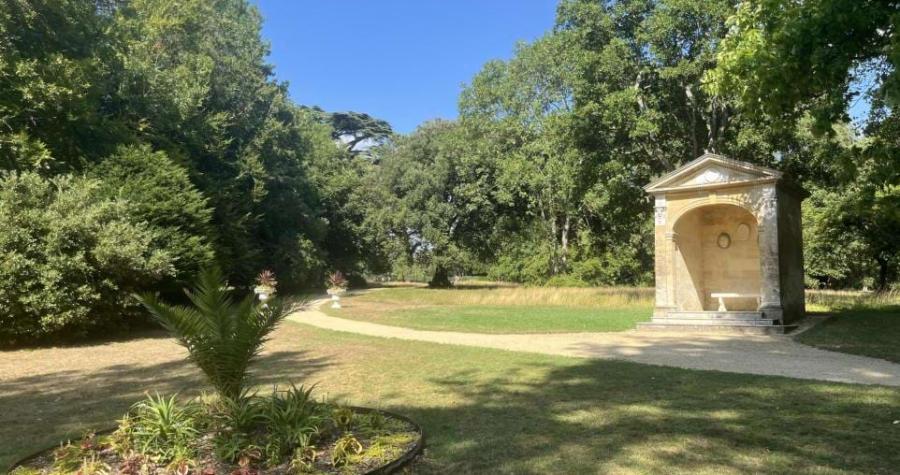
Which parts of the estate matter most to your group?
The strongest point of the Blenheim Palace offer is its range. A visit can centre on the State Rooms and the Palace story, a walk through gardens and parkland, or a family activity. That breadth gives different groups a reason to visit, but it also means a loose plan can turn into too many priorities for one day.
For a history-led visit, explore the State Rooms and allow time for the scale of the house to register. The Palace is a UNESCO World Heritage Site, which gives the architecture and designed landscape a wider context than a single interior tour. The visitor pages make these areas visible as distinct components, so consider them when deciding what matters most.
If being outdoors is the draw, the gardens and parkland offer a different pace. Formal planting, wider views and walking routes create variety, although the experience is naturally shaped by weather, mobility and how much ground your group wants to cover. The estate is not a compact stop where every feature sits next to the entrance.
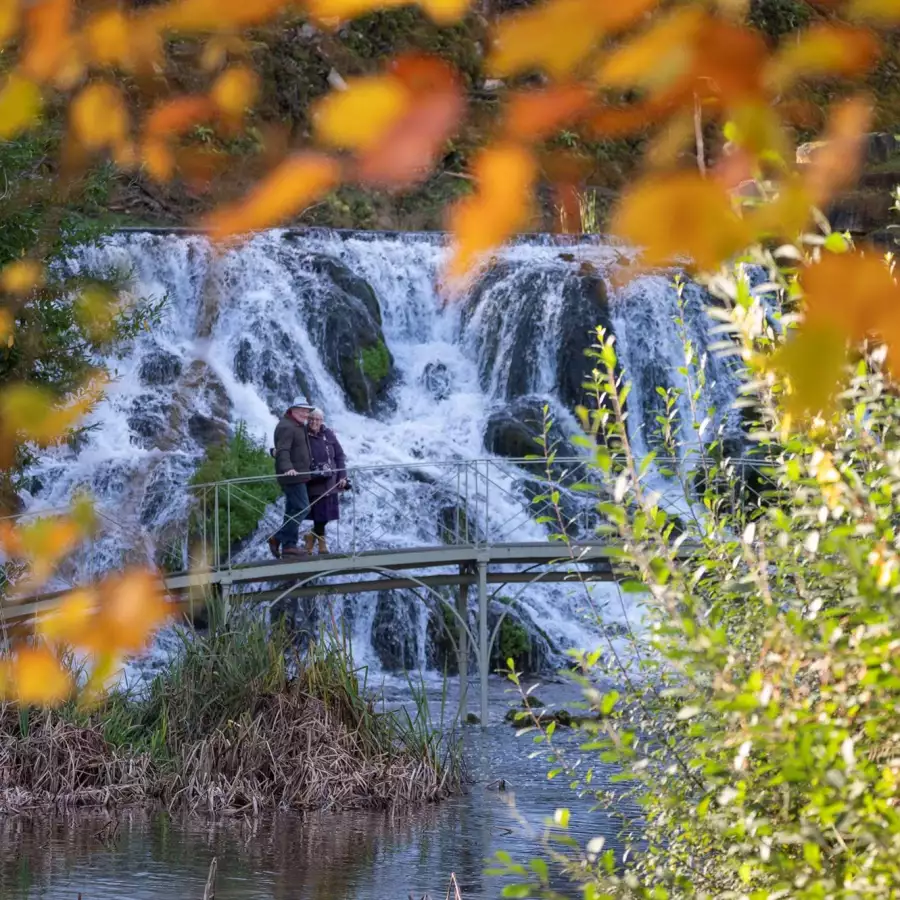
Families looking for movement can make Adventure Play the anchor rather than an add-on. The site describes tunnels, bridges, cargo nets, zip-lines and water play, which signals an active attraction with a different rhythm from Palace rooms or a garden walk. Review the Adventure Play overview alongside the ticket information to see which activities and facilities match your group.
- Choose a Palace-led day if the house and its historic interiors are the priority.
- Choose a grounds-led day if walking, scenery and garden areas matter more than indoor interpretation.
- Choose play as the anchor if children are likely to spend most of the visit in an active setting.
- Add food, seasonal events or extra attractions only after checking what is open on your date.
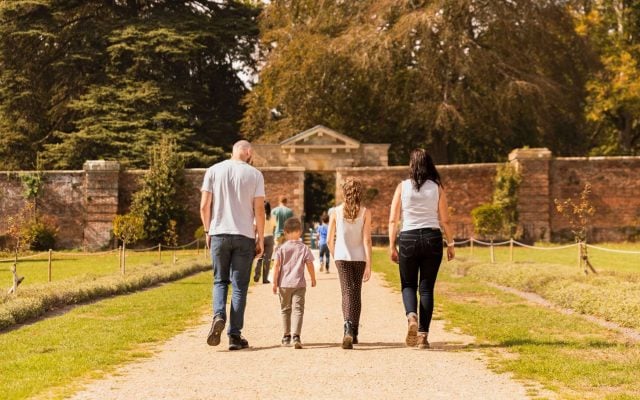
When does each Adventure Play option make sense?
The Adventure Play Day Ticket is the most direct option when the play area itself is the reason for travelling. Its activity mix is broad enough to suggest an energetic session rather than a quiet playground stop. Check the Adventure Play Day Ticket details for access terms, opening information and anything your party needs to bring or know.
The Palace and Play Pass may suit a group that wants to combine the historic house with a play visit. It answers a practical planning question: can you build both kinds of activity into the same outing? The Palace and Play Pass page is the place to verify what the current pass covers and whether the timing works for your plans. Inclusion should not be assumed from the name alone.
The Quiet Play session is a more specific choice. Blenheim Palace describes a separate session for SEND children and families, which can make it more relevant to visitors seeking a different environment from standard play. The available page is shared with other ticket information, so check the session description, access arrangements and booking requirements carefully before travelling. The same page also covers the Quiet Play session and Adventure Play Day Ticket.
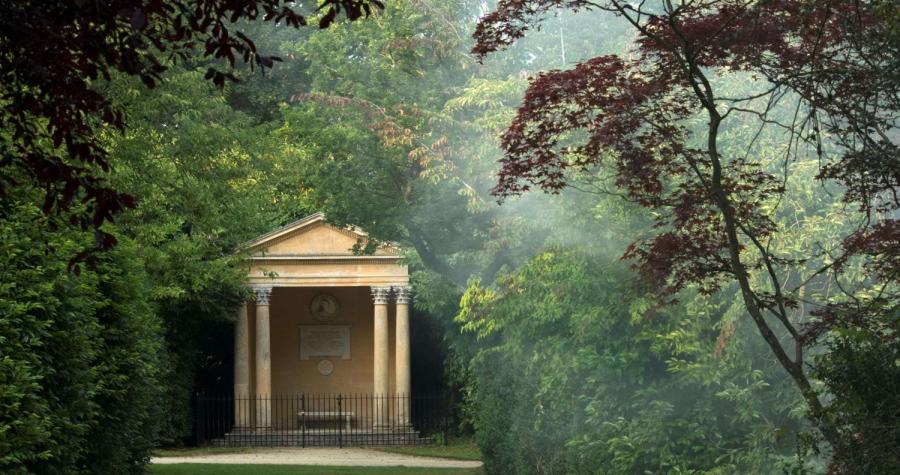
What could make the visit feel less straightforward?
The estate’s scale is both an advantage and a planning constraint. A single ticket choice may not include every area or activity that interests your party, and fitting Palace interiors, gardens and play into one day can create a rushed schedule. Prioritise one main reason for visiting, then decide whether a second component is realistic.
Seasonal events and opening arrangements can change the character of a visit. The official site separates ticketing, opening times and individual attractions, so check those pages close to your intended date. Accessibility details also matter: route length, surfaces, session conditions and facilities are practical factors to review for anyone in the group who needs them.
For planning, we would use this short checklist before selecting an option:
- Confirm which areas are included with the ticket you are considering.
- Check opening and session times for Palace access, Adventure Play and any seasonal event.
- Look at the estate map and access information if walking distance or surfaces could affect your day.
- Allow a realistic amount of time for travel between the components you choose.

How should you decide before booking?
Start with the visitor who is hardest to accommodate. For a family with children eager for climbing and water play, the Adventure Play Day Ticket gives the day a clear centre. If adults also want the Palace, compare it with the Palace and Play Pass and verify the actual inclusions. For a SEND-focused visit, examine the Quiet Play session information directly.
One simple way to keep the choice manageable is to decide which visitor experience comes first:
- Palace history and interiors for a culture-led visit.
- Gardens and parkland for a slower outdoor day.
- Adventure Play for an active family outing.
- Quiet Play if its separate session is the best match for your family.
For a mixed-age group, decide whether everyone will share the same activity or split the day into separate interests. A Palace visit suits people who want context and interiors; garden walks work for visitors who prefer open space; Adventure Play is aimed at active family time. The official Blenheim Palace ticket page can help you see the wider ticket structure, while attraction pages provide the detail needed to avoid relying on a ticket name alone. Compare the Adventure Play Day Ticket with the Palace and Play Pass if both play and Palace time matter.
Questions visitors often ask
Can one visit cover the Palace and Adventure Play?
The site lists a Palace and Play Pass, but the exact access and any timing conditions should be checked on its current page before booking. Plan around the components your group most wants to see.
Is Quiet Play the same as standard Adventure Play?
No. Blenheim Palace presents Quiet Play as a separate session for SEND children and families. Review its own session information and suitability details rather than assuming standard play arrangements apply.
Should we book around a seasonal event?
If an event is central to the trip, check the event listing, date and access terms as well as the main ticket page. Seasonal programming can change which parts of a visit deserve priority.
Our recommendation
Blenheim Palace is best for visitors who choose a clear centre for the day and treat the rest of the estate as optional additions. The Adventure Play Day Ticket is the straightforward family-play choice; the Palace and Play Pass is worth considering when both experiences matter; and Quiet Play serves a more specific need. The estate’s range is a real strength, provided you check the details rather than assume every ticket includes every attraction.
Our limitation is that the breadth can make a visit feel overplanned, and ticket conditions or schedules may change. Review the current visitor pages for your date, group and access needs before settling on a plan.