
Choosing home gym equipment often comes down to a simple trade-off: start small and flexible, build around a barbell, or commit to a station that covers more movements.
WUXTIME’s US store spans standalone training tools and larger strength systems. We reviewed the product information rather than using the equipment, and the useful comparison is less about which option is universally best than what you want to train most.
This article contains affiliate links. If you buy through them, we may earn a commission at no extra cost to you.
Before you read on
- Kettlebell Competition KB5 is the simplest fit for swings, cleans, presses and carries.
- SHIELD Rubber-Coated Olympic Grip Plates suit people who already have a compatible barbell and space to load it.
- CHEETAH 2.0 adds a folding rack, cable work and pull-up station in one anchored system.
- Choose for the movements you will repeat; storage and installation can matter as much as exercise variety.
Which option gives you the most training for your space?
These products sit at different levels of commitment. A kettlebell needs little floor space and can move between rooms. Plate sets only make sense as part of a barbell setup, so they are an addition rather than a complete gym. A rack system takes more planning, but can cover more movement patterns in a single footprint.
The Kettlebell Competition KB5 uses competition-style dimensions, and its product page describes swings, cleans, presses, snatches and carries. That makes it a compact, self-contained choice for workouts built around one implement. It does not provide the same load progression or exercise support as a barbell and rack; the KB5 product page lists its movement uses and construction.
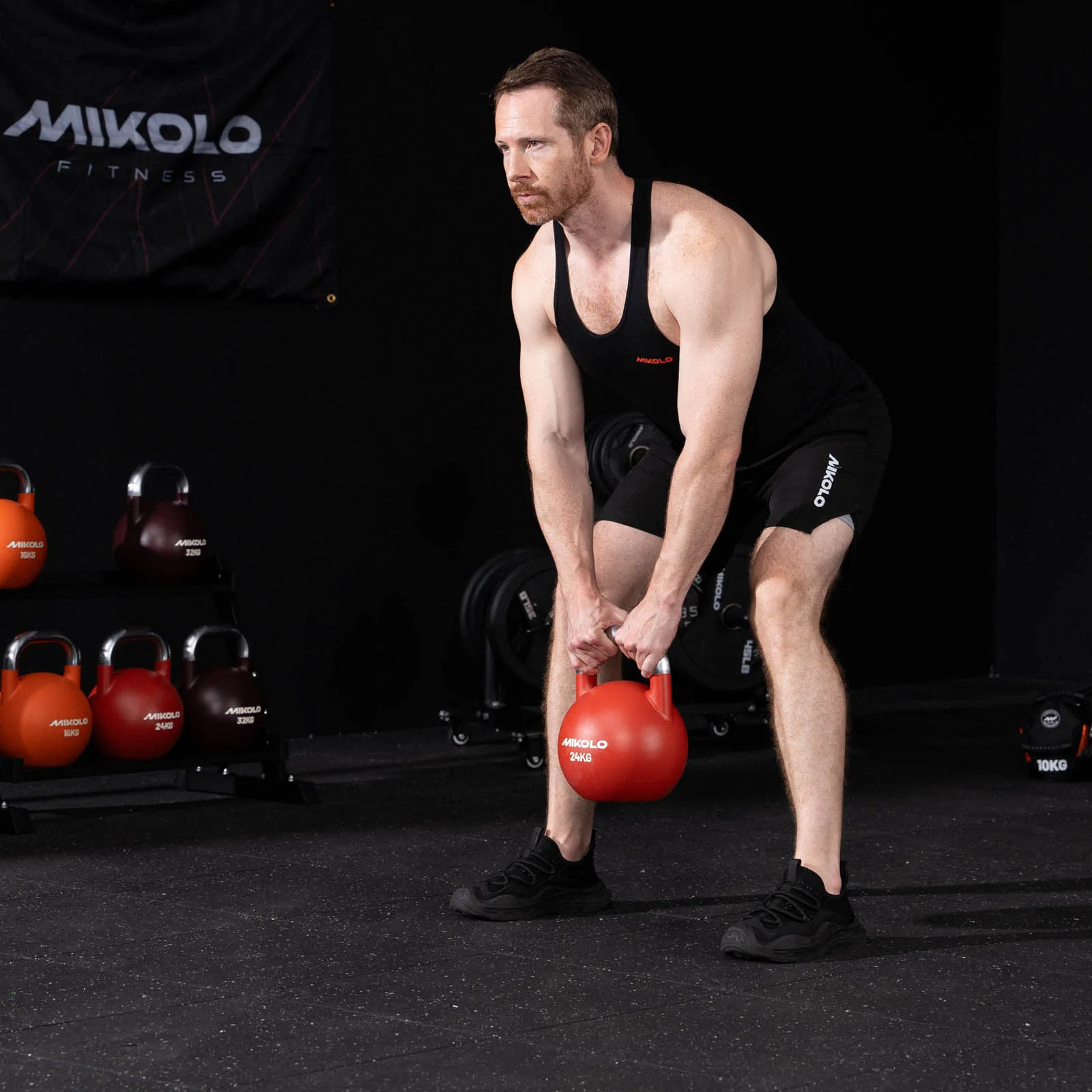
For a focused conditioning session, the KB5 listing highlights grip-led movements, while a rope or sled shifts the emphasis toward pulling and conditioning. A Power Training Rope Competition CR1 is polyester and has distance markers, but needs a suitable anchor or sled and a clear path. It is a useful support tool, not a substitute for a strength station.
When do plates beat another standalone weight?
If you already own a barbell, plates may extend what the setup can do without duplicating the role of a full station. WUXTIME’s SHIELD Rubber-Coated Olympic Grip Plates are listed as Olympic plates with a rubber-coated finish and grip openings. The store describes the range as designed for loading a bar, so first verify that your bar sleeve standard matches.
Compared with buying a kettlebell, plates provide more ways to adjust barbell loading, but only if the supporting equipment is already there. The hidden cost is the rest of the setup: bar, collars, bench or rack, plus storage. A plate purchase is therefore most compelling as an upgrade for an existing home gym, not necessarily a first purchase. See the SHIELD plate listing for the current details and compatibility notes.
- Check the bar’s sleeve fit before choosing plates.
- Decide where the plates and bar will be stored between sessions.
- Include the cost of any missing barbell hardware when comparing options.
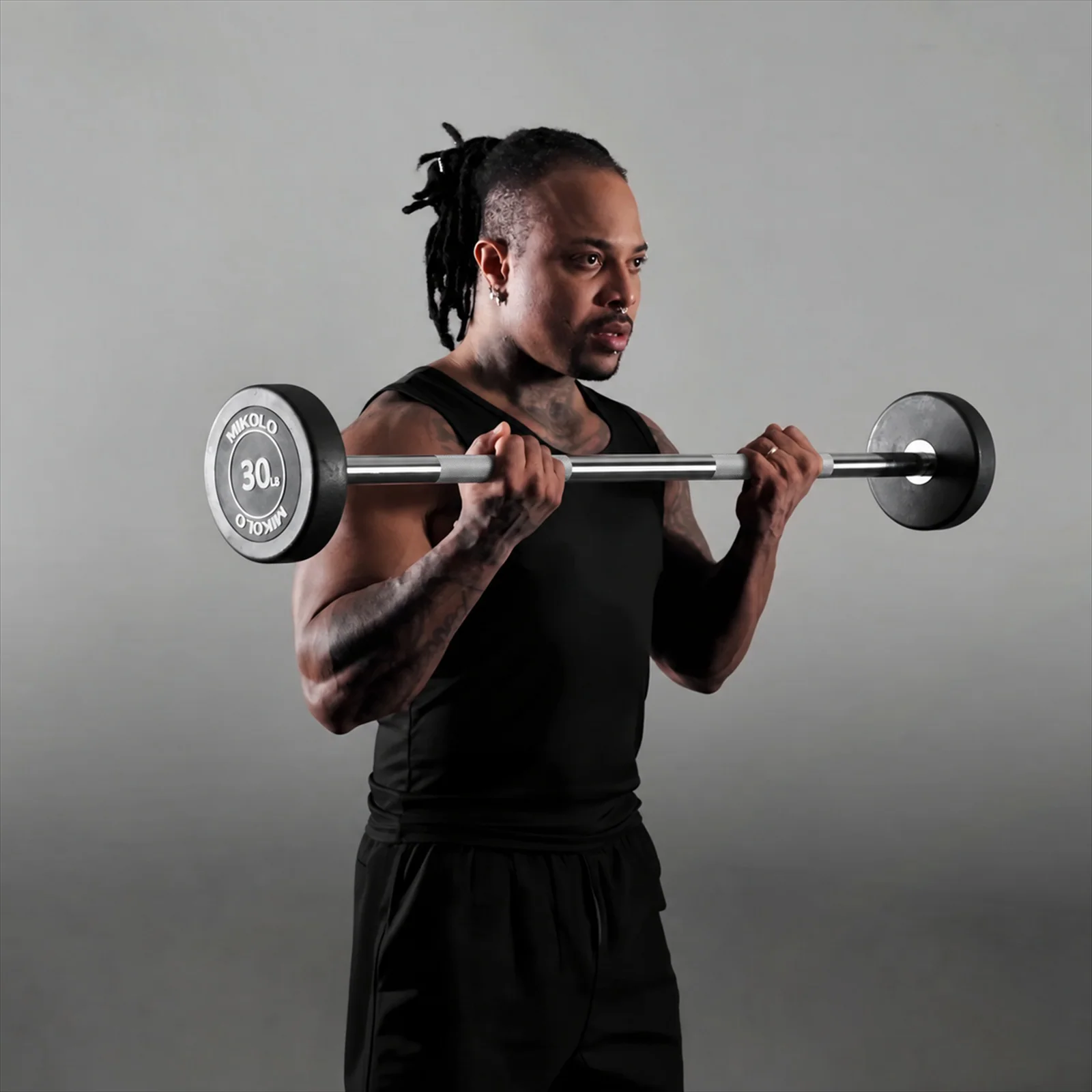
Small additions can make barbell sessions easier to manage. The store’s Magnetic Aluminum Barbell Collars page describes a magnetic design for keeping collars close at hand. They remain an accessory: useful after the barbell route is chosen, but not a reason on their own to choose it.
Does CHEETAH 2.0 earn its larger footprint?
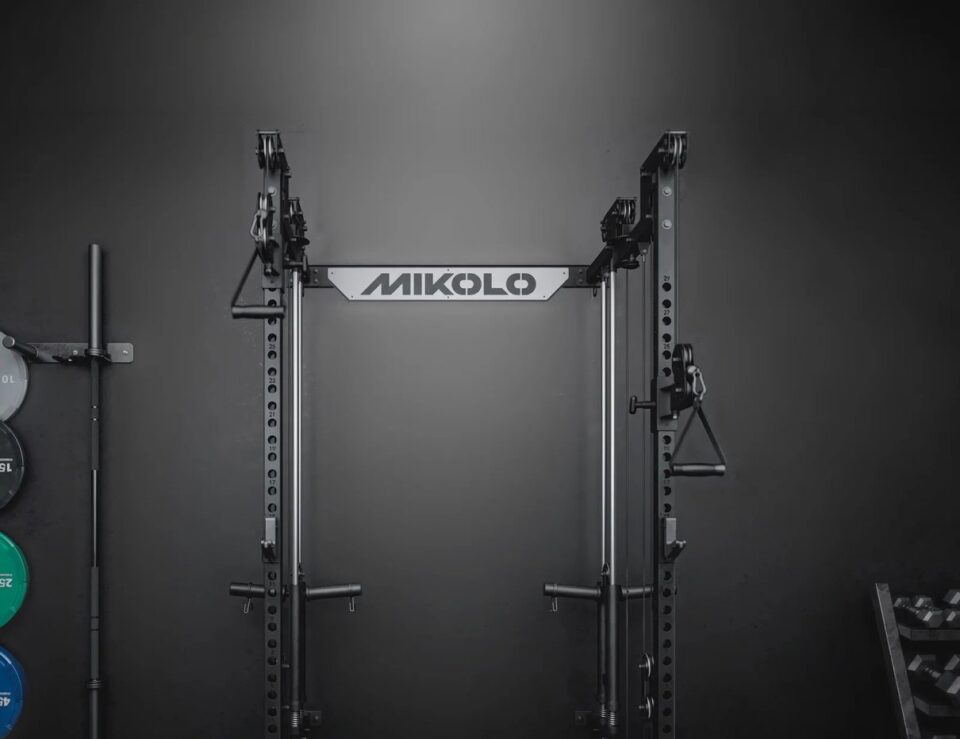
The CHEETAH 2.0 Ultra Complete Home Gym Package combines a wall-mounted folding power rack, functional trainer, cable crossover and pull-up station. WUXTIME lists a steel frame, dual cable system, adjustable positions and safety spotter arms. For a household that will use both free-weight and cable movements, that range can justify a more involved setup.
Its advantage over the other options is movement variety in one system. Its limitation is installation and commitment: it must be anchored to a suitable wall, needs clearance for exercise and folding, and is a much larger purchase than a single implement. Buyers should confirm wall construction, ceiling height, shipping access and what is included in the selected package before ordering.
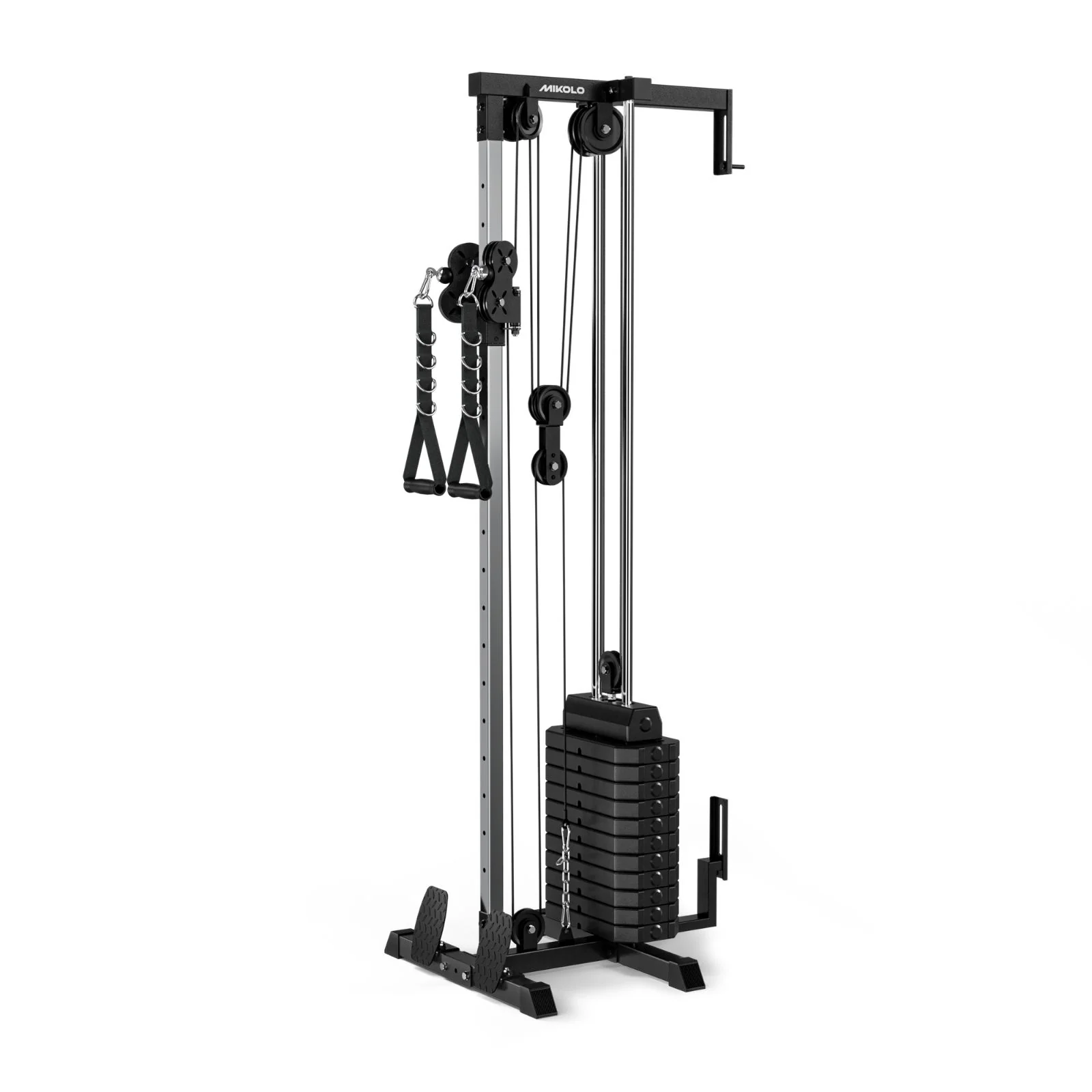
For comparison, a standalone cable tower can offer a narrower cable-focused footprint, while a folding rack adds barbell work and pull-ups as well. The CHEETAH package details should be checked against the exact training attachments you need; the store’s package page is the place to confirm what is included. The advertised combination is broad, though compact does not mean it fits every room or wall.
- Measure the open and folded positions, plus the user’s exercise clearance.
- Confirm an appropriate wall and mounting method.
- Review package contents and compatibility before comparing it with a rack assembled from separate components.
A bench is one example of the extra equipment that can change the rack’s usefulness. The store’s WB8 Adjustable FID Bench adjusts for flat, incline and decline work; check whether your preferred package includes the bench or treats it as a separate item. A mismatch in included components can make headline comparisons misleading.
How do the choices compare with typical alternatives?
A standard adjustable dumbbell set is another common small-space alternative. It can change load without a large plate collection, but does not reproduce kettlebell swings as naturally or provide cable work. A basic barbell and rack usually allow familiar compound lifts with more flexibility than a single kettlebell, though the combined footprint and safety setup are more demanding.
| Option | Best fit | Main advantage | Trade-off |
|---|---|---|---|
| Kettlebell Competition KB5 | Compact, dynamic sessions | Easy to store and move | One implement limits load range |
| SHIELD plates | Existing barbell owners | Extends loading options | Needs compatible equipment |
| CHEETAH 2.0 | Broad strength routines | Rack and cable functions together | Needs installation and clearance |
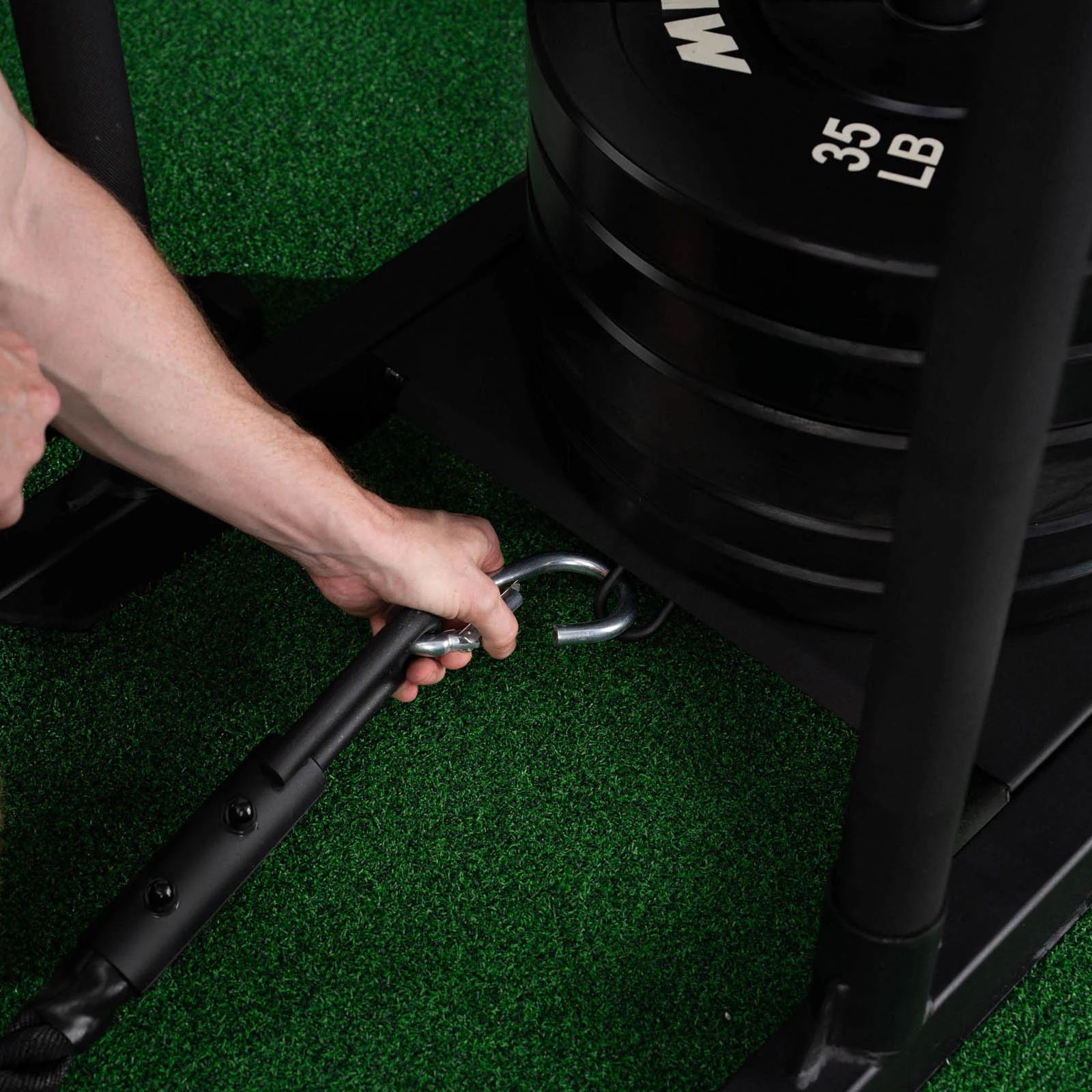
The CR1 training rope adds a conditioning direction rather than replacing any of these three routes. Similarly, a sled-based session needs suitable floor space and a usable surface; the Power Sled Competition belongs on the shortlist only if pulling or pushing work is part of the plan.
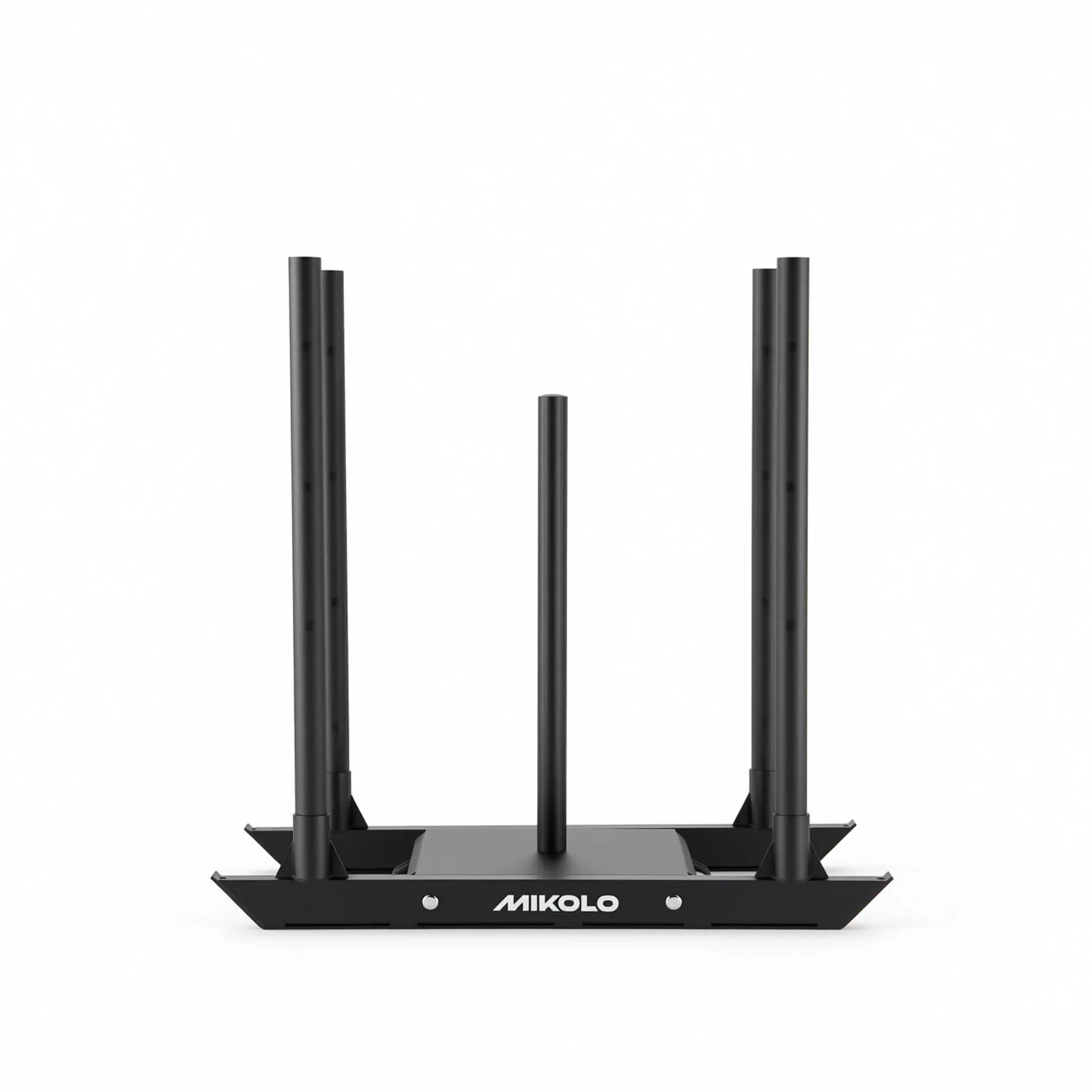
Space and use case change the verdict: a small accessory collection can add variety around a primary tool, but does not create the same progressive strength setup as a rack and barbell. The rope’s product information calls out attachment hardware and markers, so verify the intended anchor and whether your training area accommodates the full pull.
What should you check before choosing?
Before comparing final totals, look at the equipment that will turn a product into a complete routine. The store’s current listings can change, so use the US product pages to verify the configuration and current terms rather than relying on old package summaries.
- List your main lifts or movements and identify which option supports them directly.
- Check floor area, storage, mounting requirements and delivery access.
- Compare included accessories with the separate pieces you would still need.
- Review warranty, shipping, assembly and return terms on the current listing.
These checks are especially important for the CHEETAH 2.0, where package version, installation and room fit matter, and for the SHIELD plates, where compatibility with what you own is essential.
Questions buyers often ask
Is the KB5 enough for a complete home workout?
It can support varied sessions built around swings, cleans, presses, snatches and carries. It is less suitable if you want easy load changes across many barbell lifts or cable-based isolation exercises.
Can I buy the SHIELD plates without a rack?
The plates are loading equipment, so you need a compatible Olympic bar and a safe way to perform the lifts. A rack is useful for some barbell movements, but check your exercises and equipment needs before deciding whether you need one.
Is a folding rack suitable for an apartment?
Possibly, if the wall can support its mounting and the room has clearance for training and folding. Ask the store or a qualified installer about the wall requirements, and measure the full setup rather than just the folded depth.
Our recommendation
For a first purchase in a small room, we would choose the KB5 for flexible, low-footprint training: one implement needs no wall mounting and is simpler to store than a rack or barbell setup. If you already own a barbell, the SHIELD plates are the better targeted upgrade. For a dedicated room and broad strength routine, CHEETAH 2.0 combines a rack, functional trainer, cable crossover and pull-up station, provided its mounting and package requirements fit.
The limitation is that no single choice wins on every point: a compact weight has a narrower load range, plates depend on other equipment, and an integrated rack asks for more room and installation planning. Compare the current configurations, return terms and installation details on the US store before deciding; the best fit depends on the room and the routine you will sustain.