
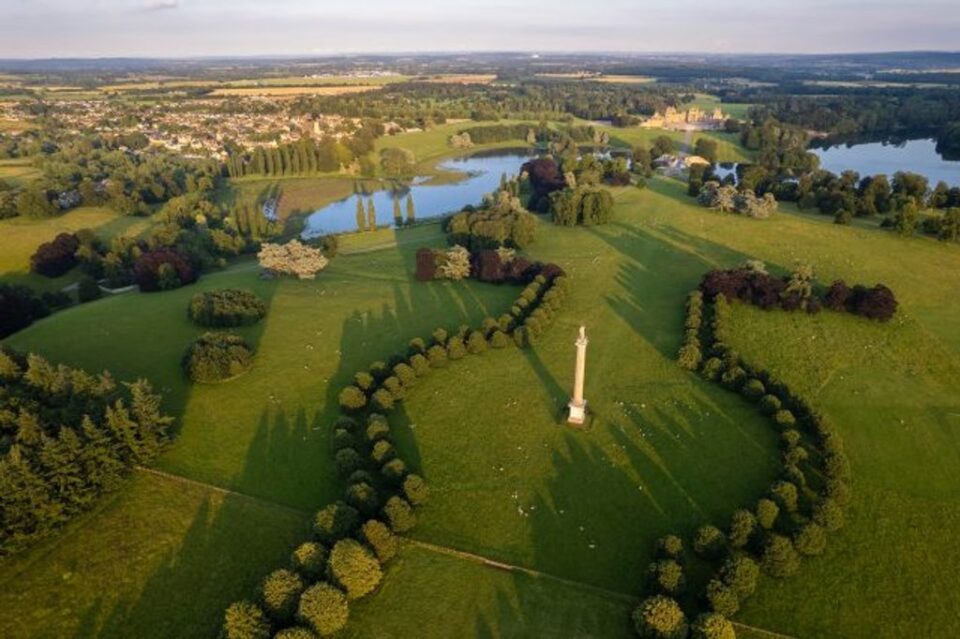
Some historic places are easiest to understand as a building; Blenheim Palace makes more sense as an estate with several ways in. A first visit can be about rooms and collections, but the landscape, food and family activities shape the day too.
That breadth is the brand’s central proposition: a nationally significant historic house presented as a place to spend time, not simply an architectural landmark to look at from outside. We reviewed the visitor information and current offer pages to see how those strands fit together.
For a first-time reader, the useful question is not only what is famous here, but which parts of the offer suit the kind of day you want. The sections below look at the estate as a whole, including where its range is strongest and what requires advance checking.
This article contains affiliate links. If you buy through them, we may earn a commission at no extra cost to you.
Before you read on
- The Palace, gardens and parkland offer distinct historic, designed and open-air experiences.
- Adventure Play Day Ticket is centred on physical family play, including tunnels, bridges, cargo nets, zip-lines and water play.
- Palace and Play Pass connects play with a broader estate visit; check its current inclusions before choosing.
- Quiet Play session is a separate option for SEND children and families, with session details worth confirming.
- Food, walking routes and seasonal events help make this a wider destination than the State Rooms alone.
How does the estate make history feel present?
The story begins with the house and its public identity. Blenheim Palace is a UNESCO World Heritage Site, and its historic rooms give the visit a strong architectural and cultural centre. The effect is different from a stand-alone museum: the building sits within grounds that extend the sense of scale well beyond the interior.
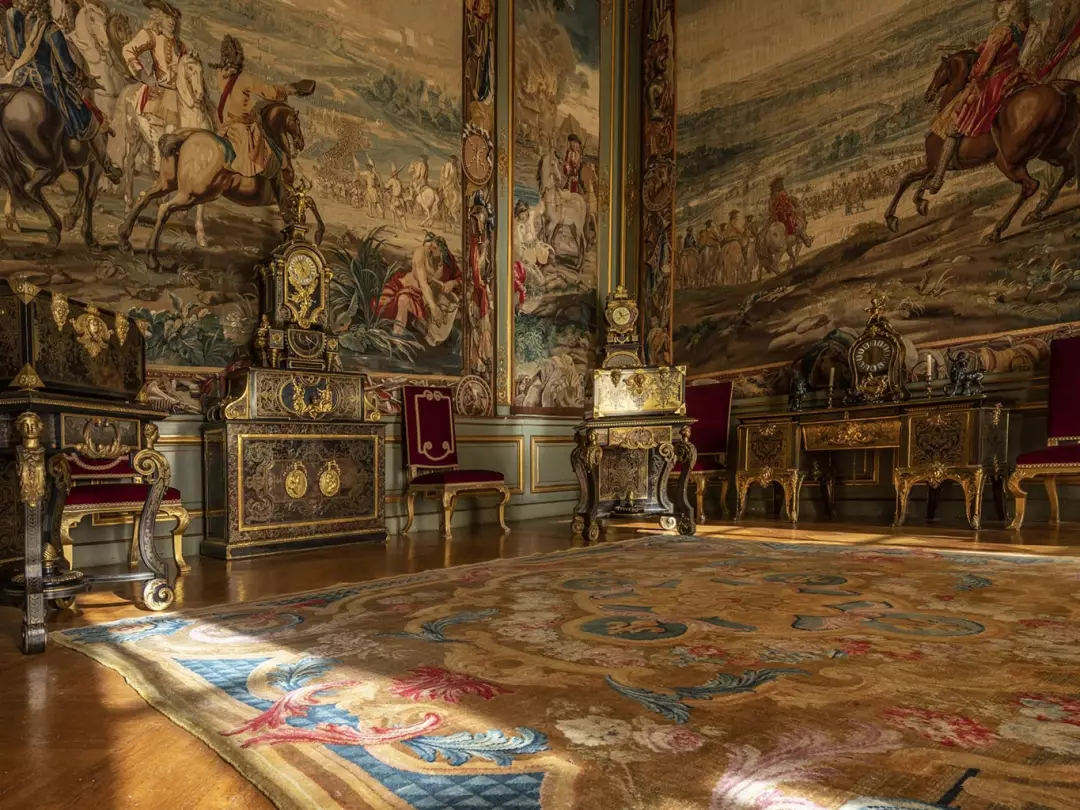
That relationship is useful context for readers deciding whether the brand is mainly about heritage. The State Rooms are a clear anchor, while the wider visitor offer asks people to connect architecture, landscape and recreation. A route through Palace interiors can sit alongside time outdoors, so the visit has more than one pace.
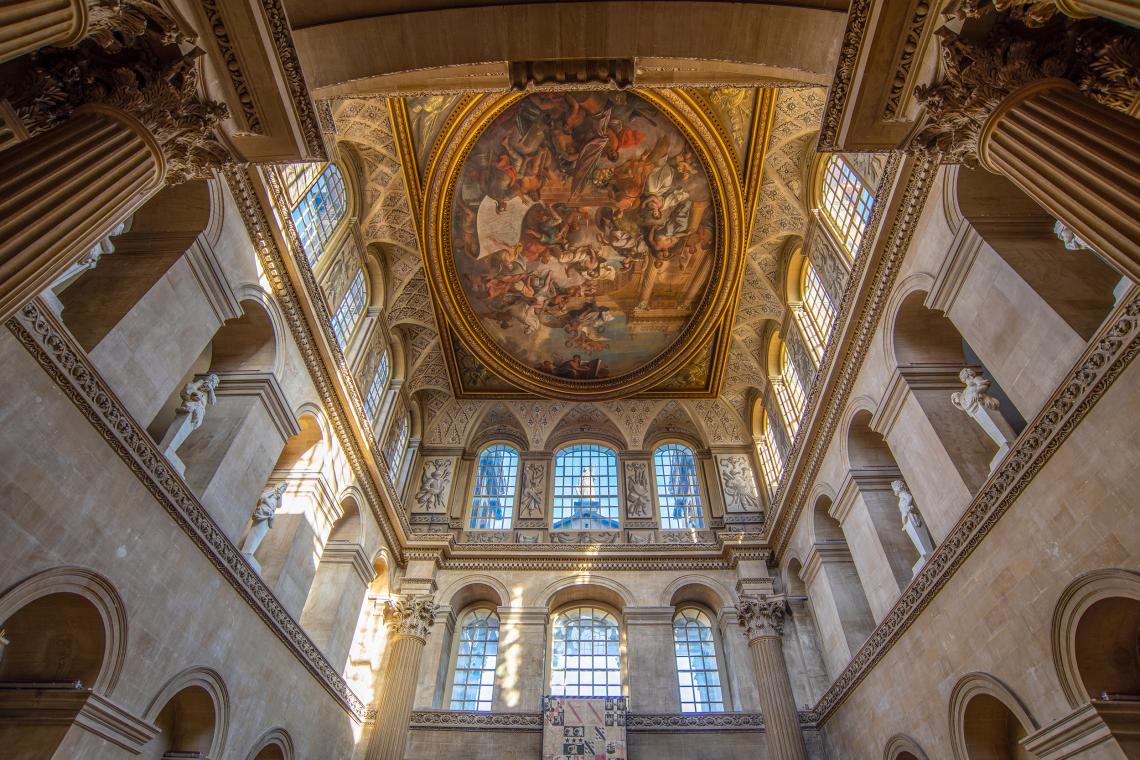
The advantage is range. A visitor drawn by the history can spend time with the interiors, while someone more interested in outdoor space can make the parkland and gardens the day’s focus. Readers can view Blenheim Palace visitor information and check which areas are open before travelling, since access can vary with the calendar and event programme.
What do the gardens and parkland add?
The grounds stop the estate from feeling like a sequence of rooms. The gardens offer a more composed visit, with designed views and planted spaces, while the broader parkland suggests a longer walk and a different relationship with the site. A view across the Secret Garden gives one example of that carefully framed landscape.
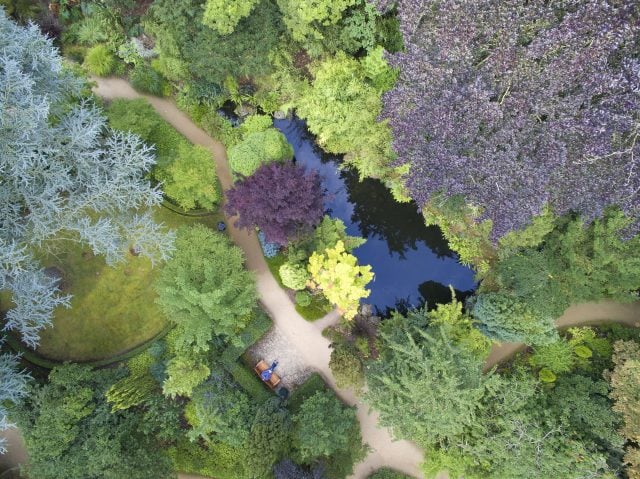
For readers, this means the visit can be tailored by energy and interest: a slower garden stroll, time among the interiors, or a more open-ended walk. The estate’s public story gains substance because these settings are not background decoration; they are a major part of what the brand offers. Check the official gardens information and parkland access details when planning, especially if a particular route matters to your group.
- Palace rooms: the clearest choice for architecture and heritage.
- Formal gardens: a more designed outdoor experience with viewpoints and planting.
- Parkland: the open-air side of the estate, better suited to visitors allowing time for a walk.
Where do family activities fit the brand?
Family activity is not a small add-on in the estate’s range. The Adventure Play Day Ticket is built around active play, with the official description listing tunnels, bridges, cargo nets, zip-lines and water play. That makes it a distinct proposition from a heritage visit: it gives families a clear reason to build the day around movement and play.
Its relevance depends on the group. Children who enjoy climbing and exploring may find the play area a strong centrepiece; adults expecting a quiet historic-house visit may prefer to treat it as one option among several. The Adventure Play Day Ticket and its official session information are worth checking together, since timed entry and operating details can affect the shape of the day.
The separate Quiet Play session matters for the same reason: it signals that the offer recognises different needs and environments. The brand describes it for SEND children and families. Readers should review the current session description and suitability information on the official Quiet Play page, then confirm the relevant booking details before making plans.
- Choose the standard play offer when active, physical play is central to the visit.
- Look at Quiet Play when a separate session is more appropriate for your family.
- Review age, supervision, access and session terms on the official page before committing.
Can food and events turn a visit into a fuller day?
Hospitality is another part of how Blenheim Palace presents itself. The Orangery afternoon tea and other food options give visitors a reason to pause between parts of the estate, while walks and seasonal events create further ways to shape a return visit. These elements help the brand feel like a destination with a programme, not a single fixed itinerary.
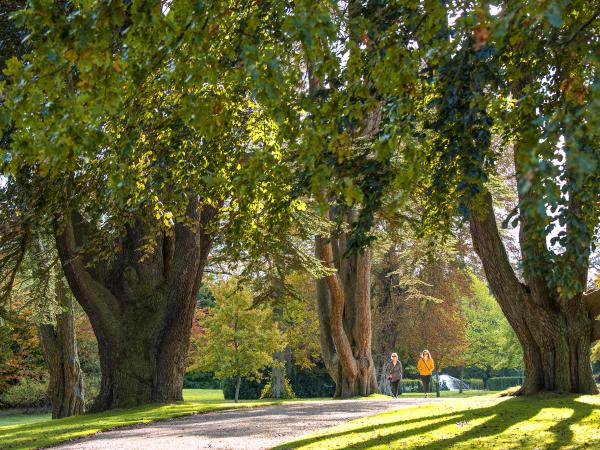
There is practical value in that variety, although it also means there is no universal day plan. An event can change the atmosphere and availability; food venues may operate on different schedules; and the walking experience depends on the route a visitor chooses. We recommend checking the official food and drink information, what’s on calendar and estate walking guidance before settling on a plan.
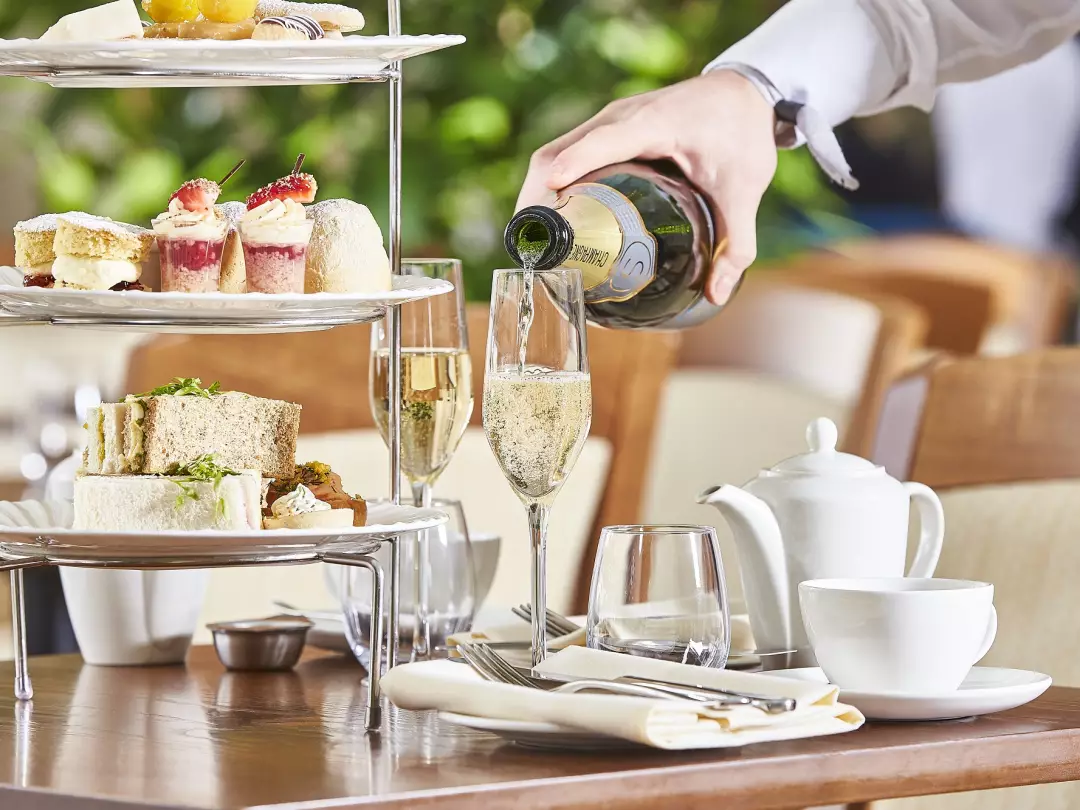
For a group with mixed interests, this is one of the estate’s strengths: different people can value different parts of the same visit. A heritage-minded visitor may start inside, while others prioritise the grounds, refreshments or a family activity. The official visitor pages are the best place to compare those components, and to check current availability without relying on an old itinerary.
- Allow enough time for the parts that matter most to your group.
- Check event dates and any access changes before travelling.
- Review food venue opening information if a meal is part of the plan.
Which ticket pages help explain the range?
The ticket structure is a practical expression of the brand’s variety. The Adventure Play Day Ticket points to a play-led visit. The Palace and Play Pass signals a broader combination, although readers should confirm its latest inclusions and any booking conditions directly. Meanwhile, the Quiet Play session is a distinct setting rather than simply another version of general admission.
That distinction is more useful than treating every ticket as interchangeable. Think about the day’s main purpose, then verify what access is included and whether timed sessions need separate planning. The official Adventure Play options and the Palace and Play information should be read as current offer pages, because inclusions and availability can change.
- Heritage focus: check Palace access and opening details.
- Outdoor focus: review garden and parkland access.
- Play focus: compare the Day Ticket, broader pass and Quiet Play session against your group’s needs.
Is Blenheim Palace suitable for a short visit?
It can be, if you choose one main focus. The estate also rewards a longer visit because rooms, gardens, walks, food and activities cover different ground. Check opening and access details to avoid planning around more than your available time allows.
What should first-time visitors check before booking?
Confirm which areas and activities are included, whether any element requires timed entry, and what is operating on your chosen date. For family play, read session conditions and suitability information on the official page.
Does the brand suit visitors who are not focused on history?
Yes, the gardens, parkland, food, walks and family activity create alternatives to a rooms-led visit. The historic house remains central to the estate’s identity, but it is not the only reason to go.
Our recommendation
We see Blenheim Palace as most compelling when approached as a connected estate: heritage at its centre, with landscape, hospitality and activity giving the visit different rhythms. That breadth makes it relevant to more than one kind of visitor, and the Adventure Play Day Ticket, Palace and Play Pass and Quiet Play session show how the offer serves different family plans.
The honest limitation is that breadth asks for planning. Access, sessions, events and food schedules can shape what is possible on a particular day, so the best choice depends on checking current details rather than assuming every element is always available together. Start with the priorities of your group, then consult Blenheim Palace’s official pages for the latest options.